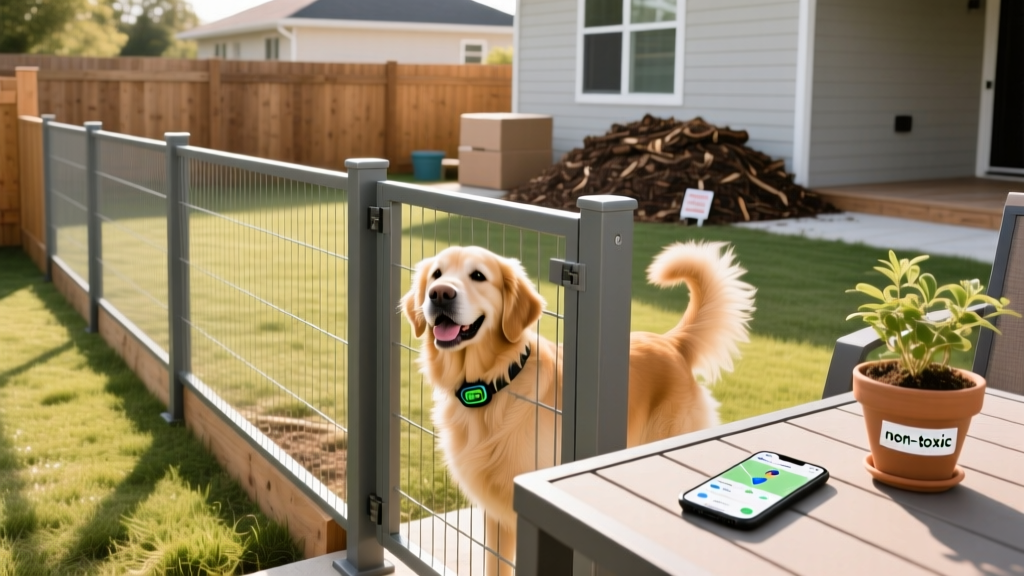
Essential Dog Supplies Checklist
A practical, vet-reviewed checklist of must-have dog supplies for new pet owners—organized by category and life stage.

Essential Dog Supplies Checklist
Bringing home a new dog is joyful—and overwhelming. Whether you’re adopting a playful puppy or welcoming an adult rescue, having the right supplies ready ensures safety, comfort, and a smoother transition. As a certified canine behavior consultant and lifelong dog owner, I’ve helped hundreds of families prepare thoughtfully. This checklist cuts through the noise: it’s practical, vet-reviewed, and organized by priority—not marketing hype.
Core Essentials (Must-Have Before Day One)
These items are non-negotiable. Without them, your dog’s basic needs—and your sanity—won’t be met.
- Collar + ID Tag: A properly fitted collar (with room for two fingers) and a durable tag listing your name, phone number, and optional medical alert (e.g., "Diabetic" or "Deaf"). Skip decorative collars for first weeks—opt for sturdy nylon or biothane.
- Leash (4–6 feet, standard): Avoid retractable leashes for training and safety. A padded handle helps prevent rope burn during early walks.
- Food & Water Bowls: Stainless steel or ceramic (not plastic) to prevent bacterial buildup and reduce chin acne. Two separate bowls—never share.
- High-Quality Dog Food: Choose age- and size-appropriate food (puppy, adult, senior, or large-breed formula). Ask your veterinarian for recommendations—and avoid sudden diet changes. Start with the same brand the shelter or breeder used, then transition over 7 days.
- Crate or Safe Confinement Area: For puppies: a crate sized so they can stand, turn, and lie down—but not much more. For adult dogs: a gated room or ex-pen works if crate-trained. Never use crates as punishment.
- Bed or Mat: Washable, low-loft, and nonslip. Avoid fluffy beds for chew-prone puppies; opt for durable orthopedic foam for seniors.
Puppy-Specific Must-Haves
Puppies need extra support for development, safety, and house training.
- Puppy Pads or Outdoor Potty Area Setup: If you live in an apartment or have limited yard access, use unscented, absorbent pads. Pair with consistent timing (after naps, meals, play) and immediate praise outdoors.
- Chew Toys (Variety Required): Rotate 3–5 safe options daily: rubber (Kong Classic), nylon (Nylabone Dura Chew), and soft plush (for teething relief). Avoid rawhide, cooked bones, or toys with small detachable parts.
- Puppy-Proofing Kit: Includes cord covers, bitter apple spray, baby gates, and secure trash cans. Puppies explore with mouths—safety starts before they arrive.
- Enzymatic Cleaner: Essential for accidents. Unlike vinegar or bleach, enzymatic cleaners break down odor-causing proteins—preventing repeat marking.
Health & Hygiene Staples
Preventive care saves stress and money long-term.
- Nail Clippers or Grinder: Get comfortable trimming nails every 2–3 weeks. Use styptic powder to stop minor bleeding. If unsure, ask your vet or groomer for a demo.
- Dog-Safe Shampoo: Human shampoos disrupt canine pH balance. Choose oatmeal or hypoallergenic formulas—and bathe only every 4–6 weeks unless medically advised.
- Toothbrush & Enzymatic Toothpaste: Brush teeth 2–3x weekly using dog-specific paste (never human fluoride toothpaste). Start slow—reward licking, then touching gums, then brief brushing.
- Flea/Tick & Heartworm Prevention: Prescribed by your vet—not over-the-counter “natural” alternatives. Year-round prevention is critical, even in cold climates.
Training & Enrichment Tools
Mental stimulation reduces boredom-related behaviors like chewing, barking, or digging.
- Clicker or Marker Word: Paired with treats, this builds clear communication. Say "Yes!" or click *the instant* your dog offers desired behavior (e.g., sitting).
- High-Value Treats: Small, soft, and irresistible—like boiled chicken, freeze-dried liver, or commercial training treats under 3 calories each.
- Interactive Toys: Puzzle feeders (Outward Hound Fun Feeder), snuffle mats, or treat-dispensing balls keep minds engaged—even on rainy days.
- Leash Training Harness (Optional but Recommended): For dogs who pull, a front-clip harness (e.g., Freedom Harness) gently redirects without neck strain.
What You Can Skip (For Now)
Resist impulse buys. These aren’t urgent—and some may do more harm than good:
- Costume outfits or decorative collars (unsafe for unsupervised wear)
- Expensive GPS trackers (start with a microchip + ID tag—90% of lost dogs are reunited via these)
- Raw food starter kits (consult a board-certified veterinary nutritionist first)
- “Calming” CBD treats (no FDA approval for pets; talk to your vet about evidence-based anxiety support)
Pro Tips for Smart Shopping
• Buy local first: Support independent pet stores—they often offer free nail trims, training advice, and returns on unopened food.
• Test before you invest: Borrow a crate or harness from a friend to gauge fit and comfort.
• Label everything: Use waterproof tags on collars, crates, and carriers—include your contact info and dog’s name.
• Keep receipts and notes: Track food brands, vaccine dates, and toy durability. You’ll thank yourself at the 2 a.m. vet visit.
Remember: Your dog doesn’t need perfection—just consistency, kindness, and preparedness. This checklist isn’t about buying everything at once. Prioritize core essentials, add enrichment tools as your routine settles, and always follow up with your veterinarian for personalized guidance. You’ve got this—and your new best friend is already grateful.
Beth Carrasco is a certified dog trainer (CCPDT-KA), Fear Free Certified Professional, and founder of Pawsitive Pathways, a Seattle-based behavior consultancy serving families since 2012.
Beth Carrasco
All our authors care for dogs every day — read more of their work on the authors page.