Dog-Proofing Your Home: A Room-by-Room Checklist
Before bringing a dog home, secure hazards in every room. Follow this checklist to create a safe environment from day one.

Why Dog-Proofing Isn’t Optional—It’s Essential
Bringing a new dog home is joyful, exciting, and full of anticipation—but it’s also the perfect time to pause and ask: “Is my home truly safe for a curious, energetic, and instinct-driven animal?” Puppies explore with their mouths; adult dogs may chase, dig, or chew out of boredom or anxiety; and senior dogs can stumble over loose rugs or misjudge stairs. Dog-proofing isn’t about creating a sterile environment—it’s about thoughtful preparation that prevents accidents, protects your belongings, and most importantly, keeps your dog physically and emotionally safe. Unlike childproofing, which focuses mainly on fall and poisoning risks, dog-proofing addresses chewing hazards, toxic substances, escape routes, noise sensitivities, and even subtle stress triggers. Start this process *before* your dog arrives—even better, while you’re still choosing your pup—and revisit it every few months as your dog grows, learns, and changes.
Kitchen: The High-Risk Zone
The kitchen is packed with temptations and dangers—from food scraps on the counter to cleaning supplies under the sink. Dogs can sniff out leftovers from across the house, and many common foods are outright toxic.
- Secure all human food: Store chocolate, grapes, raisins, onions, garlic, macadamia nuts, xylitol-sweetened products (like sugar-free gum or peanut butter), and alcohol in closed cabinets *above counter height*. Never leave fruit bowls, bread loaves, or lunch bags within reach—even a well-trained dog may succumb to temptation when unsupervised.
- Lock up cleaners and chemicals: Use childproof latches on cabinet doors holding dish soap, bleach, oven cleaner, and pesticides. Opt for pet-safe alternatives like vinegar-and-water solutions for everyday cleaning, and never use essential oil diffusers in open areas—many oils (e.g., tea tree, eucalyptus, citrus) are harmful if inhaled or licked.
- Manage trash and cords: Use a lidded, foot-pedal trash can anchored to the cabinet or wall. Unplug and coil or tape down appliance cords (toaster, blender, coffee maker)—chewing electrical wires can cause severe burns or electrocution. Keep recycling bins covered and out of paw’s reach.
- Watch the stove and floor: Turn pot handles inward so curious paws don’t knock them over. Sweep or vacuum daily to remove dropped crumbs, grease splatters, or small objects like rubber bands or twist ties—these pose choking or intestinal blockage risks if swallowed.
Living Room & Bedrooms: Comfort Zones with Hidden Hazards
These are where your dog will spend the most time resting, playing, and bonding—but cozy spaces often hide overlooked risks like dangling cords, unstable furniture, and toxic plants.
- Anchor heavy furniture: Bookshelves, dressers, and entertainment centers should be bolted to wall studs. A playful leap or enthusiastic tail wag can topple unsecured units—causing injury or trapping your dog underneath.
- Cord control is non-negotiable: Bundle charging cables, lamp cords, and TV wires using PVC cord covers, braided sleeves, or adhesive clips. Spray bitter apple spray (a safe, non-toxic deterrent) on cords your dog targets repeatedly. Avoid leaving headphones or earbuds on nightstands—they’re small, chewable, and contain lithium batteries.
- Inspect houseplants carefully: Remove or relocate lilies (highly toxic to cats, but dangerous to dogs too), sago palms, azaleas, tulip bulbs, and dieffenbachia. Safer options include spider plants, Boston ferns, and snapdragons—but remember: even “non-toxic” plants can cause mild stomach upset if eaten in quantity.
- Reconsider décor and textiles: Swap delicate glass tabletops for sturdy wood or tempered glass. Avoid long, fringed rugs that invite chewing or slipping—opt for low-pile, non-slip backed rugs instead. Store remote controls, reading glasses, and jewelry in closed drawers—not on coffee tables or nightstands.
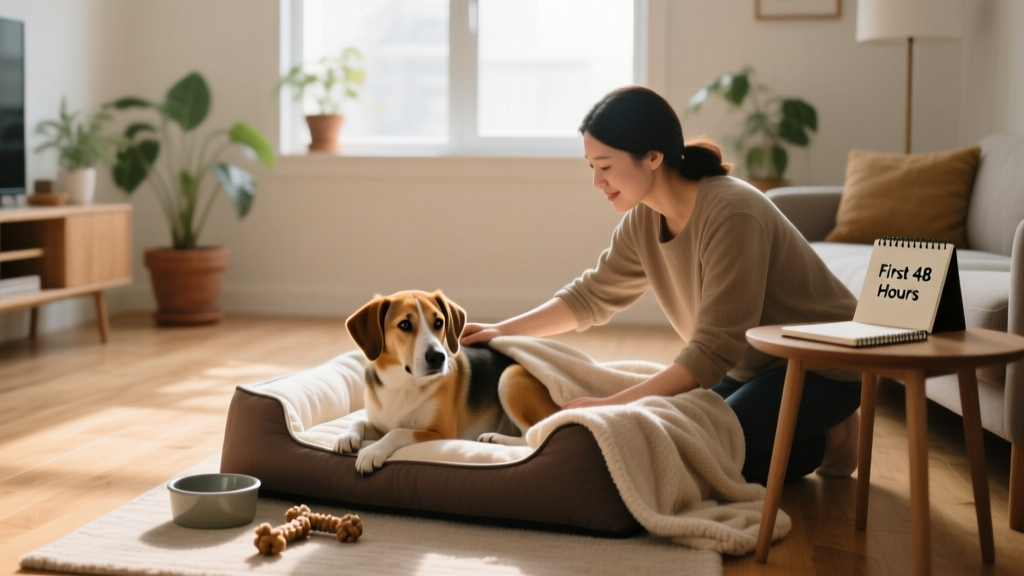
- Create a calm retreat: Designate a quiet corner with a comfortable bed, familiar blanket, and chew-safe toys. Use room dividers or baby gates to limit access during high-stimulus times (e.g., holiday guests, thunderstorms). This helps prevent over-arousal and gives your dog autonomy to self-soothe.
Bathroom, Laundry Room & Outdoors: Often-Overlooked Danger Spots
These areas combine moisture, strong scents, and easy access to hazardous items—yet they’re frequently skipped in initial dog-proofing efforts.
- Bathroom basics: Keep toilet lids down and bathroom doors closed—standing water attracts dogs, but toilet bowl cleaners, mouthwash, and medications pose serious risks. Store toothpaste (especially fluoride or xylitol-containing brands), floss, and nail clippers in high cabinets. Never leave damp towels or washcloths on the floor—they encourage chewing and can harbor mold or bacteria.
- Laundry room safety: Secure laundry detergent pods in locked cabinets—they look like candy and are extremely toxic if punctured or chewed. Keep hampers covered and off the floor; loose socks and underwear are common (and dangerous) chew targets. Check pockets before washing—coins, gum, and medications have been found inside!
- Outdoor perimeter check: Walk your yard slowly at dog-height. Look for gaps under fences (fill with gravel or L-brackets), loose boards, or diggable soil near fence lines. Remove or fence off compost bins—rotting food, moldy scraps, and coffee grounds can cause vomiting, tremors, or pancreatitis. Check for toxic plants like foxglove, oleander, or rhododendron, and avoid cocoa mulch (contains theobromine).
- Garage vigilance: Store antifreeze, motor oil, paint thinners, and rodent bait in sealed, labeled containers on high shelves—not on the floor or workbench. Antifreeze has a sweet taste and is fatal in tiny amounts; even a teaspoon can kill a 10-pound dog. Keep garage doors closed when not in use, and install motion-sensor lights to deter nighttime escapes.
- Final sweep habit: Do a 60-second “dog-eye view” walk-through each morning: crouch down, scan floor level, and pick up anything small, sharp, or chewable. Keep a “dog-proofing kit” handy—a roll of cord wraps, a pack of cabinet latches, bitter apple spray, and a pet-safe plant guide make ongoing updates quick and effective.
Jonas Cole
All our authors care for dogs every day — read more of their work on the authors page.