120+ Dog Names for Alsatians: Strong, Noble & Unique Picks
Discover 120+ dog names for Alsatians organized by theme, with meanings, origins, and expert tips on choosing the perfect name for your German Shepherd.

Why Alsatian Names Deserve Extra Thought
The Alsatian — known in the United States as the German Shepherd Dog (GSD) — is the second most popular breed registered with the American Kennel Club. Originally called the Alsatian Wolf Dog in Britain after World War I (to distance the breed from its German origins), the name stuck in the UK and parts of Europe for decades. Whether you call them Alsatians or German Shepherds, these dogs carry a regal bearing, intense intelligence, and a working-drive heritage that deserves a name with equal weight.
After helping dozens of GSD owners through naming decisions — and watching which names hold up through years of training, recall practice, and multi-dog households — I've compiled this guide to cut through the noise. No filler, no random baby-name lists. Every name below was selected against specific criteria that matter for a large, intelligent working breed.
Selection Criteria: How These Names Made the List
- Phonetic clarity: 1–2 syllables with hard consonants (K, T, D, B, R) that cut through environmental noise during outdoor recall
- Command separation: Names that don't sound like standard obedience cues (sit, stay, come, down, heel, no, leave it)
- Breed-appropriate gravitas: Names that match the Alsatian's size (50–90 lb / 23–41 kg), presence, and working heritage
- Cultural resonance: Names reflecting the breed's German/European origin, military/working history, or wolf-like appearance
- Training durability: Names that remain practical when called across a field, in a park, or during high-distraction environments
Strong & Powerful Names for Alsatians
Alsatians are imposing dogs. Males typically stand 24–26 inches at the shoulder and weigh 65–90 lb (29–41 kg), while females stand 22–24 inches and weigh 50–70 lb (23–32 kg). These names reflect that physical presence and the breed's protection heritage.
| Name | Origin / Meaning | Gender | Popularity Note |
|---|---|---|---|
| Titan | Greek — "defender, powerful one"; mythological race of gods | Male | Consistently top 20 for large breeds (Rover 2024 data) |
| Blitz | German — "lightning"; evokes speed and power | Male | Popular in working-line GSD circles |
| Kaiser | German — "emperor"; derived from Latin Caesar | Male | Rising trend since 2022, especially in Midwest US |
| Valkyrie | Norse — "chooser of the slain"; warrior maidens | Female | Growing in popularity among protection-sport handlers |
| Ronin | Japanese — "masterless samurai"; wandering warrior | Male | Trending up since 2023 in urban areas |
| Athena | Greek — goddess of wisdom and strategic warfare | Female | Top 15 for female large breeds (AKC 2024) |
| Thor | Norse — god of thunder; strength and protection | Male | Top 10 male dog name nationally since 2019 |
| Juno | Latin — Roman queen of the gods; "young" or "vital force" | Female | Steady popularity, crossover from human naming trends |
| Ragnar | Norse — "warrior" or "judgment warrior"; legendary Viking | Male | Surged post-Vikings TV series, remains strong through 2025 |
| Freya | Norse — goddess of love, beauty, and war | Female | Top 25 female dog name in UK and Scandinavia |
| Draven | Modern English — derived from "drake" (dragon); dark, edgy | Male | Popular in Schutzhund/IGP community |
| Sigrid | Old Norse — "beautiful victory" or "victory wisdom" | Female | Niche but growing in Pacific Northwest US |
| Koda | Lakota (Native American) — "friend" or "companion" | Unisex | Top 30 for large breeds; friendly yet strong |
| Zara | Arabic — "blooming flower"; Hebrew — "princess" | Female | Cross-cultural appeal, rising since 2021 |
| Rex | Latin — "king"; classic working-dog name | Male | Perennial classic; top 50 for decades |
German & European Heritage Names
The Alsatian's roots trace to Captain Max von Stephanitz's breeding program in Germany, beginning in 1899. The first registered GSD, Horand von Grafrath, set the standard. Honoring that heritage with a German-origin name is both meaningful and culturally appropriate. These names are drawn from German language, history, and folklore.
| Name | Origin / Meaning | Gender | Popularity Note |
|---|---|---|---|
| Adler | German — "eagle"; symbol of strength and vision | Male | Moderate; popular among show-line breeders |
| Heidi | German — "noble sort"; diminutive of Adelheid | Female | Classic, stable popularity |
| Wolfgang | German — "wolf path" or "traveling wolf" | Male | Niche; appeals to traditionalists |
| Brunhilde | Germanic — "armored warrior woman"; Valkyrie figure | Female | Rare but memorable; strong presence |
| Fritz | German — diminutive of Friedrich; "peaceful ruler" | Male | Steady niche pick; playful yet dignified |
| Ingrid | Old Norse/German — "beautiful goddess Ing" | Female | Mid-century classic making a comeback |
| Otto | German — "wealth, fortune"; historic royal name | Male | Top 40 male dog names 2024 (Rover) |
| Greta | German — "pearl"; diminutive of Margarete | Female | Rising since 2019 (cultural influence) |
| Klaus | German — "victory of the people"; short for Nikolaus | Male | Niche; strong two-syllable recall name |
| Helga | Old Norse/German — "holy, sacred" | Female | Rare; distinctive and commanding |
| Dieter | German — "warrior of the people" | Male | Low frequency; excellent phonetic clarity |
| Liesel | German — "God is my oath"; diminutive of Elisabeth | Female | Gentle but strong; literary association |
| Alaric | Germanic — "ruler of all"; Visigoth king name | Male | Rising in history-enthusiast households |
| Elsa | German — "noble"; short form of Elisabeth | Female | Spiked post-Frozen (2013); still popular 2025 |
| Gunther | Germanic — "battle warrior"; Nibelungen legend | Male | Niche; strong consonant onset aids recall |
Nature & Wolf-Inspired Names
The Alsatian's wolf-like silhouette — erect ears, angled topline, dense double coat — makes nature-themed names feel instinctively right. Early breed enthusiasts marketed them as "Alsatian Wolf Dogs," and that wild aesthetic remains a core part of their appeal. These names draw from wolves, wilderness, and natural forces.
| Name | Origin / Meaning | Gender | Popularity Note |
|---|---|---|---|
| Luna | Latin — "moon"; wolf-howling association | Female | #1 female dog name in US since 2020 (Rover) |
| Shadow | English — dark companion; stealth imagery | Unisex | Top 20 for black/sable GSDs specifically |
| Ember | English — glowing coal; warmth and fire | Female | Top 30 female names 2024; great for red sables |
| Tundra | Russian/English — frozen northern plains | Female | Niche; popular in northern US states |
| Storm | English — tempest; raw power | Unisex | Steady; particularly popular for dark-coated dogs |
| Aspen | English — quaking tree; Colorado resort town | Unisex | Rising in mountain-west states since 2022 |
| Yuki | Japanese — "snow" or "happiness" | Unisex | Growing among white GSD owners |
| Flint | English — hard stone; spark and fire | Male | Sharp, one-syllable recall name; working-line favorite |
| Raven | English — dark bird; intelligence and mystery | Female | Top 50 for black-coated large breeds |
| Hawk | English — bird of prey; keen vision | Male | One-syllable clarity; popular in rural settings |
| Sage | English/Latin — "wise"; also an herb | Unisex | Trending in Pacific Northwest and California |
| Onyx | Greek — black gemstone; strength and grounding | Male | Rising for black-and-tan GSDs since 2023 |
| Sierra | Spanish — "mountain range" | Female | Stable popularity in western US |
| Blaze | English — flame; speed and intensity | Male | Top 40 male names; strong for high-drive dogs |
| Willow | English — graceful tree; flexibility and resilience | Female | Top 10 female dog names nationally 2024 |
Military & Working-Dog Tribute Names
Alsatians served as messenger dogs, mine detectors, and sentries in both World Wars. Today they dominate police K-9 units, military working dog (MWD) programs, search-and-rescue teams, and service dog organizations. These names honor that legacy — many are drawn from actual decorated military dogs, ranks, and tactical terminology.
| Name | Origin / Meaning | Gender | Popularity Note |
|---|---|---|---|
| Rex | Latin — "king"; used by countless police K-9s | Male | Perennial classic in law enforcement families |
| Lucca | Named after Lucca, decorated US Marine Corps MWD (2006–2016) | Female | Surged after 2016 media coverage of her retirement |
| Ajax | Greek — heroic warrior; also common police dog name in Europe | Male | Popular in European K-9 units; growing in US |
| Sarge | English — "sergeant"; military rank | Male | Casual but commanding; popular in veteran households |
| Diesel | Named after Diesel, French RAID police dog killed in 2015 Paris raids | Male | Spike in 2015–2016; remains steady |
| Bravo | NATO phonetic alphabet — letter B; "well done" | Male | Popular among active-duty military families |
| Scout | English — "to observe, reconnoiter"; also literary (To Kill a Mockingbird) | Unisex | Top 25 unisex dog name nationally |
| Major | English — military rank; "greater, more important" | Male | Top 30 male names; natural authority |
| Karma | Sanskrit — "action, fate"; cosmic justice | Female | Growing in service-dog community |
| Ranger | English — "forest guardian"; elite military unit | Male | Top 40 male names; outdoor-active families |
| Ace | English — "number one, top-tier"; fighter pilot term | Male | Steady; short, punchy recall name |
| Valor | Latin — "bravery, worth"; military virtue | Male | Niche but rising; appeals to first-responder families |
| Liberty | English — "freedom"; patriotic symbolism | Female | Spikes around July 4th adoptions; steady otherwise |
| K9 | Phonetic — "canine"; police/military dog designation | Male | Bold choice; popular in K-9 handler families |
| Honor | Latin — "respect, integrity"; military value | Female | Rising since 2022; dignified and strong |
How to Choose the Right Name: A Practical Framework
The Science Behind a Good Dog Name
Canine auditory processing research shows dogs distinguish consonant sounds more reliably than vowel sounds. This is why names with hard consonants (K, T, D, B, R, G) at the beginning register more clearly. A 2019 study published in Applied Animal Behaviour Science confirmed that dogs respond faster to two-syllable names with plosive consonants than to single-syllable or soft-consonant names.
The Two-Syllable Sweet Spot. One-syllable names (Max, Rex, Bo) work but offer less phonetic distinction in noisy environments. Three-plus syllables (Sebastian, Penelope) get shortened by owners within weeks anyway. Two syllables (Kaiser, Luna, Blitz) hit the ideal balance: distinctive enough for reliable recall, short enough for rapid-fire training repetitions.
The Command-Conflict Test. Before finalizing a name, say it aloud alongside your core commands. If the name rhymes with or starts like a command, scrap it:
- "Bo" sounds like "No" — avoid
- "Kit" sounds like "Sit" — avoid
- "Ray" sounds like "Stay" — avoid
- "Joe" sounds like "No" — borderline risky
- "Beau" sounds like "No" — borderline risky
- "Faye" sounds like "Stay" — avoid
The Yell Test. Stand at your back door and yell the name as if your dog is 100 yards away at the park. Does it carry? Does it feel natural? Can you repeat it three times rapidly ("Kaiser-Kaiser-Kaiser!") without stumbling? If not, keep looking.
Regional & Cultural Naming Trends
Dog naming patterns vary significantly by region, and Alsatian owners reflect their local culture:
| Region | Trending Alsatian Names (2024–2025) | Cultural Influence |
|---|---|---|
| Northeast US | Atlas, Nova, Odin, Stella | Urban, literary, mythology-driven |
| Southeast US | Duke, Daisy, Rebel, Dixie | Traditional, Southern heritage |
| Midwest US | Kaiser, Gunner, Heidi, Koda | German heritage, working-dog culture |
| West Coast US | Sage, Aspen, Yuki, Luna | Nature, wellness, multicultural |
| United Kingdom | Alfie, Poppy, Winston, Bonnie | British heritage, "Alsatian" terminology still used |
| Germany | Arko, Bessi, Falk, Hexe | Traditional GSD naming conventions; kennel-name prefixes |
| Scandinavia | Freja, Loki, Sigge, Tova | Norse mythology, short phonetic names |
Registered Names vs. Call Names: What Purebred Owners Need to Know
If you're purchasing an Alsatian puppy from an AKC-registered breeder, your dog's registered name will likely follow a kennel-name convention. For example: "Von Steinberg's Kaiser Wilhelm" — where "Von Steinberg" is the breeder's kennel prefix and the rest is the individual identifier.
AKC registered-name rules:
- Maximum 36 characters (including spaces)
- Cannot include a kennel name already claimed by another breeder
- Cannot include titles (CH, GCH) — those are added by AKC
- Cannot include numbers as words (but numerals are allowed)
- AKC reserves the right to reject names deemed inappropriate
Your dog's call name — the name you actually use day-to-day — can be entirely different. Most owners choose a shorter call name derived from or unrelated to the registered name. "Von Steinberg's Kaiser Wilhelm" might simply answer to "Kaiser" at home and in training.
FCI and international registries (including the German SV, the original GSD breed club) have similar conventions. If you plan to compete in IGP (formerly Schutzhund), conformation shows, or herding trials, your dog's registered name will appear in score books and catalogs. Choose something you won't be embarrassed to hear announced over a loudspeaker.
Renaming an Adopted or Rescued Alsatian
German Shepherds are the second most common breed found in US shelters, according to ASPCA data. Many rescued Alsatians arrive with names from previous owners, foster homes, or shelter intake records. Renaming is completely acceptable and often recommended — particularly if the previous name was associated with negative experiences.
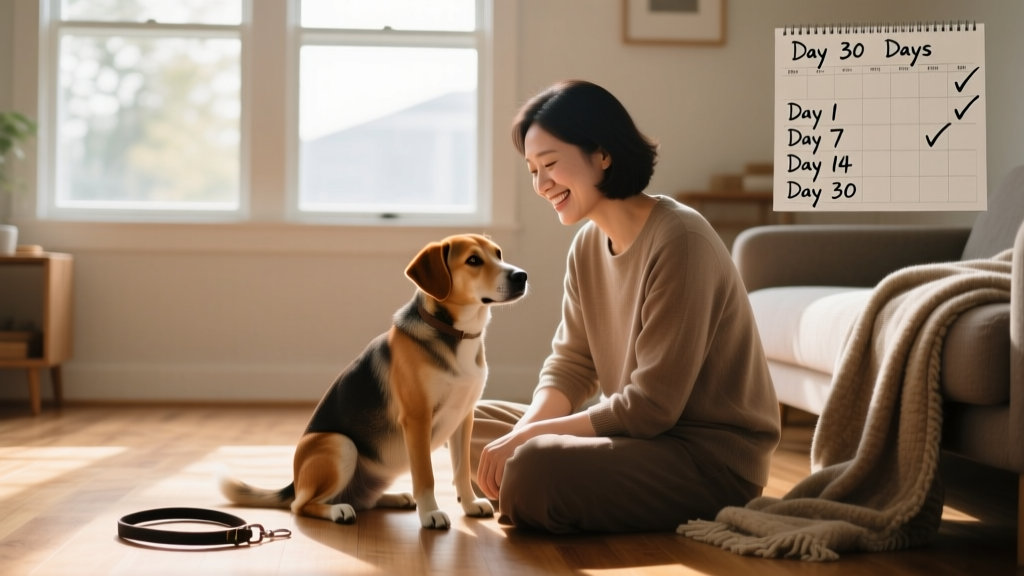
Step-by-Step Name Change Protocol
- Days 1–3 (Transition period): Use the old name paired with the new name. Say "[Old Name], [New Name]" together, followed by a high-value treat. Example: "Duke... Kaiser!" → treat. This bridges the existing neural association.
- Days 4–7 (New name primary): Lead with the new name. If the dog doesn't respond within 2 seconds, follow once with the old name as a prompt. Reward immediately on any response.
- Days 8–14 (New name only): Drop the old name entirely. Use the new name exclusively for all interactions — feeding, walks, play, training. Pair every name-call with something positive (food, toy, praise, door-opening).
- Weeks 3–4 (Proofing): Practice recall in increasing distraction environments. Start in a quiet room, move to the yard, then the front yard, then a park. Reward heavily for correct responses.
- Week 5+ (Maintenance): By this point, most dogs respond reliably to the new name. Continue occasional high-value reinforcement to keep the response strong.
Timeline note: Adult dogs with 2+ years under a previous name may need 4–6 weeks for full transition. Puppies under 1 year typically adapt within 1–2 weeks. Dogs with trauma histories may show inconsistent responses — be patient and never punish a missed name-call.
When NOT to Rename
If the dog is a trained service animal, a retired working dog with extensive command training, or a senior dog (8+ years) who has responded to the same name for most of their life, the stress of renaming may outweigh the benefits. In these cases, keep the original name and simply add a new nickname for casual use.
Most Popular Alsatian Names: 2024–2026 Trends
Based on aggregated data from Rover's annual name survey, AKC registration data, and shelter intake records, these are the top-performing Alsatian names heading into 2026:
| Rank | Male Names | Female Names |
|---|---|---|
| 1 | Max | Luna |
| 2 | Thor | Bella |
| 3 | Zeus | Nala |
| 4 | Odin | Willow |
| 5 | Kaiser | Athena |
| 6 | Rex | Sadie |
| 7 | Duke | Stella |
| 8 | Bear | Daisy |
| 9 | Cooper | Roxy |
| 10 | Tucker | Cleo |
Trending upward for 2026: Names with Norse/Viking origins (Ragnar, Freya, Loki), Japanese-origin names (Yuki, Koda, Hachiko), and nature names (Aspen, Ember, Sage) are all gaining ground. Traditional German names (Kaiser, Otto, Fritz) are seeing renewed interest as owners lean into breed heritage.
Declining: Overly cutesy names (Princess, Baby, Cupcake) continue to drop for large working breeds. Single-syllable generic names (Bud, Sam, Bo) are losing ground to more distinctive two-syllable alternatives.
Frequently Asked Questions
What are good names for Alsatian dogs?
The best Alsatian names are 1–2 syllables, feature hard consonants for clear recall, and match the breed's strong, intelligent character. Top choices include Kaiser, Luna, Thor, Athena, Blitz, and Freya. Avoid names that sound like obedience commands ("Kit" ≈ "Sit") or names so long they'll inevitably get shortened.
What does the name Kaiser mean?
Kaiser is German for "emperor," derived from the Latin title Caesar. It's one of the most popular names for male Alsatians because it honors the breed's German heritage while being short, phonetically clear, and appropriately commanding for a large working dog.
How do I choose a dog name?
Apply four tests: (1) Is it 1–2 syllables? (2) Does it start with a hard consonant? (3) Does it sound different from your core commands (sit, stay, come, down, no)? (4) Can you yell it clearly across a park? If a name passes all four tests and feels right for your dog's personality, you've found a winner. Test it for 2–3 days before committing — say it aloud in different contexts and see if it feels natural.
What are the most popular dog names this year?
For 2025–2026, the most popular male dog names nationally are Max, Thor, Zeus, and Odin. The top female names are Luna, Bella, Nala, and Willow. Among Alsatians specifically, Kaiser, Athena, Rex, and Freya rank higher than the general-dog averages, reflecting breed owners' preference for strong, heritage-connected names.
Can I rename my adopted Alsatian?
Yes, absolutely. Dogs don't have an ego-based attachment to their name the way humans do — they associate the sound with outcomes. If you follow a structured 2–4 week transition protocol (pairing the old name with the new, then phasing out the old), most Alsatians adapt quickly. The main exception is senior dogs or highly trained working dogs, where the disruption may not be worth the benefit.
Are there names I should avoid for a German Shepherd?
Avoid names that sound like standard commands: "Bo/Beau" (sounds like "No"), "Kit" (sounds like "Sit"), "Ray/Faye" (sounds like "Stay"), "Joe" (rhymes with "No"). Also avoid names you'd be embarrassed calling in public or at the vet's office. Finally, if you plan to compete in AKC events, check that your desired registered name isn't already claimed by an active kennel.
Should my Alsatian's name match their coat color?
It's a personal choice, not a requirement. Color-based names like Shadow (black), Ember (red sable), or Snow (white) can be fitting, but they shouldn't override phonetic practicality. A name like "Midnight" is poetic but three syllables — you'll end up calling "Mid!" anyway. If you want a color reference, consider shorter options: Onyx (black), Flint (gray), or Rusty (red).
Jonas Cole
All our authors care for dogs every day — read more of their work on the authors page.