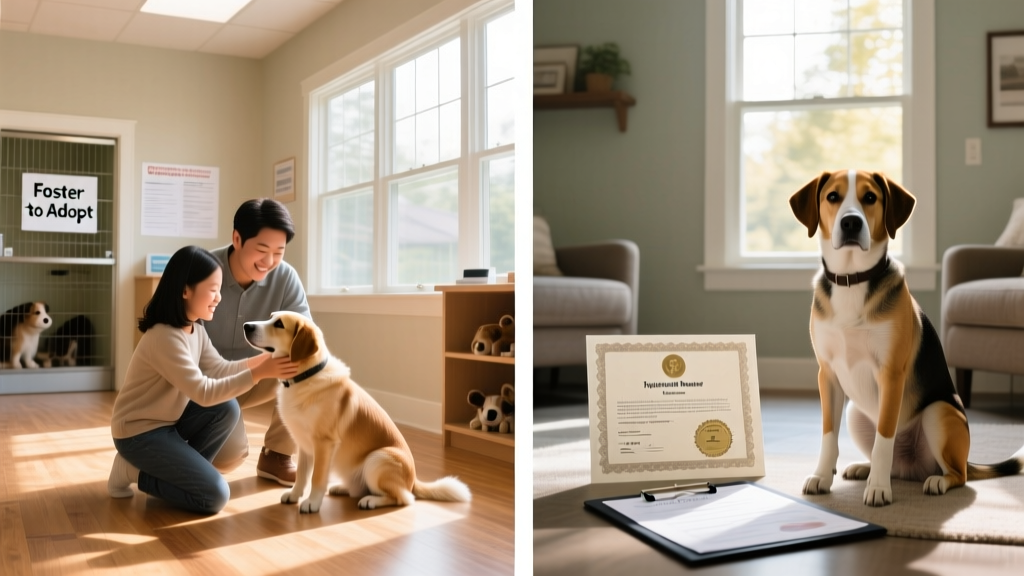
Adopting vs Buying a Dog: Honest Comparison for 2026
Weigh the pros and cons of adoption versus buying from a breeder. Costs, health guarantees, and ethical considerations explained.

Understanding the Financial Realities of Dog Ownership
Bringing a dog into your life is emotionally rewarding—but it’s also a multi-year financial commitment. According to the American Kennel Club (AKC), the average first-year cost of owning a dog in the U.S. is $2,710, with ongoing annual expenses averaging $1,580 (AKC, 2025). These figures include food, veterinary care, grooming, training, and pet insurance. Adoption fees from shelters typically range from $50 to $400—often covering spaying/neutering, microchipping, and initial vaccinations. In contrast, purchasing a purebred puppy from a reputable breeder commonly costs between $1,500 and $4,500, depending on breed and lineage. A 2024 ASPCA survey found that 68% of adopters reported spending under $300 total for their dog’s intake and first-month essentials, while 41% of buyers spent over $2,000 before bringing the puppy home—including deposits, travel, and health clearances.
Health and Genetic Considerations
Genetic health risks vary significantly between adoption and purchase pathways. Shelter dogs often benefit from mixed-breed vigor: studies show mixed-breed dogs have a 2.3-fold lower risk of developing 13 of the 24 most common inherited disorders compared to purebreds (UC Davis Veterinary Genetics Laboratory, 2023). That said, responsible breeders screen for conditions like hip dysplasia (prevalence: 22% in German Shepherds), degenerative myelopathy (affecting up to 20% of Boxers), and progressive retinal atrophy (found in 12% of Miniature Schnauzers). The Orthopedic Foundation for Animals reports that only 37% of registered Golden Retrievers tested in 2025 had clean hip scores—a sobering reminder that even pedigreed lines require vigilance. When adopting, ask shelters about available medical records; many municipal facilities like the San Francisco SPCA perform full wellness exams and dental assessments before placement.
What Reputable Breeders Actually Do
A truly ethical breeder doesn’t just sell puppies—they steward bloodlines. They provide health testing documentation (e.g., OFA or PennHIP certifications), limit litters to no more than two per year per female, and require contracts that mandate return if rehoming becomes necessary. The American Kennel Club’s Breeder of Merit program requires participants to complete at least 10 hours of continuing education annually and maintain high standards of care across all generations. Unfortunately, only an estimated 12% of online “breeders” meet these benchmarks—many operate through classified ads or social media without verifiable health data (Humane Society of the United States, 2025).
Time Investment and Behavioral Readiness
Preparation time differs substantially. Adopted dogs—especially adults—often come with foundational training: roughly 54% of shelter dogs aged 2+ have basic obedience exposure, according to data from the ASPCA’s National Shelter Study (2025). Puppies from breeders usually require 12–16 weeks of consistent socialization and crate training before they’re reliably housebroken. That means new owners must commit to 3–5 structured sessions daily during peak learning windows. In contrast, adult rescue dogs may settle into routines within 2–3 weeks—if their history includes prior stable housing. Boston’s Animal Rescue League notes that dogs adopted from foster homes (as opposed to kennels) demonstrate 30% faster acclimation to new households, likely due to early exposure to household sounds, stairs, and varied people.
Matching Temperament to Lifestyle
Breed alone rarely predicts behavior—environment and individual history matter more. A 2024 study published in Applied Animal Behaviour Science tracked 1,291 dogs across six shelters and found that behavioral assessments conducted after 72 hours in foster care were 62% more predictive of long-term compatibility than pre-adoption questionnaires. If you live in a 500-square-foot apartment in Chicago, a high-energy working breed—even one bred for agility—may struggle without daily access to off-leash space. Conversely, a retired racing Greyhound from Florida-based GREY2K USA often thrives in small spaces due to low exercise needs and calm indoor demeanor.
Long-Term Commitment and Community Impact
Dogs live an average of 10–15 years, and your choice affects broader animal welfare systems. In 2025, U.S. shelters took in approximately 6.3 million dogs—yet nearly 920,000 were euthanized due to overcrowding and resource constraints (ASPCA, 2025). Every adoption frees up space and funding for another animal in need. Meanwhile, demand for designer hybrids (like Goldendoodles) has surged—driving a 27% increase in backyard breeding operations since 2022 (National Council on Pet Population Study and Policy). These unregulated sources frequently skip genetic screening and contribute to orthopedic and immune disorders that surface after age 3.
- Shelter adoption typically includes 1–2 weeks of post-adoption support via phone or email
- Reputable breeders often offer lifetime behavioral counseling and assistance with rehoming
- Over 80% of shelter dogs are spayed/neutered prior to adoption—reducing long-term surgical costs
- Puppy mills supply an estimated 2–3% of all U.S. dogs but account for 18% of canine dermatological cases seen at Cornell University’s College of Veterinary Medicine
- The average wait time for a specific breed through a national rescue (e.g., Dachshund Rescue of North America) is 4.2 months—compared to 1–3 weeks for general shelter adoptions
“Adopting isn’t about getting a ‘free’ dog—it’s about investing in resilience. We see dogs recover from trauma, adapt to new families, and thrive when matched thoughtfully—not marketed.” —Dr. Lena Torres, Director of Behavior Programs, Austin Animal Center (2026)
Ultimately, neither path guarantees perfection—but preparation does. Whether you choose a shelter in Portland, Oregon, or a USDA-licensed breeder in Vermont, prioritize transparency over speed. Request vaccination logs, ask for references, and spend at least 90 minutes observing the dog in multiple settings. Bring your partner, kids, or other pets to assess compatibility. And remember: the best dog for your life isn’t defined by pedigree or price tag, but by how well their energy, needs, and history align with your capacity to nurture them—day after day, year after year.
Consider visiting your local shelter’s “Meet Your Match” program—used by over 220 facilities nationwide—including the Humane Society of Utah and the Seattle Humane Society—to receive personalized temperament-based recommendations. These tools use validated behavioral metrics, not guesswork, to guide your decision. And if you do pursue a breeder, verify their standing with the AKC’s Breeder Referral Service or the Better Business Bureau—both require documented adherence to ethical standards.
One final number worth holding onto: 73% of dog owners who adopted report higher long-term satisfaction scores (measured at 36 months post-adoption) than those who purchased, citing stronger bonds formed through mutual adjustment and shared growth (Journal of Veterinary Behavior, 2025). That kind of connection isn’t bought—it’s built.
editor_paws-tales
All our authors care for dogs every day — read more of their work on the authors page.