The True Price for Chow Chow Ownership: First-Year Costs...
What is the real price for Chow Chow ownership in 2026? We break down purchase costs, first-year expenses, monthly budgets, and hidden fees so you can...

The Chow Chow is one of the most recognizable breeds in the world — lion-like mane, blue-black tongue, and an aloof dignity that sets it apart from nearly every other dog. But beyond the striking looks lies a financial commitment that surprises many first-time owners. If you've been searching for the true price for Chow Chow ownership, you're asking the right question. The purchase price is just the tip of the iceberg.
This guide breaks down every dollar you can expect to spend in your first year with a Chow Chow, plus ongoing monthly and annual costs. Whether you're adopting from a rescue or buying from a reputable breeder, we'll cover initial outlay, recurring expenses, emergency planning, and the hidden costs that catch new owners off guard. All figures reflect 2026 pricing based on current veterinary, supply, and insurance market data.
How Much Does a Chow Chow Cost to Buy or Adopt?
The initial acquisition cost varies dramatically depending on your source. Here's what you'll encounter in the current market:
| Source | Price Range (USD) | What's Typically Included |
|---|---|---|
| Reputable AKC Breeder | $1,500 – $3,500 | Health-tested parents, first vaccines, deworming, AKC registration, spay/neuter contract, take-back guarantee |
| Show/Champion Bloodline Breeder | $3,500 – $8,000+ | All of the above plus show potential evaluation, extended health guarantees, OFA certifications |
| Breed-Specific Rescue | $300 – $600 | Spay/neuter, vaccines, microchip, basic vet exam, behavioral assessment |
| General Shelter/Rescue | $50 – $350 | Spay/neuter, initial vaccines, microchip (varies by organization) |
The AKC breed standard notes that Chow Chows are a relatively uncommon breed, which keeps puppy availability lower and prices higher than more popular breeds like Labrador Retrievers. Responsible breeders invest heavily in health testing — expect parents to have OFA (Orthopedic Foundation for Animals) hip evaluations and eye certifications from a veterinary ophthalmologist. These tests cost breeders $500–$800 per parent dog, which is reflected in puppy pricing.
A word of caution: Chow Chows priced below $800 from online sellers or pet stores often come from puppy mills or backyard breeders. These dogs frequently arrive with undisclosed health problems that cost thousands to treat. A low purchase price almost always means higher veterinary bills down the road.
First-Year Cost Breakdown: What You'll Actually Spend
Your first year with a Chow Chow is the most expensive year of ownership. Puppies require a full vaccination series, spay/neuter surgery, foundational supplies, and often training classes. Here's a realistic breakdown based on current 2026 pricing:
| Expense Category | Low Estimate | Medium Estimate | High Estimate |
|---|---|---|---|
| Puppy purchase/adoption | $300 | $2,000 | $5,000 |
| Initial vet exam (within 48 hrs) | $80 | $150 | $250 |
| Vaccination series (DHPP, rabies, bordetella) | $200 | $350 | $500 |
| Spay/neuter surgery | $250 | $500 | $800 |
| Microchip + registration | $40 | $60 | $80 |
| Heartworm/flea/tick prevention (12 months) | $180 | $300 | $480 |
| Food (premium large-breed formula, 12 months) | $480 | $720 | $1,080 |
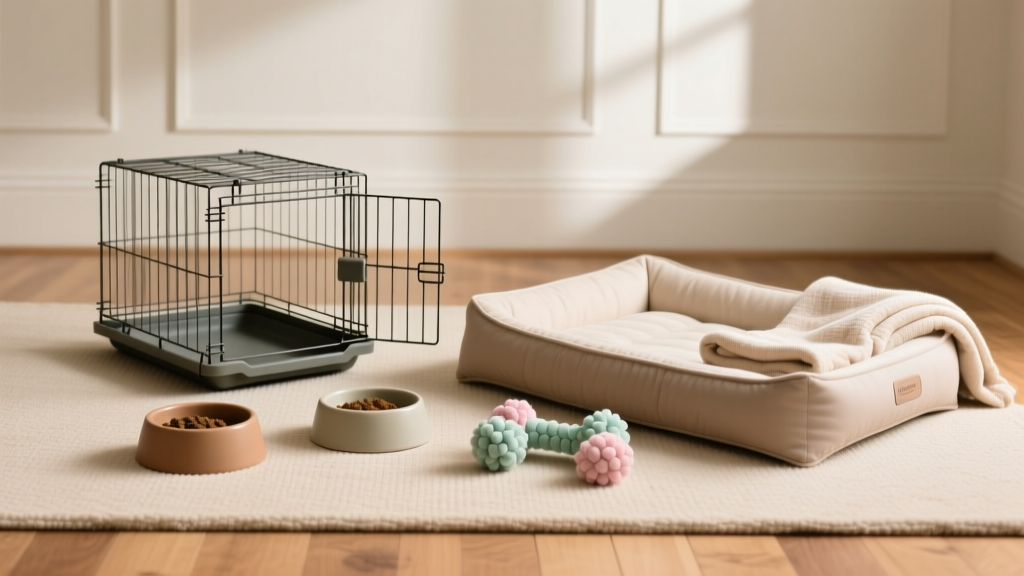
| Supplies (crate, bed, leash, bowls, toys, grooming tools) | $300 | $500 | $900 |
| Training classes (puppy socialization + basic obedience) | $150 | $350 | $600 |
| Pet insurance (12 months) | $420 | $600 | $960 |
| Grooming (professional, Chow Chow coat requires regular care) | $400 | $720 | $1,200 |
| Licensing | $10 | $25 | $50 |
| Miscellaneous (treats, waste bags, cleaning supplies) | $150 | $250 | $400 |
| TOTAL FIRST YEAR | $2,960 | $6,525 | $12,300 |
The medium estimate of roughly $6,500 is what most new Chow Chow owners purchasing from a reputable breeder should budget for the first 12 months. Rescue adopters can expect to spend closer to $3,000–$4,500 since adoption fees typically cover spay/neuter and initial vaccines.
Ongoing Monthly Costs of Owning a Chow Chow
After the first-year surge, your costs settle into a predictable monthly rhythm. Chow Chows are medium-to-large dogs (adult weight typically 45–70 lb / 20–32 kg), which puts them in a moderate cost bracket for food and medications.
| Monthly Expense | Low | Medium | High |
|---|---|---|---|
| Food (premium kibble or balanced diet) | $40 | $60 | $90 |
| Treats and chews | $10 | $20 | $35 |
| Flea/tick/heartworm prevention | $15 | $25 | $40 |
| Pet insurance premium | $35 | $50 | $80 |
| Grooming (Chow Chows need brushing 3–4x/week; professional grooming every 6–8 weeks) | $35 | $60 | $100 |
| Toys, enrichment, replacement supplies | $10 | $20 | $35 |
| Dog walking or daycare (if needed) | $0 | $100 | $400 |
| TOTAL MONTHLY | $145 | $335 | $780 |
The grooming line item deserves special attention. Chow Chows have a dense double coat that mats easily if neglected. Professional groomers charge $65–$120 per session for a Chow Chow due to the time-intensive brushing, bathing, and blow-dry required. Some owners invest in a high-velocity dryer ($100–$200) and professional-grade slicker brushes (like the Chris Christensen Big G, ~$65) to handle grooming at home, which can reduce professional visits to 3–4 times per year.
Annual Costs Beyond the Monthly Basics
Several expenses hit once or twice per year rather than monthly. Budget for these separately:
- Annual vet wellness exam: $80–$200 (urban clinics trend higher)
- Vaccine boosters: $80–$180 depending on which vaccines your vet recommends based on your dog's lifestyle and local disease prevalence
- Dental cleaning under anesthesia: $400–$900 (recommended annually or biannually; Chow Chows are prone to dental disease)
- Dog license renewal: $10–$50 depending on your municipality
- Boarding or pet sitting: $40–$85 per night; a week-long vacation adds $280–$595
- Continued training or behavioral support: $50–$150 per session if working with a certified trainer for the Chow Chow's characteristic stubbornness or leash reactivity
These annual costs typically add $700–$2,100 to your yearly budget on top of monthly expenses.
Emergency Fund: How Much Should You Set Aside?
Recommended Emergency Fund: $2,000–$5,000
Chow Chows carry breed-specific health risks that can result in sudden, expensive veterinary emergencies. Here's what common urgent scenarios cost in 2026:
- Hip dysplasia surgery (total hip replacement): $3,500–$7,000 per hip
- Entropion surgery (eyelid correction, common in Chows): $1,500–$3,500
- Emergency bloat/GDV surgery: $3,000–$7,500
- Hospitalization for heatstroke (Chow Chows are extremely heat-sensitive): $1,500–$5,000
- Emergency after-hours vet visit (exam + diagnostics): $300–$800 before treatment
- Hot spot treatment and secondary skin infection: $200–$600 (their thick coat traps moisture, making this common)
The American Veterinary Medical Association (AVMA) recommends that all pet owners maintain a dedicated emergency fund or carry pet insurance to cover unexpected costs. For Chow Chows specifically, a $3,000 emergency reserve is a reasonable minimum, given the breed's predisposition to orthopedic and ophthalmologic conditions that often require surgical intervention.
Emergency red flags — go to the nearest emergency vet immediately if your Chow Chow shows:
- Unproductive retching or a distended abdomen (possible GDV/bloat)
- Excessive panting, collapse, or blue-tinged gums in warm weather (heatstroke)
- Sudden hind limb weakness or inability to stand
- Facial swelling, hives, or difficulty breathing (allergic reaction)
- Seizures or loss of consciousness
Pet Insurance for Chow Chows: Is It Worth It?
Given the Chow Chow's health profile — hip dysplasia, elbow dysplasia, entropion, and autoimmune thyroiditis are all documented breed concerns — pet insurance is strongly worth considering. A single hip surgery can exceed the cost of a decade of premiums.
| Provider | Monthly Premium (Chow Chow, Age 1) | Annual Deductible | Reimbursement | Key Features |
|---|---|---|---|---|
| Trupanion | $55–$85 | $250–$1,000 | 90% | Direct vet pay, no payout caps, covers hereditary conditions |
| Healthy Paws | $40–$65 | $250–$500 | 70%–90% | Unlimited annual payouts, simple claim process |
| Embrace | $35–$60 | $200–$1,000 | 70%–90% | Diminishing deductible, wellness rewards add-on |
| Figo | $38–$62 | $100–$1,500 | 70%–100% | Live vet chat included, cloud-based claims |
| Lemonade | $25–$50 | $100–$500 | 70%–90% | Fast AI-driven claims, lower premiums, optional wellness |
Key considerations for Chow Chow owners:
- Enroll early. Most insurers will not cover pre-existing conditions. If your Chow develops hip dysplasia at age 3 and you didn't enroll at puppyhood, that surgery comes entirely out of pocket.
- Check hereditary condition coverage. All providers listed above cover hereditary and congenital conditions, but read the fine print. Some budget plans exclude them.
- Understand waiting periods. Typical waiting periods are 14 days for illness and 48 hours for accidents. Orthopedic conditions may have a 6–12 month waiting period with some insurers.
- Get a baseline exam. Most insurers require a vet exam within the first 14 days of enrollment to establish a health baseline.
For a Chow Chow puppy enrolled at 8–12 weeks old, expect to pay $40–$70 per month ($480–$840 annually) for a solid accident-and-illness plan. Over a 10-year lifespan, that's $4,800–$8,400 in premiums — a worthwhile trade if your dog ever needs a single major surgery.
Hidden Costs New Chow Chow Owners Miss
Beyond the obvious expenses, these costs frequently catch first-time owners by surprise:
- Home damage during puppyhood: Chewed baseboards, scratched doors, and ruined furniture can add $200–$1,000+ in repairs. Chow Chow puppies are powerful chewers.
- Yard fencing: Chow Chows are not known for recall reliability. A secure 6-foot fence is strongly recommended. Installation runs $1,500–$4,000 for an average yard if you don't already have one.
- Shedding cleanup: Chow Chows blow their coat 1–2 times per year, producing enormous amounts of fur. A quality vacuum (like a Dyson V15 or Shark Navigator, $200–$600) is essentially a breed-specific necessity.
- Dog walking services: If you work long hours, a daily dog walker charges $15–$30 per walk. That's $300–$600 per month in urban areas.
- Daycare: $25–$55 per day; however, note that Chow Chows' aloof temperament means some don't enjoy group daycare environments. Trial sessions are essential.
- Replacement supplies: Beds get chewed, leashes fray, crates need upgrading as puppies grow. Budget $100–$200 annually for replacements.
- Travel costs: Airlines charge $125–$200 each way for in-cabin pets (Chow Chows are too large for cabin travel on most airlines). Cargo transport for a dog this size runs $300–$800+ each way.
- Allergy testing: Chow Chows are prone to environmental and food allergies. Allergy panels cost $250–$600, and ongoing immunotherapy can add $100–$300 annually.
Cost Variations: Breed Size and Regional Differences
| Cost Category | Toy Breed (e.g., Chihuahua, 5–12 lb) | Medium Breed (e.g., Cocker Spaniel, 25–35 lb) | Large Breed (e.g., Chow Chow, 45–70 lb) | Giant Breed (e.g., Great Dane, 110–175 lb) |
|---|---|---|---|---|
| Annual food | $180–$300 | $300–$480 | $480–$720 | $720–$1,200 |
| Preventive medications | $120–$200 | $180–$300 | $240–$400 | $300–$500 |
| Spay/neuter | $200–$400 | $250–$500 | $350–$700 | $400–$900 |
| Boarding per night | $30–$50 | $40–$65 | $45–$75 | $55–$90 |
| Insurance monthly | $25–$45 | $35–$55 | $40–$70 | $55–$100 |
As a large breed, the Chow Chow sits in the higher cost tier for food, medications (most preventives are weight-based and cost more for heavier dogs), and surgical procedures (anesthesia dosing scales with body weight).
Regional cost differences also matter significantly:
- Urban areas (NYC, San Francisco, Seattle): Expect vet costs 30–50% higher than national averages. Grooming can run $100–$150 per session. Dog walkers charge $25–$35 per walk.
- Suburban areas: Costs typically align with national averages shown in this guide.
- Rural areas: Vet costs may be 15–25% lower, but access to specialized care (veterinary dermatologists, orthopedic surgeons) may require travel to a city, adding transportation costs.
- International: In the UK, Chow Chow puppies cost £1,500–£3,000; in Australia, AUD $2,500–$5,000. Veterinary costs in Western Europe and Australia are broadly comparable to US pricing.
Money-Saving Strategies Without Compromising Care
Owning a Chow Chow on a budget is possible without cutting corners on health or welfare. Here are proven strategies:
- Buy supplies in bulk. Large-breed kibble from brands like Purina Pro Plan, Royal Canin, or Hill's Science Diet is 15–25% cheaper per pound when purchased in 30+ lb bags. Store in airtight containers to maintain freshness.
- Use veterinary schools. If you live near a veterinary teaching hospital, routine care can cost 20–40% less while still providing excellent care supervised by board-certified veterinarians.
- Learn home grooming basics. Invest in a quality undercoat rake (like the Furminator for large dogs, ~$35), a slicker brush, and a high-velocity dryer. Mastering weekly brushing at home can reduce professional grooming visits from 6 to 2–3 per year, saving $200–$500 annually.
- Compare pharmacy prices. Many preventive medications (NexGard, Bravecto, Heartgard) can be purchased through verified online pharmacies like Chewy or 1-800-PetMeds for 20–40% less than in-clinic pricing. Always confirm the pharmacy is FDA-approved or Vet-VIPPS accredited.
- Ask about multi-pet discounts. Many insurers and veterinary clinics offer 5–10% discounts for households with multiple pets.
- Utilize low-cost vaccine clinics. Many communities offer annual low-cost vaccination events through local animal control or humane societies. Core vaccines can cost $10–$25 per shot versus $25–$50 at a private clinic.
- DIY enrichment. Frozen Kong toys stuffed with peanut butter, DIY snuffle mats made from fleece scraps, and scent work games in your yard provide excellent mental stimulation for under $10.
- Adopt, don't shop. If budget is a primary concern, adopting a Chow Chow from a breed-specific rescue (like the Chow Chow Welfare Trust or regional Chow rescues) provides a vetted, often already-trained dog for $300–$600, which typically includes spay/neuter, vaccines, and microchip — a savings of $2,000+ compared to buying from a breeder.
Chow Chow Health Costs: Breed-Specific Conditions to Budget For
The Chow Chow has several documented health predispositions that carry real treatment costs. Understanding these helps you budget proactively:
- Hip dysplasia: Prevalence estimated at 15–20% in the breed per OFA data. Management ranges from conservative ($500–$1,500/year for pain medication, joint supplements like Dasuquin Advanced, and physical therapy) to surgical ($3,500–$7,000 for total hip replacement).
- Entropion: Inward-rolling eyelids that irritate the cornea. Surgical correction costs $1,500–$3,500 and is often needed on both eyes.
- Autoimmune thyroiditis: Requires lifelong thyroid hormone supplementation (Soloxine/levothyroxine, $15–$30/month) plus semi-annual blood monitoring ($80–$150 per panel).
- Hot spots and skin infections: The dense coat traps moisture and debris. Treatment typically costs $150–$400 per episode for medicated shampoos, antibiotics, and possible sedation for clipping.
- Elbow dysplasia: Similar to hip dysplasia, with surgical options ranging from $1,500–$4,000 depending on the specific condition (fragmented coronoid process, ununited anconeal process).
Consult your veterinarian about a breed-appropriate health screening schedule. The Orthopedic Foundation for Animals maintains breed-specific health statistics that can help you understand relative risk.
Frequently Asked Questions
How much does a Chow Chow cost in the first year?
Expect to spend between $3,000 and $12,300 in your first year, with most owners spending around $6,500. This includes the purchase or adoption price, veterinary setup costs, supplies, food, grooming, training, and insurance. The first year is always the most expensive due to one-time startup costs.
What are the ongoing monthly costs of a Chow Chow?
Monthly costs range from $145 on a tight budget to $780 if you use dog walking or daycare services. Most Chow Chow owners spend $300–$400 per month on food, preventives, insurance, grooming, and miscellaneous supplies.
Is pet insurance worth it for a Chow Chow?
Yes, for most owners. Chow Chows are predisposed to hip dysplasia, entropion, and thyroid disease — all conditions that can cost thousands to treat. Enrolling a puppy at 8–12 weeks for $40–$70/month provides coverage before any conditions develop. The cost of a single hip replacement surgery ($3,500–$7,000) exceeds 5–8 years of premium payments.
How much should I budget for dog emergencies?
Maintain a dedicated emergency fund of $2,000–$5,000. Emergency vet visits start at $300–$800 for the exam alone, and common Chow Chow emergencies like bloat surgery or heatstroke hospitalization can exceed $5,000. If you carry pet insurance with a low deductible, a $2,000 fund may suffice to cover deductibles and non-covered expenses.
Which dog breeds cost the most and least to own?
The most expensive breeds to own are typically giant breeds (Great Danes, Saint Bernards) due to massive food costs, higher medication doses, and expensive surgical care, plus brachycephalic breeds (French Bulldogs, English Bulldogs) due to extensive health issues. The least expensive are small, generally healthy breeds like mixed-breed small dogs, Beagles, and Australian Cattle Dogs. The Chow Chow falls in the moderate-to-high cost range due to grooming needs and breed-specific health concerns.
Are Chow Chows expensive to groom?
Yes. Professional grooming for a Chow Chow costs $65–$120 per session, and they typically need grooming every 6–8 weeks. That's $400–$1,000 annually. Learning to brush and bathe your Chow at home can reduce professional visits and save $200–$500 per year.
Can I reduce Chow Chow ownership costs?
Yes, without compromising care. Buy food in bulk, learn home grooming, use vetted online pharmacies for preventives, take advantage of low-cost vaccine clinics, and consider veterinary teaching hospitals for routine care. These strategies can reduce annual costs by 20–35%.
Disclaimer: This guide provides general cost estimates for informational purposes. Actual costs vary by location, provider, and individual dog needs. Always consult your veterinarian for health-related decisions. For breed-specific health testing information, refer to the AKC Chow Chow page and the Orthopedic Foundation for Animals.
Jonas Cole
All our authors care for dogs every day — read more of their work on the authors page.