Best Non Shedding Dogs: Top Low-Shedding Breeds for 2026
Discover the best non shedding dogs for allergy sufferers and tidy homes. Compare 8 low-shedding breeds by size, cost, grooming needs, and health risks.

If you're tired of tumbleweeds of fur rolling across your hardwood floors or you're managing pet allergies, finding one of the best non shedding dogs can feel like a game-changer. But here's the reality check no breeder will volunteer: no dog is truly non-shedding. Every dog sheds some hair and produces dander. What we're really talking about are low-shedding breeds — dogs with hair-like coats that trap loose follicles rather than releasing them into your environment.
After years of helping families match with the right breed for their lifestyle and allergy needs, I've compiled this deep-dive comparison of the top low-shedding breeds available in 2026. We'll cover real costs, grooming demands, health risks, and which breeds actually deliver on the "hypoallergenic" promise.
What Makes a Dog Low-Shedding (And Why It Matters)
Dogs with low-shedding coats typically have hair rather than fur. The distinction isn't just semantic — hair grows continuously in a longer anagen (growth) phase, similar to human hair, while fur has a shorter growth cycle and sheds seasonally in large volumes. Low-shedding breeds include:
- Single-coated breeds with no undercoat (Poodles, Maltese, Yorkshire Terriers)
- Wire-coated breeds that trap dead hair until manually stripped (Schnauzers, some Terriers)
- Designer crosses bred specifically for low-shedding traits (Labradoodles, Goldendoodles — though results vary by generation)
For allergy sufferers, the American Kennel Club notes that allergens live primarily in dander (dead skin flakes), saliva, and urine — not the hair itself. Low-shedding dogs spread less dander simply because they release less hair into the environment. But individual reactions vary enormously, and spending time with a specific dog before committing is essential.
Buying Criteria: How to Choose the Right Low-Shedding Breed
- Allergy severity — Mild sensitivity opens more options; severe anaphylactic-level allergies narrow the field to Poodles and Maltese
- Size and living space — Apartment dwellers need breeds under 25 lb; homeowners have the full spectrum
- Grooming budget — Low-shedding dogs require professional grooming every 4-8 weeks ($50-$120/session)
- Exercise commitment — Ranges from 20 min/day (Bichon Frise) to 90+ min/day (Standard Poodle, Portuguese Water Dog)
- Family composition — Small children + tiny breeds = injury risk; multi-pet homes need sociable temperaments
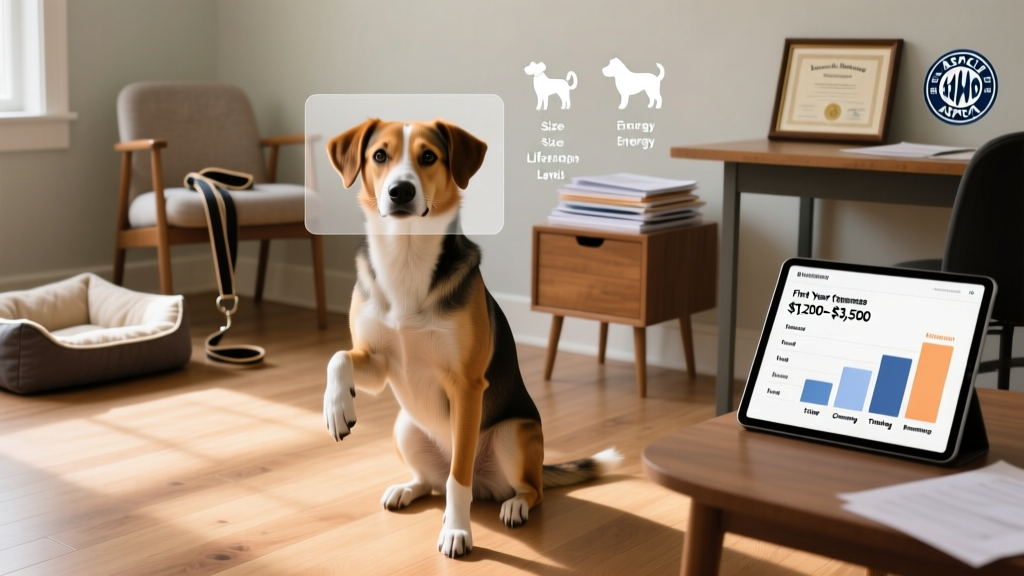
- Total first-year cost — Purchase price + veterinary + grooming + supplies typically runs $3,500-$8,000+
Top 8 Best Non Shedding Dogs Compared
| Breed | Weight (lb/kg) | Height (in) | Lifespan | Shed Level | Grooming Freq | Exercise/Day | Puppy Price |
|---|---|---|---|---|---|---|---|
| Toy/Miniature Poodle | 4-15 / 2-7 | 10-15 | 14-18 yrs | Very Low | Every 4-6 wks | 30-60 min | $1,500-$3,500 |
| Standard Poodle | 40-70 / 18-32 | 15+ | 12-15 yrs | Very Low | Every 4-6 wks | 60-90 min | $1,500-$4,000 |
| Maltese | 4-7 / 2-3 | 7-9 | 12-15 yrs | Very Low | Every 4-6 wks | 20-30 min | $1,500-$4,000 |
| Bichon Frise | 12-18 / 5-8 | 9.5-11.5 | 14-15 yrs | Very Low | Every 4-6 wks | 30-45 min | $1,000-$3,000 |
| Miniature Schnauzer | 11-20 / 5-9 | 12-14 | 12-15 yrs | Low | Every 5-8 wks | 45-60 min | $1,000-$3,000 |
| Yorkshire Terrier | 4-7 / 2-3 | 7-8 | 11-15 yrs | Very Low | Every 4-6 wks | 20-30 min | $1,500-$3,500 |
| Portuguese Water Dog | 35-60 / 16-27 | 17-23 | 11-13 yrs | Low | Every 6-8 wks | 60-90 min | $2,000-$4,500 |
| Soft Coated Wheaten Terrier | 30-45 / 14-20 | 17-19 | 12-14 yrs | Low | Every 6-8 wks | 45-60 min | $1,500-$3,500 |
Detailed Breed Breakdown: Pros, Cons, and Real Costs
1. Poodle (Toy, Miniature, and Standard)
The Poodle remains the gold standard for low-shedding breeds — and for good reason. Originally bred as water retrievers in Germany (not France, despite the common association), Poodles are the second-most intelligent breed according to AKC breed standards. Their single-layer curly coat traps shed hair, which is then removed during brushing or grooming appointments.
- Highest allergy-friendly reliability of any breed
- Three size options fit any living situation
- Exceptionally trainable; excels in obedience and agility
- Long lifespan, especially Toy/Miniature varieties
- Low dander production
- Grooming costs: $60-$120 every 4-6 weeks ($720-$1,440/year)
- Prone to separation anxiety if under-stimulated
- Standard Poodles need serious daily exercise
- Matting occurs within days without brushing
- Higher risk of Addison's disease and bloat (Standards)
Annual cost estimate: $2,800-$4,500 (food, grooming, preventive vet care, insurance)
2. Maltese
This ancient breed — depicted in art dating back to 500 BCE — sports a long, silky single coat with no undercoat. Maltese hair grows continuously and sheds minimally. They're ideal for apartment dwellers and allergy sufferers who want a compact companion.
- Extremely low allergen output
- Perfect for apartments and small spaces
- Affectionate, gentle temperament
- Low exercise requirements
- Long lifespan (12-15 years)
- Fragile — not suitable for homes with toddlers or large dogs
- Daily brushing required if kept in full coat
- Prone to tear staining and dental disease
- Can develop separation anxiety
- Difficult to house-train in cold climates
Annual cost estimate: $2,200-$3,800
3. Bichon Frise
The Bichon's double coat — a soft undercoat beneath a curly outer coat — might seem contradictory for a low-shedding breed. But their coat structure traps loose hair effectively, and with regular grooming, very little escapes into the home. Originally companion dogs for French and Spanish nobility, Bichons are cheerful, adaptable, and sturdy for their size.
- Sturdy build for a small breed — good with gentle children
- Cheerful, outgoing personality
- Low-shedding coat with regular maintenance
- Highly social; adapts to multi-pet households
- Relatively easy to train with positive reinforcement
- Grooming every 4-6 weeks is non-negotiable ($50-$80/session)
- Prone to allergies and skin sensitivities
- Can bark excessively without training
- Bladder stones are a breed-specific concern
- Not ideal for owners who work 10+ hour days
Annual cost estimate: $2,500-$4,000
4. Miniature Schnauzer
Wire-coated breeds like the Miniature Schnauzer shed differently than single-coated breeds. Dead hair gets caught in the wiry outer coat and must be removed through hand-stripping or clipping. Without this maintenance, they can still leave some hair behind — but it's dramatically less than a Labrador or German Shepherd.
- Sturdy, athletic build in a manageable size
- Alert watchdog without excessive aggression
- Good with children and other pets when socialized
- Lower grooming cost than Poodles ($40-$70/session)
- Highly food-motivated = easier training
- Prone to pancreatitis — requires careful diet management
- Vocal breed; not ideal for thin-walled apartments
- High prey drive with small animals (hamsters, rabbits)
- Coat can become wiry and uncomfortable if not maintained
- Risk of bladder stones and eye conditions
Annual cost estimate: $2,300-$3,800
5. Yorkshire Terrier
Yorkies have fine, silky hair that closely resembles human hair in texture and growth pattern. They shed very little, but their coat requires daily brushing when kept long or regular trims in a "puppy cut" for easier maintenance. According to the Merck Veterinary Manual, Yorkies are predisposed to tracheal collapse — use a harness instead of a collar to protect their airway.
- Minimal shedding with proper coat care
- Bold, confident personality despite small size
- Excellent travel companion
- Long lifespan (11-15 years)
- Low food costs due to small size
- Extremely fragile — injury risk from falls or rough handling
- Notoriously difficult to house-train
- Dental disease onset often before age 3
- Can be snappy if not properly socialized
- High grooming costs relative to size
Annual cost estimate: $2,400-$4,200
6. Portuguese Water Dog
Made famous by the Obama family's dogs Bo and Sunny, the Portuguese Water Dog (PWD) is a robust, athletic breed with a curly or wavy single coat. They're the best choice on this list for active families who want a larger dog that won't fill the house with fur. Originally bred to assist fishermen along Portugal's coast, PWDs are natural swimmers with serious stamina.
- Athletic, versatile companion for hiking, swimming, agility
- Good family dog with proper exercise
- Single coat sheds minimally
- Intelligent and trainable
- Sturdy enough for active children
- Requires 60-90 minutes of vigorous exercise daily
- Not suited for sedentary households
- Purchase price: $2,000-$4,500 (limited breeder pool)
- Prone to hip dysplasia and GM1 storage disease
- Can be mouthy and boisterous as adolescents
Annual cost estimate: $3,200-$5,000
7. Soft Coated Wheaten Terrier
This Irish breed has a distinctive soft, wavy coat that sheds very little but requires consistent grooming to prevent matting. Wheatens are medium-sized, good-natured, and less common than Poodles or Schnauzers — which can mean longer waitlists but also more dedicated breeders performing thorough health testing.
- Friendly, people-oriented temperament
- Good size for families (30-45 lb)
- Low shedding with regular grooming
- Playful "forever puppy" personality
- Less common = fewer puppy mills exploiting the breed
- Protein-losing nephropathy (PLN) — a serious kidney condition affecting the breed
- Slow to mature; puppy behavior persists 3-4 years
- Can jump fences when chasing prey
- Limited breeder availability in some regions
- Coat matting happens quickly without daily brushing
Annual cost estimate: $2,800-$4,500
8. Labradoodle / Goldendoodle (F1B Generation)
Doodle crosses deserve a mention with a strong caveat: only F1B or multigenerational lines consistently produce low-shedding coats. An F1 Labradoodle (first-generation Labrador × Poodle cross) has roughly a 50% chance of inheriting a shedding coat. F1B puppies (F1 doodle × Poodle backcross) have a much higher probability of the low-shedding Poodle coat type. Always request coat-testing results from breeders.
- F1B coats are reliably low-shedding
- Friendly, social temperament from both parent breeds
- Multiple size options (mini, medium, standard)
- Hybrid vigor may reduce some inherited disease risk
- Widely available from breeders and rescues
- Coat type is NOT guaranteed without genetic testing
- Wide price range: $1,500-$5,000+ (beware backyard breeders)
- Health testing varies enormously by breeder — buyer must verify
- High-energy dogs needing 60+ min exercise daily
- Grooming can be more complex due to varied coat textures
Annual cost estimate: $3,000-$5,200
The Real Cost of Owning a Low-Shedding Dog
Many prospective owners focus on the puppy purchase price and underestimate ongoing costs. Here's a realistic first-year budget breakdown for a typical low-shedding breed:
| Expense Category | Low End | Typical | High End |
|---|---|---|---|
| Puppy purchase | $1,000 | $2,500 | $5,000 |
| Initial vet (vaccines, spay/neuter, microchip) | $500 | $800 | $1,200 |
| Professional grooming (8-10 sessions/year) | $400 | $700 | $1,200 |
| High-quality food | $300 | $500 | $800 |
| Preventive medications (flea/tick, heartworm) | $200 | $350 | $500 |
| Pet insurance (optional but recommended) | $400 | $600 | $900 |
| Supplies (crate, bed, leash, toys, grooming tools) | $200 | $400 | $700 |
| First-year total | $3,000 | $5,850 | $10,300 |
Health Risks Common to Low-Shedding Breeds
While low-shedding breeds avoid the mess of heavy shedding, they carry their own set of health predispositions. Here's what to discuss with your veterinarian and what to screen for when selecting a breeder:
| Breed | Key Health Risks | Recommended Screening | Estimated Treatment Cost |
|---|---|---|---|
| Poodle (Standard) | Bloat (GDV), Addison's disease, hip dysplasia | OFA hips, thyroid panel | $3,000-$7,000 (bloat surgery) |
| Poodle (Toy/Mini) | Luxating patella, dental disease, epilepsy | OFA patella, cardiac exam | $1,500-$3,500 (patella surgery) |
| Maltese | Dental disease, tracheal collapse, white shaker syndrome | Cardiac exam, tracheal evaluation | $2,000-$5,000 (tracheal stent) |
| Bichon Frise | Bladder stones, allergies, patellar luxation | Urinalysis baseline, OFA patella | $1,500-$4,000 (stone removal) |
| Mini Schnauzer | Pancreatitis, bladder stones, cataracts | Lipid panel, OFA eyes | $2,000-$5,000 (pancreatitis hospitalization) |
| Yorkshire Terrier | Tracheal collapse, portosystemic shunt, dental disease | Bile acids test, tracheal imaging | $3,000-$8,000 (liver shunt surgery) |
| Portuguese Water Dog | Hip dysplasia, GM1 storage disease, PRA | OFA hips, GM1 DNA test, CERF eyes | $4,000-$7,000 (total hip replacement) |
| Soft Coated Wheaten Terrier | Protein-losing nephropathy (PLN), Addison's disease | Renal panel, PLN DNA marker test | $3,000-$6,000 (ongoing PLN management) |
Always consult your veterinarian about breed-specific screening and preventive care plans. Responsible breeders will provide health clearances from the Orthopedic Foundation for Animals (OFA) or equivalent testing organizations for both parent dogs.
Grooming Essentials: Keeping Low-Shedding Coats Healthy
Low-shedding doesn't mean low-maintenance. Here's a step-by-step grooming protocol that prevents matting and keeps your dog comfortable between professional appointments:
- Brush daily (or at minimum every other day) using a slicker brush followed by a metal comb. Work in sections from skin outward — surface brushing misses tangles at the base.
- Use a detangling spray before brushing to reduce breakage. Products like Chris Christensen Ice on Ice or similar leave-in conditioners protect the hair shaft.
- Check high-friction zones first: behind the ears, armpits, groin, and around the collar. These areas mat fastest.
- Bathe every 3-4 weeks with a dog-specific, pH-balanced shampoo. Human shampoo disrupts the canine skin acid mantle (pH 6.2-7.4 vs. human 5.5).
- Blow-dry completely after every bath. Air-drying a curly coat encourages matting close to the skin.
- Schedule professional grooming every 4-8 weeks depending on coat type and length preference.
- Trim facial hair regularly to prevent tear staining (especially in Maltese and Bichons).
Where to Find Low-Shedding Dogs: Breeders vs. Rescue
You have two ethical paths to bringing home a low-shedding dog:
Responsible Breeders
Look for breeders who:
- Perform and share OFA or PennHIP health clearances on both parents
- Offer a written health guarantee (minimum 2 years for genetic conditions)
- Have a take-back clause requiring the dog be returned to them at any point if you cannot keep it
- Allow you to visit the breeding facility and meet the dam
- Are registered with AKC, UKC, or a recognized breed-specific registry
Rescue and Adoption
Breed-specific rescues for Poodles, Schnauzers, and Bichons exist in most US regions. Platforms like Petfinder and Adopt-a-Pet allow you to filter by breed and coat type. Adult dogs from rescues let you assess shedding and allergy compatibility before committing — a significant advantage over puppies whose adult coat hasn't fully developed.
Adoption fees: Typically $200-$600, often including spay/neuter, vaccinations, and microchip — making rescue significantly more affordable than purchasing from a breeder.
Frequently Asked Questions
What is the best non shedding dog for allergy sufferers?
The Poodle (all sizes) consistently ranks as the most allergy-friendly breed due to minimal dander production and a coat that traps shed hair. Maltese and Bichon Frise are close runners-up for those preferring smaller dogs. However, individual allergic reactions vary — always spend at least 2-3 hours with a specific dog before committing.
Are Goldendoodles really non-shedding?
Not reliably. Only F1B generation Goldendoodles (a Goldendoodle crossed back to a Poodle) consistently inherit low-shedding coats. F1 (first-generation) Goldendoodles have approximately a 50% chance of shedding moderately. Always ask breeders for coat-type genetic testing results (specifically the FGF5 gene) before purchasing.
How much does a low-shedding dog cost annually?
Budget $2,200-$5,200 per year depending on breed size, grooming frequency, and your region. Grooming is the largest variable — small breeds like Maltese cost $400-$700/year in grooming, while Standard Poodles or Portuguese Water Dogs can cost $900-$1,400/year.
Do low-shedding dogs need professional grooming?
Yes. Without professional grooming every 4-8 weeks, low-shedding coats mat severely, leading to skin infections, pain, and in extreme cases, restricted circulation to limbs. If you're committed to home grooming, invest in professional-grade clippers ($150-$300) and take a grooming course specific to your breed's coat type.
Can I adopt a low-shedding dog from a shelter?
Absolutely. Breed-specific rescues for Poodles, Schnauzers, Bichons, and Yorkies operate across the US. Search Petfinder.com filtering by breed. Many shelters also have mixed-breed dogs with Poodle or Terrier ancestry that shed minimally — ask shelter staff about coat type observations.
When should I see a veterinarian about my dog's shedding?
If your supposedly low-shedding dog suddenly begins shedding heavily, this can signal hypothyroidism, Cushing's disease, nutritional deficiency, or stress-related telogen effluxion. Schedule a veterinary exam with bloodwork including a full thyroid panel. Sudden coat changes are never normal and warrant professional evaluation.
Dr. Hannah Wickes
All our authors care for dogs every day — read more of their work on the authors page.