Best Dog Breed for Seniors: Top Picks, Costs & Care Guide (2026)
Discover the best dog breed for seniors with our 2026 guide covering top breeds, costs, health needs, temperament, and practical adoption tips.

Choosing the best dog breed for seniors isn't about finding a single "perfect" breed — it's about matching a dog's physical needs, temperament, and care requirements to the senior's lifestyle, mobility, and budget. This guide breaks down the top breeds that consistently succeed in senior households, with real costs, health data, and practical guidance.
Why the Right Breed Matters for Senior Dog Owners
Dog ownership offers measurable health benefits for older adults. A 2019 study published in Circulation: Cardiovascular Quality and Outcomes found that dog owners had a 24% reduced risk of all-cause mortality compared to non-owners, with even stronger benefits for those living alone. But these benefits depend on the dog-human match being sustainable.
A mismatch — say, a 75-year-old with limited mobility adopting a Border Collie — leads to stress for both. The senior can't meet the dog's exercise needs, the dog develops behavioral problems from under-stimulation, and the relationship breaks down. The breeds in this guide share traits that reduce mismatch risk: moderate energy, manageable size, strong social bonds, and relatively predictable health profiles.
Top 7 Best Dog Breeds for Seniors: Detailed Profiles
1. Cavalier King Charles Spaniel
| Weight | 13–18 lb (5.9–8.2 kg) |
| Height | 12–13 in (30–33 cm) |
| Lifespan | 12–15 years |
| Energy | Low–Moderate (20–30 min/day) |
| Grooming | Moderate (brushing 3x/week) |
| Family Fit | Excellent — gentle, affectionate lap dog |
The Cavalier King Charles Spaniel tops most senior recommendation lists for good reason. These dogs are bred for companionship — they want to be touching their person at all times. They walk happily for 20 minutes, then settle into a lap for hours. Their AKC breed standard describes them as "affectionate, gentle, and graceful."
- Extremely affectionate, velcro temperament
- Small enough to lift easily
- Low exercise requirements
- Good with visitors and other pets
- Adapts to apartment living
- Mitral valve disease affects ~50% by age 5
- Prone to separation anxiety
- Moderate shedding
- Higher purchase price ($2,500–$4,500 from a responsible breeder)
Annual care cost estimate: $1,800–$3,200 (higher end reflects cardiac monitoring and medications for mitral valve disease, which many Cavaliers develop).
2. Bichon Frise
| Weight | 12–18 lb (5.4–8.2 kg) |
| Height | 9.5–11.5 in (24–29 cm) |
| Lifespan | 14–15 years |
| Energy | Moderate (30–40 min/day) |
| Grooming | High (professional grooming every 4–6 weeks) |
| Family Fit | Excellent — cheerful, hypoallergenic coat |
Bichons are cheerful, sturdy little dogs that thrive on human interaction. Their hypoallergenic coat makes them a top choice for seniors with allergies. They're playful but not hyperactive — expect short bursts of zoomies followed by long cuddle sessions.
- Hypoallergenic, minimal shedding
- Cheerful disposition, rarely aggressive
- Highly trainable with positive reinforcement
- Long lifespan
- Sturdy for their size
- Grooming costs add up ($300–$540/year)
- Prone to allergies and skin issues
- Can be difficult to house-train
- Prone to patellar luxation
Annual care cost estimate: $1,500–$2,400 (grooming is the primary added expense compared to short-coated breeds).
3. Pug
| Weight | 14–18 lb (6.4–8.2 kg) |
| Height | 10–13 in (25–33 cm) |
| Lifespan | 13–15 years |
| Energy | Low (15–25 min/day) |
| Grooming | Low–Moderate (weekly brushing, facial fold cleaning) |
| Family Fit | Excellent — clownish, devoted companion |
Pugs are the ultimate low-effort companion. They genuinely prefer lounging on a couch to hiking. Their short coat needs minimal grooming, and their exercise needs are easily met with short walks. As a brachycephalic (flat-faced) breed, they actually shouldn't do strenuous exercise, especially in heat — which aligns well with limited-mobility seniors.
- Very low exercise requirements
- Minimal grooming
- Highly sociable, good humor
- Sturdy and compact
- Rarely aggressive
- Brachycephalic obstructive airway syndrome (BOAS) risk
- Heavy shedding despite short coat
- Prone to obesity
- Eye problems (corneal ulcers, dry eye)
- Heat intolerance — dangerous above 80°F (27°C)
Annual care cost estimate: $1,400–$2,800 (BOAS management and eye care can push costs higher).
4. Shih Tzu
| Weight | 9–16 lb (4.1–7.3 kg) |
| Height | 9–10.5 in (23–27 cm) |
| Lifespan | 10–18 years |
| Energy | Low (15–20 min/day) |
| Grooming | High (daily brushing if long coat; puppy cut reduces to weekly) |
| Family Fit | Excellent — bred specifically for companionship |
The Shih Tzu was literally bred to sit in laps — Chinese royalty kept them as companion dogs for centuries. They have almost zero working drive, which means they're genuinely content with indoor living and short walks. Keep the coat in a "puppy cut" (1–2 inches) to reduce grooming to a weekly brush and professional trim every 6–8 weeks.
- Bred purely for companionship
- Very low exercise needs
- Generally good with strangers and other animals
- Long lifespan (some reach 16–18 years)
- Hypoallergenic coat (when maintained)
- Brachycephalic — heat and breathing concerns
- Stubborn during training
- Prone to eye injuries (proptosis)
- Grooming costs if coat kept long
- Difficult to house-train
Annual care cost estimate: $1,300–$2,500.
5. Miniature or Toy Poodle
| Weight | Toy: 4–6 lb (1.8–2.7 kg); Mini: 10–15 lb (4.5–6.8 kg) |
| Height | Toy: ≤10 in (25 cm); Mini: 10–15 in (25–38 cm) |
| Lifespan | 10–18 years |
| Energy | Moderate (30–45 min/day) |
| Grooming | High (professional grooming every 4–6 weeks) |
| Family Fit | Very good — intelligent, trainable, hypoallergenic |
Poodles are significantly smarter than most breeds (ranked #2 in Stanley Coren's intelligence rankings), which makes them highly trainable but also means they need mental stimulation. Puzzle toys, short training sessions, and scent games keep them happy without requiring intense physical activity. Miniature Poodles are the sweet spot for seniors — sturdier than Toys but still manageable.
- Exceptionally intelligent and trainable
- Hypoallergenic, non-shedding coat
- Versatile — enjoys walks, games, or lounging
- Long lifespan
- Fewer breed-specific health issues than many purebreds
- Grooming costs ($300–$600/year)
- Needs mental stimulation or may develop nuisance barking
- Prone to anxiety if under-socialized
- Toy Poodles are fragile — risk of injury from falls
Annual care cost estimate: $1,600–$2,600.
6. French Bulldog
| Weight | 16–28 lb (7.3–12.7 kg) |
| Height | 11–13 in (28–33 cm) |
| Lifespan | 10–12 years |
| Energy | Low–Moderate (20–30 min/day) |
| Grooming | Low (weekly brushing, facial fold cleaning) |
| Family Fit | Very good — adaptable, low-activity companion |
French Bulldogs are the most popular breed in the U.S. for a reason — they're adaptable, low-energy, and deeply bonded to their owners. They don't need a yard, they don't bark excessively, and they're content with short walks. Their sturdy build (heavier than they look) means they're less fragile than some toy breeds.
- Very adaptable to apartment living
- Low exercise needs
- Minimal grooming
- Rarely barks without cause
- Strong bond with owner
- Severe BOAS risk — many need surgical intervention
- Shorter lifespan (10–12 years)
- Very high purchase price ($3,000–$6,000+)
- Heat intolerance — cannot be left outdoors in warm weather
- High vet bills due to breed-specific conditions
Annual care cost estimate: $2,000–$4,000 (Frenchies have some of the highest breed-specific veterinary costs among small breeds due to respiratory, spinal, and skin issues).
7. Greyhound (Retired Racing)
| Weight | 50–70 lb (23–32 kg) |
| Height | 25–30 in (64–76 cm) |
| Lifespan | 10–14 years |
| Energy | Low (despite racing reputation — "45 mph couch potatoes") |
| Grooming | Very low (short coat, minimal shedding) |
| Family Fit | Good for active seniors — gentle, quiet, affectionate |
This one surprises people. Greyhounds are sprinters, not endurance athletes — they run fast for short distances, then sleep for hours. Retired racing Greyhounds are typically 2–5 years old, already leash-trained, crate-trained, and accustomed to routine. Adoption fees through groups like Greyhound adoption programs run $250–$500, making them one of the most affordable options. The caveat: they're larger (harder to lift), have a strong prey drive (need leashed walks), and need a soft bed to prevent pressure sores due to low body fat.
- Surprisingly low-energy indoors
- Very low grooming needs
- Gentle, quiet temperament
- Low adoption cost
- Already trained (retired racers)
- Few breed-specific health problems
- Large size — harder to manage physically
- High prey drive — must be leashed outdoors
- Needs soft bedding (prone to pressure sores)
- Sensitive to anesthesia (unique metabolism)
- Not ideal for homes with cats or small dogs
Annual care cost estimate: $1,200–$1,800 (lower than most breeds due to fewer hereditary conditions).
Breed Comparison Table
| Breed | Weight | Exercise/Day | Grooming Cost/Year | Hypoallergenic | Est. Annual Care |
|---|---|---|---|---|---|
| Cavalier King Charles Spaniel | 13–18 lb | 20–30 min | $0–$200 | No | $1,800–$3,200 |
| Bichon Frise | 12–18 lb | 30–40 min | $300–$540 | Yes | $1,500–$2,400 |
| Pug | 14–18 lb | 15–25 min | $0–$100 | No | $1,400–$2,800 |
| Shih Tzu | 9–16 lb | 15–20 min | $250–$480 | Yes (with upkeep) | $1,300–$2,500 |
| Miniature Poodle | 10–15 lb | 30–45 min | $300–$600 | Yes | $1,600–$2,600 |
| French Bulldog | 16–28 lb | 20–30 min | $0–$100 | No | $2,000–$4,000 |
| Greyhound (Retired) | 50–70 lb | 20–30 min | $0 | No | $1,200–$1,800 |
Acquisition Costs: What You'll Actually Pay
The initial cost of acquiring a dog varies dramatically depending on source. Here's what to expect in 2026:
| Source | Typical Cost | What's Included |
|---|---|---|
| Responsible breeder | $1,500–$6,000+ | Health testing (OFA/PennHIP), first vaccines, dewclaw removal, health guarantee, take-back clause, AKC registration |
| Breed-specific rescue | $300–$600 | Spay/neuter, vaccines, microchip, basic vet exam, behavioral assessment |
| General shelter/rescue | $50–$350 | Spay/neuter, vaccines, microchip, vet exam |
| Senior dog programs | $0–$150 | Many shelters offer reduced-fee adoption for seniors adopting senior dogs |
⚠️ Avoid Puppy Mills and Backyard Breeders
If a breeder can't show you OFA (Orthopedic Foundation for Animals) health clearances for both parents, won't let you visit the facility, has multiple litters available year-round, or insists on payment through untraceable methods — walk away. Reputable breeders typically have waitlists of 3–12 months. Adoption through a rescue or shelter is always a valid and often excellent alternative, especially for seniors who may prefer an adult dog with a known temperament.
Matching a Dog to Your Specific Senior Lifestyle
Not all seniors have the same needs. Here's a decision framework to narrow your choice:
-
If you have limited mobility or use a walker/wheelchair:
→ Cavalier King Charles Spaniel, Shih Tzu, or Pug. These breeds need minimal exercise and stay close to their owner. Avoid larger breeds or dogs that pull on leash. -
If you have allergies:
→ Miniature Poodle or Bichon Frise. Both have hair (not fur) and produce less dander. Note: no dog is truly 100% hypoallergenic — spend time with the breed before committing. -
If you're on a fixed income:
→ Retired Greyhound (low adoption fee, low vet costs) or adopt a senior mixed-breed from a shelter. Avoid French Bulldogs and Cavaliers due to high breed-specific medical costs. -
If you travel frequently or live in assisted living:
→ Small breeds (under 20 lb) are more likely to be accepted in pet-friendly housing and are easier to transport. Cavaliers, Bichons, and Shih Tzus are commonly accepted in senior living communities. -
If you want a dog for home security:
→ Miniature Poodles and Bichons are alert barkers — they'll announce visitors without being aggressive. Avoid breeds promoted as "guard dogs," which require experienced handling and are unsuitable for most senior households.
Essential Products for Senior Owners with Dogs
Beyond choosing the right breed, a few products make dog care significantly easier for seniors with limited mobility or strength:
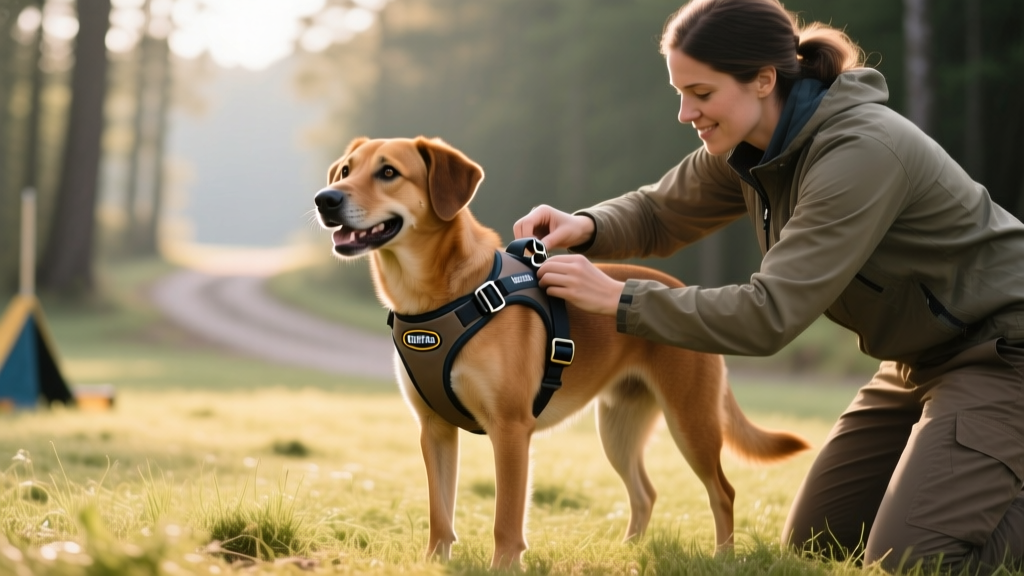
- No-pull harness (front-clip): Brands like the Ruffwear Front Range ($40–$50) or Kurgo Tru Fit ($30–$40) reduce leash pulling, which is critical for seniors at risk of falls.
- Raised food bowls: Elevating bowls 4–8 inches off the floor reduces bending. The PetFusion Elevated Bowl ($35–$55) is adjustable and sturdy.
- Poop bag holder with long handle: The DooBuddy ($15–$20) extends reach so you don't need to bend fully.
- Dog ramp or stairs: For small dogs that need to get on furniture or into vehicles. The PetSafe CozyUp Folding Ramp ($40–$70) supports up to 150 lb.
- Automatic feeder: The PETLIBRO Granary ($50–$90) dispenses measured meals on a schedule — helpful if memory issues or medication schedules make consistent feeding times difficult.
First-Year Budget: Realistic Cost Breakdown
Beyond acquisition, here's what to budget for the first year with a small companion breed:
| Expense | Low | Medium | High |
|---|---|---|---|
| Food (quality kibble or wet) | $200 | $400 | $700 |
| Routine vet care (2 visits + vaccines) | $300 | $500 | $800 |
| Heartworm/flea/tick prevention | $150 | $250 | $400 |
| Grooming (if applicable) | $0 | $350 | $600 |
| Pet insurance (optional) | $360 | $600 | $1,200 |
| Supplies (bed, leash, bowls, crate) | $100 | $250 | $500 |
| Total (excluding acquisition) | $1,110 | $2,350 | $4,200 |
Consider pet insurance carefully. For seniors on fixed incomes, a single emergency vet visit ($1,500–$5,000+) can be financially devastating. Pet insurance premiums for a small-breed puppy average $30–$100/month depending on coverage. Companies like Trupanion, Healthy Paws, and Nationwide offer senior-friendly plans. However, pre-existing conditions are excluded — enroll early.
Adopting vs. Buying: What Seniors Should Know
Both adoption and purchasing from a responsible breeder are valid paths. Here's how they compare for senior buyers:
Adoption advantages: Lower cost, adult dogs with known temperaments, many rescue organizations offer trial periods and ongoing support. Senior dogs (7+ years) are often already calm, house-trained, and past the destructive puppy phase. Many shelters have "seniors for seniors" programs with reduced fees.
Adoption challenges: Unknown medical history, potential behavioral issues from prior trauma, limited breed selection.
Responsible breeder advantages: Predictable health and temperament, health guarantees, ongoing breeder support, known genetic history. You can select a puppy from lower-energy lines.
Responsible breeder challenges: Higher cost, waitlists, the puppy stage requires more energy and patience than many seniors want to invest.
My recommendation: For most seniors, adopting a 2–7 year old adult dog through a breed-specific rescue offers the best balance of known temperament, lower cost, and reduced puppy-stage demands. Contact the AKC Rescue Network to find breed-specific rescues near you.
🏥 When to Consult Your Veterinarian
Regardless of breed, schedule a veterinary wellness exam within 2 weeks of bringing any new dog home. Discuss:
- Appropriate vaccination schedule (especially if adopting with unknown history)
- Breed-specific screening tests (cardiac echo for Cavaliers, patella evaluation for small breeds, hip radiographs for Greyhounds)
- Weight management plan — obesity worsens joint pain and respiratory issues
- Dental care plan — small breeds are especially prone to periodontal disease
- Appropriate preventive medications for your region
Always consult your veterinarian before making decisions about your dog's health, diet, or exercise program.
Frequently Asked Questions
What is the best dog breed for seniors who live alone?
The Cavalier King Charles Spaniel and Bichon Frise are top choices for seniors living alone. Both breeds form intense bonds with their owners, provide constant companionship, and are small enough to manage independently. The key is choosing a dog whose energy level matches your activity capacity — a bored, under-exercised dog creates more stress than companionship.
Are mixed-breed dogs a good option for seniors?
Absolutely. Mixed-breed dogs often benefit from hybrid vigor — greater genetic diversity can reduce the risk of breed-specific inherited diseases. An adult mixed-breed from a shelter gives you a known temperament and size at a fraction of the cost of a purebred. Ask the shelter about the dog's behavior assessment, energy level, and any known medical history.
What is the lowest-maintenance dog breed for seniors?
The Greyhound and Pug tie for lowest maintenance in different ways. Greyhounds need minimal grooming, have few health issues, and sleep most of the day — but they're large. Pugs need minimal grooming, have very low exercise requirements, and are compact — but they have higher breed-specific health costs. For truly minimal care across all categories, a short-coated mixed-breed adult from a shelter often wins.
Should a 70-year-old get a puppy?
Puppies require significant physical effort — frequent bending for cleanup, disrupted sleep, leash training that involves pulling, and high energy for the first 1–2 years. Most experienced trainers and veterinarians recommend seniors adopt adult dogs (2–7 years old) rather than puppies. If you do want a puppy, choose a low-energy breed and arrange for help with training and exercise during the first year.
How much does it cost to own a dog on Social Security?
Budget a minimum of $1,100–$1,500 per year for basic dog care (food, routine vet visits, preventives). This breaks down to about $92–$125 per month. Pet insurance adds $30–$100/month but protects against catastrophic emergency costs. Many veterinary clinics offer senior discounts, and nonprofit organizations like the Humane Alliance provide low-cost veterinary services in some areas.
What dog breeds should seniors avoid?
Seniors should generally avoid high-energy working breeds (Border Collies, Australian Shepherds, Siberian Huskies), large powerful breeds that can pull them off balance (German Shepherds, Rottweilers), and breeds requiring extensive grooming if mobility is limited. Also avoid any breed if you can't manage their specific health predispositions — for example, French Bulldogs require owners who can afford potential respiratory surgery ($3,000–$7,000).
This guide is intended for informational purposes. Always consult your veterinarian for personalized advice about pet health and suitability for your household. If you suspect your pet has ingested a toxic substance, contact the ASPCA Animal Poison Control Center at (888) 426-4435 (24/7, consultation fee applies).
Robin Maitland
All our authors care for dogs every day — read more of their work on the authors page.