Argentine Dogo Cost Breakdown: Complete First-Year...
Full Argentine Dogo cost breakdown for 2026: purchase price, first-year expenses, monthly budgets, insurance analysis, and money-saving strategies for...

The Dogo Argentino is a striking, powerful breed originally developed in Argentina for big-game hunting. Standing 24–27 inches at the shoulder and weighing 80–100 lb (36–45 kg), this is a giant-breed dog with giant-breed expenses. If you're researching the Argentine Dogo cost of ownership, you're asking the right question before committing — because the sticker price of a puppy is only the beginning.
This guide breaks down every dollar you can expect to spend in the first year and beyond, with specific numbers calibrated to large and giant breeds like the Dogo. We'll cover purchase price, veterinary care, food, insurance, training, and the hidden costs that catch new owners off guard.
Argentine Dogo Purchase Price and Acquisition Costs
The initial cost to bring a Dogo Argentino home varies dramatically depending on your source. Here's what the market looks like in 2026:
| Source | Price Range (USD) | What's Typically Included |
|---|---|---|
| AKC-registered responsible breeder | $2,000 – $5,500 | Health testing (OFA hips, cardiac, BAER hearing), first vaccine series, microchip, spay/neuter contract, take-back clause |
| Imported from Argentina (working lines) | $4,000 – $8,000+ | FCI registration, working titles in pedigree, shipping/quarantine costs additional ($1,500–$3,000) |
| Breed-specific rescue | $300 – $600 | Spay/neuter, vaccines current, microchip, behavioral assessment |
| General shelter/rescue | $50 – $350 | Varies; may not include full vetting |
Responsible breeders listed on the AKC Dogo Argentino page perform health screenings recommended by the breed's parent club. These include OFA hip evaluations, cardiac exams, and BAER (Brainstem Auditory Evoked Response) hearing tests — critical because congenital deafness affects approximately 10% of Dogos with predominantly white coats. A breeder who cannot provide documentation of these tests is not a responsible breeder, regardless of price.
Total First-Year Cost Summary: Low, Medium, and High Estimates
Here's the full picture of what your first year with a Dogo Argentino will cost, organized by spending level. These ranges reflect a giant-breed dog in the 80–100 lb range.
| Expense Category | Low Estimate | Medium Estimate | High Estimate |
|---|---|---|---|
| Puppy purchase / adoption | $300 | $2,500 | $5,500 |
| Initial vet exam + wellness panel | $150 | $250 | $400 |
| Vaccines (full puppy series + rabies) | $200 | $350 | $500 |
| Spay/neuter (giant breed) | $400 | $650 | $900 |
| Microchip + registration | $45 | $60 | $80 |
| Supplies (crate, bed, leash, bowls, etc.) | $350 | $600 | $1,100 |
| Food (12 months, giant-breed formula) | $780 | $1,100 | $1,600 |
| Preventive medications (flea/tick, heartworm) | $240 | $380 | $520 |
| Training (group classes + private sessions) | $200 | $600 | $1,500 |
| Pet insurance (annual premium) | $600 | $900 | $1,400 |
| Licensing | $15 | $35 | $75 |
| Grooming (minimal for short coat) | $0 | $120 | $300 |
| Miscellaneous (toys, treats, damage) | $200 | $400 | $800 |
| TOTAL FIRST YEAR | $3,480 | $7,945 | $14,675 |
The wide range reflects real-world variation: a rescue Dogo with minimal initial veterinary needs and a budget-conscious owner will land near the low end, while a puppy from a top breeder with comprehensive insurance, private training, and premium food will approach the high end.
Initial Setup Costs: What You Need Before Day One
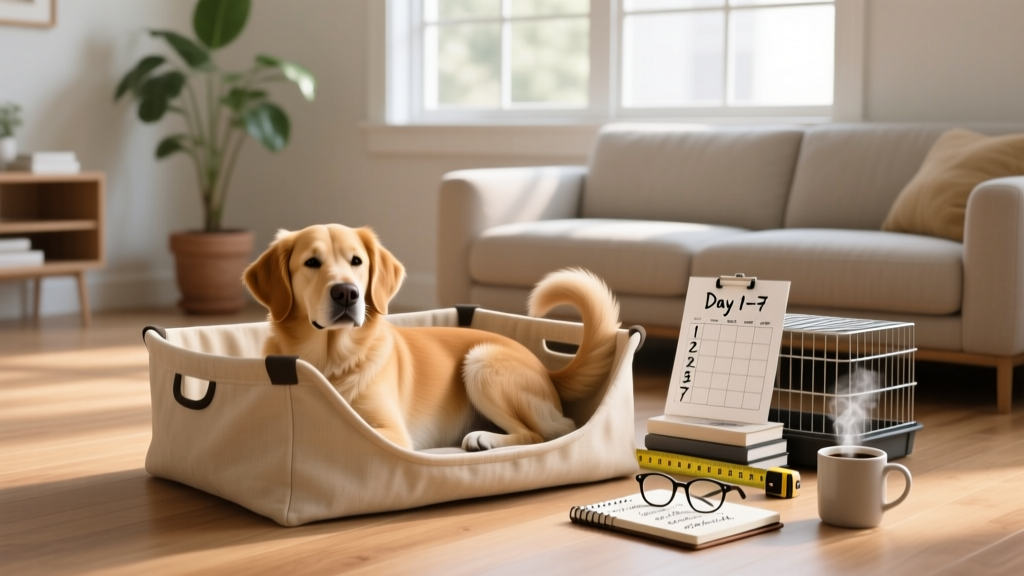
Before your Dogo comes home, you'll need supplies sized appropriately for a giant breed. A standard 36-inch crate won't cut it — you'll need a 48-inch or even 54-inch crate, which costs significantly more.
Essential Supplies and Costs
| Item | Budget Option | Mid-Range | Premium |
|---|---|---|---|
| XL/XXL wire crate (48"–54") | $80 – $120 | $150 – $220 | $250 – $400 |
| Orthopedic bed (large enough for 100 lb dog) | $60 – $100 | $120 – $200 | $220 – $350 |
| Heavy-duty leash + harness | $30 – $50 | $60 – $100 | $100 – $180 |
| Stainless steel bowls (set of 2, large) | $20 – $30 | $35 – $50 | $50 – $80 |
| Chew toys rated for power chewers (Kong Extreme, Nylabone DuraChew) | $25 – $40 | $50 – $80 | $80 – $120 |
| Puppy gate / exercise pen | $40 – $60 | $70 – $120 | $130 – $200 |
| Poop bags + waste station | $15 – $25 | $30 – $50 | $50 – $80 |
Pro tip: Buy the adult-size crate from day one and use the included divider panel to adjust the space as your puppy grows. This avoids buying two crates and saves $80–$200.
Initial Veterinary Costs
Your first vet visit should include a comprehensive physical exam, fecal parasite screening, heartworm test (if over 7 months), and a baseline blood panel. For a Dogo Argentino puppy, expect to complete the DHPP (distemper, hepatitis, parainfluenza, parvovirus) series and receive a rabies vaccine. The AVMA vaccination guidelines recommend the final DHPP booster at 16 weeks or later.
Spaying or neutering a giant breed like the Dogo costs more than for smaller dogs due to the additional anesthesia required, longer surgical time, and higher drug volumes. The AKC recommends discussing timing with your veterinarian — many large-breed specialists now recommend waiting until 12–18 months for giant breeds to allow growth plates to close, which may reduce the risk of orthopedic issues like hip dysplasia.
Ongoing Monthly Costs of Owning a Dogo Argentino
Once the initial setup is behind you, here's what your monthly budget looks like. Giant breeds eat more, need larger doses of preventive medications, and generally cost more per month than smaller dogs.
| Monthly Expense | Low | Medium | High | Notes |
|---|---|---|---|---|
| Food (giant-breed adult formula) | $65 | $92 | $133 | Dogo eats 4–6 cups/day; 30 lb bag lasts 15–22 days |
| Treats and chews | $15 | $30 | $50 | Bully sticks, dental chews sized for large breeds |
| Flea/tick prevention | $18 | $25 | $35 | Weight-based dosing; Simparica Trio, NexGard for 89–132 lb range |
| Heartworm prevention | $10 | $15 | $22 | Often combined with flea/tick in products like Simparica Trio |
| Pet insurance premium | $50 | $75 | $117 | Varies by deductible, reimbursement level, and location |
| Toys and enrichment | $10 | $20 | $40 | Power chewers destroy toys quickly; budget for replacements |
| Poop bags, cleaning supplies | $8 | $15 | $25 | Enzymatic cleaners for accidents |
| MONTHLY TOTAL | $176 | $272 | $422 |
For context, the same monthly budget for a 20 lb dog would run approximately $90–$220. The Dogo's size roughly doubles your ongoing costs compared to a small breed.
Annual and Recurring Costs
Beyond monthly expenses, plan for these annual costs that hit once or twice per year:
- Annual wellness exam: $80 – $200 per visit (most vets recommend twice yearly for giant breeds over age 5)
- Vaccine boosters: $40 – $120 annually (rabies and DHPP on 3-year schedules after initial series; bordetella and leptospirosis annually if recommended)
- Dog license: $15 – $75 depending on municipality and whether the dog is spayed/neutered
- Professional training: Group classes run $150 – $300 for a 6–8 week session; private sessions for a powerful breed like the Dogo typically cost $75 – $150 per hour. Budget for at least 2–3 sessions in year one.
- Boarding / pet sitting: $40 – $85 per night for kennel boarding; in-home pet sitting $50 – $100 per night. Two weeks of boarding per year = $560 – $1,190.
- Dog walking / daycare: If you work outside the home, dog walking runs $18 – $35 per walk; daycare $25 – $50 per day. Note: Dogo Argentinos may not be accepted at all daycare facilities due to breed restrictions.
Pet Insurance Analysis: Is It Worth It for a Dogo Argentino?
Giant breeds carry higher risk for expensive orthopedic conditions, making pet insurance a particularly important consideration for Dogo owners. Here's how the major providers compare for a large-breed dog:
| Provider | Monthly Premium (Dogo, age 1) | Annual Deductible | Reimbursement | Key Coverage Notes |
|---|---|---|---|---|
| Trupanion | $75 – $120 | $250 – $1,000 | 90% | No payout caps; covers hereditary conditions including hip dysplasia; direct vet pay available |
| Healthy Paws | $55 – $90 | $250 – $500 | 70% – 90% | Unlimited annual max; no coverage for exam fees; hereditary conditions covered |
| Lemonade | $45 – $85 | $100 – $500 | 70% – 90% | Lower premiums; optional wellness add-on; annual payout caps on base plan |
| Figo | $50 – $95 | $100 – $750 | 70% – 100% | Cloud vet feature; 100% reimbursement option; hereditary conditions covered |
| Embrace | $55 – $100 | $200 – $1,000 | 70% – 90% | Diminishing deductible ($50/year credit); wellness rewards add-on available |
Why Insurance Matters More for Giant Breeds
The Dogo Argentino is predisposed to several conditions that carry high treatment costs:
- Hip dysplasia: Surgical treatment (total hip replacement) costs $3,500 – $7,000 per hip
- Gastric dilatation-volvulus (bloat): Emergency surgery costs $3,000 – $7,500; a prophylactic gastropexy at time of spay/neuter costs $400 – $800 additional
- Deafness (unilateral or bilateral): BAER testing costs $80 – $150; management of a deaf dog requires specialized training but not typically expensive veterinary care
- Cardiomyopathy: Cardiac workup including echocardiogram costs $500 – $1,200; ongoing medication $50 – $150/month
A single emergency surgery can exceed a decade of insurance premiums. For giant breeds, insurance is not just a safety net — it's a financial strategy. Consult your veterinarian about breed-specific health risks to help determine the coverage level you need.
Emergency Fund: How Much to Set Aside
Even with pet insurance, you'll face out-of-pocket costs. Deductibles, co-pays, and non-covered expenses add up. Here's what common emergencies cost for a giant-breed dog:
| Emergency Scenario | Estimated Cost Range | Insurance Coverage? |
|---|---|---|
| Emergency vet visit (after-hours exam) | $150 – $400 | Usually covered (minus deductible) |
| Foreign body ingestion / surgery | $2,000 – $5,500 | Covered by most accident/illness plans |
| Bloat (GDV) emergency surgery | $3,000 – $7,500 | Covered; recovery may require 3–5 day hospitalization |
| Toxic ingestion treatment | $1,500 – $5,000 | Covered; call ASPCA Poison Control (888) 426-4435 immediately |
| Hip dysplasia surgery (THR, per hip) | $3,500 – $7,000 | Covered if not pre-existing |
| Cruciate ligament repair (TPLO) | $3,000 – $5,500 | Covered; bilateral cases double the cost |
Recommended emergency fund: Keep $2,000 – $5,000 in a dedicated savings account for your Dogo. If you carry pet insurance with a $500 deductible and 90% reimbursement, a $2,000 emergency fund is generally sufficient to cover deductibles and non-covered expenses. Without insurance, aim for $5,000 – $10,000.
How Breed Size Drives Cost: Giant vs. Toy Comparison
One of the most important factors in dog ownership cost is size. Here's how a Dogo Argentino (80–100 lb) compares to smaller breeds across key expense categories:
| Expense | Toy Breed (5–12 lb) e.g., Chihuahua | Medium Breed (30–50 lb) e.g., Border Collie | Giant Breed (80–100+ lb) e.g., Dogo Argentino |
|---|---|---|---|
| Monthly food | $15 – $30 | $40 – $65 | $65 – $133 |
| Flea/tick prevention (per month) | $12 – $18 | $15 – $22 | $18 – $35 |
| Spay/neuter surgery | $200 – $400 | $300 – $600 | $400 – $900 |
| Medications (weight-based dosing) | Lowest dose = lowest cost | Moderate | Highest dose tier = highest cost |
| Crate size and cost | $30 – $60 (24") | $60 – $120 (36"–42") | $80 – $400 (48"–54") |
| Boarding per night | $30 – $55 | $35 – $65 | $45 – $85 |
| Annual food total | $180 – $360 | $480 – $780 | $780 – $1,600 |
The data is clear: giant breeds cost roughly 2–3x more per year than toy breeds in routine care alone. The ASPCA estimates the average annual cost of dog ownership at $1,500 – $3,000, but giant breeds consistently push toward the higher end of that range or beyond.
Hidden Costs New Dogo Owners Miss
Budget spreadsheets rarely account for the realities of living with a powerful, high-energy giant breed. Here are the expenses that surprise people:
Home Damage and Modifications
- Destroyed furniture: A bored Dogo puppy can demolish a couch in an afternoon. Budget $200 – $1,000 for potential furniture replacement in year one.
- Fencing: Dogos are athletic and can jump standard fences. A secure 6-foot fence is recommended. Installation costs $2,500 – $6,000 for a typical backyard if you don't already have one.
- Flooring damage: Large dogs with nails can scratch hardwood floors. Nail caps, regular trimming, or area rugs help, but budget for potential refinishing ($3 – $8 per square foot).
- Door frames and drywall: Powerful dogs can damage trim and walls, especially if they develop separation anxiety.
Training and Behavioral Costs
The Dogo Argentino is a strong-willed, high-drive breed that requires consistent, experienced training. Positive reinforcement methods are essential — aversive tools like shock collars or prong collars can damage the human-dog bond and worsen behavioral issues in powerful breeds.
- Puppy socialization classes: $100 – $200 for a 6-week session
- Basic obedience: $150 – $300 for group classes
- Private behavioral consultations: $100 – $200 per session (may need 4–8 sessions for leash reactivity or resource guarding)
- Board-and-train programs: $1,500 – $3,500 for 2–4 weeks (not always recommended; owner involvement is critical for lasting results)
Replacement Supplies
Large dogs destroy beds, toys, and leashes faster than small dogs. Budget for replacing:
- Beds: 2–3 per year ($60 – $300 each)
- Chew toys: Monthly replacement for power chewers ($15 – $40/month)
- Leashes and harnesses: 1–2 replacements per year ($30 – $100 each)
Dog Walking and Daycare
If you work more than 6 hours away from home, a Dogo needs midday exercise. However, many daycare facilities restrict or ban Dogo Argentinos. Alternatives include:
- Private dog walker: $20 – $35 per 30-minute walk
- In-home pet sitter for midday visits: $20 – $30 per visit
- Dog-walking co-op with neighbors: Free but requires coordination
Regional Cost Variations: Where You Live Matters
Dog ownership costs vary significantly by location. Here's how geography impacts your Dogo Argentino budget:
| Cost Factor | Urban (NYC, SF, LA) | Suburban | Rural |
|---|---|---|---|
| Veterinary care (routine exam) | $150 – $300 | $80 – $180 | $60 – $130 |
| Emergency vet visit | $300 – $600 | $150 – $350 | $100 – $250 |
| Insurance premiums | $85 – $140/month | $55 – $95/month | $45 – $75/month |
| Dog walking (per walk) | $25 – $40 | $18 – $28 | $12 – $20 |
| Boarding (per night) | $60 – $100 | $40 – $65 | $30 – $50 |
| Grooming (bath + nail trim) | $50 – $90 | $30 – $55 | $20 – $40 |
Urban Dogo owners can expect to spend 30–50% more annually than rural owners on comparable services. However, rural owners may face longer drives to specialized veterinary care (cardiologists, orthopedic surgeons), which adds travel time and fuel costs.
Internationally, costs vary even more dramatically. In the UK, a Dogo Argentino is a banned breed under the Dangerous Dogs Act 1991 and cannot be legally owned without a court exemption. In parts of Europe and South America, veterinary costs may be 40–60% lower than US averages, but imported premium foods and specialized medications may cost more.
Money-Saving Strategies Without Compromising Care
Owning a giant breed on a budget is possible if you prioritize correctly. Here are strategies ranked by impact:
- Buy food in bulk from reputable brands. A 30 lb bag of Purina Pro Plan Large Breed or Royal Canin Giant Adult costs $55 – $75 and lasts 15–22 days. Subscribe-and-save programs from Chewy or Amazon offer 5–10% discounts. Never buy from unknown brands on marketplace sites — check for FDA-registered manufacturers.
- Invest in preventive care. A $12 monthly heartworm preventive avoids a $1,500 – $3,000 heartworm treatment. A $400 prophylactic gastropexy during spay/neuter avoids a $5,000 bloat emergency. Prevention always costs less than treatment.
- Use low-cost vaccine clinics for boosters. After the initial puppy series with your primary vet, annual boosters can be obtained at low-cost clinics (often run by local shelters or Tractor Supply) for $15 – $30 per vaccine versus $30 – $60 at a private practice.
- DIY grooming. Dogos have short, single-layer coats that need minimal professional grooming. A $15 rubber curry brush and monthly baths with a $12 bottle of oatmeal dog shampoo keep the coat healthy. Trim nails every 2–3 weeks with a $15 pair of Miller Forge pliers-style clippers.
- Make your own treats. Dehydrated sweet potato slices, frozen bone broth cubes, and plain cooked chicken are safe, cheap treats. Avoid grapes, raisins, onions, garlic, xylitol, and macadamia nuts — all toxic to dogs.
- Consider a pet savings account instead of insurance. If you're disciplined about saving $75–$100 per month into a dedicated account, you may accumulate enough to self-insure. However, this strategy fails if an emergency hits in the first year before you've built a balance.
- Adopt from rescue. A Dogo-specific rescue like Dogo Argentino Rescue or a large-breed rescue places fully vetted, spayed/neutered, behavior-assessed dogs for $300 – $600 — saving $2,000 – $5,000 on acquisition costs alone.
Which Dog Breeds Cost the Most and Least to Own?
To put the Dogo Argentino's costs in context, here's how it compares to breeds at the extremes of the cost spectrum:
| Breed | Size Category | Estimated Annual Cost (After Year 1) | Key Cost Drivers |
|---|---|---|---|
| Great Dane | Giant (110–175 lb) | $2,800 – $5,200 | Massive food costs, short lifespan (7–10 years), high bloat/orthopedic risk |
| Dogo Argentino | Giant (80–100 lb) | $2,200 – $4,500 | Large food costs, training needs, breed restrictions, orthopedic risk |
| German Shepherd | Large (50–90 lb) | $2,000 – $3,800 | Food, hip/elbow dysplasia, degenerative myelopathy screening |
| Labrador Retriever | Large (55–80 lb) | $1,800 – $3,200 | Food, obesity management, joint supplements |
| Beagle | Medium (20–30 lb) | $1,200 – $2,200 | Moderate food, generally healthy, dental care |
| Chihuahua | Toy (3–6 lb) | $800 – $1,600 | Minimal food, but dental disease and luxating patella costs add up |
Giant breeds like the Dogo Argentino and Great Dane consistently top the cost charts due to food volume, weight-based medication pricing, and higher prevalence of expensive orthopedic conditions. Toy breeds have lower routine costs but can face surprising dental surgery bills ($800 – $2,000 for extractions) as they age.
Frequently Asked Questions
How much does it cost to own a dog per year?
The average annual cost of dog ownership in the US ranges from $1,500 for a small, healthy dog with minimal services to $4,500+ for a giant breed like the Dogo Argentino with insurance, professional training, and boarding. The ASPCA and AVMA both note that larger dogs cost significantly more due to food, medication, and veterinary care scaled to body weight.
How much does a Dogo Argentino cost in the first year?
Total first-year costs for a Dogo Argentino range from approximately $3,500 (rescue dog, budget-conscious owner, no insurance) to $14,500+ (breeder puppy, comprehensive insurance, private training, premium supplies). Most owners spending responsibly land in the $6,000 – $9,000 range for year one.
What are the ongoing monthly costs of a Dogo Argentino?
Expect to spend $175 – $425 per month on food, preventive medications, insurance, treats, and basic supplies. This does not include one-time annual costs like wellness exams, boarding, or emergency care.
Is pet insurance worth it for a Dogo Argentino?
For most Dogo owners, yes. Giant breeds face expensive orthopedic and emergency conditions. A single bloat surgery ($3,000 – $7,500) or hip replacement ($3,500 – $7,000) can exceed 5–10 years of insurance premiums. Enroll early — before any health issues are documented — to avoid pre-existing condition exclusions.
How much should I budget for dog emergencies?
Keep a dedicated emergency fund of $2,000 – $5,000 if you carry pet insurance, or $5,000 – $10,000 if you self-insure. Giant breeds have higher emergency costs due to weight-based medication dosing, larger surgical requirements, and breed-specific risks like gastric dilatation-volvulus (bloat).
Which dog breeds cost the most to own?
Giant breeds — Great Danes, Saint Bernards, Dogo Argentinos, Irish Wolfhounds, and Bernese Mountain Dogs — consistently have the highest annual ownership costs due to food, medication, and expensive breed-specific health conditions. Among smaller breeds, French Bulldogs and English Bulldogs also rank high due to brachycephalic airway syndrome, skin fold infections, and frequent need for cesarean sections for breeding.
Do Dogo Argentinos have high grooming costs?
No. Dogos have a short, smooth, single-layer white coat that requires minimal grooming. Weekly brushing with a rubber curry brush and monthly baths are sufficient. Professional grooming is optional and typically limited to nail trims ($15 – $25) if you're uncomfortable doing it yourself. Annual grooming costs are $0 – $300 depending on whether you DIY.
- First-year total: $3,500 – $14,500
- Monthly ongoing: $175 – $425
- Recommended emergency fund: $2,000 – $5,000 (with insurance)
- Insurance premium: $50 – $120/month
- Lifespan: 10–12 years (total lifetime cost: $25,000 – $55,000+)
Owning a Dogo Argentino is a significant financial commitment, but with proper budgeting and preventive care, it's manageable. The key is going in with eyes open — understanding that a giant breed means giant expenses, and planning accordingly before you bring that white-coated puppy home.
Jonas Cole
All our authors care for dogs every day — read more of their work on the authors page.