The Thanksgiving Day Dog Show: Canine Science Behind the Winners
Explore the canine science behind the Thanksgiving Day Dog Show — breed judging criteria, conformation genetics, and what makes a champion.
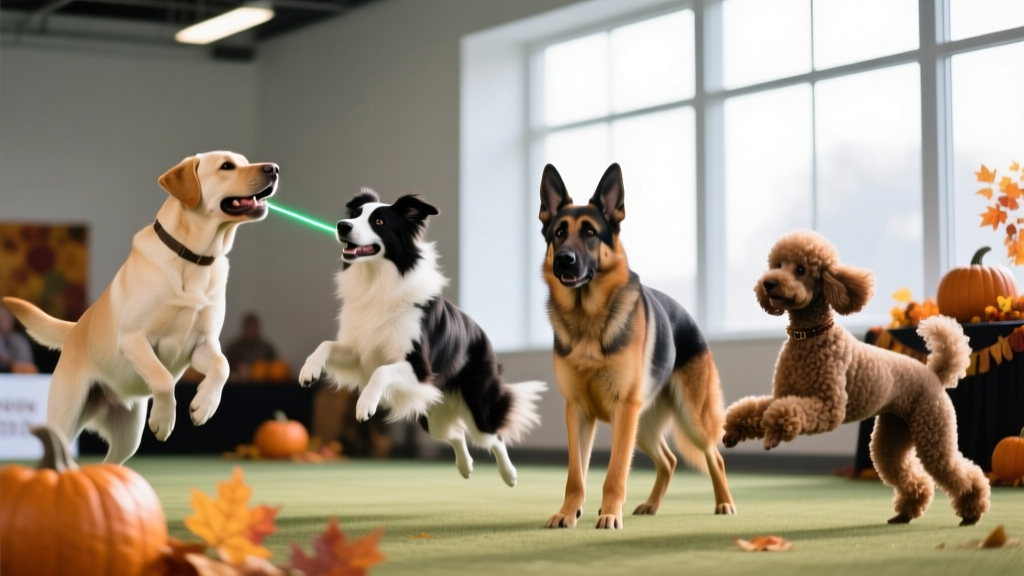
What Is the Thanksgiving Day Dog Show?
The National Dog Club's Thanksgiving Day Dog Show, held annually in Philadelphia and broadcast nationally on FOX, is one of the oldest and most prestigious benched all-breed conformation shows in the United States. First held in 1879, it is the second-oldest dog show in America, surpassed only by the Westminster Kennel Club Dog Show. Dogs compete for Best in Show across seven AKC-recognized breed groups: Sporting, Hound, Working, Terrier, Toy, Non-Sporting, and Herding. Judging evaluates how closely each dog conforms to its official AKC breed standard — a written blueprint describing the ideal specimen's structure, movement, temperament, and coat.
When millions of viewers tune in after their turkey dinner, most see beautiful dogs parading around a ring. But beneath the surface, the Thanksgiving Day Dog Show is a live demonstration of canine genetics, selective breeding, biomechanics, and behavioral science. Understanding the science behind conformation judging transforms the viewing experience from passive entertainment into a masterclass in canine biology.
The Science of Conformation: What Judges Actually Evaluate
Conformation judging is fundamentally an exercise in applied morphology — the study of the form and structure of organisms. Judges assess each dog against its breed standard, which describes the ideal skeletal proportions, muscle attachment angles, head proportions, coat texture, and gait patterns for that breed. These standards were originally written based on the functional requirements of each breed's historical job: retrieving, herding, guarding, tracking, or companionship.
A judge examines bite alignment (scissor, level, or undershot depending on breed), topline angle (the line from withers to tail set), shoulder angulation (ideally 45 degrees from horizontal for most breeds), and rear angulation at the stifle joint. They observe the dog's gait at multiple speeds to assess reach and drive — the forward extension of the front legs and the propulsive power from the rear assembly.
According to the AKC conformation guidelines, a dog's movement should be evaluated coming, going, and from the side. From the side, judges look for efficient, ground-covering stride. Coming toward them, the front legs should converge toward a center line at speed (single-tracking). Going away, the rear legs should mirror this convergence without cow-hocking (inward rotation) or splaying outward.
Breed Standard Metrics at a Glance
| Evaluation Category | What Judges Measure | Scientific Basis |
|---|---|---|
| Head Proportions | Skull-to-muzzle ratio, stop angle, eye shape | Cranial morphology linked to bite force and sensory function |
| Body Proportions | Height-to-length ratio, chest depth, rib spring | Thoracic capacity determines cardiovascular endurance |
| Angulation | Shoulder and hip joint angles (degrees) | Biomechanical leverage for efficient locomotion |
| Gait Analysis | Reach, drive, single-tracking, topline stability | Kinetic chain efficiency — energy transfer through joints |
| Coat & Pigment | Texture, density, color, pattern | Thermoregulation and environmental protection adaptations |
| Temperament | Confidence, alertness, breed-appropriate demeanor | Behavioral genetics — selection for stable nervous system function |
Evolutionary Foundations: From Wolf to Show Ring
Every dog in the Thanksgiving Day Dog Show carries the skeletal blueprint of Canis lupus, the gray wolf. The basic canine body plan — digitigrade stance (walking on toes), deep chest, flexible spine, and cursorial (running-adapted) limb structure — has been conserved across approximately 40 million years of canid evolution. Selective breeding has modified proportions, size, and coat, but the underlying biomechanics remain wolf-derived.
The enormous morphological diversity seen at the show — from the 4-pound Chihuahua to the 150-pound Great Dane — represents one of the most dramatic examples of intraspecific variation in any mammal species. A 2017 study published in Cell Reports identified that just a handful of genomic regions account for most of the size and shape variation across dog breeds. The IGF1 gene alone explains nearly 50% of body size differences between breeds.
What makes conformation science fascinating is that breed standards often describe functional optima that map onto ancestral traits. A German Shepherd's sloping topline, a Greyhound's extreme angulation, a Bloodhound's loose skin and long ears — these are all exaggerations of adaptive traits that served specific survival or working functions. The show ring evaluates whether selective breeding has maintained these traits within a healthy, functional range or pushed them beyond biological limits.
How Domestication Shaped Breed Diversity
Research from the National Institutes of Health has shown that the domestication process involved selection on neural crest cell development, which in turn affected skull shape, ear carriage, tail curl, and pigmentation — collectively known as domestication syndrome. Breeds represented at the Thanksgiving Day Dog Show showcase the full spectrum of domestication syndrome expression, from primitive-type breeds (Basenjis, Shiba Inu) that retain wolf-like features to highly derived breeds (Bulldogs, Pugs) that represent extreme morphological departure from the ancestral form.
Physiological Mechanisms: The Biology of a Show Dog
A dog performing in the conformation ring is executing a complex series of physiological processes that judges evaluate in real time:
Musculoskeletal Biomechanics
When a judge asks a handler to move a dog around the ring, they are watching the kinetic chain in action. Energy generated by the gluteal and hamstring muscles transfers through the stifle and hock joints, propels the pelvis forward, flexes the lumbar spine, and is received by the shoulder assembly which must absorb and redirect force through the scapulothoracic joint. A dog with correct 45-degree shoulder angulation and matching 45-degree pelvic angulation will display balanced reach and drive — the front paw reaches forward approximately the same distance that the rear paw pushes backward.
Dogs with straight shoulders (angulation greater than 55 degrees) show restricted front reach, creating a choppy, inefficient gait. Dogs with over-angulated rears (common in some modern German Shepherd lines) may exhibit excessive rear action that the front assembly cannot match, resulting in a gait imbalance visible even to non-expert viewers.
Neurological and Behavioral Presentation
Show dogs must maintain a state of alert arousal without tipping into fear or aggression. This requires a well-regulated hypothalamic-pituitary-adrenal (HPA) axis — the stress response system. Dogs that show confidently in noisy, crowded environments like the Philadelphia venue of the Thanksgiving Day Dog Show demonstrate what behavioral scientists call stable temperament, which has been linked to specific alleles of the dopamine receptor D4 gene (DRD4) and serotonin transporter gene (SLC6A4) in peer-reviewed research.
Judges evaluate temperament through direct observation: Does the dog allow examination of its teeth, body, and (in males) testicles without flinching or showing defensive aggression? Does it maintain breed-appropriate ear carriage, tail set, and eye expression while being approached by a stranger? A dog that tucks its tail, flattens its ears, or refuses to stand for examination will be penalized or excused, as these behaviors indicate neurological reactivity inconsistent with breed function.
Sensory Systems in the Ring
The conformation ring is a sensory gauntlet. Dogs must process visual stimuli (other dogs, moving handlers, ring barriers), auditory stimuli (crowd noise, PA announcements, barking), and olfactory stimuli (hundreds of dog scents, food vendors, cleaning products) simultaneously while maintaining composure. Breeds with high environmental sensitivity — such as many sighthounds and some herding breeds — may require more socialization and conditioning to perform well in this setting.
Genetics of Championship Dogs: What the Research Shows
A study published in the Journal of Heredity examined the genetic diversity of AKC-registered show dogs and found significant variation between breeds in terms of inbreeding coefficients. Breeds with small founding populations — such as the Norwegian Lundehund or the Otterhound, both occasionally seen at the Thanksgiving Day Dog Show — carry higher genetic load, meaning more recessive deleterious alleles in their gene pool.
Inbreeding Coefficients Across Selected Breeds at the Show
| Breed | Group | Average COI (%) | Genetic Diversity Status |
|---|---|---|---|
| Golden Retriever | Sporting | 6-8% | Moderate — large population but popular sire effects |
| German Shepherd Dog | Herding | 5-7% | Moderate — split between show and working lines helps |
| Standard Poodle | Non-Sporting | 8-12% | Concern — popular sire bottleneck in mid-20th century |
| Bulldog | Non-Sporting | 15-20% | High risk — extremely limited genetic diversity |
| Border Collie | Herding | 3-5% | Good — working and show lines maintain gene flow |
| Rhodesian Ridgeback | Hound | 7-10% | Moderate — small founding population from Southern Africa |
Responsible breeders whose dogs compete at the Thanksgiving Day Dog Show increasingly use DNA testing panels (such as Embark or Wisdom Panel) to screen for over 200 known genetic disease markers, calculate COI (coefficient of inbreeding), and identify genetic diversity metrics before making breeding decisions. The Orthopedic Foundation for Animals (OFA) maintains public databases of hip, elbow, eye, and cardiac clearances that judges, breeders, and buyers can reference.
Common Misconceptions About Dog Show Judging
| Myth | Fact |
|---|---|
| "Judges pick the prettiest dog" | Judges evaluate structural correctness against a written standard — aesthetics are secondary to biomechanical soundness |
| "Show dogs are unhealthy because of breeding" | Reputable show breeders perform extensive health testing (OFA, CERF, DNA panels); many show dogs live longer than breed averages |
| "Any purebred dog can compete" | Dogs must be AKC-registered, intact (not spayed/neutered for conformation), and meet minimum age requirements (6 months+) |
| "The biggest dog always wins" | Size is evaluated against breed standard ranges — oversized or undersized dogs are faulted |
| "Dog shows are just about looks" | Conformation evaluates functional structure; a dog that cannot move efficiently cannot win regardless of appearance |
| "Mixed breeds can never compete" | AKC conformation requires purebred registration, but the AKC Canine Partners program allows mixed breeds in performance events like agility and obedience |
Breed Group Science: Why Seven Groups Exist
The seven group classifications at the Thanksgiving Day Dog Show are not arbitrary — they reflect genuine behavioral and physiological clusters rooted in the working history of each breed type.
Group Breakdown by Functional Science
Sporting Group — Gundogs bred for bird work. These breeds share high aerobic capacity, water-resistant coats, and soft-mouth bite inhibition (the neurological ability to carry game without damaging it). Retrievers, pointers, spaniels, and setters all demonstrate mesocephalic skull proportions optimized for binocular vision and moderate bite force.
Hound Group — Scent and sight hunters. Scent hounds (Bloodhounds, Beagles) possess up to 300 million olfactory receptors (compared to approximately 6 million in humans), with enlarged olfactory bulbs occupying significant brain volume. Sighthounds (Greyhounds, Afghan Hounds) demonstrate dolichocephalic skull shape for wide-binocular vision and extreme cardiovascular adaptations including heart weights reaching 1.18% of body weight (versus 0.77% in average dogs).
Working Group — Guardians, draft dogs, and rescue breeds. These dogs tend toward larger body mass, stronger bite forces (measured in PSI), and territorial behavioral patterns linked to selective breeding for property protection. Breeds like the Rottweiler and Bernese Mountain Dog show robust bone density and powerful masseter muscle development.
Terrier Group — Vermin hunters bred to enter burrows. Compact, flexible bodies with strong forequarters for digging and tenacious temperaments linked to high prey drive circuitry in the amygdala. Many terriers show a characteristic "spannable" chest — narrow enough to enter a fox den — which judges physically verify by wrapping hands around the ribcage.
Toy Group — Companion breeds selected for neoteny (retention of juvenile traits). These breeds often display paedomorphic features: large eyes relative to skull size, shortened muzzles, and reduced body mass. Despite their size, many retain working-dog behavioral patterns — the Yorkshire Terrier, for example, carries terrier ancestry and prey drive.
Non-Sporting Group — A diverse collection of breeds that don't fit other categories. This group includes the brachycephalic Bulldog, the ancient Chow Chow, and the versatile Poodle. The physiological diversity within this group makes judging particularly challenging, as judges must switch mental frameworks between vastly different breed standards.
Herding Group — Livestock management breeds. These dogs demonstrate modified predatory motor patterns — the eye-stalk-chase sequence is intact but the grab-bite and kill-bite phases have been selected against. Border Collies, Australian Shepherds, and German Shepherds show high cognitive function, with some individuals capable of learning over 1,000 distinct words in controlled research settings.
Practical Implications: What Show Science Means for Pet Owners
Understanding conformation science has direct applications for anyone selecting a puppy or evaluating their dog's health:
- Structure predicts function: A dog with correct angulation and proportions is less likely to develop early-onset osteoarthritis, regardless of breed. When evaluating a puppy, ask the breeder for OFA hip and elbow scores of both parents (scores of "Good" or "Excellent" are preferred).
- Breed standards inform exercise needs: A Sporting Group dog's cardiovascular system is built for sustained aerobic output — 60-90 minutes of vigorous daily exercise is biologically necessary, not optional. A Toy Group dog may be satisfied with 20-30 minutes of moderate activity.
- Temperament has a genetic component: If you want a confident, environmentally stable dog, look at the temperament titles (CGC, CGCA, therapy dog certifications) held by the sire and dam. Show lines bred for ring confidence often produce more socially stable pets than lines bred without temperament selection.
- Health testing matters more than show titles: A champion title proves a dog meets its breed standard structurally, but health clearances (OFA, PennHIP, CERF, DNA panels) prove the dog is genetically sound. Both matter, but health clearances should never be skipped.
- Brachycephalic breeds require special awareness: Dogs like Bulldogs, Pugs, and French Bulldogs — frequently seen at the Thanksgiving Day Dog Show — are predisposed to Brachycephalic Obstructive Airway Syndrome (BOAS). Owners should monitor for exercise intolerance, noisy breathing, heat sensitivity, and sleep apnea, and consult a veterinarian if symptoms worsen.
When Conformation Traits Signal Health Problems
Some traits rewarded in the show ring can, when taken to extremes, create welfare concerns that owners should monitor:
- Extreme brachycephaly: Muzzles so short that the soft palate obstructs the airway. Watch for cyanosis (blue gums), collapse during exercise, or inability to sleep without elevated head position.
- Excessive skin folds: Seen in Shar-Peis and Bloodhounds. Folds trap moisture and bacteria, leading to intertrigo (skin fold dermatitis). Daily cleaning with chlorhexidine wipes and thorough drying is preventive.
- Over-angulated rears: Can cause difficulty rising, bunny-hopping gait, and early degenerative myelopathy or hip dysplasia symptoms. Consult your veterinarian if your dog shows rear-end weakness or reluctance to jump.
- Excessively long backs with short legs: Dachshunds and Corgis are predisposed to Intervertebral Disc Disease (IVDD). Avoid stair climbing, jumping on/off furniture, and obesity to reduce disc herniation risk.
- Giant breed size: Great Danes and Mastiffs face elevated risk of gastric dilatation-volvulus (GDV or bloat), a life-threatening emergency. Prophylactic gastropexy surgery (costing $300-$800) is recommended for at-risk breeds, and owners should avoid exercise within 1 hour before or after meals.
Consult your veterinarian promptly if your dog shows: labored breathing at rest, blue or pale gums, sudden rear-leg weakness, a distended and painful abdomen with unproductive retching, or inability to settle into sleep. These can indicate breed-related conditions that require immediate professional evaluation. For any suspected toxic ingestion at a holiday event, contact ASPCA Animal Poison Control at (888) 426-4435 (24/7, consultation fee applies).
Frequently Asked Questions About the Thanksgiving Day Dog Show
Why do dogs compete in conformation shows?
Conformation shows exist to evaluate breeding stock. By comparing dogs against written breed standards, judges help identify which animals best represent the ideal form and function of their breed. Dogs that earn championships signal to other breeders that they are quality candidates for producing the next generation.
Can mixed breed dogs compete at the Thanksgiving Day Dog Show?
No. The Thanksgiving Day Dog Show is an AKC-sanctioned all-breed conformation event, which requires purebred AKC registration. However, mixed breeds can compete in AKC performance events (agility, obedience, rally, FAST CAT) through the Canine Partners program, and other organizations like UKI and UKC offer mixed-breed conformation classes.
How do judges decide Best in Show?
Best in Show is selected from the seven Group winners. The judge evaluates all seven dogs against their respective breed standards simultaneously — not against each other directly, but against the ideal of what each breed should be. The dog that most closely approaches its own standard, in the judge's expert opinion, wins Best in Show.
Is the Thanksgiving Day Dog Show different from Westminster?
Both are prestigious AKC all-breed conformation shows, but they differ in timing, venue, and history. The Thanksgiving Day Dog Show is held in Philadelphia each November (since 1879) and broadcast on Thanksgiving Day. Westminster is held in New York (since 1877), typically in January or February. The Thanksgiving show is benched, meaning dogs are displayed in designated areas where the public can approach and learn about breeds — a feature Westminster discontinued for several years before partially reinstating.
What does it mean when my dog stands with one front leg slightly forward?
In the show ring, handlers "stack" dogs to display their structure to best advantage — all four feet positioned precisely. At home, a dog that consistently shifts weight off one limb may be signaling joint discomfort, soft tissue injury, or early arthritis. If this persists beyond a day or two, a veterinary orthopedic exam is warranted.
How is dog conformation judging different from human beauty contests?
Conformation judging evaluates functional structure tied to health and working ability — not subjective aesthetics. A breed standard describes a biomechanical blueprint: joint angles that prevent injury, chest depth that supports lung capacity, skull proportions that allow normal breathing and dental occlusion. The "beauty" in a show dog is the beauty of efficient biological engineering.
Sources & Further Reading
- American Kennel Club — Breed Standards & Conformation: akc.org/sports-events/conformation
- Orthopedic Foundation for Animals — Health Databases: ofa.org
- NIH / National Library of Medicine — Canid Genomics & Domestication Research: ncbi.nlm.nih.gov
- Merck Veterinary Manual — Canine Lameness & Gait Analysis: merckvetmanual.com
Beth Carrasco
All our authors care for dogs every day — read more of their work on the authors page.


