Sled Dogs: Physiology, Genetics, and Endurance Explained
Explore the canine science behind sled dogs — their unique physiology, genetic adaptations, endurance metabolism, and what makes them elite athletes.
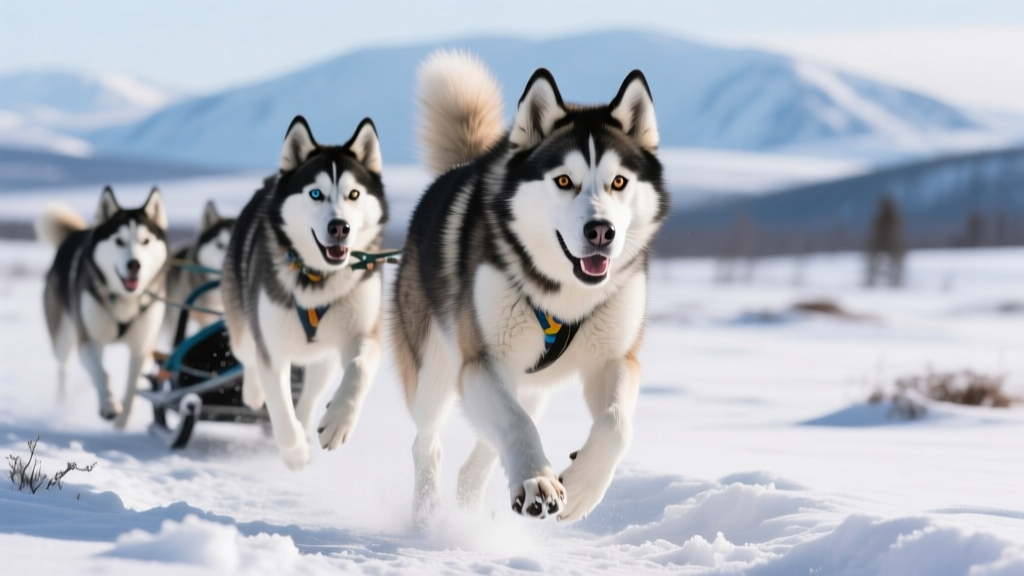
What Makes Sled Dogs Unique?
Direct answer: Sled dogs possess a rare combination of physiological and genetic adaptations that allow them to pull heavy loads over vast distances in extreme cold. Unlike most mammals — including humans — elite sled dogs such as Alaskan Huskies and Siberian Huskies can rapidly shift their metabolism to burn fat as their primary fuel source within the first few minutes of exercise, sparing glycogen stores and preventing the metabolic crash that limits other athletes. Research published in peer-reviewed journals has identified specific genetic markers related to oxygen transport, muscle efficiency, and cold tolerance that distinguish sled dog breeds from other domestic dogs.
Why Do Sled Dogs Have Such Extraordinary Endurance?
The endurance capacity of sled dogs isn't just a product of training — it's written into their biology at the cellular level. Studies conducted by Dr. Michael Davis at Oklahoma State University's veterinary exercise physiology lab found that sled dogs competing in long-distance races like the Iditarod can burn up to 10,000–12,000 calories per day during competition, yet they show almost no signs of the muscle damage, inflammation, or metabolic fatigue that would sideline a human ultra-marathoner after a fraction of that effort.
The key lies in how sled dog muscle cells process fuel. In most mammals, prolonged exercise depletes glycogen (stored carbohydrates) and triggers a shift to fat metabolism — but that transition is slow and inefficient. Sled dogs, however, undergo what researchers call rapid metabolic switching. Within the first 30 minutes of running, their muscle cells begin oxidizing fatty acids at rates that would cause severe metabolic distress in other species. Their mitochondria — the energy-producing organelles inside cells — are both more numerous and more efficient at processing fat-derived fuel.
A 2020 study in the Journal of Applied Physiology demonstrated that Alaskan Huskies could maintain aerobic output at levels that would produce dangerous lactic acid buildup in greyhounds or humans, largely because their bodies clear lactate and recycle it as fuel far more efficiently.
The Metabolic Switch: A Deeper Look
When a sled dog begins running, the following cascade occurs:
- Minutes 0–10: Muscle cells draw on intramuscular glycogen, just like any mammal.
- Minutes 10–30: Hormone-sensitive lipase activates, releasing free fatty acids from adipose tissue into the bloodstream at rates 3–5× higher than in non-athletic breeds.
- Minutes 30+: Mitochondrial beta-oxidation of fatty acids becomes the dominant energy pathway. Glycogen use drops dramatically, preserving reserves for sprint efforts or hill climbs.
- Hours 2+: The dog enters a metabolic steady state where fat oxidation sustains output indefinitely, provided caloric intake (typically via high-fat checkpoint meals) keeps pace with expenditure.
This is why sled dog diets during racing season are typically 50–60% fat by caloric content — a ratio that would cause pancreatitis or obesity in a sedentary Labrador but is essential fuel for a working husky.
Evolutionary Origins: From Arctic Wolves to Racing Lines
Ancestral Roots of Cold Adaptation
The ancestors of modern sled dogs diverged from other canid lineages roughly 15,000–20,000 years ago, adapting to the extreme environments of Siberia, Alaska, and northern Canada. Archaeological evidence from sites in Zhokhov Island in the Russian Arctic shows that humans were breeding dogs specifically for pulling sleds as early as 9,000 years ago — making sled dogs one of the oldest specialized working dog lineages on Earth.
These early Arctic canids faced selective pressures that shaped the traits we see today:
- Thick double coats with hollow guard hairs that trap insulating air — an adaptation shared with Arctic wolves (Canis lupus arctos)
- Compact body proportions that minimize surface-area-to-volume ratio, reducing heat loss (Allen's Rule)
- Counter-current heat exchange in the extremities, where warm arterial blood heats returning venous blood, preventing core temperature drop even when paw pads contact ice at −40°F (−40°C)
- Enhanced hemoglobin oxygen-carrying capacity to compensate for thin, cold air at high latitudes
Genetic research has pinpointed several genes under strong positive selection in sled dog lineages. A landmark study published in Cell Reports (2019) identified variants in the MC4R gene (melanocortin 4 receptor), which regulates appetite and energy expenditure, and the MYH14 gene, associated with slow-twitch muscle fiber composition. These variants are virtually absent in non-Arctic breeds but nearly fixed in Siberian Huskies, Alaskan Malamutes, and Greenland Dogs.
The Alaskan Husky — the premier racing sled dog — is not a registered breed in the traditional sense but rather a performance-bred type. Mushers selectively breed for speed, endurance, and recovery, crossing Siberian Huskies with pointers, greyhounds, and other breeds to optimize specific traits. This means modern elite sled dogs carry a mosaic of genetic adaptations refined not just by natural selection in the Arctic but by centuries of human-directed breeding for work output.
How Do Sled Dogs Process Cold and Pain Differently?
One of the most remarkable features of sled dogs is their ability to run for hours across ice and frozen tundra without the tissue damage that cold exposure would cause in other breeds. This isn't simply "toughness" — it's a measurable physiological difference.
Cold-induced vasodilation (CIVD), also known as the Lewis reaction or "hunting response," is a phenomenon where blood vessels in the extremities alternately constrict and dilate to maintain tissue viability in freezing conditions. Research shows that Arctic-adapted dogs exhibit a far more pronounced CIVD response than temperate breeds. A Siberian Husky's paw pad temperature may cycle between near-freezing and significantly warmer every 5–10 minutes during a run, preventing frostbite while minimizing total heat loss.
Additionally, sled dogs have a higher density of nociceptor cold-threshold receptors — the nerve endings that signal cold pain. Rather than being "numb" to cold, their nervous systems appear to have recalibrated what constitutes a painful stimulus. This is partly mediated by variants in the TRPM8 gene, which codes for the primary cold-sensing ion channel in mammals. The same gene shows convergent adaptations in woolly mammoths and other Pleistocene megafauna.
| Physiological Parameter | Sled Dogs (Husky/Malamute) | Non-Arctic Breeds (Lab/GSD) |
|---|---|---|
| Comfortable running temperature | −40°F to 30°F (−40°C to −1°C) | 20°F to 65°F (−7°C to 18°C) |
| Double coat insulation (R-value estimate) | High — hollow guard hairs + dense undercoat | Variable — typically single coat or less dense |
| Paw pad CIVD response | Pronounced cycling every 5–10 min | Minimal or absent |
| Risk of hypothermia during exercise | Very low down to −30°F (−34°C) | Moderate below 10°F (−12°C) |
| Risk of overheating during exercise | HIGH above 40°F (4°C) | Moderate above 75°F (24°C) |
What Does It Mean When My Husky Howls or Pulls on Leash?
Owners of sled dog breeds frequently encounter behaviors that seem puzzling or frustrating in a suburban context. Understanding the science behind these behaviors is essential for humane, effective management.
Pulling Behavior
Sled dogs have been selectively bred for thousands of years to lean into a harness and pull. This isn't disobedience — it's a deeply ingrained motor pattern. When a husky feels tension on a leash or harness, the instinctive response is to pull into that tension, not away from it. This is the opposite of what most pet dogs do, and it makes traditional leash training methods largely ineffective.
Practical solution: Use a front-clip harness (such as the Ruffwear Front Range, ~$40–$45) that redirects forward momentum sideways when the dog pulls. Pair this with positive reinforcement — reward loose-leash walking with high-value treats (freeze-dried liver works well, ~$12–$18 per 4 oz bag). For dogs that need an outlet for pulling drive, consider urban mushing or bikejoring with a proper pulling harness and spring-loaded leash attachment. Allow structured pulling time 3–5 times per week for 20–40 minutes.
Vocalization and Howling
Sled dogs vocalize more than most breeds, and the acoustic structure of their howls closely mirrors wolf vocalizations. This is not coincidence — genetic analyses show that sled dog breeds retain more ancestral wolf-like alleles in regions associated with social behavior and communication. Howling serves as a long-distance coordination signal in pack animals. When your husky howls at sirens or when left alone, they are performing an evolutionarily conserved contact call.
For separation-related howling, counter-conditioning protocols (gradually building tolerance to alone time paired with food-puzzle enrichment) are far more effective than punishment-based approaches, which can increase anxiety and worsen vocalization.
Can Sled Dogs Live Happily as Family Pets?
This is one of the most common questions prospective owners ask, and the answer requires nuance. Yes, sled dog breeds can thrive as family companions — but only when their physiological and behavioral needs are met. The mismatch between a sled dog's capabilities and a typical pet lifestyle is one of the leading reasons these breeds end up in rescues.
Daily Requirements for a Pet Sled Dog
- Exercise: Minimum 60–90 minutes of vigorous aerobic activity daily (running, not just walking). In warm weather, substitute with swimming or indoor treadmill work to prevent overheating.
- Mental stimulation: Puzzle feeders, scent work, or structured training sessions of 15–20 minutes, 2–3× daily.
- Temperature management: Provide air conditioning or cooling mats (e.g., CoolDog Mat, ~$25–$40) when ambient temperature exceeds 50°F (10°C). Never exercise a husky above 40°F (4°C) without monitoring for heat stress.
- Secure containment: Minimum 6-foot fence with dig-proof apron buried 12 inches underground. Sled dogs are exceptional escape artists — both climbers and diggers.
- Nutrition: High-quality kibble with 25–30% protein and 15–20% fat for active adults. Working dogs in cold climates may need diets with 30%+ fat. Look for AAFCO complete-and-balanced statements. Annual food cost: $600–$1,200 depending on activity level and brand.
When Sled Dog Behavior Signals a Problem
While high energy and vocalization are normal for these breeds, certain changes warrant veterinary attention:
- Sudden exercise intolerance: A previously active husky that becomes reluctant to run may be developing hip dysplasia (prevalence in Siberian Huskies: approximately 5–7% per OFA statistics), degenerative myelopathy, or cardiac disease.
- Excessive panting in cold weather: May indicate pain, respiratory infection, or laryngeal paralysis.
- Unexplained weight loss despite high caloric intake: Can signal exocrine pancreatic insufficiency (EPI), which has higher-than-average prevalence in some northern breeds, or endoparasitic infection.
- Compulsive pacing or circling: May indicate neurological issues or severe under-stimulation leading to stereotypic behavior.
If you observe any of these signs, consult your veterinarian for a thorough examination. Early diagnosis of orthopedic and metabolic conditions significantly improves outcomes.
Common Misconceptions About Sled Dogs
| Myth | Scientific Fact |
|---|---|
| Sled dogs don't feel cold | They feel cold but have a higher pain threshold for cold stimuli via TRPM8 gene variants and superior peripheral circulation. They can still develop frostbite in extreme conditions or when wet. |
| Huskies can't live in warm climates | They can adapt with proper management (AC, exercise timing, cooling gear), but they are chronically uncomfortable above 60°F (15°C) and at high risk of heat stroke above 80°F (27°C). Their thermoregulatory system simply isn't optimized for heat dissipation. |
| Sled dogs are aggressive because they're "close to wolves" | Genetic proximity to wolves does not predict aggression. Sled dogs were bred for cooperative work with humans and other dogs. Aggression toward humans was historically selected against — mushers cull aggressive dogs from teams. Breed temperament surveys show Siberian Huskies score above average in friendliness. |
| You can't train a sled dog off-leash | Recall is challenging due to high prey drive and independence, but it is achievable with consistent positive reinforcement training from puppyhood. Many competitive obedience and rally dogs are huskies. A GPS collar (e.g., Garmin Alpha 200i, ~$600–$700) provides a safety net during off-leash training. |
| All sled dogs are the same breed | There are significant differences: Siberian Huskies (35–60 lb, endurance-oriented), Alaskan Malamutes (75–85+ lb, freight-pulling), Alaskan Huskies (variable, speed-bred racing type), Greenland Dogs (66–70 lb, traditional Inuit sled dogs), and Samoyeds (35–65 lb, herding/pulling dual-purpose). Each has distinct physiological profiles. |
Breed Variations: How Different Sled Dogs Compare
| Breed | Weight (lb / kg) | Primary Function | Top Speed | Daily Exercise Need | Heat Tolerance |
|---|---|---|---|---|---|
| Siberian Husky | 35–60 / 16–27 | Endurance distance | 28–30 mph (sprint) | 90–120 min | Low |
| Alaskan Malamute | 75–100 / 34–45 | Heavy freight pulling | 15–20 mph | 60–90 min | Very Low |
| Alaskan Husky (racing type) | 35–60 / 16–27 | Competitive racing speed | 28–35 mph | 120+ min | Low–Moderate |
| Greenland Dog | 66–70 / 30–32 | Traditional Arctic transport | 20–25 mph | 90–120 min | Very Low |
| Samoyed | 35–65 / 16–29 | Herding/pulling dual-purpose | 20–25 mph | 60–90 min | Low |
The Alaskan Husky deserves special note because it demonstrates how performance-based selection can outpace breed standardization. Modern racing Alaskan Huskies may carry genetics from Siberian Huskies, German Shorthaired Pointers, Greyhounds, and Border Collies — each contributing specific traits (speed, endurance, trainability, heat dissipation). This makes them genetically diverse but also means individual variation is high. You cannot predict an Alaskan Husky's exact traits from appearance alone.
Frequently Asked Questions
Why do sled dogs curl up in a circle when sleeping?
This is an inherited thermoregulatory behavior. By curling tightly with their tail over their nose, sled dogs minimize exposed surface area and create a pocket of warm, recycled air around their muzzle. This "sleeping circle" reduces heat loss by an estimated 20–30% compared to a stretched-out sleeping position. It's so deeply ingrained that many huskies perform it even on cool indoor floors.
Can sled dogs get heat stroke more easily than other dogs?
Yes. Sled dogs have a compromised heat dissipation system. Their dense double coat is an exceptional insulator against cold, but it also traps metabolic heat during exercise in warm conditions. Core body temperature can exceed 106°F (41.1°C) — the threshold for heat stroke — within 15–20 minutes of vigorous exercise when ambient temperature is above 60°F (15°C). Signs include excessive panting, bright red gums, staggering, and collapse. This is an emergency — cool the dog with tepid (not ice-cold) water and seek veterinary care immediately.
Is it normal for my husky to eat snow instead of drinking water?
Eating snow is common and generally harmless in sled breeds — it's an ancestral hydration behavior. However, if your dog exclusively eats snow and refuses liquid water, or if snow consumption is accompanied by excessive thirst (polydipsia), this may indicate kidney disease, diabetes mellitus, or Cushing's disease. Monitor total fluid intake and consult your veterinarian if you notice changes.
How is a sled dog's metabolism different from a human athlete's?
The most striking difference is metabolic flexibility. A human marathon runner typically "hits the wall" around mile 20 when glycogen stores are depleted and the body struggles to transition to fat metabolism. A sled dog running the Iditarod covers the equivalent of a marathon every day for 8–15 consecutive days without hitting a wall. Their muscle cells are essentially "pre-adapted" to fat oxidation — the metabolic machinery is always primed, unlike in humans where the transition takes hours and is never fully efficient.
Do sled dogs need special veterinary care?
Sled dogs benefit from veterinarians familiar with northern breed medicine. Key considerations include: higher susceptibility to zinc-responsive dermatosis (particularly in Siberian Huskies and Malamutes), exercise-induced collapse screening, and careful anesthesia dosing — some northern breeds show altered sensitivity to certain anesthetic agents. Annual orthopedic screening (hips, elbows) is recommended for active dogs. Working sled dogs in racing programs may also need regular cardiac ultrasound and blood panel monitoring during competition season.
Can I train my sled dog to stop pulling entirely?
Eliminating pulling behavior entirely is unrealistic and arguably unfair — it's asking a dog bred for millennia to pull to suppress its most fundamental motor pattern. The science-backed approach is to channel the behavior appropriately: teach a clear distinction between "walking mode" (loose leash, front-clip harness, rewards for slack) and "pulling mode" (back-clip harness or mushing harness, structured activity). Most sled dogs learn this distinction within 4–8 weeks of consistent training.
Sources and Further Reading
- Davis, M.S. et al. — Exercise physiology of sled dogs, Journal of Applied Physiology, Oklahoma State University research program
- Genomic analyses of Arctic dog breeds, Cell Reports, 2019
- American Kennel Club — Siberian Husky Breed Standard
- Merck Veterinary Manual — Exercise physiology and cold injury in dogs
- Orthopedic Foundation for Animals (OFA) — Hip Dysplasia Statistics by Breed
Marcus Aldridge
All our authors care for dogs every day — read more of their work on the authors page.


