Signs of Heat Exhaustion in Dogs
Learn the science behind signs of heat exhaustion in dogs, how canine thermoregulation works, breed risks, and evidence-based prevention strategies.
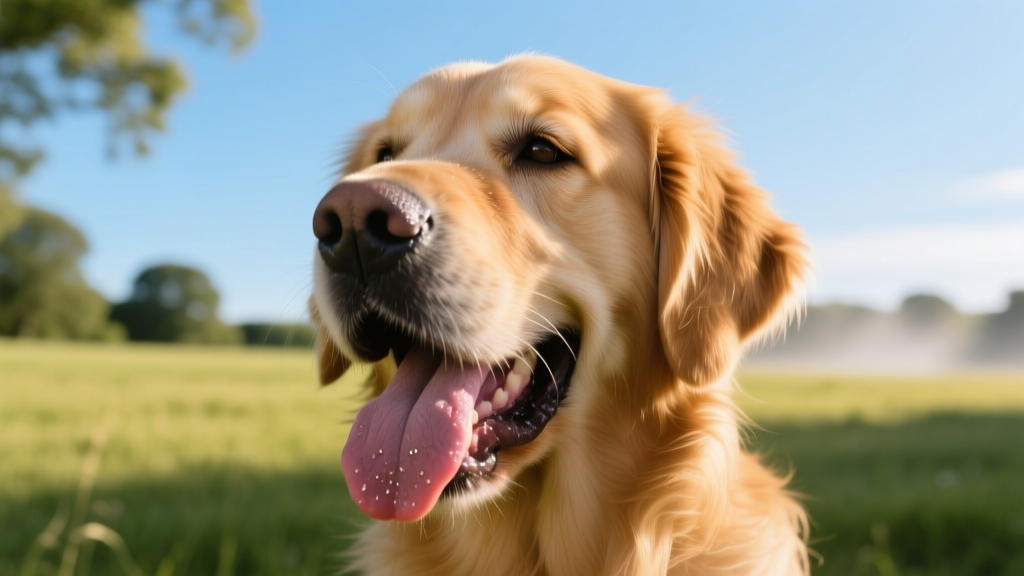
Quick Answer: Recognizing Heat Exhaustion in Dogs
The primary signs of heat exhaustion in dogs include excessive panting that doesn't slow with rest, drooling with thick or ropey saliva, bright red or purple gums, stumbling or disorientation, vomiting, and a rectal temperature above 104°F (40°C). Normal canine body temperature ranges from 101°F to 102.5°F (38.3°C–39.2°C). Once a dog's core temperature exceeds 106°F (41.1°C), cellular damage accelerates rapidly, leading to heat stroke — a life-threatening emergency. If you observe these signs, immediately move your dog to a cool area, apply cool (not ice-cold) water to their paw pads and belly, and contact your veterinarian or emergency clinic.
Why Dogs Overheat: The Physiology of Canine Cooling
Understanding the signs of heat exhaustion in dogs requires understanding how dogs regulate body temperature — and why their system is fundamentally different from ours.
How Dogs Dissipate Heat
Dogs rely on four primary mechanisms to shed excess body heat:
- Panting (evaporative cooling): Rapid, shallow breathing moves air across the moist surfaces of the tongue, mouth, and upper respiratory tract. As moisture evaporates, it carries heat away. This is a dog's primary cooling mechanism and can move up to 200–400 breaths per minute during thermal stress.
- Vasodilation: Blood vessels near the skin surface — particularly in the face, ears, and paw pads — dilate to bring warm blood closer to the cooler external environment. This is why a dog's ears and face may appear flushed or reddened during exertion.
- Conduction: Dogs seek cool surfaces (tile floors, shaded earth, water) to transfer body heat through direct contact. This is why overheated dogs instinctively lie on cool ground.
- Radiation: Minimal heat loss occurs through the skin surface via infrared radiation, though the insulating properties of the coat limit this pathway significantly.
Critically, dogs have very few functional sweat glands. The merocrine glands located in their paw pads produce sweat, but these contribute negligibly to overall cooling — estimated at less than 5% of total heat dissipation. Unlike humans, who can shed significant heat through whole-body perspiration, dogs are almost entirely dependent on respiratory evaporative cooling.
Research published in the Merck Veterinary Manual notes that canine thermoregulation begins to fail when ambient temperature approaches or exceeds the dog's body temperature (approximately 102°F / 38.9°C), because the temperature gradient required for convective and radiative heat loss disappears. At this point, panting becomes the sole remaining cooling avenue — and it has hard physiological limits.
When panting cannot keep pace with heat production, a cascade of physiological failures begins:
- Dehydration: Accelerated panting depletes body water reserves. As blood volume decreases, the cardiovascular system struggles to maintain adequate circulation to organs.
- Cardiovascular strain: Heart rate increases to compensate for reduced blood volume and peripheral vasodilation. Blood pressure may initially rise, then drop dangerously.
- Cellular stress: At core temperatures above 104°F (40°C), proteins begin to denature. Cell membranes become permeable. The gut lining can become compromised, allowing bacterial endotoxins to enter the bloodstream.
- Systemic inflammatory response: The body's immune system activates in response to cellular damage, potentially triggering disseminated intravascular coagulation (DIC) — a condition where blood clots form throughout the body while simultaneously depleting clotting factors, leading to hemorrhage.
- Multi-organ dysfunction: The kidneys, liver, brain, and gastrointestinal tract sustain damage. Without rapid intervention, this progression is fatal.
Evolutionary Context: Why Dogs Are Vulnerable to Heat
Ancestral Origins of Canine Thermoregulation
The gray wolf (Canis lupus), from which all domestic dogs descend, evolved primarily in temperate and subarctic climates across Eurasia and North America. Wolves developed a thermoregulatory system optimized for retaining heat in cold environments — dense double coats, compact body proportions (in northern populations), and a metabolism geared toward sustained activity in cool conditions.
Wolves manage heat primarily through behavioral adaptation rather than physiological cooling: they rest during the hottest parts of the day, hunt during dawn and dusk (crepuscular activity), seek shade and water, and reduce activity when temperatures rise. This behavioral thermoregulation strategy was sufficient for their ancestral environments.
Domestication over the past 15,000–30,000 years has placed dogs in environments their ancestral cooling system was never designed for. Humans have bred dogs for tropical climates, for sustained work in high temperatures (herding, hunting, military service), and — most problematically — for physical conformations that actively impair cooling. Brachycephalic (short-faced) breeds, in particular, represent a profound mismatch between evolutionary cooling architecture and modern breed standards.
The evolutionary legacy means that dogs carry a thermoregulatory system that is, in many ways, poorly matched to the demands humans place on them. Understanding this mismatch is essential for recognizing why heat exhaustion develops so quickly in domestic dogs.
Recognizing the Signs: A Staged Progression
Heat illness in dogs exists on a spectrum. Recognizing early signs of heat exhaustion in dogs — before the condition escalates to heat stroke — dramatically improves outcomes.
| Stage | Core Temp | Signs | Action Required |
|---|---|---|---|
| Heat Stress | 102.5–104°F (39.2–40°C) |
Heavy panting, restlessness, seeking shade/cool surfaces, increased heart rate, mild drooling | Move to cool area, offer water, allow rest. Monitor closely for 15–20 minutes. |
| Heat Exhaustion | 104–106°F (40–41.1°C) |
Excessive panting that doesn't resolve, thick/ropey saliva, bright red gums, glazed eyes, stumbling, vomiting, diarrhea, weakness | Begin active cooling (cool water on paws/belly), offer small amounts of water, contact veterinarian immediately. |
| Heat Stroke | Above 106°F (41.1°C+) |
Collapse, seizures, unconsciousness, bloody vomit/diarrhea, blue or gray gums (cyanosis), muscle tremors, no response to stimuli | EMERGENCY. Apply cool water, transport to veterinary hospital immediately. Survival depends on minutes. |
A critical detail many owners miss: panting alone is not necessarily a sign of heat distress. Dogs pant after exercise, during excitement, and when anxious. The distinguishing feature of heat-related panting is that it does not diminish with rest. A dog that continues to pant heavily 10–15 minutes after stopping activity, especially with a wide, "spatulate" tongue shape (tongue broadened and flattened rather than its normal shape), is signaling thermoregulatory failure.
Breed Variations: Which Dogs Face the Highest Risk?
Not all dogs face equal risk. Breed conformation, coat type, body condition, and age all significantly influence susceptibility to heat exhaustion.
Brachycephalic Breeds — The Highest Risk Category
Flat-faced breeds including Bulldogs (English and French), Pugs, Boston Terriers, Shih Tzus, and Boxers suffer from brachycephalic obstructive airway syndrome (BOAS). Their shortened skulls compress the upper airway structures — elongated soft palates, narrowed nostrils (stenotic nares), and a hypoplastic (undersized) trachea all restrict airflow. Since panting is the primary cooling mechanism, any restriction of the airway directly impairs the dog's ability to shed heat.
Studies cited by the American Veterinary Medical Association have shown that brachycephalic dogs can develop heat distress at ambient temperatures that cause no stress in mesocephalic (medium-faced) breeds. For these dogs, the threshold for dangerous heat exposure may be as low as 75°F (24°C) during sustained activity.
Other High-Risk Categories
- Thick double-coated breeds: Siberian Huskies, Alaskan Malamutes, Samoyeds, and Chow Chows carry insulation designed for subzero temperatures. Their dense undercoat traps heat close to the body, slowing convective cooling.
- Large and giant breeds: Greater body mass means greater total heat production during activity. Breeds like Bernese Mountain Dogs, Newfoundlands, and Saint Bernards generate significant metabolic heat.
- Overweight and obese dogs: Adipose tissue acts as insulation and increases the metabolic cost of movement. A dog with a body condition score (BCS) of 7 or above (on the 9-point scale) carries significantly elevated risk.
- Senior dogs and puppies: Immature thermoregulatory systems (puppies under 6 months) and age-related decline in cardiovascular efficiency (seniors) reduce the body's ability to respond to thermal stress.
- Dogs with cardiac or respiratory disease: Any pre-existing condition that compromises oxygen delivery or airway function reduces the margin of safety.
How Is Canine Thermoregulation Different from Humans?
This comparison helps explain why dogs overheat in conditions that feel comfortable to their owners:
| Feature | Humans | Dogs |
|---|---|---|
| Primary cooling mechanism | Sweating (whole-body eccrine glands) | Panting (respiratory evaporation) |
| Sweat gland coverage | 2–4 million eccrine glands across skin surface | Merocrine glands only in paw pads (<5% cooling contribution) |
| Normal body temperature | 98.6°F (37°C) | 101–102.5°F (38.3–39.2°C) |
| Dangerous core temperature | Above 104°F (40°C) | Above 106°F (41.1°C) |
| Insulation | Minimal body hair; clothing adjustable | Permanent fur coat; variable density by breed |
| Cooling rate during exercise | Up to 1–2 liters of sweat per hour | Limited to respiratory moisture loss |
The practical implication: a 78°F (25.5°C) day with moderate humidity may feel pleasant to you while your dog is working at the edge of their cooling capacity — especially during sustained activity like hiking or playing at a dog park. You cannot use your own thermal comfort as a proxy for your dog's safety.
Common Misconceptions About Canine Heat Exhaustion
| Myth | Fact |
|---|---|
| "Shaving my double-coated dog will keep them cooler in summer." | Double coats actually provide insulation against heat as well as cold. The outer guard hairs reflect solar radiation and the undercoat traps a layer of air that buffers against temperature extremes. Shaving removes UV protection and can cause the coat to regrow improperly (post-clipping alopecia). Instead, thorough de-shedding of the undercoat with an undercoat rake is more effective. |
| "If my dog is drinking water, they can't be overheating." | Water intake does not prevent heat exhaustion. Dehydration is a secondary effect, not the primary cause. A dog can drink adequate water and still suffer dangerous core temperature elevation if heat production exceeds dissipation capacity. |
| "Dogs will stop and rest before they overheat." | Many dogs, particularly working breeds and high-drive dogs (Border Collies, Belgian Malinois, Labrador Retrievers), will push past their physical limits to continue an activity they find rewarding. They lack the self-regulating "stop" mechanism that owners assume they have. It is the owner's responsibility to enforce rest breaks. |
| "It's only dangerous if it's above 90°F outside." | Heat exhaustion can occur at much lower temperatures, especially with high humidity (which reduces evaporative cooling efficiency), direct sun exposure, or during sustained activity. Brachycephalic breeds can experience heat distress at temperatures as low as 75°F (24°C). The Humane Society and ASPCA recommend caution for all dogs when the heat index exceeds 80°F (27°C). |
| "Putting ice on an overheated dog is the best first aid." | Ice or ice-cold water causes peripheral vasoconstriction — blood vessels near the skin tighten, which actually traps heat in the body's core. Use cool (not cold) water at approximately 70–75°F (21–24°C), applied to the paw pads, belly, and groin where blood vessels are closer to the surface. A fan directed at a wetted dog accelerates evaporative cooling significantly. |
Practical Implications: Protecting Your Dog from Heat Exhaustion
Evidence-Based Prevention Strategies
Exercise Timing and Intensity
- Walk and exercise dogs during early morning (before 8 AM) and evening (after 7 PM) during summer months.
- Use the "7-second pavement test": press the back of your hand against asphalt or concrete for 7 seconds. If it's too hot for your skin, it will burn your dog's paw pads and radiate heat upward into their body.
- Reduce exercise intensity when temperatures exceed 80°F (27°C). Replace long runs with shorter, shaded walks and mental enrichment activities (sniffing games, puzzle toys).
- Enforce mandatory rest breaks every 15–20 minutes during any sustained activity in warm weather — regardless of whether your dog appears to want to stop.
Environmental Management
- Ensure continuous access to shade and fresh water when outdoors. Shade structures should provide coverage throughout the day as the sun moves — a single stationary shade spot becomes ineffective within hours.
- Provide cooling options: elevated mesh cots (which allow air circulation underneath), cooling mats (gel-based or pressure-activated), and shallow wading pools for dogs that enjoy water.
- Never leave a dog in a parked vehicle, even with windows cracked. Interior temperatures can reach 120°F (49°C) within 20 minutes on a 75°F (24°C) day, according to research from Stanford University.
- Indoor environments should be climate-controlled. If your home lacks air conditioning, use fans and ensure cross-ventilation. Basements or ground-level rooms with tile flooring provide natural cooling.
Hydration Protocol
- Offer water every 15–20 minutes during outdoor activity. Carry a collapsible bowl and at least 16 oz (475 mL) of water per hour of planned activity for a medium-sized dog (30–50 lb / 14–23 kg).
- Consider electrolyte-enhanced water formulated for dogs (products like K9 Power or Dogswell Vitality) for extended outdoor activity. Avoid human sports drinks, which contain inappropriate sugar and sodium concentrations.
- Monitor urine color: pale yellow indicates adequate hydration; dark yellow or amber signals dehydration requiring immediate water intake and rest.
When Heat Exhaustion Signals a Deeper Problem
While most heat exhaustion episodes result from environmental exposure, some dogs develop heat intolerance as a symptom of underlying disease. Consult your veterinarian if your dog:
- Shows heat distress at temperatures or activity levels they previously tolerated without difficulty
- Experiences repeated episodes of heat exhaustion despite appropriate environmental management
- Pants excessively at rest in comfortable indoor temperatures (below 72°F / 22°C)
- Displays exercise intolerance that develops suddenly rather than gradually with age
Underlying conditions that can manifest as heat intolerance include:
- Laryngeal paralysis: Common in older large breeds (Labrador Retrievers, Golden Retrievers, Saint Bernards), this condition impairs the function of the larynx, restricting airflow and reducing panting efficiency.
- Hypothyroidism: Reduced thyroid function impairs metabolic regulation, which can disrupt normal thermoregulatory responses.
- Cardiac disease: Heart conditions reduce the cardiovascular system's ability to support the increased demands of heat dissipation (elevated heart rate, peripheral vasodilation).
- Obesity: Beyond the insulation effect, excess weight increases metabolic heat production during any activity and places additional strain on the cardiovascular system.
- Brachycephalic obstructive airway syndrome (BOAS): Dogs with untreated BOAS may require surgical intervention (soft palate resection, nostril widening) to achieve adequate airway function for normal thermoregulation.
⚠️ When to Call the Vet Immediately
Seek emergency veterinary care if your dog exhibits any of the following:
- Rectal temperature at or above 104°F (40°C)
- Panting that does not diminish after 15 minutes of rest in a cool environment
- Bright red, purple, blue, or gray gum color
- Vomiting or diarrhea containing blood
- Stumbling, collapse, seizures, or loss of consciousness
- Unresponsiveness to their name or familiar commands
While transporting your dog to the vet, apply cool water to their paw pads, belly, and groin. Run the vehicle's air conditioning at maximum. Do not wrap the dog in wet towels, as this traps heat — instead, allow airflow over wetted skin. Offer small amounts of cool water, but do not force drinking.
ASPCA Animal Poison Control: (888) 426-4435 (available 24/7, consultation fee applies) — call if heat exhaustion is compounded by ingestion of a toxic substance.
Related Canine Science Topics
Understanding heat exhaustion connects to several other areas of canine physiology and behavior:
- Brachycephalic obstructive airway syndrome (BOAS): The anatomical basis for why flat-faced breeds struggle with thermoregulation — and what surgical options exist.
- Canine exercise physiology: How muscle metabolism, oxygen delivery, and energy systems work in dogs — and why breed type determines ideal exercise patterns.
- Coat science and grooming: The insulating properties of different coat types, the function of guard hairs vs. undercoat, and evidence-based grooming practices for seasonal temperature management.
- Paw pad anatomy and care: The role of paw pads in thermoregulation, their vulnerability to thermal burns on hot surfaces, and protective strategies.
Frequently Asked Questions
Can dogs sweat to cool down like humans do?
Dogs possess merocrine sweat glands only in their paw pads, and these contribute minimally to cooling — estimated at less than 5% of total heat dissipation. Their primary cooling mechanism is evaporative cooling through panting, which moves air across the moist surfaces of the tongue and respiratory tract. This is fundamentally different from human whole-body sweating and is less efficient during high-humidity conditions, which reduce evaporation rates.
Is panting always a sign of heat exhaustion?
No. Panting is a normal canine behavior triggered by exercise, excitement, stress, anxiety, and pain — not only heat. Heat-related panting is distinguished by its persistence: it does not diminish after 10–15 minutes of rest in a cool environment. The tongue shape also changes — dogs in thermal distress often display a wide, flat, "spatulate" tongue rather than the typical narrower tongue shape seen in normal panting.
What does it mean when my dog seeks tile floors or bathtubs in summer?
This is behavioral thermoregulation through conduction. Your dog is seeking surfaces that absorb body heat through direct contact. Tile, stone, porcelain, and concrete conduct heat away from the body far more effectively than carpet or bedding. This behavior is normal and adaptive — it indicates your dog is actively managing their body temperature. Provide access to cool surfaces and consider elevated cooling cots for outdoor use.
How long does it take for a dog to recover from heat exhaustion?
Mild heat exhaustion, caught early and treated promptly, may resolve within 24–48 hours with veterinary guidance. Moderate to severe cases requiring hospitalization can involve 2–5 days of intensive care including IV fluid therapy, temperature monitoring, and organ function assessment. Dogs that experience severe heat stroke (core temperature above 106°F / 41.1°C) may sustain permanent organ damage, particularly to the kidneys. Some dogs never fully recover renal or hepatic function. The prognosis depends directly on how high the core temperature rose and how quickly cooling was initiated.
Are certain times of day more dangerous for dogs in hot weather?
Yes. Peak danger occurs between 10 AM and 6 PM, when solar radiation is most intense and surfaces like asphalt and concrete have accumulated heat. Asphalt can reach 140–160°F (60–71°C) on a 85°F (29°C) day — hot enough to cause paw pad burns within seconds and to radiate significant heat upward into a dog's body. Early morning and after sunset are substantially safer windows for outdoor activity.
Sources
- Merck Veterinary Manual — Heat Stroke (Hyperthermia) in Dogs: merckvetmanual.com
- ASPCA — Keeping Pets Safe in Warm Weather: aspca.org/pet-care/general-pet-care/keeping-pets-safe-warm-weather
- AVMA — Brachycephalic Breeds and Respiratory Health: avma.org/resources-tools/animal-health-and-welfare/brachycephalic-breeds
This article is intended for educational purposes and does not replace professional veterinary advice. Always consult your veterinarian for diagnosis and treatment of heat-related illness in your dog.
Robin Maitland
All our authors care for dogs every day — read more of their work on the authors page.


