The Science Behind Dogs That Don't Shed a Lot: Genetics,
Explore the genetics, physiology, and evolutionary biology behind dogs that don't shed a lot — plus breed data, care tips, and common myths debunked.
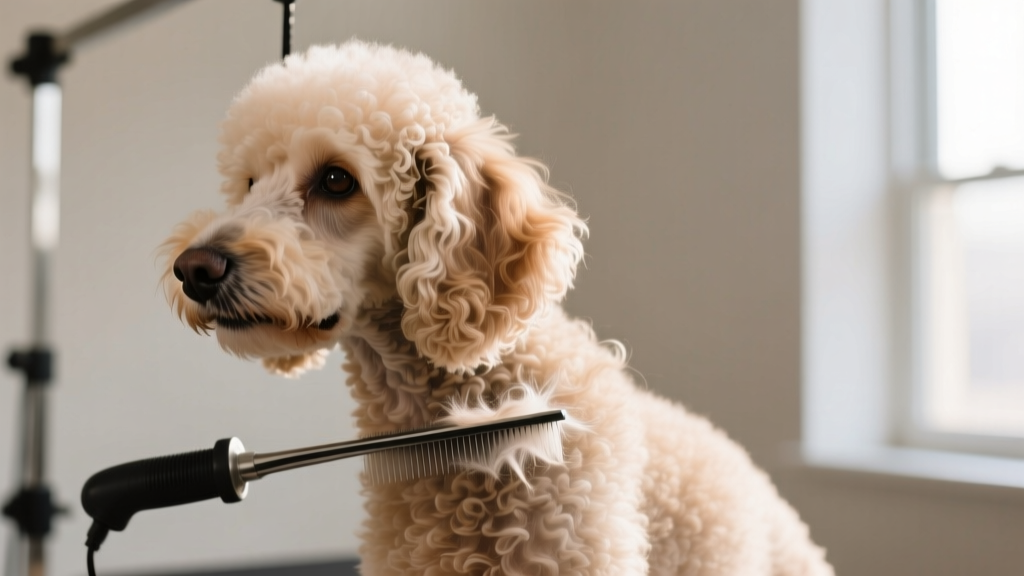
Quick Answer: Dogs that don't shed a lot aren't truly "non-shedding" — every dog loses some hair. Low-shed breeds like Poodles, Bichon Frisés, and Portuguese Water Dogs have a single-layer coat with a prolonged anagen (growth) phase, meaning hair grows continuously like human scalp hair rather than cycling through rapid growth-and-shed phases. A 2009 study published in Science identified the FGF5 gene variant as a primary driver of long, continuously-growing coats in dogs. These breeds still require regular grooming (every 4–8 weeks, costing $50–$120 per session) to prevent matting, and they are not guaranteed hypoallergenic — allergies are triggered by dander and saliva proteins (Can f 1 and Can f 2), not hair length alone.
Why Do Some Dogs Shed So Little? The Genetics Explained
Shedding is governed by the hair follicle growth cycle, which consists of three phases: anagen (active growth), catagen (transition), and telogen (resting/shedding). In most double-coated breeds — think Labrador Retrievers, German Shepherds, and Siberian Huskies — a large percentage of follicles enter telogen simultaneously, typically triggered by changes in daylight hours (photoperiod). This produces the infamous seasonal "coat blow" where tufts of undercoat release en masse.
Low-shedding dogs carry genetic variants that fundamentally alter this cycle. Research published in Science (Cadieu et al., 2009) pinpointed three key genes:
- FGF5 (Fibroblast Growth Factor 5): Controls hair length. A loss-of-function mutation allows hair to grow much longer before the follicle cycles out of anagen.
- RSPO2 (R-spondin-2): Responsible for "furnishings" — the longer facial hair, eyebrows, and mustaches seen in breeds like Schnauzers and Scottish Terriers.
- KRT71 (Keratin 71): Produces the curly coat phenotype seen in Poodles, Bichons, and related breeds. The curl traps shed hairs within the coat rather than releasing them into the environment.
When a dog inherits the long-hair FGF5 variant plus the KRT71 curl variant, the result is a coat that grows continuously, curls tightly, and holds loose hairs within its structure until they're brushed out. This is why a Standard Poodle may appear to shed almost nothing — the hair isn't falling to your floor; it's caught in the curls.
Evolutionary Context: Why Ancestral Dogs Shed Seasonally
From Wolves to Living Rooms: The ancestral wolf (Canis lupus) evolved a dense double coat as a thermoregulatory adaptation to harsh, variable climates across the Northern Hemisphere. The outer guard hairs (primary hairs) repel moisture and UV radiation, while the undercoat (secondary hairs) provides insulation. Seasonal shedding — triggered by melatonin-mediated responses to changing photoperiod — allowed wolves to "downgrade" insulation for summer and regrow it for winter.
Low-shedding coat types are a product of artificial selection, not natural selection. Humans selectively bred dogs for hypoallergenic coats, specific working roles (like water retrieval where a curly coat provides insulation without waterlogging), or aesthetic preferences. The Poodle's iconic corded or curly coat likely originated as a functional adaptation for water retrieving in cold European rivers — the tight curls trap air for buoyancy and insulation without absorbing excess water the way a flat coat would.
This evolutionary mismatch explains a practical problem: low-shedding dogs living in climate-controlled homes don't receive the photoperiod signals that would normally regulate coat cycling. Their continuously-growing coats, without the natural "reset" of seasonal shedding, are prone to matting if not maintained. A matted coat restricts airflow to the skin, creating warm, humid micro-environments where Malassezia yeast and bacterial pyoderma can thrive — conditions rarely seen in properly-groomed counterparts.
The Physiology of Low-Shedding Coats: How the Follicle Works
Each canine hair follicle is a compound structure: one primary (guard) hair surrounded by 3–15 secondary (undercoat) hairs, all emerging from a single pore. In double-coated breeds, the ratio of secondary to primary hairs can reach 15:1, producing dense insulation that sheds prolifically.
Low-shedding breeds typically have simple follicles — predominantly primary hairs with few or no secondary hairs. This single-coat structure means:
- Fewer total hairs per square inch: A Poodle has roughly 800–1,200 hairs per cm², compared to a Husky's 8,000–12,000 hairs per cm².
- Extended anagen duration: Instead of a 30–60 day growth cycle, individual hairs may grow for 6–12 months before cycling.
- Synchronized shedding is absent: Follicles cycle independently, so hair loss is distributed across months rather than concentrated in weeks.
Key Distinction — Hair vs. Fur: Veterinarians and groomers sometimes use "hair" and "fur" interchangeably, but in canine science, the distinction maps to growth cycle behavior. "Fur" refers to coats with a short anagen phase and synchronized shedding (telogen-dominant). "Hair" describes coats with prolonged anagen and asynchronous cycling — functionally similar to human scalp hair. Both are made of keratin; the difference is cycle timing, not material composition.
Which Breeds Shed the Least? Data Comparison
Shedding levels are influenced by coat type, follicle density, and individual genetic variation. The table below compares popular low-shedding breeds across measurable traits relevant to owners:
| Breed | Coat Type | Shedding Level (1–5) | Grooming Interval | Avg. Grooming Cost | Weight Range |
|---|---|---|---|---|---|
| Poodle (Standard) | Curly single | 1/5 | 4–6 weeks | $75–$120 | 40–70 lb / 18–32 kg |
| Bichon Frisé | Curly double (powder-puff) | 1/5 | 4–6 weeks | $55–$90 | 12–18 lb / 5–8 kg |
| Portuguese Water Dog | Curly or wavy single | 2/5 | 6–8 weeks | $80–$130 | 35–60 lb / 16–27 kg |
| Schnauzer (Miniature) | Wire (furnished) | 2/5 | 5–8 weeks | $50–$85 | 11–20 lb / 5–9 kg |
| Soft Coated Wheaten Terrier | Silky single | 2/5 | 6–8 weeks | $65–$100 | 30–40 lb / 14–18 kg |
| Yorkshire Terrier | Silky single (long) | 1/5 | 4–6 weeks | $50–$80 | 4–7 lb / 2–3 kg |
| Chinese Crested (Powderpuff) | Long silky (partial) | 1/5 | 3–4 weeks | $45–$75 | 8–12 lb / 4–5 kg |
Shedding level is rated on a 1–5 scale where 1 = minimal visible shedding and 5 = heavy seasonal shedding. These ratings reflect typical individuals; mixed-breed dogs inheriting low-shedding gene variants from one parent may fall anywhere on the spectrum depending on whether the trait expresses as dominant or recessive in their specific lineage.
Common Myths About Low-Shedding Dogs — Debunked
| Myth | Fact |
|---|---|
| "Non-shedding dogs are hypoallergenic." | No dog breed is truly hypoallergenic. Allergens are proteins in dander (dead skin cells), saliva, and urine — specifically Can f 1 and Can f 2 lipocalin proteins. A 2011 study in the American Journal of Rhinology & Allergy found no significant difference in allergen levels between homes with "hypoallergenic" breeds and homes with shedding breeds. Low-shedding dogs may reduce allergen dispersal because fewer hairs carry dander into the environment, but individual reactions vary enormously. |
| "Low-shedding dogs don't need grooming." | They require more grooming, not less. Continuously-growing coats mat without regular brushing (daily to every other day at home) and professional clipping every 4–8 weeks. Neglected mats pull on skin, cause pain, restrict movement, and create conditions for hot spots and fungal infections. |
| "Shaving a low-shed dog in summer keeps them cool." | A dog's coat provides insulation against heat as well as cold. Shaving removes UV protection and can lead to sunburn, especially in light-skinned breeds. For single-coated breeds, clipping to 1–2 inches is acceptable; shaving to the skin is not recommended. Consult a certified groomer familiar with breed-specific coat care. |
| "Designer breeds like Labradoodles always inherit low-shedding coats." | F1 (first-generation) Labradoodles inherit one Poodle allele and one Labrador allele at each coat gene locus. Because the curl and long-hair variants are incompletely dominant, F1 puppies in the same litter can range from wavy and low-shedding to flat-coated and heavy-shedding. Only F1B (backcross to Poodle) or multigenerational lines with genetic testing have more predictable low-shedding outcomes. Always ask breeders for Embark or Wisdom Panel genetic test results for coat gene markers. |
| "Hairless breeds don't shed at all." | Hairless breeds like the Chinese Crested (Hairless variety) and Xoloitzcuintli still have hair follicles on the head, tail, and feet that produce shed hairs. They also shed significant amounts of dander and produce the same salivary allergens as coated breeds. |
Practical Care for Low-Shedding Dogs: What Owners Need to Know
Owning a low-shedding breed trades vacuuming for grooming. Here's what the daily, monthly, and annual commitment looks like with specific numbers:
Daily to Weekly Home Grooming
- Brushing: 5–15 minutes daily or every other day using a slicker brush (e.g., Chris Christensen Big G, ~$65) followed by a stainless-steel greyhound comb (~$12–$18) to check for remaining tangles. The comb should glide through the coat to the skin without catching.
- Face and eye area: Wipe daily with a damp cloth to prevent tear staining, especially in white-coated breeds like Bichons and Maltese. Tear stains result from porphyrin pigments in tears — not related to shedding but a common care concern for these breeds.
- Ear care: Low-shedding breeds with hairy ear canals (Poodles, Portuguese Water Dogs) need ear hair plucking or trimming every 2–3 weeks to prevent moisture trapping and otitis externa. Use a hemostat for plucking or ask your groomer to handle it. Apply a veterinarian-recommended ear cleanser (e.g., Epi-Otic Advanced, ~$16–$22 per bottle) weekly.
Professional Grooming Schedule & Costs
- Frequency: Every 4–8 weeks depending on breed, coat length preference, and season (faster growth in warmer months).
- Cost per session (2026 averages, US): Small breeds (under 20 lb): $50–$85. Medium breeds (20–50 lb): $65–$110. Large breeds (50+ lb): $80–$150. Urban areas (NYC, SF, Chicago) run 20–40% higher.
- Annual grooming budget: Plan for $500–$1,500/year depending on breed size and frequency. This is a non-negotiable cost — skipping grooming leads to veterinary bills for skin infections that far exceed grooming costs.
When Excessive Shedding Signals a Problem
If your low-shedding dog suddenly begins shedding noticeably more than usual, this may indicate an underlying condition rather than normal seasonal variation. According to the Merck Veterinary Manual, common causes of abnormal hair loss (alopecia) in low-shedding breeds include:
- Hypothyroidism: Particularly common in Standard Poodles and Portuguese Water Dogs. Symptoms include bilateral symmetrical hair loss, lethargy, weight gain, and dry skin. Diagnosis requires a full thyroid panel (total T4, free T4, TSH) costing $120–$250.
- Cushing's disease (hyperadrenocorticism): Produces thinning coat, pot-bellied appearance, increased thirst and urination. More common in middle-aged to senior dogs. Diagnosis via ACTH stimulation test or low-dose dexamethasone suppression test ($200–$400).
- Alopecia X (Growth Hormone-Responsive Dermatosis): Primarily affects Pomeranians and Poodle mixes. Causes gradual truncal hair loss without systemic illness. Diagnosis is by exclusion; treatment may involve melatonin supplementation (3–6 mg twice daily) or microneedling protocols.
- Nutritional deficiencies: Inadequate dietary zinc, essential fatty acids, or protein can cause coat deterioration. Dogs on homemade diets without veterinary nutritionist formulation are at particular risk.
- Stress-induced telogen effluvium: Acute stressors (surgery, boarding, bereavement of a companion animal) can push a large number of follicles into telogen simultaneously, causing a sudden shed 6–12 weeks after the event.
If you notice patchy hair loss, bald spots, excessive scratching, or a sudden change in coat texture, consult your veterinarian. A skin scrape, fungal culture, and bloodwork can rule out the most common causes.
How Is Dog Hair Growth Different From Human Hair?
While low-shedding dog coats are often compared to human hair, the physiological differences are significant:
- Compound follicles: Humans have simple follicles (one hair per pore). Dogs — even single-coated breeds — retain compound follicle structures where multiple hairs can emerge from one pore, though the ratio is much lower than in double-coated breeds.
- Arrector pili muscles: Dogs have smooth muscles attached to each follicle that can erect hairs (piloerection) for thermoregulation or communication — the "hackles raised" response. Humans retain vestigial arrector pili muscles (producing goosebumps) but lack functional piloerection.
- Growth rate: Canine hair grows approximately 0.3–0.5 mm/day depending on breed and body region, compared to human scalp hair at ~0.35–0.45 mm/day. The rates are similar, but canine hair has a shorter maximum terminal length before cycling.
- Sebaceous gland activity: Dog follicles have proportionally larger sebaceous glands that produce sebum for waterproofing and skin barrier function. This is why dog-specific shampoos are formulated at a higher pH (6.5–7.5) than human shampoos (4.5–5.5). Using human shampoo on dogs strips protective sebum and disrupts the acid mantle.
Key Takeaways for Prospective Owners
- Budget for grooming before you commit. Annual professional grooming costs ($500–$1,500) should be factored into your total cost of ownership alongside food, veterinary care, and insurance.
- Ask for genetic test results. If buying a designer/mixed breed marketed as "non-shedding," request Embark or Wisdom Panel DNA results confirming the FGF5 long-hair variant and KRT71 curl variant. Without both, shedding is unpredictable.
- Spend time with the breed before assuming allergy compatibility. Visit a breeder or rescue and spend at least 2–3 hours in an enclosed space with the dog. Allergic reactions can be delayed 30–90 minutes after exposure.
- Invest in home grooming tools. A quality slicker brush, greyhound comb, and detangling spray (e.g., Chris Christensen Ice on Ice, ~$22) will save $300–$600 annually by extending intervals between professional sessions.
- Never shave to the skin. Maintain at least 1 inch of coat length for UV protection and thermoregulation. Discuss clip length with your groomer based on breed standard and lifestyle.
Frequently Asked Questions
Can dogs that don't shed a lot still trigger allergies?
Yes. The primary canine allergens — Can f 1 and Can f 2 — are lipocalin proteins found in saliva, dander, and sebaceous gland secretions, not in the hair itself. Low-shedding breeds may disperse fewer allergen-carrying hairs into the environment, but they still produce the same proteins. Individual dogs within a breed vary in allergen production. Some allergy sufferers tolerate specific dogs but not others of the same breed. An allergist can perform specific IgE testing to determine your sensitivity profile before you commit to a breed.
What does it mean when my low-shedding dog suddenly starts shedding?
A sudden increase in shedding in a typically low-shedding breed often signals an underlying medical issue — most commonly hypothyroidism, Cushing's disease, or a nutritional deficiency. It can also follow acute stress events (surgery, relocation, loss of a household member) with a 6–12 week delay. Schedule a veterinary exam including a complete blood count, chemistry panel, and thyroid testing. If all medical causes are ruled out, evaluate recent diet changes, medication introductions, or environmental stressors.
Is it normal for low-shedding puppies to shed their puppy coat?
Yes. All puppies, regardless of breed, shed their soft puppy coat between 4–8 months of age as the adult coat grows in. Even Poodle puppies go through this transition. During this period, you may notice significantly more loose hair than usual, and the coat texture may become uneven or patchy temporarily. Daily brushing during this transition prevents the dead puppy coat from matting into the emerging adult coat. The adult coat's true texture and shedding pattern won't be fully apparent until 12–18 months of age.
How do dogs with curly coats regulate temperature without shedding?
Curly-coated breeds rely on the same thermoregulatory mechanisms as other dogs: panting (evaporative cooling through the respiratory tract), vasodilation of blood vessels in the ears and paw pads, and seeking shade or cool surfaces. The coat itself provides insulation that slows heat gain from the environment — similar to how a well-insulated house stays cooler in summer. The misconception that dogs "need" to shed their coat to stay cool in summer is not supported by veterinary dermatology. A properly maintained, mat-free coat of appropriate length (1–2 inches in summer) provides optimal thermal regulation.
Are there any health risks specific to low-shedding coat types?
Yes. The continuously-growing coat creates several breed-specific risks: matting and skin infections if grooming is neglected; otitis externa (ear infections) in breeds with hairy ear canals; periocular dermatitis (skin inflammation around the eyes) from hair trapping moisture and tear debris; and clipper alopecia — a condition where repeatedly clipped areas fail to regrow hair, particularly seen in Poodles and Bichons. Using sharp, well-maintained clipper blades and avoiding very close clips reduces this risk.
Sources & Further Reading
- Cadieu, E. et al. (2009). "Genome-wide association study identifies a single major locus for canine hair length." Science, 326(5949). NIH Full Text
- Vredegoor, D.W. et al. (2012). "Can f 1 levels in hair and homes of various dog breeds." Journal of Allergy and Clinical Immunology, 130(4).
- AKC: Grooming Your Dog — Coat Care Basics
- Merck Veterinary Manual: Alopecia Overview in Dogs
Marcus Aldridge
All our authors care for dogs every day — read more of their work on the authors page.


