Long Hair Weiner Dog Genetics: The Science Behind Their Silky Coats
Discover the canine science behind the long hair weiner dog coat — FGF5 gene mutations, grooming needs, health risks, and what makes their fur unique.
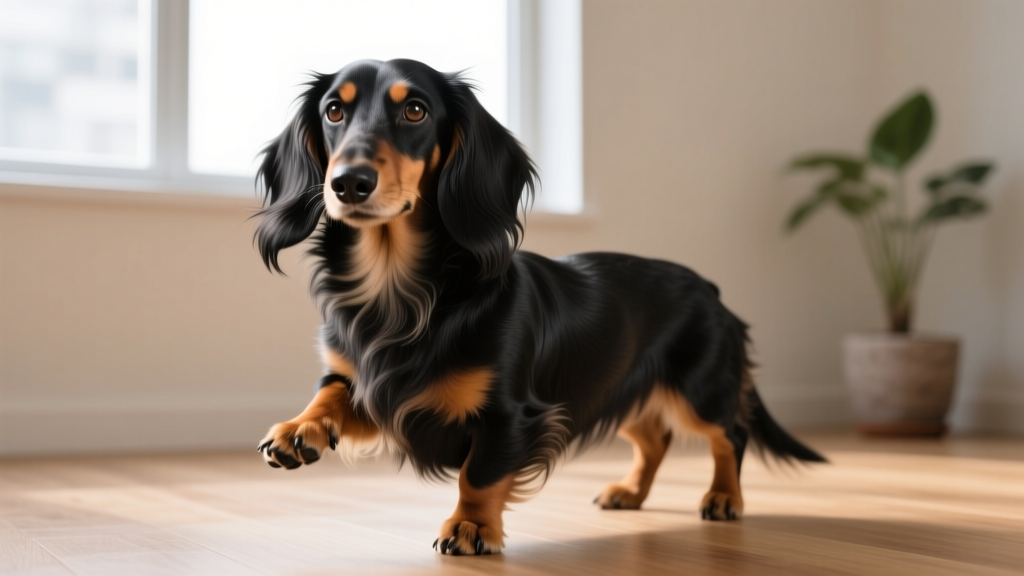
Why Do Long Hair Weiner Dogs Have Long Coats?
The long hair weiner dog (Longhaired Dachshund) carries a recessive mutation in the FGF5 (Fibroblast Growth Factor 5) gene, which controls the length of the hair growth cycle (anagen phase). When a Dachshund inherits two copies of this long-hair variant — one from each parent — the hair follicles remain in the active growth phase significantly longer than in smooth-coated Dachshunds, producing the flowing, silky coat characteristic of the variety. This is a purely cosmetic genetic trait with no direct impact on temperament or hunting ability, though it does alter grooming requirements and thermal regulation.
If you've ever watched a Longhaired Dachshund trot through tall grass with feathered ears catching the breeze, you've witnessed one of the most visually striking outcomes of a single gene mutation in domestic dogs. But there's real science beneath that beautiful coat — and understanding it helps you care for these dogs far better than generic grooming advice ever could.
The FGF5 Gene: How Long Hair Weiner Dogs Get Their Coats
The Hair Growth Cycle, Simplified
Every hair on a dog's body cycles through three phases:
- Anagen (growth phase): The follicle actively produces hair. In short-coated breeds, this may last only a few weeks before the hair reaches its genetically programmed terminal length.
- Catagen (transition phase): Growth stops; the follicle shrinks and detaches from the dermal papilla.
- Telogen (resting/shedding phase): The old hair is released and eventually pushed out by a new anagen cycle.
The FGF5 protein acts as a brake on the anagen phase. When the gene functions normally, it signals follicles to stop growing and enter catagen. In Longhaired Dachshunds, a loss-of-function mutation in FGF5 means that brake is weakened — follicles keep growing hair longer before cycling out.
Research published in the journal Science (Cadieu et al., 2009) identified FGF5 as one of three major genes controlling coat variation in domestic dogs. The study analyzed DNA from over 1,000 dogs across 80 breeds and confirmed that the long-hair phenotype across breeds — from Longhaired Dachshunds to Afghan Hounds to Yorkshire Terriers — traces back to variants in this same gene.
For Dachshunds specifically, the long-hair trait is autosomal recessive. This means:
- A dog must inherit two copies of the long-hair allele (L/L genotype) to express the long coat.
- Dogs with one copy (S/L) appear smooth-coated but carry the long-hair gene and can pass it to offspring.
- Two smooth-coated carriers bred together can produce long-haired puppies — which sometimes surprises owners who assumed both short-haired parents meant only short-haired pups.
Evolutionary Origins: From German Forests to Your Living Room
Why Would a Hunting Dog Evolve Long Hair?
It didn't — not naturally. The long-haired variety of Dachshund was developed through deliberate crossbreeding in 17th–18th century Germany. Breeders introduced spaniel-type dogs (likely Stöberhunde and early German Spaniels) into Dachshund lines to produce a coat better suited to cold, wet conditions during badger hunts (Dachshund literally means "badger dog").
Wolves and early canids in temperate Europe already possessed double coats with guard hairs and undercoat for insulation. The FGF5 mutation was present in the broader canine gene pool. Selective breeding simply concentrated it within the Dachshund breed to create a functional advantage: a longer, water-resistant outer coat that protected against brambles, frost, and icy burrows during underground work.
The AKC breed standard recognizes three coat varieties — Smooth, Wirehaired, and Longhaired — all within the same breed. The Longhaired variety's coat was not merely ornamental; it served a practical purpose for hunters working in harsh Central European winters. The feathering on the ears, chest, legs, and tail provided additional protection against thorny underbrush while flushing game.
According to the Merck Veterinary Manual, Dachshunds were bred in three sizes (Standard, Miniature, and the now-unofficial "Tweenie" range) to pursue different prey. The long coat was applied across all sizes, creating the variety we see today.
Physiological Mechanism: What's Actually Happening in the Follicle
At the cellular level, the FGF5 mutation in long hair weiner dogs affects signaling between the dermal papilla (the cluster of cells at the base of the hair follicle) and the matrix keratinocytes (the cells that build the hair shaft).
Here's the chain of events:
- Normal FGF5 function: After the hair reaches a predetermined length (genetically set for each body region), FGF5 protein is secreted by dermal papilla cells, binding to FGFR receptors on surrounding cells and triggering catagen onset.
- Mutated FGF5 (long-hair variant): The protein is either not produced or is structurally non-functional. Without the catagen signal, matrix keratinocytes continue dividing and producing hair shaft material.
- Result: Hair on the ears, chest, underside, legs, and tail can grow to 4–8 inches before eventually cycling, compared to 0.5–1.5 inches in smooth-coated Dachshunds.
Importantly, the mutation affects different body regions unevenly. The coat on the back and head remains relatively shorter (typically 1–3 inches), while the feathering areas — governed by regional differences in follicle sensitivity — grow substantially longer. This creates the breed's signature silhouette: a moderately coated body with dramatic ear fringe, a full chest ruff, and a flag-like tail.
| Trait | Smooth | Wirehaired | Longhaired |
|---|---|---|---|
| Primary gene | Wild-type FGF5 (short-hair dominant) | RSPO2 (furnishing/wire gene) | FGF5 recessive long-hair variant |
| Coat length (body) | 0.25–0.75 in | 0.75–1.5 in | 1–3 in (body); 4–8 in (feathering) |
| Undercoat | Minimal | Dense | Moderate to dense |
| Shedding level | Moderate, year-round | Low (requires hand-stripping) | Moderate, seasonal peaks |
| Grooming time/week | 10–15 min | 30–45 min | 45–90 min |
| Cold tolerance | Low | High | Moderate to high |
Practical Implications for Long Hair Weiner Dog Owners
What the Science Means for Daily Care
Understanding the FGF5-driven growth cycle changes how you should approach grooming, seasonal care, and health monitoring for your Longhaired Dachshund.
Grooming: Frequency and Technique
Because the anagen phase is extended, long hair weiner dogs don't shed uniformly. Instead, they experience a prolonged growth period followed by seasonal telogen shedding — typically in spring and fall. During peak shed, you'll notice large amounts of undercoat releasing, particularly from the chest and hindquarters.
Recommended grooming schedule:
- Daily (5 min): Light brushing with a slicker brush through ear feathering and leg furnishings to prevent mats.
- 3× per week (15–20 min): Full-body brush with a pin brush, working from skin outward. Pay special attention to the area behind the ears and the "armpit" region where mats form fastest.
- Every 6–8 weeks: Professional grooming or thorough at-home trim of paw pad hair, sanitary areas, and ear fringe if it drags on the ground.
- Bathing: Every 3–4 weeks using a moisturizing canine shampoo (look for oatmeal or aloe-based formulas). Longhaired Dachshund skin is prone to dryness because the dense coat can trap shampoo residue — rinse for twice as long as you think is necessary.
Matting Risk Zones
The physics of long hair on a low-to-the-ground dog creates specific problem areas:
- Behind the ears: Ear leather friction plus saliva from ear-scratching creates tight felt-like mats within days if unbrushed.
- Chest and belly: Ground contact during walks picks up burrs, seeds, and moisture that tangle the longer chest hair.
- Between the hind legs: Urine and feces contact in this area causes rapid matting and hygiene issues.
Budget approximately $50–$90 per professional grooming session (2026 national average for small-breed specialty cuts), or invest in quality home tools: a Chris Christensen Big G slicker brush (~$48), an Andis steel comb (~$12), and a high-velocity dryer like the B-Air Bear Power ($129–$159) for blowout sessions.
Thermal Regulation
The longer coat provides genuine insulation — Longhaired Dachshunds tolerate cold weather noticeably better than their smooth-coated counterparts. However, this same insulation creates heat risk in summer. When ambient temperature exceeds 80°F (27°C), limit outdoor exercise to early morning and evening. Never shave a Longhaired Dachshund's coat to "keep them cool" — the double coat actually provides shade and air circulation; removing it exposes skin to UV damage and disrupts the natural thermoregulation cycle.
Common Misconceptions About Longhaired Dachshunds
| Myth | Fact (Backed by Science) |
|---|---|
| "Longhaired Dachshunds are a separate breed." | They are a coat variety within the Dachshund breed. The AKC, FCI, and UKC all register them as Dachshunds — the coat type is a variety designation, not a breed split. A Smooth and a Longhaired from the same litter are the same breed. |
| "Long hair means they shed less." | Longhaired Dachshunds shed a moderate amount, and because the hair is longer, it's more visible on furniture and clothing. They are not hypoallergenic. The allergen (Can f 1 protein) is produced in saliva and dander regardless of coat length. |
| "Longhaired Dachshunds are calmer than smooths." | Some breeders and owners report a slightly mellower temperament, attributed to spaniel ancestry. However, no peer-reviewed study has confirmed a temperament difference linked to the FGF5 gene itself. Individual variation, socialization, and lineage matter far more than coat type. |
| "They don't need coats in winter." | While they handle cold better than smooths, Longhaired Dachshunds are still a low-body-fat, short-legged breed close to frozen ground. Below 32°F (0°C), a fitted fleece or insulated jacket is recommended for walks longer than 15 minutes. |
| "You should shave them in summer." | Shaving disrupts the guard hair/undercoat relationship, can cause post-clipping alopecia (hair that doesn't regrow properly), and removes UV protection. Trim and thin instead — never clip to the skin. |
Health Considerations Specific to the Long Coat
The FGF5 mutation itself doesn't cause disease, but the physical coat it produces creates management challenges that can lead to secondary health issues if neglected:
Ear Infections (Otitis Externa)
The heavy ear feathering on Longhaired Dachshunds restricts air circulation in the ear canal, creating a warm, humid environment ideal for yeast (Malassezia) and bacterial overgrowth. Longhaired varieties have a higher incidence of otitis externa compared to smooth-coated Dachshunds.
Prevention: Clean ears weekly with a veterinarian-approved ear cleanser (look for products containing salicylic acid or chlorhexidine at appropriate concentrations). Pluck or trim excess hair from the ear canal opening — but never deep inside the canal, as this can cause irritation. Consult your veterinarian if you notice head shaking, ear odor, or dark discharge.
Skin Infections and Hot Spots
Matted hair traps moisture against the skin, leading to bacterial folliculitis and acute moist dermatitis (hot spots). The dense coat can hide early-stage skin problems until they become severe. Run your hands over your dog's entire body weekly, parting the hair to check for redness, scabs, or unusual lumps.
Parasite Detection
Ticks and fleas are significantly harder to spot in a long, dense coat. Use a monthly veterinarian-recommended preventive (oral isoxazoline-class products like Simparica Trio or Bravecto have high efficacy rates) rather than relying on visual checks alone. After walks in wooded areas, do a thorough hands-on check, paying special attention to the ear margins, groin, and between the toes.
Intervertebral Disc Disease (IVDD)
This is a breed-wide concern, not coat-specific — but it's worth emphasizing because Longhaired Dachshund owners sometimes assume the "softer" appearance means a more fragile dog that needs less exercise. In reality, maintaining lean body condition (ribs easily palpable, visible waist) is the single most effective IVDD prevention strategy. Target weight for a Standard Longhaired Dachshund: 16–32 lb (7–14.5 kg), depending on frame size. Keep your dog at a body condition score (BCS) of 4–5 out of 9.
When Coat Changes Signal a Medical Problem
Red Flags: Consult Your Veterinarian If You Notice
- Sudden coat thinning or bald patches: Could indicate hypothyroidism, Cushing's disease (hyperadrenocorticism), or alopecia X — all documented in Dachshunds.
- Dry, brittle, or dull coat: Often the first sign of nutritional deficiency, hypothyroidism, or systemic illness.
- Excessive shedding outside seasonal periods: Stress, hormonal imbalance, or allergic skin disease.
- Color change in the coat: Darkening or reddening can signal chronic skin inflammation or yeast overgrowth.
- Symmetrical hair loss on the flanks: Classic presentation of flank alopecia (a follicular dysplasia seen in Dachshunds) or Cushing's disease.
Always consult your veterinarian for proper diagnosis — many of these conditions require bloodwork (thyroid panel, ACTH stimulation test) for confirmation.
Frequently Asked Questions
Can two smooth-coated Dachshunds produce a long hair weiner dog puppy?
Yes. If both parents carry one copy of the recessive FGF5 long-hair allele (S/L genotype), there is a 25% chance each puppy will inherit two copies and express the long coat. DNA testing (available through Embark, Wisdom Panel, or your veterinarian's preferred lab) can determine carrier status before breeding. A $199 Embark Breed + Health test will identify the FGF5 genotype along with 200+ other health markers.
Is the long hair trait linked to any genetic diseases?
The FGF5 mutation itself is not linked to disease — it affects only hair cycle length. However, because Longhaired Dachshunds were historically developed using spaniel crosses, some lines may carry spaniel-associated conditions. Responsible breeders health-test for IVDD predisposition, progressive retinal atrophy (PRA), Lafora disease, and osteogenesis imperfecta. Always ask for OFA or equivalent health clearances.
How is a long hair weiner dog different from humans with long hair?
Human scalp hair has an extremely long anagen phase (2–7 years) by default, driven by different regulatory mechanisms than canine coat hair. Dogs have a much shorter default anagen period — the FGF5 mutation extends it, but not to human-like lengths. Additionally, dogs have compound follicles (multiple hairs emerging from one pore), while humans typically have simple follicles. This means a Longhaired Dachshund's coat density is far greater per square inch than human scalp hair.
What does it mean when my Longhaired Dachshund's coat suddenly gets wavy?
Coat texture can change with age, hormonal shifts, or nutritional changes. Puppy coats often transition to a different texture between 8–14 months. Spaying/neutering can alter coat texture due to hormonal changes (sometimes called "spay coat"). If the change is sudden and accompanied by skin issues, consult your veterinarian to rule out endocrine disorders.
Is a long hair weiner dog normal if it has patches of shorter hair?
Some variation in coat length across the body is normal — the back and head typically have shorter hair than the ears, chest, and tail. However, distinct bald patches, asymmetrical thinning, or areas where the coat appears "moth-eaten" are not normal and warrant veterinary evaluation.
How do long hair weiner dogs process temperature differently from smooths?
The longer guard hairs and denser undercoat create additional dead air space — an insulating layer that slows heat transfer. In cold weather, this traps body heat effectively. In hot weather, it slows heat gain from the environment (similar to how desert-dwelling animals often have thick coats). However, once the dog's core temperature rises from exertion, the same insulation slows heat dissipation. This is why Longhaired Dachshunds overheat more easily during summer exercise than smooths, despite being more cold-tolerant at rest.
Related Coat Genetics and Cross-References
If the science of canine coat genetics interests you, the FGF5 gene is just one piece of a larger system. Three other genes significantly influence Dachshund coat appearance:
- RSPO2 (R-spondin 2): Controls the "furnishings" gene responsible for the Wirehaired Dachshund's wiry texture, eyebrows, and beard.
- MC1R (Melanocortin 1 Receptor): Determines whether the coat produces eumelanin (black/brown pigment) or phaeomelanin (red/yellow pigment). This is why Longhaired Dachshunds come in colors ranging from deep red to black-and-tan to chocolate.
- ASIP (Agouti Signaling Protein): Controls banding patterns on individual hairs, producing sable and wild boar coloration.
Understanding these genes helps explain why two Longhaired Dachshund puppies from the same litter can look dramatically different in color and pattern, even though their coat length will be similar.
Sources
- Cadieu, E. et al. (2009). "Genome-wide association study identifies a single major locus controlling coat length in dogs." Science, 326(5959).
- American Kennel Club — Dachshund Breed Standard
- Merck Veterinary Manual — Dachshund
Priya Sutaria
All our authors care for dogs every day — read more of their work on the authors page.


