How Often Should I Bathe My Dog? The Science-Backed Guide
How often should I bathe my dog? Veterinary dermatology science explains ideal bathing frequency by breed, coat type, and skin physiology for 2026.
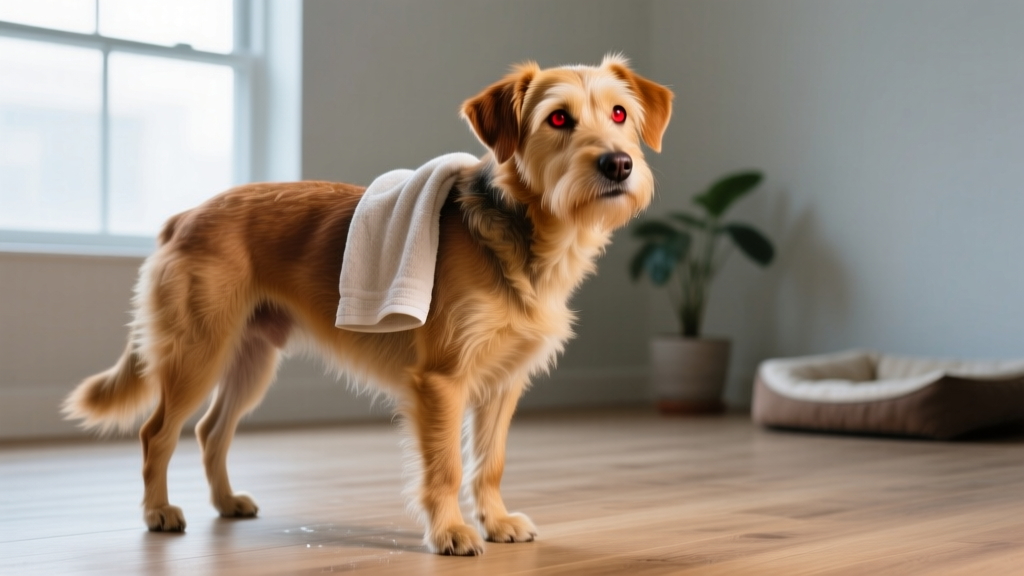
The short answer: Most healthy dogs with normal skin need a bath every 4 to 8 weeks (roughly once a month to once every two months). However, the ideal frequency depends heavily on your dog's coat type, skin condition, activity level, and breed. Dogs with oily coats like Basset Hounds may need bathing every 2–3 weeks, while short-coated breeds like Beagles often go 6–8 weeks between baths without issue. Dogs with dermatological conditions may require medicated baths as frequently as every 3–4 days under veterinary direction. Over-bathing strips the skin's natural lipid barrier, leading to dryness, irritation, and secondary infections.
If you've ever stood over a muddy dog wondering whether another bath will damage their coat, you're not alone. "How often should I bathe my dog?" remains one of the most searched questions among dog owners — and the answer is far more nuanced than a simple calendar schedule. Veterinary dermatologists emphasize that bathing frequency is not one-size-fits-all. It depends on the interplay between your dog's sebaceous gland activity, coat structure, microbiome balance, and environmental exposure.
This guide breaks down the canine science behind bathing — from why dogs evolved to produce skin oils in the first place, to what happens at a cellular level when you over-wash, to specific bathing schedules organized by breed group and coat type.
The Evolutionary Purpose of Dog Skin Oils
🐺 Ancestral context: Wolves and early canids developed a sebaceous (oil-producing) skin system that served critical survival functions in the wild. These oils — primarily composed of sebum secreted from glands attached to each hair follicle — provided three evolutionary advantages:
- Waterproofing: The lipid-rich coating on each hair shaft repelled water, allowing wolves to hunt in rain, cross rivers, and maintain insulation in cold, wet conditions without becoming waterlogged.
- Scent masking and communication: Sebum carries pheromones and individual scent signatures. In pack dynamics, this chemical communication helped establish social hierarchy and territory marking.
- Barrier defense: The acid mantle — a thin, slightly acidic film (pH 6.2–7.4 in dogs) on the skin surface — evolved as a first-line immune defense against bacteria, fungi, and parasites.
Modern domestic dogs retain this system, but selective breeding has dramatically altered coat types, oil production rates, and skin sensitivity across breeds.
Understanding this evolutionary backdrop is essential because every bath you give your dog disrupts this ancient protective system. The question is not whether bathing causes disruption — it always does, temporarily — but whether the disruption is managed properly and given adequate time to recover.
The Physiology of Canine Skin: What Happens During and After a Bath
How dog skin differs from human skin
Canine skin has a significantly different structure and chemistry from human skin, which is why human shampoos should never be used on dogs:
- pH level: Dog skin ranges from pH 6.2 to 7.4 (near neutral), while human skin is more acidic at pH 5.5. Using human shampoo (formulated for acidic skin) raises canine skin pH, disrupting the acid mantle and encouraging bacterial overgrowth.
- Epidermal thickness: A dog's epidermis is only 3–5 cell layers thick compared to 10–15 layers in humans. This makes canine skin more permeable and vulnerable to irritants.
- Epidermal turnover rate: Dogs replace their outer skin layer approximately every 20 days, faster than the human 28-day cycle. This rapid turnover means damage from over-bathing shows up quickly as flaking and scaling.
- Hair follicle density: Dogs have compound follicles — one primary guard hair surrounded by 3–15 secondary undercoat hairs, all sharing a single pore. Each follicle group has its own sebaceous gland. Stripping oils from these compound follicles affects thermoregulation and coat health simultaneously.
The lipid barrier recovery timeline
When you bathe a dog, surfactants in the shampoo bind to the sebum and dirt on the skin surface, allowing them to be rinsed away. This is the cleaning mechanism — but it also removes the protective lipid layer. Research published in the Merck Veterinary Manual notes that the canine skin barrier requires approximately 48 to 72 hours to begin restoring its lipid film after washing, and full sebaceous replenishment takes roughly 7 to 14 days depending on the dog's age, nutrition, and breed.
This recovery window is the scientific basis for the general "once a month" recommendation. Bathing more frequently than every 2 weeks without veterinary guidance means the skin never fully restores its barrier, leading to a cycle of dryness, compensatory oil overproduction, and irritation.
The canine skin microbiome
A 2023 study in the journal Animal Microbiome identified that healthy dog skin hosts a diverse community of bacteria — primarily Staphylococcus, Corynebacterium, and Acinetobacter species — that competitively exclude pathogenic organisms. Frequent bathing with harsh surfactants reduces microbial diversity, potentially allowing opportunistic pathogens like Staphylococcus pseudintermedius to colonize. This is why veterinary dermatologists increasingly recommend gentle, microbiome-friendly shampoos over harsh degreasing formulas for routine bathing.
Bathing Frequency by Breed and Coat Type
The most practical way to determine how often you should bathe your dog is to categorize them by coat type. Each coat structure has different oil distribution patterns, dirt-trapping tendencies, and grooming needs.
| Coat Type | Example Breeds | Recommended Bath Interval | Key Considerations |
|---|---|---|---|
| Short, smooth coat | Beagle, Boxer, Dalmatian, Doberman | Every 6–8 weeks | Low oil production; wipe-down with damp cloth between baths often sufficient |
| Double coat (dense undercoat) | German Shepherd, Siberian Husky, Golden Retriever, Labrador | Every 6–10 weeks | Thorough drying critical — trapped moisture in undercoat causes hot spots; never shave double coats |
| Wire/rough coat | Wire Fox Terrier, Schnauzer, Scottish Deerhound | Every 4–6 weeks | Hand-stripping schedule affects bathing; over-bathing softens the wiry texture |
| Long, silky coat | Afghan Hound, Yorkshire Terrier, Maltese, Shih Tzu | Every 2–4 weeks | Prone to matting; requires conditioner after every bath; coat must be fully brushed before bathing |
| Curly/wavy coat | Poodle, Bichon Frisé, Portuguese Water Dog, Doodle mixes | Every 3–4 weeks | Hair-like coat grows continuously; mats trap moisture and bacteria; professional grooming typically includes bath |
| Oily/seborrheic coat | Basset Hound, Cocker Spaniel, English Springer Spaniel | Every 1–3 weeks | Higher sebaceous gland activity; may need medicated shampoo for seborrhea; consult vet for chronic cases |
| Hairless | Chinese Crested, Xoloitzcuintli, American Hairless Terrier | Every 1–2 weeks | Exposed skin accumulates oils and debris rapidly; requires moisturizer post-bath; sunscreen needed for outdoor exposure |
Common Bathing Myths vs. Veterinary Science
| Myth | Veterinary Science Fact |
|---|---|
| "Dogs only need a bath twice a year." | This outdated advice originated when harsh flea-dip shampoos were the norm. Modern veterinary-formulated shampoos are gentle enough for monthly use, and regular bathing helps remove allergens, environmental toxins, and parasites from the coat. |
| "Bathing a dog too much makes them smell worse." | Partially true but misunderstood. Over-bathing strips oils, causing sebaceous glands to enter compensatory overproduction — the rebound oiliness effect. The solution isn't to avoid bathing but to bathe at appropriate intervals with pH-balanced products. |
| "Baby shampoo is safe for dogs." | Baby shampoo is formulated for human skin pH (5.5) and lacks the buffering agents needed for canine skin (pH 6.2–7.4). In an emergency, it's less harmful than dish soap, but regular use disrupts the acid mantle. According to the AVMA, use products specifically formulated for canine skin. |
| "If my dog smells, it's time for a bath." | Persistent odor can indicate yeast overgrowth (Malassezia), bacterial skin infection, ear infection, anal gland impaction, or dental disease — none of which are solved by bathing. If your dog smells consistently despite regular grooming, consult your veterinarian. |
| "Dawn dish soap is fine for regular baths." | Dawn is an excellent degreaser — which is precisely why it's problematic for routine use. It strips all lipids from the skin, including the protective barrier. It's appropriate for emergency decontamination (skunk spray, oil spills) but should be followed by a moisturizing conditioner and not used as a regular shampoo. |
When Bathing Frequency Signals a Medical Problem
🚨 Consult your veterinarian if you notice:
- Sudden increase in skin oiliness — could indicate hypothyroidism, Cushing's disease (hyperadrenocorticism), or primary seborrhea
- Persistent flaking or scaling after bathing — may signal ichthyosis (a genetic skin disorder common in Golden Retrievers and West Highland White Terriers), zinc-responsive dermatosis, or cheyletiellosis (walking dandruff mites)
- Red, inflamed skin with a yeasty or musty odor — classic signs of Malassezia dermatitis, which requires antifungal treatment, not just more baths
- Excessive scratching, licking, or biting at the skin post-bath — may indicate contact dermatitis from shampoo ingredients or underlying allergic skin disease (atopic dermatitis)
- Hot spots (acute moist dermatitis) — these rapidly spreading, oozing lesions need veterinary treatment and may require clipping and topical antibiotics, not bathing
- Hair loss in patches — could indicate demodectic mange, ringworm (dermatophytosis), or endocrine disorders
In these cases, your vet may prescribe medicated shampoos containing chlorhexidine, ketoconazole, miconazole, or phytosphingosine — and will specify a bathing schedule (often every 3–7 days initially) tailored to the condition. Never self-prescribe medicated shampoos without veterinary diagnosis.
Diagnostic tests your vet may recommend
If abnormal bathing needs or skin conditions persist, expect your veterinarian to perform some combination of the following:
- Skin cytology (tape prep or impression smear): $45–$85 — examines cells and organisms under a microscope
- Fungal culture (DTM): $35–$65 — rules out dermatophytosis (ringworm)
- Skin scraping: $30–$50 — checks for demodex or sarcoptic mites
- Allergy testing (IgE serology or intradermal): $250–$600 — identifies environmental allergens driving atopic dermatitis
- Thyroid panel (total T4, free T4, TSH): $80–$150 — screens for hypothyroidism as a cause of seborrhea
- ACTH stimulation test: $150–$300 — screens for Cushing's disease if other clinical signs are present
Practical Bathing Protocol: A Step-by-Step Science-Based Routine
Pre-bath preparation
- Brush thoroughly first. Mats tighten when wet, becoming nearly impossible to remove without clipping. Use a slicker brush and metal comb — work from the tips inward. Budget 10–30 minutes depending on coat length and condition.
- Choose the right water temperature. Dogs' normal body temperature is 101–102.5°F (38.3–39.2°C). Use lukewarm water at approximately 98–102°F (37–39°C). Water that feels comfortable on your inner wrist is typically safe. Hot water causes vasodilation and increases skin irritation.
- Pre-dilute shampoo. Mix shampoo with water at a 1:5 ratio in a squeeze bottle or pitcher. Undiluted shampoo creates concentrated spots that are difficult to rinse fully — residual shampoo is a leading cause of post-bath irritation.
During the bath
- Wet the coat completely before applying shampoo. Work from the neck downward, avoiding the face and ears initially.
- Massage shampoo into the skin (not just the coat surface) using your fingertips — not nails. Contact time matters: most shampoos require 5–10 minutes of contact to be effective, especially medicated formulas. Use this time for gentle massage.
- Face cleaning: Use a damp washcloth with diluted shampoo for the face. Never spray water directly into a dog's face — this risks aspiration and ear canal flooding.
- Rinse thoroughly — then rinse again. The most common bathing mistake is inadequate rinsing. Residual shampoo causes contact dermatitis, itching, and flaking. As a rule of thumb, rinse for twice as long as you think is necessary.
Post-bath care
- Apply conditioner if your dog has a long, curly, or wire coat. Conditioner restores lipid content and reduces static and tangling. Leave on for 2–3 minutes, then rinse.
- Dry method matters. Towel-dry using blotting motions (not vigorous rubbing, which causes tangles and friction damage). For double-coated breeds, a high-velocity dryer (like the Flying Pig high-velocity dryer, approximately $130–$180) is far more effective than human hair dryers at removing water from the undercoat. Human hair dryers run too hot and too slow.
- Brush again after drying to restore coat alignment and check for any mats that formed during the bath.
- Clean ears post-bath with a veterinary ear cleaner (e.g., Epi-Otic Advanced, ~$15–$20 per bottle). Moisture trapped in ear canals creates an ideal environment for yeast and bacterial otitis.
Recommended Products by Coat Type (2026 Guide)
Not all dog shampoos are created equal. The AKC recommends selecting shampoos based on your dog's specific coat and skin needs. Here are evidence-based product categories with specific recommendations:
| Category | Recommended Product | Price Range | Best For |
|---|---|---|---|
| General maintenance | Earthbath Oatmeal & Aloe Shampoo | $14–$18 (16 oz) | Normal skin, short-to-medium coats; soap-free, pH-balanced |
| Sensitive/allergic skin | Douxo S3 Calm Shampoo (Ceva) | $24–$32 (6.8 oz) | Atopic dogs; contains phytosphingosine to support skin barrier; veterinary-recommended |
| Oily/seborrheic coats | Sebolytic Shampoo (Virbac) | $22–$28 (12 oz) | Basset Hounds, Cocker Spaniels; contains salicylic acid and sulfur for keratoseborrheic regulation |
| Curly/long coats | Chris Christensen Ice on Ice Conditioner | $28–$38 (16 oz) | Poodles, Doodles, long-haired breeds; detangles and adds moisture without weighing coat down |
| Antimicrobial (prescription) | Chlorhexidine 4% Shampoo (various) | $18–$30 (16 oz) | Bacterial pyoderma; requires veterinary recommendation; 10-minute contact time required |
| Waterless/spot cleaning | Burt's Bees for Dogs Waterless Spray | $8–$12 (10 oz) | Between-bath touch-ups; paw wipes, face cleaning; not a substitute for full baths |
Budget note: Professional grooming sessions that include bathing typically cost $40–$90 for small breeds and $60–$150+ for large breeds, depending on your region and coat complexity. Investing in quality at-home products ($50–$100 initial setup) can reduce professional grooming frequency by 30–50% for many breeds.
How Bathing Interacts with Other Grooming Behaviors
Bathing does not exist in isolation — it's one component of a broader grooming ecosystem. Understanding how it interacts with other care routines prevents over-grooming and skin damage:
- Flea/tick topical treatments: Most spot-on products (e.g., Frontline Plus, Advantage II) require 48 hours before and after application without bathing. Bathing too soon after application washes the product off, reducing efficacy. Check your specific product label — Bravecto (oral) is unaffected by bathing, while Seresto collars should be removed before baths.
- Brushing frequency: Dogs brushed regularly (2–3 times per week for long coats, weekly for short coats) can go longer between baths because brushing distributes natural oils and removes debris. A well-brushed Golden Retriever may only need a bath every 8–10 weeks.
- Nail trimming and ear cleaning: These should be done on a separate schedule (nails every 2–4 weeks, ears weekly for floppy-eared breeds) but can be conveniently combined with bath day.
- Anal gland expression: Some groomers express anal glands during baths. If your dog has recurrent anal gland issues, discuss a management plan with your veterinarian rather than relying on grooming-time expression alone.
Frequently Asked Questions
Why do dogs roll in smelly things right after a bath?
This behavior has evolutionary roots. Ancestral wolves and wild canids rolled in strong-smelling substances (feces, carrion, urine) to mask their own scent from prey — a hunting advantage. Domestic dogs retain this instinct. The freshly applied shampoo scent is novel and strong, triggering the same impulse to "re-scent" themselves. While frustrating, this behavior is completely normal and not a sign of disobedience. Managing it involves keeping your dog leashed or in a controlled environment for the first 30–60 minutes after a bath.
Can dogs get skin infections from bathing too often?
Yes. Over-bathing — defined as bathing more frequently than every 2 weeks without veterinary direction — compromises the skin's acid mantle and lipid barrier. This creates conditions favorable for secondary bacterial pyoderma and Malassezia (yeast) dermatitis. Signs include redness, pustules, greasy scaling, and a musty or sweet odor. If you notice these symptoms, consult your veterinarian rather than increasing bath frequency.
How do dogs process the sensation of bathing — do they enjoy it?
Canine responses to bathing vary based on early socialization, temperament, and past experiences. Dogs have approximately 1,700 taste buds and an extraordinarily sensitive olfactory system — the strong scent of shampoo is often more overwhelming to them than the water itself. Dogs not habituated to bathing during the critical socialization window (3–14 weeks of age) may show stress signals: lip licking, yawning, whale eye, trembling, or attempts to escape. Positive reinforcement — high-value treats, calm handling, and gradual desensitization — can improve bath tolerance. Never use force or punishment during bathing, as this creates lasting negative associations.
What does it mean when my dog shakes excessively after a bath?
The post-bath shake is a highly efficient physiological mechanism. Research from Georgia Tech found that a dog's shake generates centrifugal forces up to 70,000 m/s² at the skin surface, ejecting up to 70% of water from the coat in seconds. This is an evolved thermoregulatory response — a wet coat loses heat rapidly, and shaking is the fastest way to reduce evaporative heat loss. The loose skin of dogs (compared to humans) amplifies the shake's effectiveness by allowing the skin to move independently of the body. This behavior is entirely normal and beneficial.
Is it normal for my dog to have "zoomies" after a bath?
Yes — post-bath zoomies (technically called Frenetic Random Activity Periods, or FRAPs) are well-documented in canine behavior. Several hypotheses explain this behavior: relief from the restraint of bathing, an attempt to dry off through rapid movement, re-establishing their own scent by rubbing against furniture and carpets, and a release of pent-up nervous energy. FRAPs are harmless and typically last 2–5 minutes. Ensure the environment is safe (no slippery floors, sharp corners) and let the behavior run its course.
How is dog skin different from human skin when it comes to bathing?
Beyond the pH and thickness differences noted above, dogs lack eccrine sweat glands across most of their body (they thermoregulate primarily through panting and vasodilation of paw pads). This means their skin doesn't produce the same water-soluble sweat residue that human skin does. Dog "dirtiness" is primarily environmental (mud, pollen, debris) and sebaceous (oils), not sweat-based. This is why dogs don't need daily bathing the way humans do — their skin simply doesn't accumulate the same type of daily residue.
How often should I bathe my puppy?
Puppies under 8 weeks old generally should not be bathed unless medically necessary — they cannot thermoregulate effectively and risk hypothermia. For puppies 8–16 weeks, limit baths to once every 3–4 weeks using puppy-specific shampoo (these are formulated with even gentler surfactants). Use this window for positive desensitization: short, warm, treat-rewarded bath experiences build lifelong tolerance. Avoid submerging puppies — use a handheld sprayer or pitcher with gentle water flow.
Should I bathe my senior dog differently?
Senior dogs (generally 7+ years, breed-dependent) often have drier skin due to decreased sebaceous gland activity, reduced mobility that limits self-grooming, and potential comorbidities like hypothyroidism or Cushing's disease. Bathe senior dogs less frequently (every 6–10 weeks for most breeds), use moisturizing or oatmeal-based shampoos, and consider a non-slip mat in the tub to prevent falls. If your senior dog has arthritis, a walk-in shower or raised grooming tub reduces joint strain during bathing. Always consult your veterinarian about bathing protocols if your senior dog has chronic health conditions.
References & Further Reading
- Merck Veterinary Manual — Overview of Dermatoses in Dogs
- AVMA — Grooming Your Dog
- AKC — How Often Should You Wash Your Dog
- Animal Microbiome Journal (2023) — Characterization of the canine skin microbiome
- Georgia Institute of Technology — Research on mammalian shaking mechanics (Hu et al.)
This article is for educational purposes and does not replace professional veterinary advice. If your dog has persistent skin issues, unusual odor, or behavioral changes related to bathing, consult your veterinarian for a personalized assessment and treatment plan.
Marcus Aldridge
All our authors care for dogs every day — read more of their work on the authors page.


