My Dog's Fur Turning Gold? Coat Color Changes
Discover the science behind why some dogs develop a gold coat color.
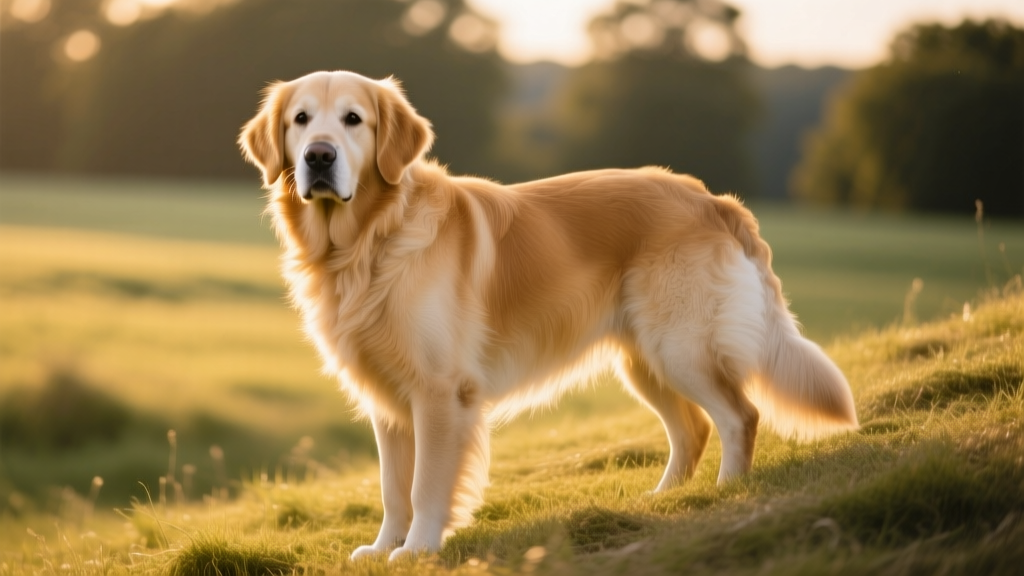
Quick Answer: A gold dog coat is produced by pheomelanin, a red-yellow pigment controlled primarily by the E locus (MC1R gene) and A locus (Agouti gene) on the canine genome. Gold coloration ranges from pale cream to rich amber depending on the concentration of pheomelanin and modifier genes. Gold coats can be present from birth or develop as a puppy's coat matures, and in some cases, adult dogs may show gold-tinted fur due to porphyrin staining, sun bleaching, or nutritional changes. A sudden shift toward gold in a previously dark-coated dog warrants a veterinary check to rule out underlying endocrine or metabolic conditions.
If you've noticed your dog's coat taking on a warm, golden hue — or you're curious about why certain breeds consistently produce that stunning gold coloration — you're encountering one of the most well-studied areas of canine genetics. The science of coat color in dogs has advanced dramatically over the past two decades, and what we now understand about pigment production reveals a surprisingly complex system involving at least eight major gene loci.
This guide breaks down exactly how a gold dog coat is produced at the molecular level, why this trait persisted through thousands of years of domestication, what it means for your dog's health, and when a color change might signal something worth investigating.
The Pigment Science: How Dogs Produce Gold Fur
Dogs produce only two types of melanin pigment in their hair follicles:
- Eumelanin — responsible for black and brown (liver/chocolate) pigmentation
- Pheomelanin — responsible for red, gold, yellow, and cream pigmentation
A gold coat results when a dog's melanocytes (pigment-producing cells in hair follicles) are genetically instructed to produce only pheomelanin, or to produce pheomelanin in high concentration relative to eumelanin. The specific shade of gold — from pale champagne to deep amber — depends on the intensity of pheomelanin production, which is influenced by multiple modifier genes that researchers are still mapping.
The key regulatory switch is the melanocortin 1 receptor (MC1R), encoded by the E locus gene. When this receptor is activated by α-MSH (melanocyte-stimulating hormone), melanocytes produce eumelanin. When the receptor is inactive or blocked by agouti signaling protein (ASIP), melanocytes default to pheomelanin production. A gold dog typically carries the e/e genotype at the E locus — meaning both copies of the MC1R gene carry a recessive loss-of-function mutation that prevents eumelanin production in the coat.
According to research published in the National Institutes of Health (NIH), the e allele at the E locus is the same mutation responsible for red hair in humans and yellow coat color in Labrador Retrievers. This recessive inheritance pattern means both parents must carry at least one copy of the e allele to produce gold-coated offspring.
The Gene Loci That Control Gold Coloration
| Gene Locus | Gene Name | Role in Gold Coat |
|---|---|---|
| E Locus | MC1R | Primary switch — e/e genotype restricts coat to pheomelanin only |
| A Locus | ASIP (Agouti) | Controls distribution pattern — fawn/sable vs. solid gold |
| K Locus | CBD103 (Beta-defensin) | Dominant black can override gold; k/k allows gold expression |
| I Locus | MFSD12 (Intensity) | Modifies pheomelanin intensity — lighter = cream, darker = rich gold |
| B Locus | TYRP1 | Affects nose/eye rim pigment in gold dogs (brown vs. black) |
Evolutionary Origins: Why Gold Coats Persisted in Canids
Evolutionary Insight: The pheomelanin-based gold coat likely conferred a camouflage advantage in open grassland and savanna environments where early canids hunted. Wolves with lighter, more golden coats would have blended into dry grasses and sandy terrain — particularly in populations inhabiting the Middle East and Central Asian steppes where many modern gold-coated breeds trace their ancestry.
Wild gray wolves (Canis lupus) predominantly display agouti banding — individual hairs with alternating bands of eumelanin and pheomelanin — which creates the classic gray "wolf sable" appearance. The solid gold coat is largely a product of domestication. As humans selected dogs for companionship and specific working roles rather than camouflage, the selective pressure maintaining wild-type coat patterns relaxed.
Research by the American Kennel Club (AKC) and academic studies on canine genomics have shown that the e/e recessive mutation at the MC1R gene is ancient, appearing across diverse breed lineages. This suggests the mutation arose early in domestication — potentially 15,000 to 30,000 years ago — and was preserved in multiple populations independently.
Gold coats may have also been positively selected during domestication due to a phenomenon called neoteny — the retention of juvenile traits into adulthood. Puppies of many species tend to have lighter, warmer-toned coats than adults, and humans may have unconsciously favored dogs that retained these "puppy-like" golden tones, reinforcing the trait across generations.
Breed Variations: Which Dogs Are Genetically Gold?
Not all gold coats are genetically identical. Different breeds achieve their gold coloration through distinct genetic pathways:
| Breed | Gold Type | Primary Genetic Pathway | AKC Standard Shade Range |
|---|---|---|---|
| Golden Retriever | Rich gold to cream | e/e at E locus + intensity modifiers | Light golden to dark golden |
| Yellow Labrador Retriever | Pale cream to fox-red gold | e/e at E locus (same mutation as Golden) | Light yellow to fox red |
| Irish Setter | Deep mahogany-gold | High pheomelanin intensity + A locus influence | Rich chestnut to mahogany |
| Chow Chow | Red-gold | A locus (fawn) + pheomelanin intensity | Light red to deep red-gold |
| Dachshund (red) | Warm gold-red | A locus (sable or clear red) + intensity genes | Light red to deep red |
| Shiba Inu (red) | Red-gold with urajiro | A locus (fawn/sable) + urajiro modifier | Bright red to deep red-gold |
The MFSD12 gene at the I locus was identified in a 2019 study as a key modifier of pheomelanin intensity. Dogs homozygous for the recessive i allele at this locus produce diluted pheomelanin, resulting in cream or pale gold coats. Dogs with at least one dominant I allele produce full-intensity pheomelanin, yielding richer, deeper gold tones. This single gene explains why two "gold" dogs from different breeds can look dramatically different in shade.
When a Gold Coat Signals a Health Problem
While most gold coloration is purely genetic and perfectly healthy, there are situations where a dog's coat turning gold — or developing gold patches — can indicate an underlying medical issue. Understanding the difference between normal genetic color and pathological color change is essential.
⚠️ When to Consult Your Veterinarian About Coat Color Changes:
- Sudden lightening or "rusting" of a previously black or dark brown coat — may indicate hypothyroidism, which affects melanin production
- Reddish-gold staining around the eyes, mouth, or paws — caused by porphyrin compounds in saliva and tears, often linked to allergies, dental disease, or blocked tear ducts
- Patchy gold/brown discoloration with hair loss — could signal a fungal infection (dermatophytosis) or Cushing's disease (hyperadrenocorticism)
- Coat turning gold-bronze with systemic signs (lethargy, weight changes, increased thirst) — may indicate liver dysfunction affecting copper metabolism
- Puppy coat not transitioning to expected adult color by 12-18 months — generally benign but worth confirming breed-standard development
Hypothyroidism is one of the most common endocrine disorders in dogs, affecting approximately 0.2-0.8% of the canine population according to the Merck Veterinary Manual. One frequently overlooked symptom is coat color change — specifically, eumelanin-rich black hairs developing a golden or rusty tint as thyroid hormone levels drop and melanin synthesis is disrupted. If your black Lab is developing gold-tipped guard hairs, a simple thyroid panel (total T4, free T4, and TSH — typically $80-$150 at most veterinary clinics) can confirm or rule out this condition.
Porphyrin Staining: The False "Gold" Coat
Many owners of white or light-colored dogs notice a pinkish-gold or rusty discoloration, particularly around the muzzle, beard area, and paws. This is not a true coat color change — it's porphyrin staining. Porphyrins are iron-containing molecules produced during the normal breakdown of red blood cells. They're excreted in tears, saliva, and urine.
When a dog licks their paws frequently (often due to allergies or anxiety), the porphyrin-rich saliva oxidizes on the fur and turns a rust-gold color. Similarly, excessive tearing (epiphora) can stain the fur below the eyes. This staining is cosmetic in mild cases but can signal:
- Environmental or food allergies (atopic dermatitis)
- Dental disease causing excessive salivation
- Brachycephalic obstructive airway syndrome (BOAS) with secondary tear overflow
- Yeast overgrowth (Malassezia) in stained areas, which thrives in moist fur
Common Myths About Gold Dog Coats — Debunked
| Myth | Scientific Fact |
|---|---|
| "Gold dogs are more aggressive than black dogs." | No peer-reviewed study links coat color to aggression. A 2019 study in Applied Animal Behaviour Science found no significant correlation between MC1R genotype and temperament scores across breeds. |
| "Feeding certain foods will make your dog's coat more golden." | Diet cannot change genetically determined pheomelanin production. Omega-3 fatty acids improve coat shine and skin health but do not alter pigment type or intensity. |
| "Gold-coated dogs are more prone to skin cancer." | Pheomelanin offers less UV protection than eumelanin, so gold dogs with white or pink skin underneath may have slightly higher sunburn risk on sparsely haired areas (nose, ear tips, belly). However, overall skin cancer risk is driven more by breed genetics and sun exposure duration than coat color alone. |
| "Two gold dogs will always produce gold puppies." | Generally true if both are e/e at the E locus, since this is recessive. However, modifier genes at the A, K, and I loci can produce puppies ranging from cream to deep red-gold — and rare mutations can introduce unexpected patterns. |
| "A gold coat means the dog has a 'recessive' or weaker genetic profile." | The e/e genotype is a simple loss-of-function mutation in one pigment receptor — it does not indicate overall genetic weakness. Gold-coated breeds like Golden Retrievers and Labs are among the most popular and versatile working dogs worldwide. |
Practical Implications: Caring for a Gold-Coated Dog
What Gold Coat Science Means for Your Daily Care Routine:
- UV Protection: Gold dogs with lighter skin (especially around the nose bridge, ear margins, and abdomen) benefit from pet-safe SPF 30 sunscreen during prolonged sun exposure. Products like Warren London Dog Sunscreen ($12-$18 for a 6.8 oz bottle) or Epi-Pet Sunscreen Spray ($15-$22) provide adequate protection. Apply to thin-furred areas 15-20 minutes before outdoor time and reapply every 4 hours.
- Stain Management: For porphyrin staining around eyes and muzzle, daily wiping with a damp cloth followed by thorough drying prevents oxidation. For established stains, a paste of equal parts cornstarch and water applied for 5-10 minutes before brushing out can lift discoloration without harsh chemicals. Avoid hydrogen peroxide — it damages hair cuticles and can cause skin irritation.
- Coat Monitoring Schedule: Photograph your dog's coat every 3 months in consistent natural lighting. This creates a visual baseline so you can detect subtle color changes that might indicate thyroid shifts, nutritional deficiencies, or systemic disease.
- Nutrition for Pigment Support: While you can't change genetic coat color, ensuring adequate tyrosine (an amino acid precursor to melanin) supports healthy pigment expression. AAFCO recommends a minimum of 0.60% tyrosine on a dry matter basis for adult dog maintenance. High-quality protein sources like chicken, turkey, and fish naturally provide adequate tyrosine.
- Grooming Frequency: Gold coats show dirt, mud, and tear stains more readily than darker coats. Plan for bathing every 3-4 weeks using a color-enhancing or brightening dog shampoo (look for products with chamomile or optical brighteners — avoid blueing shampoos meant for white coats, which can give gold fur a greenish cast). Budget $10-$20 per bottle for quality color-safe dog shampoos.
How Gold Coat Genetics Differs From Human Hair Color
While both dogs and humans use the same two melanin types (eumelanin and pheomelanin), the genetic architecture controlling their expression differs significantly:
- Gene count: Human red hair is primarily controlled by MC1R variants (same gene as the canine E locus), but at least 8 additional genes influence human hair color. Dogs have at least 8 identified loci controlling coat color, but the interaction patterns are more modular — specific loci control pigment type, distribution, and intensity in relatively independent pathways.
- Skin vs. coat: In dogs, the e/e mutation affects only hair follicle melanocytes — their skin, nose, and eye rims can still produce eumelanin (which is why a gold Labrador can have a black nose). In humans, MC1R variants affect melanocytes throughout the body, which is why red-haired people typically have fair skin and freckles everywhere.
- Color range: The canine pheomelanin spectrum is broader than human red hair. Dogs produce shades ranging from near-white cream to deep mahogany-red, while human pheomelanin typically produces a narrower band from strawberry blonde to auburn.
- Age-related changes: Dogs' coats can lighten or darken as puppies mature into adults (a phenomenon called "puppy coat transition"), and senior dogs develop gray/white due to melanocyte stem cell depletion — similar to humans but occurring much earlier in the lifespan (typically 5-7 years in dogs vs. 30-40 years in humans).
Frequently Asked Questions About Gold Dog Coats
Why do some gold dogs have black noses while others have brown noses?
This is determined by the B locus (TYRP1 gene). A gold dog carrying at least one dominant B allele will have a black nose, eye rims, and lip pigment. A gold dog homozygous for the recessive b allele (b/b) will have a brown ("liver") nose and amber eyes. This is why some Yellow Labs have black noses while others — often called "Dudley" Labs — have pinkish-brown noses and lighter eyes. Both are genetically normal; however, AKC conformation standards penalize Dudley pigmentation in the show ring.
Can a dog's gold coat change color as they age?
Yes, within limits. Puppies born with a pale cream coat may deepen to a richer gold as they reach maturity (12-24 months), driven by the full expression of intensity modifier genes. Conversely, senior gold dogs (typically 7+ years) may develop white or silver guard hairs as melanocyte stem cells deplete — this is a normal aging process, not a disease. However, a sudden or dramatic color shift in an adult dog warrants veterinary evaluation to rule out endocrine disorders.
Is a gold coat the same as a "red" coat in dogs?
Genetically, gold and red are on the same pheomelanin spectrum — the difference is intensity. A "red" Irish Setter and a "gold" Golden Retriever both produce pheomelanin, but the Setter carries alleles for maximum pheomelanin intensity while the Retriever carries alleles for moderate intensity. There is no separate "red pigment gene" — it's all pheomelanin at different concentrations. Breed registries use different terminology based on breed standards rather than genetic distinctions.
Are gold-coated dogs more prone to allergies or skin conditions?
Coat color itself does not cause allergies. However, some gold-coated breeds — particularly Golden Retrievers and Labrador Retrievers — have higher population-level rates of atopic dermatitis due to breed-specific genetic predisposition, not their coat color. A 2021 study in the Journal of Veterinary Internal Medicine found that Golden Retrievers had a prevalence of atopic dermatitis of approximately 15-20%, among the highest of any breed. If your gold dog shows excessive licking, paw chewing, or recurrent ear infections, consult your veterinarian about allergy testing (serum IgE testing: $200-$350; intradermal skin testing: $250-$500).
What's the difference between a gold coat and a "dilute" or "champagne" coat?
A dilute or champagne coat involves the D locus (MLPH gene), which affects pigment distribution within hair shafts. A "champagne" dog is genetically a pheomelanin producer (e/e) that also carries the dilute allele (d/d), which reduces pigment density in each hair, creating a washed-out, silvery-gold appearance. This is different from a cream coat caused by the I locus intensity gene. Dilute coats are associated with color dilution alopecia (CDA) in some breeds — a condition causing hair thinning and breakage — so if you're considering a dilute gold puppy, ask the breeder about CDA history in the lineage.
Related Topics to Explore
- Brachycephalic obstructive airway syndrome (BOAS) — relevant to gold Chow Chows and Shiba Inus with excessive tear staining
- Canine atopic dermatitis — the most common cause of porphyrin staining from excessive licking
- Hypothyroidism in dogs — the primary medical cause of acquired coat color change
- Color dilution alopecia — a condition affecting some dilute gold coats
Robin Maitland
All our authors care for dogs every day — read more of their work on the authors page.


