The Science Behind Fighting of Dogs: Why Aggression Happens
Explore the canine science behind fighting of dogs — from evolutionary roots and brain chemistry to practical prevention and breed-specific risks.
Why Do Dogs Fight? The Short Answer
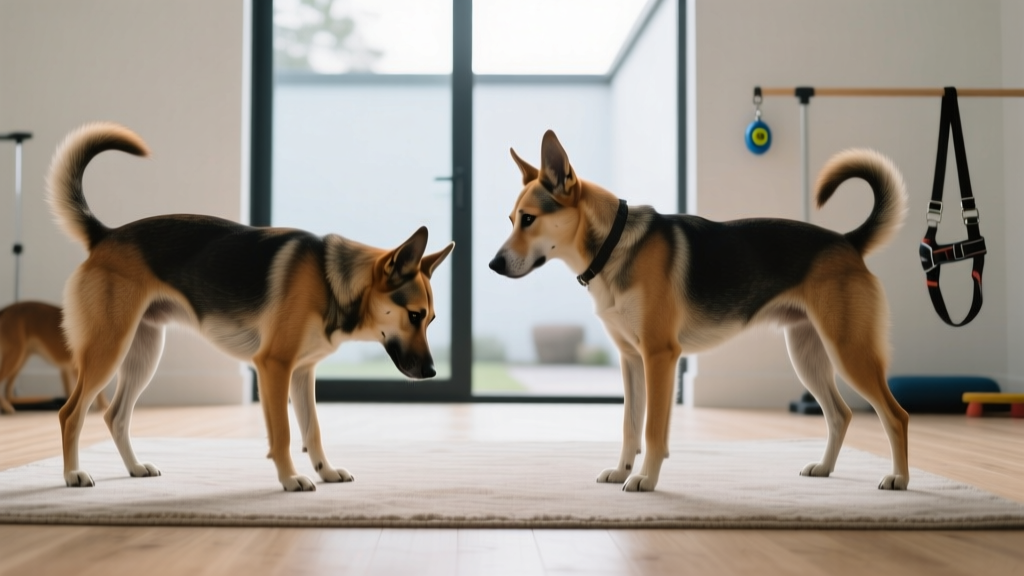
Dog fighting behavior stems from a complex interplay of evolutionary survival instincts, neurochemical triggers (primarily cortisol, testosterone, and serotonin imbalances), and environmental factors such as resource scarcity, fear, or inadequate socialization. While all dogs possess the neurological hardware for aggression, actual fighting is not "normal" everyday behavior — it typically signals an unmet need, a medical issue, or a breakdown in communication. Understanding the science behind the fighting of dogs helps owners intervene early, prevent escalation, and address root causes rather than symptoms.
The Evolutionary Basis: From Wolf Pack Dynamics to Domestic Dogs
Ancestral context: Modern dogs (Canis lupus familiaris) diverged from gray wolves approximately 15,000–40,000 years ago. The aggressive displays we see in domestic dogs are modified versions of wolf conflict-resolution behaviors — but with a critical difference. Wolves evolved ritualized aggression: elaborate threat displays (growling, snarling, posturing) designed to avoid actual combat, because injury in the wild is often fatal. Domestication has both dampened and distorted these signals.
Research published in PLoS Genetics confirms that domestication selected for reduced fear and aggression through changes in neural crest cell development. However, selective breeding for specific tasks — guarding livestock, protecting property, or baiting — re-introduced aggression traits in certain lineages. This is why breed genetics account for an estimated 60–70% of behavioral variance in aggression-related traits, according to a landmark study in the journal Proceedings of the Royal Society B (2022).
In wolf social structures, actual physical fighting is rare and costly. Most disputes are resolved through ritualized submission: lowered body posture, averted gaze, exposed neck. Dogs retain these signals, but domestication has weakened some of them — particularly in brachycephalic breeds whose flattened faces make subtle expressions harder to read, or in dogs with docked tails and cropped ears that remove critical communication tools.
The Neurochemistry of Canine Aggression
How the Brain Produces Fighting Behavior
When a dog encounters a perceived threat, the amygdala (the brain's threat-detection center) activates the hypothalamic-pituitary-adrenal (HPA) axis. This triggers a cascade:
- Corticotropin-releasing hormone (CRH) fires from the hypothalamus
- Adrenocorticotropic hormone (ACTH) is released from the pituitary gland
- Cortisol and adrenaline flood the bloodstream from the adrenal glands
- Heart rate spikes to 160–180 BPM (from a resting 60–100 BPM), blood shunts to muscles, and pain perception drops
This fight-or-flight response takes approximately 3–5 seconds to fully activate. Once triggered, cortisol remains elevated for 20–40 minutes — meaning a dog that has "calmed down" may still be physiologically primed to react aggressively if a second trigger occurs within that window.
Serotonin plays a critical inhibitory role. Dogs with low cerebrospinal fluid levels of 5-HIAA (a serotonin metabolite) show significantly higher rates of impulsive aggression. This is the same pathway targeted by fluoxetine (Prozac), which veterinarians prescribe at 1–2 mg/kg daily for aggression management. A study in the Merck Veterinary Manual confirms that serotonin-enhancing medications, combined with behavior modification, reduce aggression incidents by approximately 50–70% in diagnosed cases.
Testosterone's role is often overstated. While intact males show higher rates of inter-male aggression, neutering reduces aggression in only about 25–40% of cases, according to research from the University of Pennsylvania's veterinary behavior program. This suggests that learned behavior and early socialization play larger roles than hormones alone.
Why Do Dogs Fight? The Five Primary Triggers
| Trigger Category | Physiological Mechanism | Typical Onset Age | Prevalence Estimate |
|---|---|---|---|
| Fear-based aggression | Amygdala hyperactivation; poor early socialization (3–14 week critical period missed) | 6 months – 2 years | ~41% of aggression cases |
| Resource guarding | Hypothalamic hunger/possession circuits; elevated cortisol around valued items | Any age; peaks 1–3 years | ~20% of aggression cases |
| Territorial aggression | Vasopressin-mediated boundary defense; heightened in intact males | 1–3 years (social maturity) | ~16% of aggression cases |
| Redirected/frustration-based | Barrier frustration triggers sympathetic overflow; dog redirects on nearest target | Any age | ~12% of aggression cases |
| Pain-related (medical) | Nociceptive signals lower aggression threshold; common in hip dysplasia, dental disease, otitis | Any age; higher in seniors 7+ | ~11% of aggression cases |
These percentages are drawn from aggregated veterinary behaviorist case data. Importantly, most real-world fights involve overlapping triggers — a dog may be guarding a resource and defending territory simultaneously.
Breed Variations in Fighting Behavior
Genetics matter, but they are not destiny. Certain breeds carry genetic predispositions that influence fighting thresholds:
- Terrier breeds (Jack Russell, Bull Terrier, Staffordshire): Bred for tenacity and high prey drive. These dogs often show low bite-inhibition thresholds and may not release once engaged. Same-sex aggression is notably higher in terrier breeds.
- Livestock guardian breeds (Great Pyrenees, Anatolian Shepherd, Kangal): Bred for independent territorial defense. Aggression is typically directed at unfamiliar animals entering their perceived territory rather than at humans.
- Herding breeds (Border Collie, Australian Shepherd): While not traditionally "fighting" breeds, their high arousal levels and reactivity can escalate into aggression when overstimulated or under-exercised. Minimum 90–120 minutes of structured activity daily is recommended.
- Brachycephalic breeds (Bulldogs, Pugs, Boston Terriers): Chronic pain from brachycephalic obstructive airway syndrome (BOAS) can lower aggression thresholds. A dog in constant respiratory discomfort is more likely to snap.
It's important to note that breed-specific legislation (BSL) targeting "pit bull-type" dogs is not supported by peer-reviewed evidence. The American Veterinary Medical Association opposes BSL, citing that breed is a poor predictor of individual aggression and that owner behavior, training history, and socialization are far more significant factors. Local laws vary by jurisdiction — always check your municipality's regulations.
Common Misconceptions About Dog Fighting
| Myth | Scientific Fact |
|---|---|
| "Dogs fight to establish dominance over each other" | The dominance hierarchy model (based on captive wolf studies from the 1940s) has been debunked by modern ethology. Dogs don't form rigid linear hierarchies. Most fights are about resource access, fear, or frustration — not social rank. |
| "Let them work it out themselves" | Dogs do not naturally "sort out" serious conflicts without human intervention. Escalation patterns follow a predictable ladder: stiffening → staring → growling → snapping → biting. Once a dog reaches the biting stage, the fight can cause serious injury in under 10 seconds. |
| "A dog that fights once will always fight" | Behavior is modifiable. With structured desensitization, counter-conditioning, and (where indicated) medication, 60–80% of dogs show significant improvement within 3–6 months of a veterinary behaviorist-guided program. |
| "Small dogs don't really fight" | Small breeds (Dachshunds, Chihuahuas, Jack Russells) actually score higher on owner-reported aggression surveys than many large breeds (Duffy et al., 2008, University of Pennsylvania). Their bites cause less damage, so the behavior is often under-reported and under-treated. |
| "Neutering will fix aggression" | Neutering reduces hormonally-driven aggression in approximately 25–40% of cases. It has minimal effect on fear-based, territorial, or resource-guarding aggression. In some cases, early neutering (before 6 months) may actually increase fear-related reactivity. |
What Does It Mean When My Dog Fights? Recognizing the Signals
Dog fights rarely come "out of nowhere." Most are preceded by a canine aggression ladder — a predictable sequence of escalating signals:
- Yawning, lip-licking, whale eye (early stress signals — often missed by owners)
- Stiffening, freezing, hard stare (threat display — dog is deciding whether to escalate)
- Growling, snarling, raised hackles (piloerection along the spine — sympathetic nervous system activation)
- Snap or lunge without contact (warning bite — still ritualized)
- Contact bite with release (inhibited bite)
- Contact bite with hold and shake (predatory motor pattern — most dangerous)
Practical Implications for Owners
- Intervene at Stage 1–2. Redirect your dog's attention before escalation. Use a calm, neutral tone — yelling adds arousal to an already aroused dog.
- Never physically punish growling. Growling is communication. Punishing it teaches the dog to skip the warning and go straight to biting.
- Carry a break stick or citronella spray (e.g., Spray Shield, ~$15–$20) on walks if your dog has a known reactivity history. Never reach into a dog fight with your hands — bite injuries to owners are extremely common during separations.
- Allow 30–40 minutes of decompression after any aggressive incident. Cortisol takes this long to return to baseline. Do not re-introduce the trigger during this window.
- Invest in professional help early. A certified veterinary behaviorist (DACVB) consultation typically costs $250–$500 for an initial assessment (2–3 hours). A certified professional dog trainer (CPDT-KA) charges $75–$150/hour for private sessions. Expect 6–12 sessions for meaningful behavior change.
When Fighting Signals a Medical Problem
Sudden-onset aggression in a previously non-aggressive dog should always prompt a veterinary examination. Common medical causes include:
- Hypothyroidism: Affects approximately 0.3–0.5% of dogs. Low thyroid hormone impairs serotonin production. Treatment with levothyroxine (0.02 mg/kg twice daily) often resolves aggression within 4–8 weeks.
- Otitis media/interna (ear infection): Chronic ear pain is one of the most under-diagnosed causes of aggression, particularly in spaniel breeds. Dogs may snap when touched near the head.
- Cognitive dysfunction syndrome (CDS): In dogs over 10 years, disorientation and altered sleep-wake cycles can cause confused aggression. Prevalence: ~28% of dogs aged 11–12, rising to 68% by age 15–16.
- Neurological conditions: Brain tumors, idiopathic epilepsy, and intervertebral disc disease (IVDD) can all manifest as unprovoked aggression.
🚨 See your veterinarian immediately if:
- Aggression appears suddenly in a dog with no prior history
- Your dog shows signs of pain (vocalizing, reluctance to move, decreased appetite) alongside aggression
- Aggression is accompanied by neurological signs: circling, head tilt, seizures, or disorientation
- A previously friendly dog bites a familiar person without apparent provocation
Always consult your veterinarian before starting or stopping any behavioral medication. This article does not replace professional veterinary or behavioral assessment.
How Is Canine Fighting Different from Human Aggression?
While humans and dogs share similar neurochemical aggression pathways (serotonin, cortisol, amygdala activation), key differences exist:
- No prefrontal cortex override: Dogs lack the highly developed prefrontal cortex that allows humans to reason through emotional impulses. A dog cannot "think before acting" in the way a human can — their response is faster and more reflexive.
- Sensory-driven triggers: Dogs process the world primarily through olfaction (220–300 million scent receptors vs. human's 5–6 million). A dog may fight based on a scent trigger (another dog's pheromones on your clothing) that a human would never detect.
- No moral framework: Dogs do not fight out of spite, revenge, or ideology. Every aggressive act serves an immediate functional purpose: remove a threat, protect a resource, or escape a painful stimulus.
- Bite inhibition is learned, not innate: Puppies learn bite inhibition from littermates during weeks 3–12. Dogs removed from their litter too early (before 8 weeks) often have poor bite inhibition, meaning they bite harder and cause more damage.
Related Behaviors and Cross-References
- Leash reactivity: Barrier frustration on-leash is one of the most common precursors to dog-dog fighting. Dogs feel trapped and unable to flee, triggering fight response.
- Resource guarding: Separate from territorial aggression — dogs may guard food, toys, people, or sleeping spaces.
- Predatory drift: Small, fast-moving dogs can trigger a larger dog's prey drive, causing a sudden shift from play to attack. This is not "aggression" in the traditional sense but a predatory motor pattern activation.
- Redirected aggression: A dog that cannot reach the actual trigger (e.g., a dog on the other side of a fence) may bite the nearest available target — including their owner.
Frequently Asked Questions
Is fighting normal in dogs?
Occasional growling, posturing, and even brief scuffles with inhibited bites are normal canine communication. However, sustained fighting with intent to injure is not normal and indicates an underlying behavioral or medical issue that requires professional intervention.
Can dogs sense when another dog wants to fight?
Yes. Dogs detect subtle body language signals (stiffening, ear position, tail height) and chemical signals (stress pheromones in apocrine gland secretions) from 50–100 feet away, depending on wind conditions. This is why some dogs react to other dogs long before the owner sees anything.
How do dogs process the decision to fight or flee?
The amygdala evaluates threat level in approximately 12–20 milliseconds. The decision is influenced by the dog's genetic temperament, prior experiences (learned outcomes of previous fights), current cortisol levels, and whether escape is possible. Dogs that are cornered, leashed, or behind a barrier are more likely to choose fight over flight.
What should I do if my dog has been in a fight?
Separate the dogs using a barrier, loud noise, or citronella spray — never your hands. Check for puncture wounds (often hidden under fur). Even small punctures can develop abscesses within 24–48 hours. Visit your vet for wound assessment; antibiotics (typically amoxicillin-clavulanate, $15–$35 for a course) are often prescribed. Allow 30–40 minutes of quiet decompression before any further interaction.
Does breed determine whether a dog will fight?
Breed influences threshold and style of fighting but does not determine whether an individual dog will fight. A well-socialized Pit Bull may be less aggressive than a poorly socialized Golden Retriever. Genetics loads the gun; environment and training pull the trigger.
Sources Referenced
- vonHoldt et al. (2010). "Genome-wide SNP and haplotype analyses reveal a rich history underlying dog domestication." Nature/PLoS Genetics.
- Merck Veterinary Manual — Aggression in Dogs
- AVMA — Breed-Specific Legislation Position Statement
- Duffy, D.L., Hsu, Y., & Serpell, J.A. (2008). "Breed differences in canine aggression." Applied Animal Behaviour Science, 114(3-4), 441-460.
Aaron Whyte
All our authors care for dogs every day — read more of their work on the authors page.


