Enalapril for Dogs: How This ACE Inhibitor Works (Canine Science)
Enalapril for dogs explained through canine science: how this ACE inhibitor works physiologically, dosing, side effects, and what owners need to know.
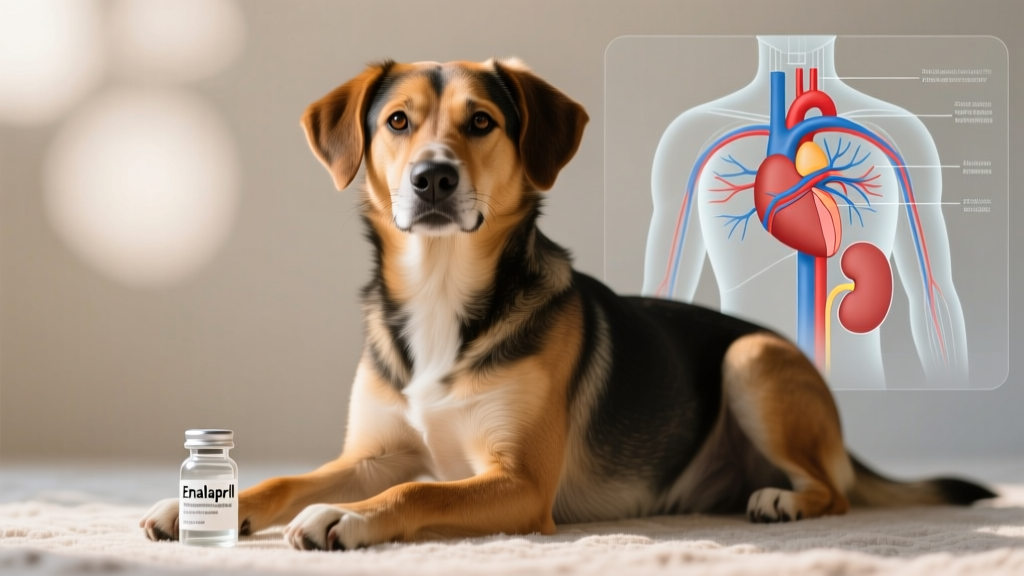
Quick Answer: What Is Enalapril for Dogs?
Enalapril (brand names: Enacard, Vasotec) is an ACE (angiotensin-converting enzyme) inhibitor prescribed by veterinarians to manage heart failure, hypertension, and chronic kidney disease in dogs. It works by blocking the enzyme that converts angiotensin I into angiotensin II — a potent vasoconstrictor — thereby relaxing blood vessels, reducing blood pressure, and decreasing the workload on the heart. Enalapril is FDA-approved for veterinary use and is one of the most commonly prescribed cardiovascular medications in canine medicine. Typical dosing ranges from 0.25 to 0.5 mg/kg once to twice daily, but your veterinarian will determine the exact dose based on your dog's condition, weight, and kidney function.
If your dog has been diagnosed with congestive heart failure, systemic hypertension, or protein-losing nephropathy, there's a strong chance your veterinarian will prescribe enalapril. Understanding how this medication works at a physiological level — and why dogs' cardiovascular systems respond the way they do — helps you make informed decisions about your dog's care and recognize what's normal versus what warrants a call to the clinic.
The Renin-Angiotensin-Aldosterone System: Why It Matters in Dogs
To understand enalapril, you need to understand the renin-angiotensin-aldosterone system (RAAS) — a hormone cascade that regulates blood pressure, fluid balance, and sodium retention in all mammals, including dogs.
Here's how it works step by step:
- Kidneys detect low blood pressure or low sodium — specialized cells in the juxtaglomerular apparatus release the enzyme renin into the bloodstream.
- Renin converts angiotensinogen (a protein produced by the liver) into angiotensin I — an inactive peptide.
- ACE (angiotensin-converting enzyme), primarily located in the lungs' capillary beds, converts angiotensin I into angiotensin II — one of the most powerful vasoconstrictors in the body.
- Angiotensin II triggers three effects: it constricts blood vessels (raising blood pressure), stimulates the adrenal glands to release aldosterone (which causes the kidneys to retain sodium and water), and increases thirst via the hypothalamus.
In dogs with heart failure, the RAAS becomes chronically overactivated. The failing heart can't pump effectively, so the kidneys sense reduced blood flow and continuously trigger this cascade. The result? Fluid retention, increased blood volume, higher blood pressure — and ultimately, more strain on an already compromised heart. This creates a vicious cycle that accelerates cardiac deterioration.
According to the Merck Veterinary Manual, RAAS activation is one of the primary neurohormonal drivers of heart failure progression in dogs, which is why ACE inhibitors like enalapril are considered cornerstone therapy.
How Enalapril Works: The Physiological Mechanism
Enalapril is actually a prodrug — it's pharmacologically inactive when ingested. Once absorbed through the gastrointestinal tract, it travels to the liver, where esterases convert it into its active form: enalaprilat. This conversion typically takes 1-2 hours in dogs, with peak plasma concentrations of enalaprilat reached within 3-4 hours of oral administration.
Enalaprilat then competitively binds to ACE, preventing it from converting angiotensin I into angiotensin II. The downstream effects are significant:
| Parameter | Without Enalapril (Heart Failure) | With Enalapril |
|---|---|---|
| Blood vessel tone | Constricted (high resistance) | Relaxed (reduced afterload) |
| Aldosterone secretion | Elevated → sodium/water retention | Suppressed → reduced fluid volume |
| Cardiac workload | High (pumping against resistance) | Reduced (easier ejection) |
| Glomerular filtration pressure | Variable (often elevated) | Reduced (kidney-protective in proteinuria) |
| Bradykinin levels | Normal breakdown | Increased (additional vasodilation) |
One often-overlooked mechanism: ACE also breaks down bradykinin, a vasodilator. When ACE is inhibited, bradykinin accumulates, contributing to additional blood vessel relaxation. This dual mechanism — blocking a vasoconstrictor while preserving a vasodilator — is part of what makes ACE inhibitors so effective.
In dogs with protein-losing nephropathy (PLN), enalapril provides a specific kidney benefit by dilating the efferent arteriole of the glomerulus. This reduces intraglomerular pressure, which decreases the amount of protein leaking through the kidney's filtration barrier. A study published in the Journal of Veterinary Internal Medicine demonstrated that enalapril significantly reduced proteinuria and slowed progression of renal disease in dogs with idiopathic glomerulonephritis compared to placebo.
Evolutionary Context: Why Dogs Have an Overactive RAAS Response
The RAAS evolved in ancestral canids as a survival mechanism for maintaining blood pressure during periods of dehydration, blood loss, or prolonged fasting — conditions common in wild wolves that might go days between successful hunts. A robust RAAS response meant that a wolf sustaining a bleeding injury during a hunt could maintain adequate blood pressure to survive long enough to reach safety.
In the wild, this system activates temporarily and then returns to baseline. But in domestic dogs with chronic heart disease, the RAAS remains perpetually triggered — an evolutionary adaptation mismatched with a modern clinical condition that ancestral canids rarely lived long enough to develop. Wild wolves typically don't survive to the ages where degenerative valve disease or dilated cardiomyopathy become prevalent, so there was no evolutionary pressure to develop a "brake" on chronic RAAS activation.
Conditions Enalapril Treats in Dogs
Veterinarians prescribe enalapril for several conditions, each leveraging different aspects of its mechanism:
Congestive Heart Failure (CHF)
Most commonly secondary to mitral valve disease (small breeds) or dilated cardiomyopathy (large breeds). Enalapril is typically combined with furosemide (a diuretic), pimobendan (a positive inotrope), and sometimes spironolactone. The AKC notes that approximately 10% of dogs develop some form of heart disease, with mitral valve disease accounting for roughly 75% of canine cardiac cases.
Systemic Hypertension
Dogs with sustained systolic blood pressure above 160 mmHg may receive enalapril as a first-line antihypertensive, especially when hypertension is secondary to kidney disease or hyperadrenocorticism (Cushing's disease).
Chronic Kidney Disease / Protein-Losing Nephropathy
Enalapril's ability to reduce glomerular pressure makes it valuable for dogs with proteinuria, slowing the progression of renal damage.
Dosing, Administration, and What to Expect
Always follow your veterinarian's exact dosing instructions. The following table represents typical dosing ranges for reference — never adjust your dog's dose without veterinary guidance.
| Dog Weight | Typical Starting Dose | Frequency | Common Tablet Size |
|---|---|---|---|
| 5-10 lb (2.3-4.5 kg) | 0.6-1.25 mg | Once to twice daily | 1 mg tablet (split) |
| 10-25 lb (4.5-11 kg) | 1.25-2.5 mg | Once to twice daily | 2.5 mg tablet |
| 25-50 lb (11-23 kg) | 2.5-5 mg | Once to twice daily | 5 mg tablet |
| 50-100 lb (23-45 kg) | 5-10 mg | Once to twice daily | 10 mg tablet |
| Over 100 lb (45+ kg) | 10-20 mg | Once to twice daily | 20 mg tablet |
Enalapril is available as oral tablets (1 mg, 2.5 mg, 5 mg, 10 mg, 20 mg) and can be compounded into flavored liquids for small dogs or dogs that resist pill-taking. It can be given with or without food, though giving it with a small meal may reduce occasional nausea.
Onset of action: Blood pressure reduction begins within 2-4 hours. Full therapeutic effect for heart failure management may take 1-2 weeks of consistent administration. Your veterinarian will typically schedule a recheck with bloodwork (BUN, creatinine, electrolytes) at 7-14 days after starting or adjusting the dose, then every 3-6 months for ongoing monitoring.
Side Effects, Risks, and When to Call the Vet
| Category | What to Expect | Action |
|---|---|---|
| Mild / Common | Occasional decreased appetite, mild lethargy in first few days | Monitor; usually resolves within 3-5 days |
| Moderate | Vomiting, diarrhea, noticeable decrease in water intake | Call your vet; dose adjustment may be needed |
| Serious (Seek Care) | Weakness, collapse, fainting episodes, complete refusal to eat for 24+ hours | Contact vet immediately — may indicate hypotension or acute kidney injury |
| Lab Abnormality | Elevated BUN/creatinine, elevated potassium (hyperkalemia) | Vet may reduce dose or discontinue; requires bloodwork monitoring |
- Your dog collapses or shows severe weakness after starting enalapril
- Vomiting or diarrhea persists beyond 24 hours
- Your dog stops drinking water entirely
- You notice a sudden increase in coughing or labored breathing (may indicate worsening heart failure, not a drug side effect)
- Your dog accidentally receives a double dose
ASPCA Animal Poison Control: (888) 426-4435 (24/7, consultation fee applies) for accidental overdose situations.
Contraindications: Enalapril should be used with extreme caution — or avoided — in dogs with acute kidney injury, severe dehydration, or pre-existing hyperkalemia. Dogs on concurrent NSAIDs (like carprofen or meloxicam) require closer monitoring, as the combination can reduce kidney perfusion. Pregnant dogs should not receive enalapril due to documented fetal toxicity in animal studies.
Breed Variations and Predispositions
While enalapril's mechanism is the same across all breeds, the conditions it treats show strong breed predispositions that affect how commonly different dogs encounter this medication:
| Breed | Primary Condition | Typical Age of Onset | Notes |
|---|---|---|---|
| Cavalier King Charles Spaniel | Mitral valve disease → CHF | 5-8 years | Over 50% develop MVP by age 5; nearly universal by age 10 |
| Doberman Pinscher | Dilated cardiomyopathy | 6-8 years | Often occult (hidden) until sudden arrhythmia or failure |
| Dachshund | Mitral valve disease | 8-10 years | Small breed predisposition to degenerative valve changes |
| Boxer | Arrhythmogenic right ventricular cardiomyopathy | 6-10 years | May need enalapril if secondary CHF develops |
| Soft-Coated Wheaten Terrier | Protein-losing nephropathy | 2-6 years | Hereditary PLN; enalapril used for renoprotection |
| Great Dane | Dilated cardiomyopathy | 4-7 years | Giant breed cardiac risk; shortens lifespan significantly |
Dosing does not typically vary by breed — it's weight-based. However, breeds predisposed to kidney disease (like the Wheaten Terrier) may require more frequent bloodwork monitoring to ensure enalapril isn't worsening renal function in a dog that's also losing protein through damaged glomeruli.
Common Misconceptions About Enalapril
| Myth | Fact |
|---|---|
| "Enalapril cures heart disease." | Enalapril manages heart failure symptoms and slows progression. It does not reverse valve degeneration or restore damaged heart muscle. Dogs typically remain on it lifelong. |
| "If my dog seems fine, I can stop the medication." | Feeling better is evidence the drug is working. Stopping enalapril abruptly can cause rebound RAAS activation, worsening fluid retention and precipitating acute heart failure decompensation within days. |
| "Human enalapril is identical to veterinary enalapril." | While the active ingredient is the same, human formulations may contain different excipients. Never substitute human prescriptions without veterinary approval — dosing concentrations differ significantly. |
| "Enalapril causes kidney failure." | Enalapril can reduce kidney perfusion in dehydrated dogs or those with pre-existing acute kidney injury, but in stable chronic kidney disease with proteinuria, it's actually renoprotective. Context and monitoring matter enormously. |
| "All blood pressure medications work the same way." | ACE inhibitors, calcium channel blockers (like amlodipine), beta-blockers (like atenolol), and ARBs (like telmisartan) each target different points in the blood pressure regulation cascade. They are not interchangeable. |
How Is This Different From Humans?
While the RAAS pathway is fundamentally similar in dogs and humans, there are clinically relevant differences:
- Dosing frequency: Humans typically take enalapril once daily. Dogs often require twice-daily dosing because they metabolize the drug faster — canine hepatic esterase activity converts enalapril to enalaprilat more rapidly than human liver enzymes.
- Primary use case: In human medicine, enalapril is heavily used for essential hypertension (high blood pressure with no identifiable cause). In dogs, essential hypertension is rare — hypertension is almost always secondary to kidney disease, Cushing's disease, or another underlying condition. So canine enalapril use is more commonly driven by heart failure management than standalone blood pressure control.
- Cough side effect: In humans, ACE inhibitors commonly cause a dry, persistent cough (up to 20% of patients) due to bradykinin accumulation in the airways. This side effect is reported much less frequently in dogs, though it can occur and may be confused with cardiac coughing — making veterinary assessment essential.
- Monitoring intensity: Dogs on enalapril require periodic bloodwork to check kidney values and electrolytes. Humans on the same medication undergo similar monitoring, but dogs can't report subjective symptoms like dizziness, so objective lab data carries more weight in veterinary dose adjustments.
Practical Takeaways for Dog Owners
- Budget for monitoring: Expect bloodwork rechecks every 3-6 months at $80-$200 per visit depending on your region and whether a full chemistry panel plus electrolytes is run. Annual echocardiograms for heart failure patients typically cost $300-$600.
- Medication cost: Generic enalapril is inexpensive — typically $10-$30 for a 60-day supply at standard doses. Veterinary-specific compounded formulations may cost $25-$50.
- Consistency is critical: Give enalapril at the same times daily. Missing doses allows RAAS reactivation. If you miss a dose, give it when you remember unless it's close to the next scheduled dose — never double up.
- Watch water intake: Increased thirst can signal worsening heart failure OR a side effect of concurrent diuretics (like furosemide). Track daily water consumption and report significant changes to your vet.
- Avoid NSAIDs without vet approval: Over-the-counter or prescribed NSAIDs (ibuprofen, carprofen, meloxicam) can reduce kidney blood flow. Combined with enalapril's effect on glomerular pressure, this combination increases acute kidney injury risk. Always confirm with your veterinarian before giving any pain medication.
Frequently Asked Questions
Can dogs take enalapril long-term?
Yes. Most dogs with heart failure or chronic kidney disease remain on enalapril for life. Long-term studies in dogs have demonstrated sustained benefit without cumulative toxicity, provided kidney function and electrolytes are monitored regularly. Some dogs have been maintained on enalapril for 3-5+ years with good quality of life.
Is enalapril safe for all dog breeds?
Enalapril is generally safe across breeds when dosed appropriately. However, breeds with predispositions to kidney disease (Soft-Coated Wheaten Terriers, Bull Terriers with hereditary nephritis) require more careful monitoring. There are no breed-specific contraindications, but individual variation in drug metabolism exists.
What does it mean when my dog coughs after starting enalapril?
A dry cough could be a side effect of ACE inhibition (bradykinin accumulation in airways) or a symptom of the underlying heart disease itself. Your veterinarian can differentiate between the two through thoracic radiographs and physical exam. If the cough is drug-related, your vet may switch to an ARB like telmisartan, which doesn't affect bradykinin breakdown.
How is enalapril different from pimobendan?
They work through entirely different mechanisms. Enalapril reduces the heart's workload by relaxing blood vessels (afterload reduction). Pimobendan is a positive inotrope and vasodilator — it increases the strength of heart muscle contraction while also dilating blood vessels. In advanced heart failure, dogs typically receive both medications together as part of a multi-drug protocol.
What happens if my dog accidentally eats a human enalapril tablet?
Human enalapril tablets come in doses of 5 mg, 10 mg, 20 mg, or higher — potentially a significant overdose for a small dog. Contact your veterinarian or the ASPCA Animal Poison Control at (888) 426-4435 immediately. Monitor for weakness, collapse, or vomiting. Treatment may involve IV fluids to support blood pressure and kidney perfusion.
Can enalapril be given with other heart medications?
Yes — in fact, combination therapy is the standard of care. Enalapril is routinely prescribed alongside furosemide, pimobendan, and spironolactone. The combination addresses heart failure through multiple pathways simultaneously. However, combining enalapril with other RAAS-affecting drugs (like spironolactone) increases hyperkalemia risk, making electrolyte monitoring essential.
Disclaimer: This article is for educational purposes and does not replace professional veterinary advice. Always consult your veterinarian before starting, adjusting, or discontinuing any medication for your dog. Your veterinarian will determine the appropriate dose and monitoring schedule based on your dog's individual health status.
Marcus Aldridge
All our authors care for dogs every day — read more of their work on the authors page.


