The Neuroscience Behind Canine Anxiety Medications
Explore the science behind drugs to calm dogs, including how anxiety medications work in the canine brain, evolutionary roots of fear, and practical owner guidance.
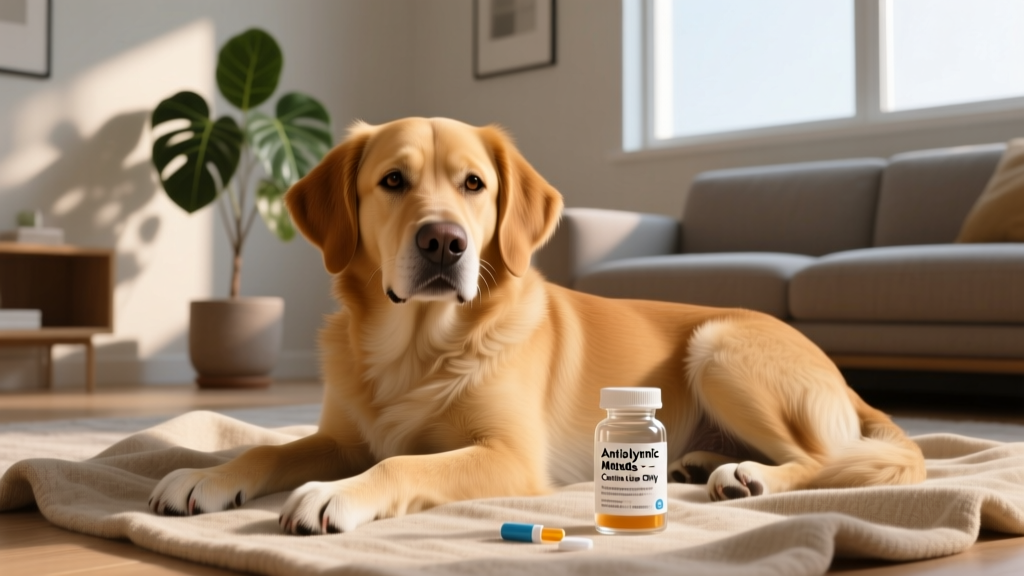
Quick Answer: Do Drugs to Calm Dogs Actually Work?
Yes — when prescribed by a veterinarian, anti-anxiety medications can significantly reduce fear, stress, and reactive behaviors in dogs. These drugs work by modulating neurotransmitters like serotonin, GABA, and norepinephrine in the canine brain. However, medication alone is rarely a complete solution. The Merck Veterinary Manual emphasizes that pharmacological intervention is most effective when paired with behavior modification protocols using positive reinforcement and desensitization techniques. Common options include fluoxetine (Reconcile®), trazodone, gabapentin, and clomipramine (Clomicalm®), with costs ranging from $15–$80/month depending on the drug and your dog's weight.
Why Do Dogs Experience Anxiety? The Evolutionary Basis
To understand why drugs to calm dogs target specific brain pathways, we need to look at canine evolutionary history. Fear and anxiety are not defects — they are survival mechanisms inherited from wolves. In ancestral environments, hypervigilance kept canids alive. A wolf that startled at every rustling bush survived longer than one that ignored potential predators.
From Wolf to Living Room: The Mismatch Problem
Domesticated dogs (Canis lupus familiaris) diverged from wolves roughly 20,000–40,000 years ago, yet their limbic system — the brain's emotional processing center — remains structurally similar. What changed was the environment. Modern dogs encounter fireworks, thunderstorms, veterinary clinics, and prolonged isolation — stimuli their brains interpret as life-threatening despite zero actual danger. This evolutionary mismatch is why approximately 14–20% of dogs suffer from clinically significant anxiety disorders, according to a 2020 study published in Scientific Reports surveying over 13,000 dogs in Finland.
Separation anxiety, noise phobias, and generalized fear all trace back to the same neural circuits that once protected wolves from predation. The amygdala processes threat detection, the hypothalamus triggers the fight-or-flight cascade, and the prefrontal cortex — which is proportionally smaller in dogs than humans — struggles to override these primal responses. When these systems become chronically activated, that's when veterinarians consider pharmacological support.
How Do Drugs to Calm Dogs Work? The Physiological Mechanism
Canine anti-anxiety medications fall into several pharmacological classes, each targeting different neurotransmitter systems. Understanding the mechanism helps owners set realistic expectations about onset, duration, and side effects.
Key Neurotransmitters in Canine Anxiety
- Serotonin (5-HT): Regulates mood, impulse control, and emotional stability. Low serotonin activity is linked to aggression, compulsive behaviors, and chronic anxiety. SSRIs like fluoxetine block serotonin reuptake, keeping more available in synaptic gaps.
- GABA (Gamma-Aminobutyric Acid): The brain's primary inhibitory neurotransmitter. It acts like a neural "brake pedal," reducing neuronal excitability. Benzodiazepines (e.g., alprazolam) enhance GABA receptor activity for rapid, short-term calming.
- Norepinephrine: Drives the fight-or-flight response. Chronic elevation produces hypervigilance, restlessness, and panic. Some medications dampen norepinephrine signaling or modulate its release.
- Dopamine: Involved in reward processing and motivation. Imbalances can contribute to compulsive disorders and frustration-based reactivity.
Medication Classes Compared
| Drug Class | Examples | Onset Time | Best For | Typical Monthly Cost |
|---|---|---|---|---|
| SSRIs (Selective Serotonin Reuptake Inhibitors) | Fluoxetine (Reconcile®), Sertraline | 4–8 weeks for full effect | Long-term anxiety management, separation anxiety, compulsive disorders | $20–$50 |
| TCAs (Tricyclic Antidepressants) | Clomipramine (Clomicalm®), Amitriptyline | 3–6 weeks | Separation anxiety, noise phobias, urine marking | $25–$60 |
| Benzodiazepines | Alprazolam, Diazepam | 30–60 minutes | Situational anxiety (thunderstorms, vet visits, travel) | $15–$40 |
| Alpha-2 Agonists | Dexmedetomidine (Sileo®) | 30–60 minutes | Noise aversion (FDA-approved specifically for this) | $50–$80 |
| Atypical Anxiolytics | 1–2 hours | Pre-vet visit calming, post-surgical confinement anxiety | $15–$35 |
Important: Your veterinarian will determine the appropriate medication and dosage based on your dog's weight, health status, comorbidities, and specific behavioral presentation. Never administer human anti-anxiety medications without veterinary guidance — dosages differ drastically, and some human formulations contain ingredients toxic to dogs.
Can Dogs Build Tolerance to Anxiety Medications?
This is one of the most common concerns owners raise. The answer depends on the drug class. Benzodiazepines carry a genuine risk of tolerance development with chronic daily use, which is why veterinarians typically reserve them for situational or as-needed administration. SSRIs and TCAs, by contrast, do not produce tolerance in the traditional sense — their therapeutic effect remains stable over months or years of continuous use.
A 2019 review in the Journal of Veterinary Behavior found that dogs on long-term fluoxetine therapy maintained consistent behavioral improvement over 12–24 months without dose escalation. However, abrupt discontinuation of any serotonergic medication can cause withdrawal-like symptoms including irritability, sleep disruption, and rebound anxiety. Tapering protocols typically involve reducing the dose by 25% every 1–2 weeks under veterinary supervision.
What Does It Mean When My Dog Is Anxious Despite Medication?
Medication reduces the physiological intensity of anxiety, but it does not erase learned associations. If your dog has spent three years learning that the doorbell predicts terrifying encounters with strangers, an SSRI will lower their baseline arousal but won't automatically rewrite that learned prediction.
Practical Implications for Owners
- Medication creates a window for learning. When your dog's nervous system isn't flooded with cortisol and norepinephrine, they can actually form new, positive associations through counter-conditioning and desensitization protocols.
- Expect a 4–8 week adjustment period for daily medications like SSRIs. During this time, you may see transient side effects (lethargy, decreased appetite, mild GI upset) before therapeutic benefits emerge.
- Track behavioral data objectively. Keep a daily log rating your dog's anxiety on a 1–10 scale for specific triggers. This data helps your veterinarian adjust dosages with precision rather than guesswork.
- Combine medication with environmental management. White noise machines for noise phobias, safe confinement areas for separation anxiety, and predictable routines reduce the overall anxiety burden your dog carries.
- Budget for the full treatment picture. Medication ($15–$80/month) plus a certified veterinary behaviorist consultation ($300–$600 initial visit) plus potential follow-up sessions represents a real financial commitment. Pet insurance policies vary widely in behavioral coverage — check your plan's specifics.
Common Misconceptions About Anti-Anxiety Medications for Dogs
| Myth | Fact |
|---|---|
| "Medication will turn my dog into a zombie." | Properly dosed anti-anxiety medications reduce pathological fear without eliminating personality. If your dog seems excessively sedated, the dose needs adjustment — that's not the intended therapeutic effect. |
| "Using drugs is taking the easy way out." | Chronic anxiety causes measurable harm — elevated cortisol damages the immune system, gastrointestinal tract, and cardiovascular health over time. Pharmacological intervention is a welfare decision, not a shortcut. |
| "My dog will be on medication forever." | Many dogs successfully taper off medication after 6–18 months of combined pharmacological and behavioral therapy. Others benefit from long-term management, similar to humans with chronic anxiety disorders. |
| "Natural supplements work just as well." | While some supplements (L-theanine, Passiflora incarnata, hydrolyzed milk protein) show mild anxiolytic effects in studies, they lack the potency and predictability of pharmaceutical-grade medications for moderate-to-severe anxiety. |
| "All anxiety medications are the same." | Different drug classes target different neurochemical pathways and are suited to different clinical presentations. What works for noise phobia may be ineffective for separation anxiety. |
Breed Variations in Anxiety and Medication Response
Genetics influence both anxiety predisposition and drug metabolism. Herding breeds — Border Collies, Australian Shepherds, German Shepherds — show higher rates of noise sensitivity and hypervigilance, partly linked to selection for environmental awareness during herding work. A study in Applied Animal Behaviour Science found that Rough Collies and German Shepherds had the highest owner-reported noise phobia prevalence among surveyed breeds.
Pharmacogenomics — how genetics affect drug response — is an emerging field in veterinary medicine. Some dogs carry variations in cytochrome P450 liver enzymes that affect how quickly they metabolize certain medications. While routine genetic testing for drug metabolism isn't yet standard practice in veterinary behavioral medicine, it may explain why a dose that calms one Labrador barely affects another of the same weight. If your dog shows unusual sensitivity or resistance to standard doses, mention this to your veterinarian.
Brachycephalic breeds (French Bulldogs, Pugs, English Bulldogs) present additional considerations. Their compromised airway anatomy means that any medication causing sedation requires extra monitoring — excessive relaxation of pharyngeal muscles can worsen brachycephalic obstructive airway syndrome (BOAS) symptoms during sleep or exertion.
When Anxiety Signals an Underlying Medical Problem
Not all anxious behavior is purely behavioral. Several medical conditions can produce or exacerbate anxiety-like symptoms:
- Hypothyroidism: Low thyroid hormone levels can cause irritability, fearfulness, and cognitive changes. A full thyroid panel (T4, free T4, TSH) costs $80–$150 and should be part of any anxiety workup.
- Pain: Chronic orthopedic pain from hip dysplasia, arthritis, or IVDD makes dogs reactive and avoidant. Dogs in pain often guard resources, resist handling, and startle easily — behaviors easily mistaken for primary anxiety.
- Cognitive Dysfunction Syndrome (CDS): Senior dogs developing dementia may show nighttime restlessness, disorientation, and increased clinginess that mimics separation anxiety. Medications like selegiline (Anipryl®) target CDS specifically.
- Gastrointestinal disease: Chronic nausea or inflammatory bowel disease creates a state of physiological stress that lowers anxiety thresholds. The gut-brain axis in dogs, as in humans, means GI health directly impacts emotional regulation.
Key Sources
- Merck Veterinary Manual — Dog Behavior: Comprehensive reference on canine behavioral disorders and pharmacological treatment protocols.
- AVMA Animal Behavior Resources: Guidelines on behavioral assessment and referral to veterinary behaviorists.
- FDA Approved Animal Drugs: Database of FDA-approved veterinary medications including Sileo® and Reconcile®.
How Is Canine Anxiety Processing Different from Humans?
Dogs lack the prefrontal cortex development that allows humans to cognitively reframe anxiety ("I know the fireworks aren't actually dangerous"). Their anxiety is more purely physiological and associative. This is precisely why drugs to calm dogs can be so effective — they target the physiological substrate directly, without requiring the cognitive insight that human psychotherapy often depends on.
However, dogs also lack the rumination capacity that makes human anxiety disorders so persistent. Once the trigger is removed and the physiological arousal subsides, most dogs return to baseline relatively quickly — unless the anxiety has been chronically reinforced. This neuroplasticity is actually good news: it means behavior modification combined with medication can produce meaningful change within months rather than years.
Is it safe to give my dog human anti-anxiety medication?
Some human medications (fluoxetine, trazodone) are used in veterinary medicine, but dosages are completely different and some formulations contain xylitol or other ingredients toxic to dogs. Always obtain medications through your veterinarian, who will prescribe veterinary-appropriate formulations and dosing. If accidental ingestion of human medication occurs, contact ASPCA Animal Poison Control at (888) 426-4435 immediately.
How long does it take for calming drugs to work in dogs?
Situational medications like trazodone or alprazolam work within 30–120 minutes. Daily medications like fluoxetine require 4–8 weeks of consistent administration before full therapeutic effects are visible. Some dogs show partial improvement within 2 weeks, but premature discontinuation is a common reason for perceived treatment failure.
Can anxiety medication be combined with training?
Not only can it be combined — it should be. Medication lowers the neurological threshold for learning, making counter-conditioning and desensitization protocols more effective. The combination of pharmacological support and force-free behavior modification consistently outperforms either approach alone in peer-reviewed studies.
What are the most common side effects?
SSRIs: transient lethargy, decreased appetite, occasional GI upset (typically resolves within 1–2 weeks). Trazodone: sedation, ataxia (wobbly gait) at higher doses. Benzodiazepines: paradoxical excitement in some dogs, increased appetite, sedation. Always report side effects to your veterinarian — dose adjustments or medication switches resolve most issues.
Are there non-pharmaceutical alternatives worth trying first?
For mild anxiety, evidence supports trying Adaptil® (synthetic dog-appeasing pheromone), L-theanine supplements (Virbac Anxitane®), and structured behavior modification before escalating to prescription medication. However, for moderate-to-severe anxiety that impairs daily functioning, delaying pharmacological intervention prolongs suffering unnecessarily. Consult your veterinarian to determine the right threshold for your individual dog.
Dr. Hannah Wickes
All our authors care for dogs every day — read more of their work on the authors page.


