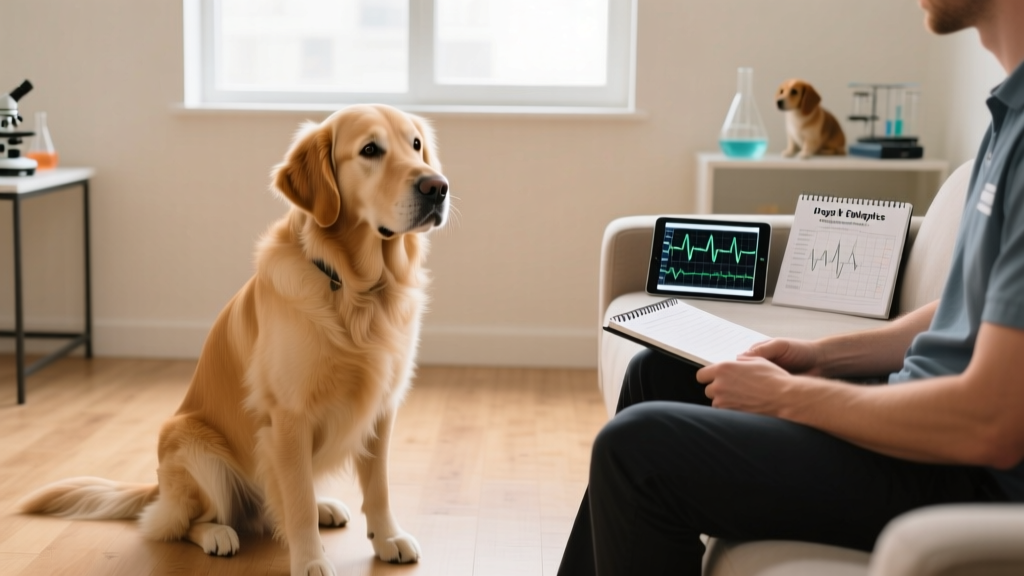
Dogs Appropriate for Apartments: The Science of Breed Selection
Discover the science behind which dogs are appropriate for apartments. Learn about breed traits, energy levels, and behavioral factors that make...

Quick Answer: What Makes Dogs Appropriate for Apartments?
Dogs appropriate for apartments typically have moderate to low energy requirements (30-60 minutes of exercise daily), lower vocalization tendencies, smaller size (under 50 lb / 23 kg), and adaptable temperaments. However, size alone isn't the deciding factor—some large breeds like Greyhounds adapt well to apartment living due to their calm indoor demeanor, while small breeds like Jack Russell Terriers may struggle due to high energy and vocalization.
The Science Behind Apartment-Friendly Dog Traits
Energy Metabolism and Exercise Requirements
A dog's suitability for apartment living largely depends on their basal metabolic rate (BMR) and how it translates to behavioral needs. Research published in the Journal of Veterinary Behavior shows that breed-specific energy levels correlate with historical working roles rather than body size alone.
Working breeds developed for sustained activity (herding, hunting, pulling) have physiological adaptations including:
- Higher mitochondrial density in muscle tissue
- More efficient oxygen utilization during exercise
- Elevated cortisol baseline levels that drive activity-seeking behavior
These adaptations mean that a Border Collie's need for 90+ minutes of intense daily exercise isn't just preference—it's a biological requirement. Without adequate outlet, these dogs develop stress behaviors including destructive chewing, excessive barking, and pacing.
Evolutionary Basis: Why Some Breeds Adapt Better to Confined Spaces
Ancestral Territory Patterns
Wolves and early dogs evolved with varying territory sizes based on prey availability. Breeds developed from lines that worked in close proximity to humans—such as companion breeds (Pugs, Bichon Frises) or livestock guardians (Great Pyrenees)—show genetic predispositions toward:
- Lower roaming drive: Less motivation to patrol large territories
- Higher tolerance for proximity: Comfort with sustained close contact
- Reduced startle response: Less reactive to sudden noises common in multi-unit housing
These traits developed over thousands of years of selective breeding for specific human environments, creating measurable differences in stress hormone profiles and behavioral responses.
Physiological Mechanisms: How Dogs Process Apartment Living
Cortisol and Stress Response
Apartment environments present unique stressors: shared walls, elevator encounters, limited outdoor access, and constant proximity to unfamiliar dogs and people. A dog's ability to handle these stressors depends on their hypothalamic-pituitary-adrenal (HPA) axis function.
Breeds with lower baseline cortisol and faster recovery times after stress events show better apartment adaptation. Research from the National Institutes of Health demonstrates that companion breeds show significantly lower cortisol spikes in novel environments compared to working breeds.
Vocalization Neurology
Barking frequency relates to both genetic predisposition and learned behavior. Breeds developed for alerting (Terriers, some Herding breeds) have neurological pathways that trigger vocalization in response to environmental changes. In apartments, this translates to barking at:
- Footsteps in hallways
- Doors closing
- Other dogs barking
- Delivery arrivals
While training can reduce excessive barking, the underlying neurological drive remains. This is why breeds with lower alert-barking instincts (Greyhounds, Bulldogs, Cavalier King Charles Spaniels) adapt more easily to shared-wall living.
Common Misconceptions About Apartment Dogs
| Myth | Scientific Reality |
|---|---|
| "Small dogs are always better for apartments" | Size matters less than energy level and vocalization. Jack Russell Terriers (10-15 lb / 4.5-7 kg) often struggle in apartments due to high energy and alert-barking instincts, while Greyhounds (60-70 lb / 27-32 kg) excel due to their calm indoor nature. |
| "Any dog will adapt if exercised enough" | While exercise helps, breeds with high environmental sensitivity or strong territorial instincts may remain chronically stressed in apartments regardless of physical activity levels. |
| "Apartment dogs need less training" | Apartment dogs often need more training for elevator etiquette, hallway encounters, and door manners due to constant proximity to triggers. |
| "Quiet breeds won't bark at all" | All dogs bark situationally. "Quiet" breeds simply have higher thresholds and lower frequency, not complete absence of vocalization. |
Practical Implications: What This Means for Daily Life
Space Requirements by Energy Level
Low-energy breeds (Bulldogs, Basset Hounds, senior dogs): Require 150-200 sq ft of clear floor space for comfortable movement. A 600 sq ft apartment works well with 2-3 short walks daily.
Moderate-energy breeds (Cavalier King Charles Spaniels, Pugs, Whippets): Need 200-300 sq ft plus access to nearby green space. A 700-900 sq ft apartment with a dog park within 0.25 miles is ideal.
Higher-energy adaptable breeds (Standard Poodles, Boxers): Can thrive in 800+ sq ft apartments if owners commit to 60-90 minutes of structured exercise including running, fetch, or agility training.
Sound Management Strategies
For breeds prone to alert barking, environmental modifications help:
- White noise machines (cost: $20-50) mask hallway sounds
- Window film ($15-30 per window) blocks visual triggers
- Puzzle feeders ($10-35) provide mental stimulation that reduces boredom barking
Exercise Timing for Apartment Dogs
Research shows dogs exercised in the morning show 23% less stress-related behavior throughout the day compared to evening-only exercise. For apartment dogs, this means:
- 15-20 minute morning walk before work
- Evening walk or play session
- Weekend longer activities (hiking, dog park visits)
Breed Variations: Which Dogs Are Most Appropriate for Apartments?
Top Tier Apartment Breeds (Based on Scientific Criteria)
| Breed | Size (lb/kg) | Daily Exercise | Vocalization | Apartment Score |
|---|---|---|---|---|
| Greyhound | 60-70 / 27-32 | 30-45 min | Very Low | 9/10 |
| Cavalier King Charles Spaniel | 13-18 / 6-8 | 30-45 min | Low | 9/10 |
| Bulldog (English) | 40-50 / 18-23 | 20-30 min | Low | 8/10 |
| Bichon Frise | 12-18 / 5-8 | 30-45 min | Moderate | 8/10 |
| Pug | 14-18 / 6-8 | 20-30 min | Moderate | 8/10 |
| Whippet | 25-40 / 11-18 | 45-60 min | Very Low | 8/10 |
| Standard Poodle | 40-70 / 18-32 | 60-90 min | Moderate | 7/10 |
Breeds That Often Struggle in Apartments
These breeds can succeed with experienced owners, but face inherent challenges:
- Border Collie: 90+ minute exercise needs, high environmental sensitivity, strong herding instincts triggered by hallway foot traffic
- Jack Russell Terrier: High energy, strong prey drive, frequent alert barking
- Siberian Husky: Vocalization tendencies, high exercise needs, escape artist tendencies
- Beagle: Strong scent-following drive, pack-hunting vocalization, moderate-high energy
When Apartment Living Might Signal a Problem
Behavioral Red Flags
Consult a veterinary behaviorist if your apartment dog shows:
- Chronic pacing or inability to settle (may indicate anxiety disorder)
- Destructive behavior despite adequate exercise (separation anxiety or under-stimulation)
- Excessive barking that doesn't respond to training (environmental stress)
- House soiling in previously trained dogs (stress-induced regression)
- Aggression toward neighbors or other dogs in shared spaces (territorial stress)
Physical Health Concerns
Apartment dogs may be at higher risk for:
- Obesity: Limited space can reduce spontaneous movement. Monitor body condition score monthly.
- Joint issues: Slippery floors increase injury risk. Use area rugs for traction.
- Respiratory stress: Brachycephalic breeds (Bulldogs, Pugs) need climate control in apartments without central AC.
Frequently Asked Questions
Why do some large dogs adapt better to apartments than small dogs?
Size doesn't determine apartment suitability—energy metabolism and behavioral drives do. Large breeds like Greyhounds evolved as sprint hunters with short bursts of intense activity followed by long rest periods. Their physiology favors "couch potato" indoor behavior. Small terrier breeds, conversely, were developed for sustained hunting activity and alert-barking, making them higher-energy despite their size.
Can dogs be happy in small apartments without yards?
Yes, with appropriate breed selection and owner commitment. Research shows dogs need mental stimulation and physical exercise more than space itself. A well-exercised dog in a 600 sq ft apartment often shows better welfare than an under-exercised dog with yard access but limited interaction. The key is meeting breed-specific exercise requirements (typically 30-90 minutes daily depending on breed).
How do dogs process the constant noise of apartment living?
Dogs have more sensitive hearing than humans (detecting frequencies up to 65,000 Hz vs. our 20,000 Hz) and can localize sounds more precisely. Apartment noises—footsteps, doors, conversations—create constant low-level stimulation. Breeds with lower environmental sensitivity show faster habituation, while high-alert breeds may remain in chronic low-level stress. White noise machines and desensitization training help dogs adapt.
What does it mean when my dog paces constantly in the apartment?
Chronic pacing often signals unmet exercise needs, anxiety, or environmental stress. First, ensure you're meeting breed-appropriate exercise requirements. If pacing continues despite adequate physical activity, consult your veterinarian to rule out medical causes (pain, cognitive dysfunction in seniors) and consider working with a certified dog behavior consultant for anxiety management.
Is it normal for apartment dogs to bark more than house dogs?
Apartment dogs often bark more frequently due to increased environmental triggers (hallway sounds, neighbor dogs, delivery arrivals). This is normal situationally but becomes problematic if barking is excessive or doesn't stop when the trigger passes. Breeds with lower alert-barking instincts adapt better, while high-alert breeds may need management strategies like window film and white noise.
How is apartment living different for dogs vs. humans?
Humans adapt to apartments through cognitive understanding ("the noise will stop," "neighbors are normal"). Dogs lack this framework and respond purely to instinct and conditioning. They also experience apartments differently: limited territory control, constant proximity to unfamiliar dogs/people, and reduced choice in social interactions. This makes breed selection and gradual acclimation critical for dog welfare.
Related Behaviors and Cross-References
- Separation anxiety: More common in apartment dogs due to constant proximity followed by owner absence
- Leash reactivity: Apartment dogs may develop hallway reactivity due to frequent close encounters
- Resource guarding: Smaller spaces can intensify guarding behaviors around food/toys
- Noise sensitivity: Apartment living can increase or decrease sound reactivity depending on breed and acclimation
Final Considerations
Choosing dogs appropriate for apartments requires understanding the science behind breed-specific needs rather than relying on size assumptions. Energy metabolism, vocalization patterns, and stress response physiology determine apartment success more than square footage alone.
Before selecting an apartment dog, honestly assess:
- Your daily exercise commitment (be realistic, not aspirational)
- Your apartment's noise level and building rules
- Access to nearby green space and dog services
- Your tolerance for breed-specific behaviors (barking, shedding, energy)
With proper breed selection and management, apartment dogs can thrive. For breed-specific health concerns or behavioral issues, consult your veterinarian or a certified dog behavior consultant.
Dr. Hannah Wickes
All our authors care for dogs every day — read more of their work on the authors page.