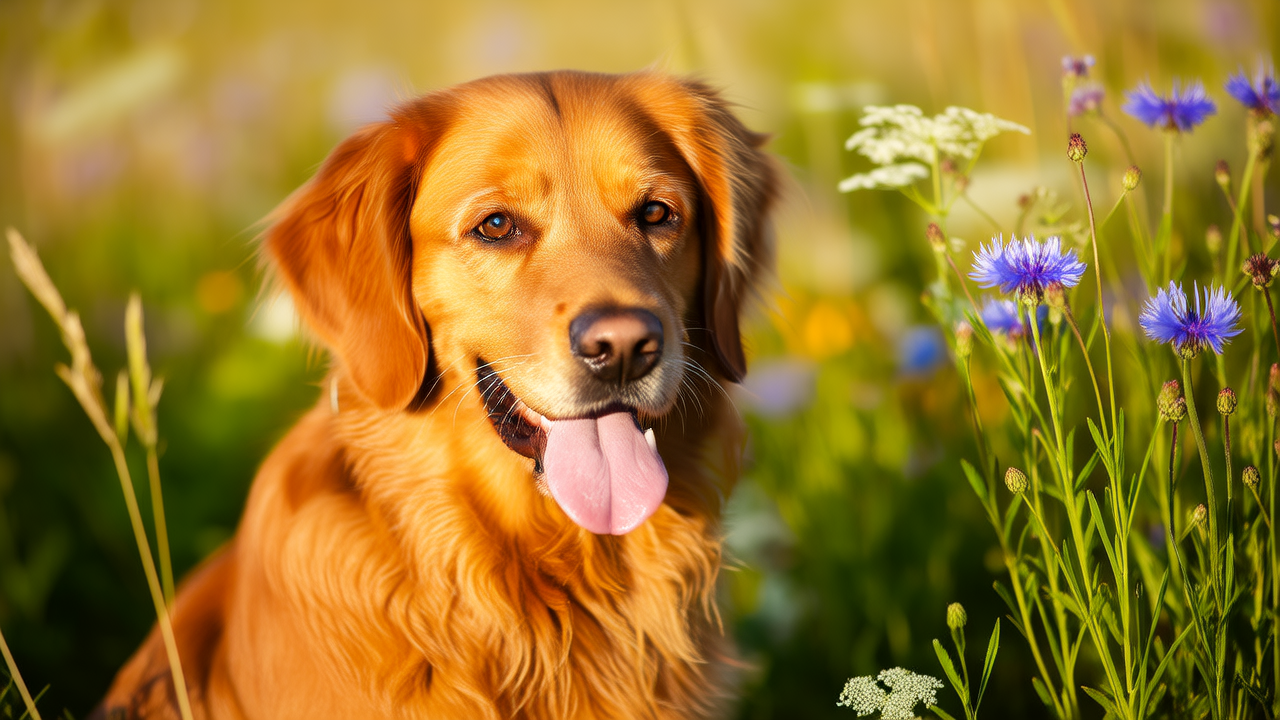
Dogs and Peas: The Science of Why Canines Digest and Love Them
Explore the science behind dogs and peas — from evolutionary digestion to safe serving sizes, nutritional data, and what research says about peas in canine diets.

Quick Answer: Can Dogs Eat Peas?
YES. Green peas (garden peas, snow peas, sugar snap peas) are safe for most dogs in appropriate serving sizes. They provide fiber, vitamins A, B, and K, and plant-based protein. However, canned peas with added sodium and pea fiber isolates in some grain-free kibble carry separate considerations. Always serve peas plain — no butter, salt, garlic, or onion seasoning. If your dog has kidney issues or a history of bladder stones, consult your veterinarian before adding peas to their diet.
The Nutritional Science of Peas for Dogs
Peas (Pisum sativum) are a legume that has been part of the human agricultural diet for over 10,000 years — and by extension, has been available to dogs since their domestication alongside farming communities. A 100-gram serving of raw green peas contains approximately 81 calories, 5.4 grams of protein, 5.1 grams of fiber, and notable levels of vitamin K (24.8 mcg), vitamin C (40 mg), thiamine (0.27 mg), and manganese (0.41 mg), according to the USDA FoodData Central.
For dogs, these nutrients translate into several measurable benefits:
- Fiber (5.1g per 100g): Supports gastrointestinal motility and stool quality. The insoluble fiber in peas adds bulk, while the soluble fraction feeds beneficial colonic bacteria.
- Vitamin K: Essential for blood coagulation factor synthesis (factors II, VII, IX, X). Dogs synthesize some vitamin K via gut bacteria, but dietary sources provide supplementary coverage.
- Lutein and zeaxanthin: Carotenoids that support retinal health. Research published in the Journal of Nutrition has demonstrated that dietary lutein improves immune response markers in dogs.
- Plant protein (5.4g per 100g): Peas contain a moderate amount of protein with a reasonable amino acid profile, though they are not a complete protein source for dogs on their own.
How Dogs Digest Peas: The Physiological Mechanism
Dogs possess a digestive system adapted to an omnivorous diet — a shift from their wolf ancestors that occurred over thousands of years of cohabitation with humans. A landmark 2013 study published in Nature (Axelsson et al.) identified that dogs carry multiple copies of the AMY2B gene, which codes for pancreatic amylase — the enzyme responsible for breaking down starches. Wolves typically carry only two copies; many dogs carry 10 or more.
This genetic adaptation means dogs can efficiently digest the starches in peas (approximately 14g per 100g of raw peas). The starch is broken down in the small intestine by amylase into maltose and glucose, which are then absorbed through the intestinal villi. The fiber fraction passes to the large intestine, where microbial fermentation produces short-chain fatty acids (SCFAs) like butyrate, which nourish colonocytes and support gut barrier integrity.
However, dogs lack the cellulase enzyme needed to break down cellulose cell walls in raw plant material. This is why cooked or steamed peas are more digestible than raw — heat disrupts the cell walls, releasing nutrients that canine enzymes can access.
Evolutionary Context: Why Canines Can Process Legumes
From Wolf Scavengers to Farm Dogs
The gray wolf (Canis lupus) — the primary ancestor of domestic dogs — is predominantly a carnivore, deriving 50-70% of calories from animal protein and fat in wild settings. However, the transition to domestication approximately 15,000-40,000 years ago placed proto-dogs in a new ecological niche: scavenging around human settlements.
Archaeological evidence from Neolithic farming sites shows that early village dogs consumed a diet rich in agricultural waste — including grains, legumes, and vegetable scraps. Natural selection favored individuals whose digestive systems could extract nutrition from these plant-based foods. The AMY2B gene amplification is the clearest genetic signature of this dietary shift, documented by researchers at Uppsala University's 2013 genomic study.
This evolutionary pressure means that modern dogs are not simply "carnivores forced to eat kibble" — they are genuine omnivores with documented physiological adaptations for starch digestion, including enhanced amylase production and modified maltase-glucoamylase activity in the small intestine.
Pea Varieties and Safety for Dogs
| Pea Type | Safe for Dogs? | Preparation Notes | Key Concern |
|---|---|---|---|
| Garden peas (shelled) | Yes | Fresh, frozen (thawed), or steamed | None at appropriate serving sizes |
| Snow peas | Yes | Remove string; chop pod for small dogs | Pod can be a choking hazard for toy breeds |
| Sugar snap peas | Yes | Steam or serve raw in small pieces | Higher sugar content than garden peas |
| Canned peas | Caution | Rinse thoroughly; choose no-salt-added varieties | Sodium content often 300-500mg per serving |
| Split peas (dried) | Caution | Must be fully cooked; never serve dry | Dry split peas are a choking/intestinal blockage risk; cooked cause gas |
| Pea protein isolate (in kibble) | Context-dependent | Found in many grain-free formulas | FDA investigated link between legume-heavy diets and canine DCM |
Serving Sizes by Dog Weight
Peas should be treated as a supplement or treat, not a meal replacement. The general guideline is that treats and supplemental foods should constitute no more than 10% of a dog's daily caloric intake, per the AVMA feeding guidelines. Given that one cup of green peas contains roughly 118 calories, here are specific serving recommendations:
| Dog Weight | Daily Caloric Need (approx.) | Max Pea Serving | Frequency |
|---|---|---|---|
| Toy breeds (5-15 lb / 2-7 kg) | 150-400 kcal | 1-2 teaspoons (5-10 peas) | 2-3 times per week |
| Small breeds (15-30 lb / 7-14 kg) | 400-700 kcal | 1 tablespoon (15-20 peas) | 2-3 times per week |
| Medium breeds (30-60 lb / 14-27 kg) | 700-1200 kcal | 2-3 tablespoons (30-45 peas) | 3-4 times per week |
| Large breeds (60-100 lb / 27-45 kg) | 1200-1800 kcal | ¼ cup (approx. 60 peas) | 3-4 times per week |
| Giant breeds (100+ lb / 45+ kg) | 1800-2500 kcal | ⅓ cup (approx. 80 peas) | 3-4 times per week |
The Grain-Free Pea Controversy: What Science Actually Shows
In 2018, the FDA launched an investigation into a potential link between grain-free diets high in peas, lentils, and other legumes and an increased incidence of dilated cardiomyopathy (DCM) in dog breeds not typically predisposed to the condition. As of 2026, the investigation remains ongoing, and the FDA has not established a definitive causal mechanism.
What we know so far:
- Correlation observed: Dogs diagnosed with diet-associated DCM were disproportionately consuming diets where peas, lentils, chickpeas, or potatoes appeared among the first five ingredients.
- Taurine hypothesis: One theory suggests that high legume content may interfere with taurine synthesis or absorption — taurine deficiency is a known cause of DCM in certain breeds (e.g., Cocker Spaniels, Golden Retrievers).
- Not a verdict on peas as treats: The concern centers on pea-heavy formulations used as primary nutrition — not the occasional serving of fresh or frozen green peas as a treat or topper.
- Breed variation: Golden Retrievers, Labrador Retrievers, and mixed breeds appeared overrepresented in reported cases, though reporting bias may play a role.
Practical Guidance on Pea-Heavy Kibble
If your dog's primary diet is a grain-free formula where peas or pea protein appear in the first five ingredients, discuss the following with your veterinarian:
- Whether a taurine blood level test is warranted (cost: approximately $50-$150 at most veterinary labs)
- Whether an echocardiogram screening is appropriate for your dog's breed and age (cost: $200-$500)
- Whether switching to a diet that meets AAFCO feeding trial standards (not just formulated-to-meet standards) is advisable
For whole green peas served as treats at the serving sizes listed above, there is currently no evidence linking them to DCM risk.
Common Misconceptions About Dogs and Peas
| Myth | Fact |
|---|---|
| "Dogs can't digest vegetables — they're carnivores." | Dogs have documented genetic adaptations (AMY2B gene amplification) for starch digestion. Peer-reviewed genomic research confirms dogs are omnivores, not obligate carnivores like cats. |
| "Peas cause bloat in all dogs." | Peas can cause gas in some dogs due to their oligosaccharide content (raffinose, stachyose), which ferments in the colon. However, bloat (gastric dilatation-volvulus) is a separate, multifactorial condition primarily associated with rapid eating, large meals, and deep-chested conformation — not specifically pea consumption. |
| "Frozen peas are dangerous because dogs will choke." | For medium to large dogs, frozen peas pose minimal choking risk and many dogs enjoy them as a crunchy treat. For toy breeds and brachycephalic breeds (Pugs, French Bulldogs), thaw or lightly steam peas to reduce choking hazard. |
| "Pea protein is the same as whole peas." | Pea protein isolate is a processed extraction that concentrates protein while removing most fiber and micronutrients. The DCM concern relates more to concentrated legume ingredients in kibble than to whole peas served fresh. |
| "All dogs love peas." | Food preferences in dogs are influenced by early exposure, individual taste receptor variation, and texture preference. Some dogs enthusiastically eat peas; others ignore them. Neither response is abnormal. |
When Pea Consumption Might Signal a Problem
While peas themselves are safe, certain behavioral and medical patterns around food deserve attention:
Behavioral Red Flags
- Obsessive scavenging for peas or vegetables: If your dog fixates on garden peas to the exclusion of normal food, this may indicate pica — a condition where dogs seek non-standard food items, sometimes linked to nutritional deficiency, boredom, or anxiety.
- Resource guarding around pea treats: Any food-related aggression (growling, snapping when approached during treat consumption) warrants consultation with a certified force-free behaviorist, regardless of the specific food involved.
Medical Red Flags
- Kidney disease: Peas contain moderate purines (approximately 25-50mg per 100g), which metabolize into uric acid. Dogs with compromised kidney function or a history of urate bladder stones (common in Dalmatians, English Bulldogs) should avoid high-purine foods. Consult your veterinarian for specific guidance.
- Flatulence with diarrhea: If peas consistently cause loose stools plus excessive gas, your dog may have difficulty fermenting the oligosaccharides in peas. This is not dangerous but suggests peas are not an ideal treat for that individual dog.
- Allergic reaction (rare): While pea allergy in dogs is uncommon, any new food can trigger an immune response. Watch for facial swelling, hives, vomiting, or difficulty breathing within 2 hours of first feeding. If these occur, contact your veterinarian or an emergency clinic immediately.
When to Call the Vet After Pea Consumption
- Vomiting more than twice within 12 hours of eating peas
- Diarrhea lasting more than 24 hours
- Lethargy combined with refusal to eat regular meals
- Signs of abdominal pain (hunched posture, whining when touched around the belly)
- Any signs of an allergic reaction (swelling, hives, difficulty breathing)
For suspected poisoning from any food seasoned with garlic, onion, or xylitol, contact ASPCA Animal Poison Control at (888) 426-4435 (24/7, consultation fee applies).
Practical Preparation Guide for Serving Peas to Dogs
- Choose your pea type: Fresh or frozen garden peas are the most practical option. Avoid canned peas unless labeled "no salt added" — standard canned peas contain 300-500mg sodium per half-cup serving, which is excessive for dogs.
- Preparation method:
- Steaming (preferred): Steam for 3-5 minutes until tender. This preserves most nutrients while breaking down cell walls for better digestibility.
- Boiling: Boil for 2-3 minutes. Some water-soluble vitamins (C, B-complex) will leach into cooking water — you can add a small amount of the cooled cooking water to your dog's food.
- Frozen (thawed): Simply thaw frozen peas at room temperature for 10-15 minutes or run under warm water. No cooking required.
- Raw: Safe but less digestible. Mash or lightly crush for better nutrient access.
- Serve plain: No butter, olive oil, salt, garlic powder, onion powder, or seasoning blends. Many seasoning ingredients are toxic to dogs — garlic and onion cause hemolytic anemia at sufficient doses.
- Introduce gradually: Start with 3-5 peas for a medium-sized dog and wait 24 hours to observe stool quality and gas levels before increasing to the recommended serving size.
- Storage: Steamed peas keep in a sealed container in the refrigerator for 3-4 days. Frozen peas can be portioned into silicone ice cube trays for easy single-serving treats.
Related Foods and Cross-References
If your dog enjoys peas, these related vegetables are also safe and offer complementary nutrients:
- Green beans: Lower in calories (31 kcal per 100g vs. 81 kcal for peas), higher in fiber proportionally. Excellent for weight management.
- Carrots: Rich in beta-carotene (vitamin A precursor). Crunchy texture supports dental health. Lower glycemic index than peas.
- Sweet potatoes (cooked): High in beta-carotene and fiber. Must be cooked for digestibility. Higher calorie density — adjust serving sizes accordingly.
- Broccoli (florets only, in small amounts): Contains isothiocyanates which can cause gastric irritation at high doses. Limit to less than 10% of daily intake.
Foods to never mix with peas: Onions, garlic, chives, leeks (all Allium family — toxic), grapes/raisins (nephrotoxic), avocado (persin content), or anything containing xylitol.
Frequently Asked Questions
Can puppies eat peas?
Yes, puppies over 12 weeks old can have small amounts of steamed, mashed peas as an occasional treat. For puppies under 12 weeks, stick to their prescribed puppy diet — their developing digestive systems are more sensitive, and nutritional balance is critical during growth phases. Introduce no more than 2-3 peas at a time and monitor stool for 24 hours.
Why does my dog seem obsessed with peas from the garden?
Dogs are attracted to the sweet taste of fresh peas — they have approximately 1,700 taste buds (compared to 9,000 in humans), and their sweet-sensing taste receptors respond strongly to the natural sugars in fresh peas (approximately 5g per 100g). The novelty of finding food in the garden also triggers foraging behavior, which is inherently rewarding for dogs. If your dog raids the pea patch, consider fencing the garden and offering peas as a designated treat instead.
Are peas a common ingredient in commercial dog food?
Yes. Peas appear in approximately 40-50% of grain-free dog food formulas and an increasing number of grain-inclusive formulas as well. They serve as a source of fiber, plant protein, and natural sweetness. Check your kibble's ingredient list — if peas or pea protein appear in the first five ingredients, this is relevant to the ongoing FDA DCM investigation discussed above.
How is a dog's ability to digest peas different from humans?
Humans produce salivary amylase (AMY1), beginning starch digestion in the mouth. Dogs do not produce salivary amylase — all starch digestion occurs in the small intestine via pancreatic amylase (AMY2B). Humans also chew more thoroughly, mechanically breaking plant cell walls. Dogs tend to gulp food, meaning whole peas may pass through a dog's digestive tract with less mechanical breakdown. This is why cooking or mashing peas improves their digestibility for dogs more significantly than for humans.
Can diabetic dogs eat peas?
Peas have a glycemic index of approximately 48-51 (low to medium), making them a reasonable treat option for diabetic dogs when factored into their overall carbohydrate budget. However, any dietary change for a diabetic dog should be discussed with your veterinarian, as insulin dosing may need adjustment based on changes in dietary carbohydrate intake.
Do peas cause kidney stones in dogs?
Peas contain moderate purines, which metabolize into uric acid. In most dogs, uric acid is further converted to allantoin by the enzyme uricase, which is excreted easily. However, Dalmatians carry a genetic mutation (SLC2A9 gene) that impairs uric acid transport, making them prone to urate stones. English Bulldogs and some other breeds also have elevated risk. For these breeds, consult your veterinarian before regularly feeding peas or other moderate-purine foods.
Research References
- Axelsson, E., et al. (2013). "The genomic signature of dog domestication reveals adaptation to a starch-rich diet." Nature, 495(7441), 360-364. Available at: PubMed
- Freeman, L. M., et al. (2018). "Diet-associated dilated cardiomyopathy in dogs: what do we know?" Journal of the American Veterinary Medical Association, 253(11), 1390-1394. Referenced via FDA investigation updates
- Merck Veterinary Manual — Canine Nutrition: Merck Vet Manual
Tom Renshaw
All our authors care for dogs every day — read more of their work on the authors page.