Dogs and Bad Dreams: The Science Behind Your Dog's Nightmares
Do dogs have bad dreams? Explore the neuroscience, evolutionary roots, and practical guidance for understanding dogs and bad dreams in this evidence-based guide.
Do Dogs Have Bad Dreams? The Short Answer
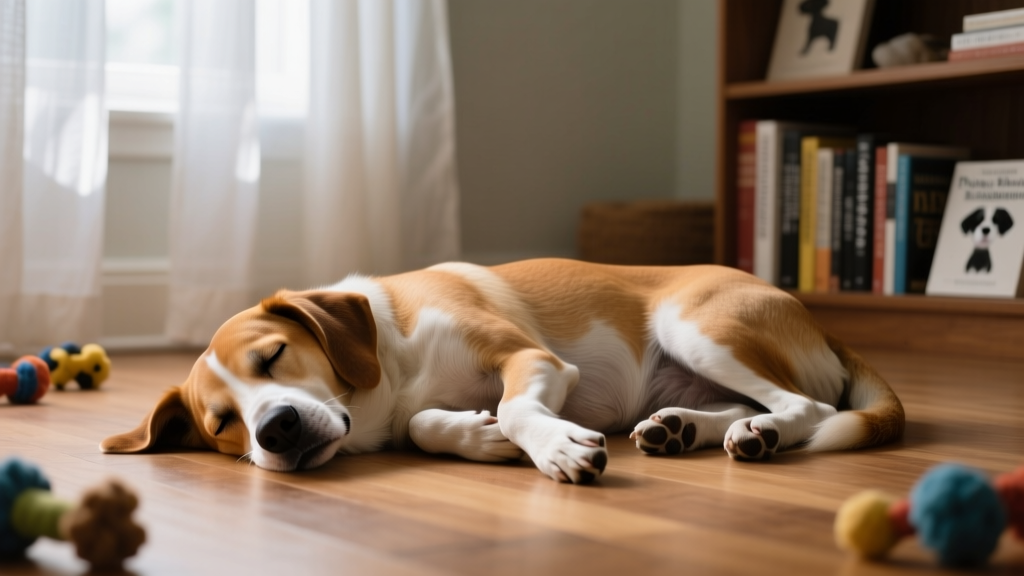
Yes — dogs almost certainly experience bad dreams. Research into canine sleep architecture confirms that dogs cycle through REM (rapid eye movement) sleep, the stage where vivid dreaming occurs in humans and other mammals. During REM sleep, a dog's brain exhibits patterns strikingly similar to those seen in dreaming humans: rapid eye movements beneath closed lids, irregular breathing, twitching limbs, and occasional vocalizations like whimpers, growls, or barks. While we cannot ask a dog to report dream content, the neurological evidence strongly indicates that dogs — like most mammals — replay waking experiences during sleep, and some of those replays involve stressful or frightening events. If your dog whines, paddles their legs, or seems distressed while sleeping, they are likely processing a negative experience through a bad dream.
The Neuroscience of Canine Dreaming: What Happens Inside Your Dog's Sleeping Brain
How Dogs Process Dreams — The Physiological Mechanism
Dreaming is not unique to humans. It is a conserved neurological process found across most mammalian species, and canine sleep science has advanced considerably over the past two decades. Here is how the mechanism works:
Sleep Architecture in Dogs: Dogs cycle through two primary sleep stages, just like humans:
- SWS (Slow-Wave Sleep): The lighter, restorative stage where the body repairs tissue and consolidates basic memories. Dogs spend roughly 80% of their sleep time in SWS.
- REM (Rapid Eye Movement) Sleep: The deeper stage associated with vivid dreaming, emotional processing, and complex memory consolidation. Dogs spend approximately 12-14% of total sleep time in REM — slightly less than the human average of 20-25%.
The Pons and Muscle Atonia: A structure in the brainstem called the pons plays a critical role during REM sleep. It sends signals to inhibit motor neurons, essentially paralyzing large muscle groups so the sleeper does not physically act out their dreams. This mechanism, called REM atonia, is present in dogs and humans alike. When you see your dog's paws twitch or their legs paddle while sleeping, you are witnessing small "breakthrough" movements — signals that leak past the pons inhibition during particularly vivid dream sequences.
The Hippocampus Replay: Research from MIT's Picower Institute for Learning and Memory demonstrated that rats (whose brain structures closely parallel those of dogs in the limbic system) replay spatial experiences during REM sleep. Neuronal firing patterns recorded while rats ran mazes were replayed in the same sequence during sleep. Given that dogs share the same hippocampal structures and demonstrate even more complex spatial and social memories, it is scientifically sound to conclude that dogs replay waking experiences — including negative ones — during REM sleep.
According to the Merck Veterinary Manual, sleep disorders in animals, including REM behavior disorder (where muscle atonia fails), confirm that the dreaming mechanism is a fundamental mammalian neurological process.
A typical adult dog sleeps 12-14 hours per day, with puppies and senior dogs sleeping up to 18-20 hours. Given that REM cycles occur roughly every 60-90 minutes during sleep, an average adult dog may enter REM sleep 8-12 times per day — each cycle lasting 10-30 minutes. That is a significant amount of dream processing.
Why Do Dogs Have Bad Dreams? The Evolutionary Purpose
The Ancestral Function of Nightmares
Bad dreams are not a flaw in the system — they serve an adaptive purpose that dates back to dogs' wolf ancestors. The threat simulation theory, proposed by cognitive neuroscientist Antti Revonsuo, suggests that dreaming evolved as a safe neurological environment for rehearsing responses to threats. For ancestral wolves, surviving encounters with rival packs, prey animals, or environmental hazards required rapid, well-practiced fight-or-flight responses.
During REM sleep, the amygdala (the brain's threat-detection center) is highly active, while the prefrontal cortex (responsible for rational evaluation) is relatively suppressed. This means the dreaming brain processes emotional and threatening content with heightened intensity — essentially running "what if" simulations. For wolves, replaying a chase by a rival pack during sleep may have strengthened neural pathways for future escape responses.
Domestic dogs retain this ancestral mechanism. Even though your Labrador is unlikely to face a territorial dispute with a wolf pack, their brain still processes perceived threats — a confrontation with another dog at the park, a frightening thunderstorm, an uncomfortable vet visit — through the same dream-replay system. Bad dreams are, from an evolutionary standpoint, your dog's brain doing homework on survival.
Recognizing Bad Dreams vs. Normal Dreaming: What Does It Mean When My Dog Acts Distressed While Sleeping?
Not all sleep movements indicate a nightmare. Dogs dream about neutral and positive experiences too — chasing a ball, sniffing a trail, greeting a favorite person. Distinguishing bad dreams from routine REM activity helps you decide whether to intervene.
| Behavior | Normal Dreaming | Possible Bad Dream |
|---|---|---|
| Eye movement | Gentle, rhythmic flickering beneath lids | Rapid, erratic darting; eyes may partially open |
| Vocalization | Soft whimpers, quiet "talking," occasional low bark | Prolonged whining, yelping, distressed growling |
| Body movement | Gentle paw paddling, tail wagging, relaxed twitching | Rigid body, frantic paddling, full-body jerking |
| Breathing | Slightly irregular but calm | Rapid, shallow, or panting |
| Duration | Brief episodes (30-90 seconds), then settling | Sustained distress (2-5+ minutes), difficulty settling |
| Waking response | Wakes oriented, relaxed, may stretch | Wakes disoriented, anxious, panting, may seek comfort |
Breed Variations: Are Some Dogs More Prone to Bad Dreams?
While no breed is immune to nightmares, certain factors correlated with breed traits may influence dream frequency and intensity:
- High-drive working breeds (Belgian Malinois, Border Collies, German Shepherds): These dogs process enormous amounts of environmental and task-related information daily. More complex waking experiences mean more material for dream replay. Owners of working-line dogs frequently report intense sleep movements and vocalizations.
- Anxiety-prone breeds and individuals: Dogs with generalized anxiety, separation anxiety, or noise phobias (common in some lines of Australian Shepherds, Greyhounds, and rescue dogs with trauma histories) may experience more distressing dream content, as their waking hours contain more stressful stimuli to process.
- Brachycephalic breeds (French Bulldogs, Pugs, English Bulldogs): These breeds are predisposed to sleep-disordered breathing, including obstructive sleep apnea caused by brachycephalic obstructive airway syndrome (BOAS). Interrupted breathing during REM sleep can trigger arousal responses that may be experienced as frightening, potentially increasing nightmare frequency. If your brachycephalic dog snores heavily and appears to gasp or choke during sleep, this warrants a veterinary evaluation — it is a medical issue, not just "cute snoring."
- Senior dogs (all breeds): Aging dogs may experience changes in sleep architecture, including increased sleep fragmentation and altered REM patterns. Canine cognitive dysfunction (CCD), the canine equivalent of dementia, is associated with disrupted sleep-wake cycles and may increase confusion-related distress during sleep.
Common Misconceptions About Dogs and Bad Dreams
| Myth | Fact |
|---|---|
| "Dogs are dreaming about chasing rabbits — they're always happy dreams." | Dogs replay the full spectrum of waking experiences, including stressful events like vet visits, conflicts with other dogs, loud noises, or separation from their owner. There is no neurological basis to assume all canine dreams are positive. |
| "You should always wake a dog from a nightmare." | Abruptly waking a dog from deep REM sleep can cause disorientation and a startle response — potentially leading to a defensive bite, even from a normally gentle dog. The "let sleeping dogs lie" proverb has scientific merit. If intervention is needed, gentle auditory cues (softly speaking their name from a distance) are safer than physical contact. |
| "If my dog twitches a lot in sleep, they have a seizure disorder." | Normal REM twitching is brief, rhythmic, and easily interrupted — if you call your dog's name and they wake normally, it was dreaming. Seizures involve sustained, uncontrollable muscle contractions that cannot be interrupted by external stimuli. However, excessive violent movements during sleep may indicate REM behavior disorder and warrant veterinary assessment. |
| "Small dogs dream more than large dogs." | There is no evidence that body size directly correlates with dream frequency. However, small dogs tend to have shorter REM cycle intervals (approximately every 45-60 minutes) compared to large dogs (every 90+ minutes), so you may observe dream activity more frequently in smaller breeds simply because the cycles occur more often. |
| "Dogs don't dream — they just have muscle spasms during sleep." | Decades of neurophysiological research confirm that the twitching, eye movements, and vocalizations during canine REM sleep correspond to active brain processing, not random neuromuscular firing. The patterns are consistent with dream enactment across mammalian species. |
How Is Canine Dreaming Different From Human Dreaming?
While the underlying neurological machinery is remarkably similar, there are meaningful differences between how dogs and humans dream:
- Language and narrative: Human dreams often involve complex narratives, dialogue, and abstract scenarios. Dogs, lacking symbolic language, likely experience dreams as sensory replays — sequences of sights, sounds, smells, and physical sensations rather than storylines. Your dog is probably not dreaming about "what they will do tomorrow" but rather replaying "what happened today."
- REM proportion: Humans spend approximately 20-25% of sleep in REM. Dogs average 12-14%. This may reflect the human brain's greater need for emotional and cognitive processing during sleep, though it does not mean dogs dream "less meaningfully."
- Sleep cycle length: Humans have roughly 90-120 minute sleep cycles. Dogs have shorter cycles (45-90 minutes depending on size), meaning they enter REM more frequently but for shorter individual episodes. A dog may have 8-12 brief dream episodes per day compared to a human's 4-6 longer episodes per night.
- Emotional valence: Research published in journals referenced by the ASPCA suggests that the canine amygdala responds strongly to social stimuli — particularly the presence or absence of their bonded humans. It is plausible that many canine bad dreams involve separation scenarios, reflecting the centrality of the human-dog bond in their emotional lives.
When Bad Dreams Signal a Problem: Medical and Behavioral Red Flags
Occasional bad dreams are normal — every dog will have them. However, certain patterns warrant veterinary attention:
⚠ When to Consult Your Veterinarian About Sleep Disturbances
- Frequency escalation: Bad dreams occurring nightly or multiple times per night, especially if this is a new pattern
- Violent movements: Full-body thrashing, running into walls or furniture while asleep, or movements so forceful they cause injury
- Unarousable episodes: Your dog cannot be woken from the episode, even by loud noises — this may indicate a seizure rather than dreaming
- Daytime behavioral changes: Increased anxiety, irritability, lethargy, or cognitive changes accompanying sleep disturbances
- Breathing disruptions: Gasping, choking, or pauses in breathing during sleep (sleep apnea indicators)
- New onset in senior dogs: Sleep disturbances appearing for the first time in dogs over 8-10 years may signal canine cognitive dysfunction, pain-related discomfort, or neurological changes
Always consult your veterinarian if your dog's sleep behavior changes suddenly or causes you concern. A veterinary examination can rule out underlying conditions including pain, neurological disorders, and medication side effects.
Your veterinarian may recommend diagnostic steps including bloodwork (to check thyroid function and metabolic markers), a neurological examination, or referral to a veterinary neurologist for advanced imaging or a sleep study (polysomnography). Costs for a veterinary neurology consultation typically range from $200-$500, with advanced imaging (MRI) ranging from $1,500-$3,500 depending on your region.
Practical Takeaways: Helping Your Dog Sleep Better
What You Can Do Tonight
- Optimize the sleep environment: Provide a dedicated sleep space that is quiet, dark, and temperature-controlled (65-75°F / 18-24°C is ideal for most breeds). A crate with a comfortable bed, placed in a low-traffic area, gives anxious dogs a secure den. For dogs that prefer proximity, a bed in your bedroom (not necessarily on your bed) allows them to hear and smell you, reducing separation-related anxiety that may contribute to bad dreams.
- Maintain consistent daily routines: Dogs with predictable feeding, walking, and play schedules have lower baseline cortisol levels. Lower daytime stress translates to less distressing material for dream processing. Aim for consistent wake times, meal times, and pre-bedtime wind-down periods.
- Provide adequate physical and mental exercise: A dog that has been sufficiently exercised (30-60 minutes of breed-appropriate activity daily) and mentally stimulated (training sessions, puzzle feeders, scent work) enters sleep in a more relaxed state. Under-stimulated dogs may have restless sleep and more intense dream activity as the brain attempts to process pent-up neural energy.
- If your dog is having a bad dream — speak softly, don't touch: Stand at a safe distance and speak their name in a calm, low tone. Phrases like "It's okay, [name], you're home" in a soothing voice can gently guide them toward waking without triggering a startle reflex. Never shake, grab, or physically restrain a dreaming dog.
- After a stressful day, add a wind-down ritual: If your dog had a vet visit, a thunderstorm, or a conflict with another dog, spend 10-15 minutes in calm bonding before their next sleep period. Gentle massage (long strokes along the spine and shoulders), quiet companionship, and a familiar chew toy can help process the stress while awake rather than leaving it for REM sleep to handle.
- Consider calming aids for anxiety-prone dogs: Products containing L-theanine (such as Virbac Anxitane, approximately $25-$35 for a 30-count supply), Adaptil pheromone diffusers ($25-$40 for a starter kit), or veterinarian-recommended supplements containing chamomile and valerian root may help reduce baseline anxiety. Always check with your vet before introducing any supplement, especially if your dog takes other medications.
Related Behaviors and Cross-References
Understanding canine dreaming connects to several other aspects of dog behavior and physiology:
- Sleep-twitching in puppies: Puppies spend a significantly higher proportion of sleep in REM (up to 50% in neonates) compared to adults. The intense twitching you observe in sleeping puppies is partly dream-related and partly neurological development — the brain is building motor pathways. This is entirely normal and should not be interrupted.
- REM behavior disorder: A rare condition where the pons fails to inhibit motor neurons during REM sleep, causing dogs to physically act out dreams — running, biting at the air, crashing into objects. This is distinct from normal twitching and requires veterinary diagnosis. It is managed with medications such as clonazepam (your vet will determine appropriate dosing).
- Narcolepsy: Certain breeds (Doberman Pinschers, Labrador Retrievers) have a genetic predisposition to narcolepsy, which involves sudden transitions into REM sleep during waking hours. Affected dogs may collapse during exciting activities and immediately enter dream-like states. This condition is linked to an orexin receptor deficiency and is studied extensively in canine genetics research referenced by the American Kennel Club.
- Canine PTSD and trauma-related nightmares: Dogs rescued from abusive situations, puppy mills, or natural disasters may exhibit sleep disturbances consistent with trauma processing. These dogs often benefit from behavioral rehabilitation with a certified veterinary behaviorist or a fear-free certified trainer using counter-conditioning and desensitization protocols.
Frequently Asked Questions About Dogs and Bad Dreams
Is it normal for my dog to have bad dreams every night?
Occasional bad dreams (1-3 times per week) are within the normal range, especially after stressful days. However, nightly bad dreams are not typical and may indicate elevated baseline anxiety, an underlying medical condition, or an environmental factor disrupting sleep quality. Consult your veterinarian if bad dreams occur nightly for more than 1-2 weeks.
Can dogs have PTSD-related nightmares?
Yes. Dogs can develop canine post-traumatic stress responses following abuse, natural disasters, military/combat exposure, or severe accidents. These dogs may exhibit heightened REM activity, sleep-startling, and avoidance behaviors. Treatment typically involves a combination of behavioral modification (desensitization protocols), environmental management, and in some cases, veterinary-prescribed anti-anxiety medications such as fluoxetine or trazodone.
Should I wake my dog if they seem to be having a nightmare?
Generally, no. Waking a dog abruptly from REM sleep risks a startle-bite reflex, even in well-socialized dogs. Instead, speak softly from a few feet away. Most bad dream episodes resolve within 1-3 minutes as the dog transitions to a lighter sleep stage. If the episode persists beyond 5 minutes or involves violent thrashing, gentle auditory intervention is appropriate — but avoid physical contact.
Do puppies have more bad dreams than adult dogs?
Puppies spend more total time in REM sleep, so you will observe more dream activity overall. However, whether those dreams are "bad" is difficult to determine. Much of puppy REM activity is related to neurological development and motor skill consolidation rather than emotional processing. The intense full-body twitching common in puppies under 6 months typically decreases as their nervous system matures.
How can I tell the difference between a bad dream and a seizure?
The key distinction is interruptibility. A dreaming dog can be woken by calling their name, clapping softly, or opening a door. A seizing dog cannot be roused by external stimuli. Seizures also tend to involve sustained rigid muscle contractions, possible loss of bladder/bowel control, and a post-ictal phase (confusion, pacing, temporary blindness) lasting minutes to hours after the episode. If you are ever uncertain, record a video of the episode on your phone and show it to your veterinarian — this is one of the most valuable diagnostic tools available.
Can certain foods or medications cause bad dreams in dogs?
Some medications, particularly those affecting neurotransmitter levels (certain anti-anxiety drugs, pain medications, and corticosteroids), can alter sleep architecture and potentially increase vivid or disturbing dreams as a side effect. Feeding a heavy meal immediately before sleep may also disrupt sleep quality due to digestive activity. If you notice an increase in bad dreams after starting a new medication, mention this to your veterinarian at your next appointment — they may adjust the dosage or timing.
Sources consulted: Merck Veterinary Manual — Sleep and Sleep Disorders in Animals; ASPCA — General Dog Care; AKC — Common Dog Health Issues. Research on mammalian REM sleep and hippocampal replay from MIT Picower Institute for Learning and Memory. This article is for educational purposes and does not replace professional veterinary advice. If your dog exhibits concerning sleep behaviors, consult your veterinarian for a proper evaluation.
Aaron Whyte
All our authors care for dogs every day — read more of their work on the authors page.


