Dogs Anal Glands Explained: The Science Behind the Scent
Why do dogs have anal glands? Learn the evolutionary science, physiology, common problems, and practical care tips for your dog's anal sacs.
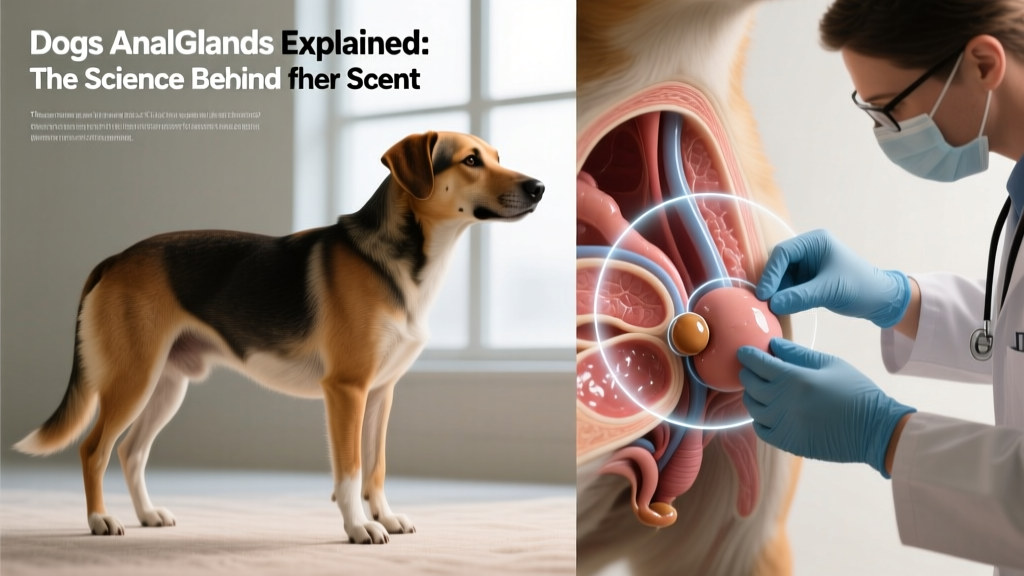
Quick Answer: Dogs have anal glands (more accurately called anal sacs) because they serve as chemical communication organs. These two small pouches, located at roughly the 4 o'clock and 8 o'clock positions inside the rectum, produce a potent, species-specific secretion that dogs use to mark territory, signal identity, and convey social information to other canines. While largely vestigial in modern pet dogs, anal sacs remain a functional part of canine anatomy and can cause significant health issues when they fail to empty properly — a problem affecting an estimated 12-15% of dogs at some point in their lives.
If you've ever watched your dog scoot across the carpet or noticed a sudden, fishy odor that seems to come from nowhere, you've encountered the reality of anal sac biology. This is one of the most commonly misunderstood aspects of canine anatomy, and the science behind it is genuinely fascinating.
The Evolutionary Origin: Why Ancestral Canids Developed Anal Sacs
Evolutionary Context: Anal sacs are not unique to dogs. They are found across the order Carnivora — in wolves, foxes, coyotes, bears, skunks, and even cats. This widespread presence tells us the trait evolved early in carnivore ancestry, likely over 50 million years ago, and was maintained because it conferred a significant survival advantage.
In wild canids like wolves and coyotes, anal sac secretions function as a sophisticated chemical signaling system. When a wolf defecates, the pressure of stool passing through the anal canal naturally compresses the sacs, depositing a small amount of secretion onto the feces. This turns every bowel movement into a scent-marked message — a biological calling card that communicates the individual's identity, sex, reproductive status, and even social rank to any canid that investigates later.
Research published in the Journal of Chemical Ecology has demonstrated that the volatile compounds in anal sac secretions are highly individualized. Each canid produces a unique chemical profile, essentially a scent fingerprint. Studies on wolves have shown that pack members can distinguish between the secretions of familiar individuals and strangers, suggesting anal sacs play a role in social cohesion and territory maintenance — two behaviors critical to canid survival.
Skunks represent the most extreme evolutionary elaboration of this system, having weaponized their anal sac secretions as a potent defense mechanism. Dogs and wolves, by contrast, use theirs primarily for communication rather than defense, though the concentrated secretion is certainly unpleasant enough to serve as a startle response when a frightened dog involuntarily releases their sacs.
The Physiology: How Dogs Anal Glands Actually Work
Anatomy of the Anal Sacs
Each anal sac is a small, thin-walled pouch measuring roughly 0.5 to 1.5 cm in diameter in a medium-sized dog. The sacs are embedded in the muscular wall of the anal canal, positioned between the internal and external anal sphincters. Each sac connects to the outside through a narrow duct that opens just inside the anal opening.
The sac walls are lined with apocrine and sebaceous glands — specialized secretory cells that continuously produce the characteristic brownish, oily, intensely odorous fluid. The secretion contains a complex mixture of:
- Short-chain fatty acids (acetic acid, propionic acid, butyric acid) — responsible for the pungent odor
- Trimethylamine — the compound that creates the characteristic "fishy" smell
- Indole and skatole — bacterial metabolites contributing to the scent profile
- Individual-specific volatile organic compounds (VOCs) — the chemical "fingerprint"
The normal emptying mechanism relies on physical pressure. When a dog produces well-formed stool of adequate diameter, the fecal mass presses against the anal sacs as it passes through the canal. This compression forces a small quantity of secretion out through the ducts and onto the surface of the stool. This is why dogs on diets that produce firm, bulky stools tend to have fewer anal sac problems — the mechanical emptying happens automatically.
The external anal sphincter muscle also plays a role. During moments of intense fear, excitement, or pain, sudden contraction of this sphincter can involuntarily compress the sacs, resulting in a full or partial release. This is why you might notice that distinctive odor when your dog is frightened at the vet's office or during a thunderstorm.
What Does It Mean When My Dog Shows Anal Sac Symptoms?
Understanding the physiological mechanism helps decode the behaviors and symptoms dogs display when their anal sacs are malfunctioning. Here is a symptom guide organized by severity:
| Severity | Symptoms | What's Happening Physiologically |
|---|---|---|
| Mild | Occasional scooting on carpet or grass; brief licking at the anal area | Sacs are becoming full but not yet impacted. Mild discomfort from distension. |
| Moderate | Frequent scooting; persistent licking or biting at tail base; fishy odor on furniture or bedding; reluctance to sit | Sacs are impacted — secretion has thickened and cannot be expressed naturally. Significant pressure and discomfort. |
| Severe | Visible swelling near anus; blood or pus in discharge; open wound near anal area; fever; lethargy; loss of appetite | Anal sac abscess — infection has developed, potentially rupturing through the skin. Requires immediate veterinary treatment. |
Scooting — dragging the hindquarters along the ground — is the single most recognized sign of anal sac discomfort. Dogs do this because the pressure provides temporary relief from the distended sacs. It's important to understand that scooting is never normal behavior. While a single instance might simply indicate a full sac that needs expressing, repeated scooting always warrants investigation.
Breed Variations: Which Dogs Are Most at Risk?
Not all dogs are equally affected by anal sac issues. Small and toy breeds are disproportionately prone to problems, primarily due to anatomical factors. The ducts that drain the anal sacs are narrower in small dogs, making them more susceptible to blockages. Additionally, small breeds often produce smaller, softer stools that don't generate sufficient pressure for natural emptying.
| Risk Level | Breeds Commonly Affected | Contributing Factors |
|---|---|---|
| High Risk | Chihuahuas, Toy Poodles, Yorkshire Terriers, Dachshunds, Cocker Spaniels, Bichon Frises | Narrow ducts, small stool volume, breed predisposition to allergies |
| Moderate Risk | Beagles, Bulldogs, Pugs, Shih Tzus, Cavalier King Charles Spaniels | Brachycephalic anatomy may affect sphincter tone; allergy predisposition |
| Lower Risk | German Shepherds, Labrador Retrievers, Golden Retrievers, large sporting breeds | Larger stool volume provides better natural expression; wider ducts |
Obesity is a significant risk factor across all breeds. Overweight dogs carry excess fat around the anal region, which can interfere with proper sphincter function and sac emptying. A study referenced in the Merck Veterinary Manual notes that obese dogs of any breed show higher rates of anal sacculitis (inflammation of the anal sacs).
Dogs with chronic allergies — whether environmental (atopic dermatitis) or food-related — also face elevated risk. Allergic inflammation affects the skin and mucous membranes throughout the body, including the anal sac ducts. Inflamed, narrowed ducts are far more likely to become blocked.
Common Misconceptions Debunked
| Myth | Fact |
|---|---|
| "All dogs need their anal glands manually expressed on a regular schedule." | Most dogs with proper diet and stool consistency self-express naturally. Routine manual expression is only necessary for dogs with a documented history of impaction. Unnecessary expression can actually irritate the ducts and create dependency. |
| "Scooting is just a funny dog behavior — nothing to worry about." | Scooting always indicates discomfort. While anal sac issues are the most common cause, it can also signal intestinal parasites, perianal fistulas, or even tumors. It should never be dismissed. |
| "Expressing anal glands externally (squeezing from outside) is just as effective." | External expression often fails to fully empty the sacs and can push thickened material deeper into the duct. Internal expression (performed by a vet or trained groomer using a gloved finger inside the rectum) is more thorough and is the veterinary standard of care. |
| "If my dog's anal glands are always a problem, surgical removal is the only option." | Surgery (anal sacculectomy) is a last resort. Dietary changes, fiber supplementation, allergy management, and weight loss resolve chronic issues in many dogs. Surgery carries risks including fecal incontinence and should only be considered after conservative management fails. |
| "Anal gland problems mean my dog is dirty or unhealthy." | Anal sac issues are largely anatomical and dietary, not a reflection of hygiene or overall health. Even meticulously cared-for dogs in excellent health can develop impactions due to duct anatomy or stool consistency. |
Practical Implications: What This Science Means for Daily Care
Actionable Steps for Anal Sac Health
- Ensure adequate dietary fiber. Dogs need fiber to produce firm, bulky stools that naturally express the anal sacs. Most commercial diets contain 2-5% crude fiber. If your dog has recurrent issues, ask your veterinarian about adding a fiber supplement such as psyllium husk (approximately 1 teaspoon per 20 lb of body weight, mixed into food once daily) or canned plain pumpkin (not pie filling — 1-2 tablespoons per meal for a medium dog).
- Maintain a healthy body condition score (BCS). Dogs at an ideal BCS of 4-5 out of 9 have significantly lower rates of anal sac problems. If your dog is overweight, a structured weight loss plan — reducing caloric intake by 10-15% and increasing daily walks by 10-15 minutes — can make a measurable difference within 8-12 weeks.
- Address underlying allergies aggressively. If your dog has chronic skin issues, ear infections, or paw licking, work with your veterinarian on allergy management. This might involve an elimination diet trial (typically 8-12 weeks on a novel protein or hydrolyzed diet), environmental allergy testing, or medications such as oclacitinib (Apoquel) or lokivetmab (Cytopoint).
- Monitor stool quality daily. Use the Purina Fecal Scoring System as a guide: ideal stool is a score of 2-3 (formed, firm, holds shape, easy to pick up). Scores of 4+ (soft, unformed) or 1 (hard, dry pellets) both increase anal sac risk.
- Know the cost of veterinary care. A routine anal sac expression at the vet typically costs $15-$35. Treatment for an anal sac abscess — including lancing, flushing, antibiotics, and pain medication — ranges from $150-$400. Surgical removal (anal sacculectomy) costs $800-$2,000+ depending on complexity and your region. Prevention through diet is dramatically cheaper.
How Is This Different from Humans? A Comparative Look
Humans do not possess anal sacs. We lack any analogous structure for chemical communication through scent marking. This difference reflects a fundamental divergence in sensory biology: dogs navigate the world primarily through olfaction (their olfactory bulb is proportionally 40 times larger than ours relative to brain size), while humans rely predominantly on vision.
Humans do have apocrine sweat glands concentrated in the axillary and groin regions, which produce body odor when their secretions are metabolized by skin bacteria. This is a distant evolutionary echo of the same chemical communication system, but it serves no intentional signaling function in modern humans. Dogs, by contrast, have retained and specialized this system in their anal sacs as a deliberate, targeted communication tool.
The closest human anatomical parallel is the anal crypts — small recesses in the lining of the anal canal. These can occasionally become infected (cryptitis) or form abscesses, which is why proctologists sometimes encounter conditions superficially resembling canine anal sacculitis. However, human anal crypts do not produce or store secretions the way canine anal sacs do.
When Anal Sac Behavior Signals a Serious Problem
When to Call Your Veterinarian Immediately
- Visible swelling or a lump near the anus (especially at the 4 or 8 o'clock positions)
- Blood or pus in the anal sac discharge or on your dog's bedding
- An open wound or draining tract near the anus (sign of a ruptured abscess)
- Fever, lethargy, or loss of appetite accompanying any anal region symptoms
- Your dog is unable to defecate or strains painfully during bowel movements
- Repeated scooting more than 2-3 times in a 24-hour period
These symptoms may indicate infection, abscess formation, or — rarely — anal sac adenocarcinoma, a malignant tumor that occurs most commonly in older dogs (especially Spaniels and Dachshunds). Early veterinary evaluation is essential for all of these conditions.
For non-emergency concerns — such as your dog's first episode of scooting or a mild fishy odor — schedule a routine veterinary appointment within a few days. Your vet will perform a digital rectal examination, assess the sacs for impaction or infection, and express them if needed. If your dog has recurrent problems (more than 3-4 episodes per year), your veterinarian may recommend a diagnostic workup to identify underlying causes such as hypothyroidism, chronic allergies, or anatomical abnormalities of the ducts.
Related Behaviors and Cross-References
Anal sac biology connects to several other canine behaviors and health topics worth understanding:
- Scent rolling: Dogs sometimes roll in strong-smelling substances (dead animals, feces, garbage). While this behavior has multiple hypothesized functions — including scent camouflage and social signaling — the anal sac system is part of the same olfactory communication network that makes scent so central to canine experience.
- Tail position and signaling: A dog's tail position affects anal sac exposure. A high, confident tail exposes the anal region and its scent more prominently, while a tucked tail physically compresses the sacs and may release secretion during moments of fear. This is why tail carriage is meaningful in canine body language — it's partly about scent broadcasting.
- Coprophagia (eating feces): Some dogs are attracted to the feces of other animals, partly because of the anal sac secretions coating the stool. This behavior, while revolting to owners, is driven by the same olfactory information-seeking that makes anal sacs evolutionarily useful.
- Perianal fistulas: A separate condition from anal sac disease, perianal fistulas are painful, draining tracts around the anus that occur most commonly in German Shepherds. They involve the skin and subcutaneous tissues rather than the anal sacs themselves, but owners sometimes confuse the two conditions.
Frequently Asked Questions
Is it normal for my dog's anal glands to express on their own?
Yes, occasional spontaneous expression — especially during moments of fear or excitement — is normal. Some dogs release a small amount of anal sac fluid when startled or stressed. However, if this happens frequently during normal daily activities, it may indicate that the sacs are chronically overfull or that the sphincter tone is weak, and a veterinary evaluation is warranted.
Can dogs sense each other's anal gland secretions?
Absolutely. When dogs greet each other by sniffing the rear end, they are specifically sampling anal sac secretions. The vomeronasal organ (also called Jacobson's organ), located in the roof of the mouth, is specially adapted to analyze these chemical signals. This is how dogs gather information about each other's identity, sex, reproductive status, and emotional state — all within a few seconds of a greeting sniff.
Should I have my groomer express my dog's anal glands every visit?
This is a common practice, but it's not universally recommended by veterinarians. If your dog has no history of anal sac problems and produces firm stools, routine expression at grooming visits may be unnecessary and could potentially irritate the ducts over time. Discuss this with your veterinarian — if your dog has never had an issue, ask whether the groomer should skip this step and simply monitor for symptoms instead.
Can diet changes eliminate anal gland problems entirely?
For many dogs, yes. Increasing dietary fiber, switching to a diet that produces firmer stools, and addressing food allergies can dramatically reduce or eliminate recurrent anal sac issues. However, some dogs have anatomical predispositions — such as abnormally narrow ducts or sac placement that doesn't align well with the fecal stream — that make dietary management alone insufficient. These dogs may need periodic veterinary expression or, in refractory cases, surgical removal.
How is anal sac disease diagnosed?
Diagnosis is straightforward: your veterinarian performs a digital rectal examination to palpate the anal sacs, assessing their size, contents, and whether the ducts are patent (open). For suspected abscesses or tumors, additional diagnostics may include fine-needle aspiration, bacterial culture, or imaging (ultrasound). Costs for a standard exam and expression are typically $40-$75, while advanced diagnostics for complicated cases can range from $150-$500.
Disclaimer: This article is for educational purposes and does not replace professional veterinary advice. If your dog is showing signs of anal sac discomfort, consult your veterinarian for an accurate diagnosis and treatment plan. Sources referenced include the Merck Veterinary Manual and the American Veterinary Medical Association (AVMA).
Robin Maitland
All our authors care for dogs every day — read more of their work on the authors page.


