The Science Behind Dog Wipes: Why pH, Skin Barrier, and...
Explore the canine science behind dog wipes — how skin pH, the acid mantle, and ingredient chemistry affect your dog's health, plus practical selection guidance.
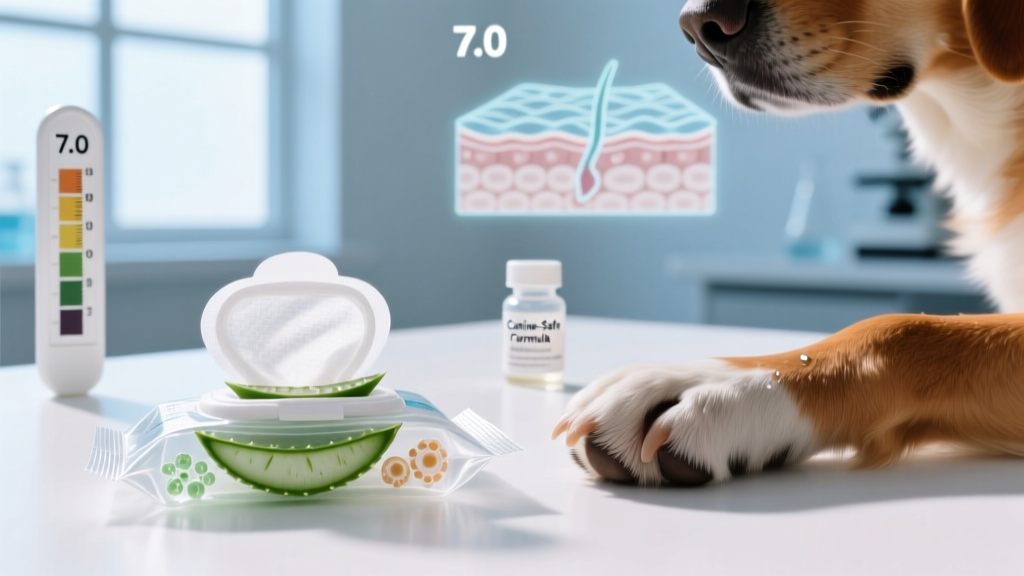
Quick Answer: Are Dog Wipes Scientifically Safe for Daily Use?
Yes — when formulated correctly. Dog wipes that match the canine skin pH range (5.5–7.2, averaging 6.2–7.0) and avoid harsh surfactants like sodium lauryl sulfate are safe for routine spot-cleaning. However, wipes designed for human use (pH 3.5–5.5) can disrupt your dog's acid mantle, leading to irritation, secondary bacterial overgrowth, and increased susceptibility to Malassezia yeast infections. The science is clear: species-specific formulation matters.
Every time you reach for a wipe to clean muddy paws or a messy face, a cascade of physiological interactions occurs between the product's chemistry and your dog's integumentary system. Understanding this science helps you make choices that protect rather than compromise your dog's largest organ — the skin.
The Canine Acid Mantle: Why pH Is Everything
The acid mantle is a thin, slightly acidic film on the skin's surface formed by sebum (oil gland secretions), sweat, and the natural microbiome. In humans, this mantle sits at pH 4.5–5.5 — decidedly acidic. In dogs, research published in the Journal of Veterinary Medical Science demonstrates that canine skin pH ranges from approximately 5.5 to 7.2, with most dogs clustering around 6.2–7.0, making it far closer to neutral than human skin.
This difference has profound implications. When you apply a product formulated at human pH (around 4.0–5.0) to canine skin, you create a chemical gradient that can:
- Strip the lipid barrier within the stratum corneum (outermost skin layer)
- Alter the resident microbiome composition, reducing beneficial Staphylococcus pseudintermedius populations
- Create micro-fissures that allow opportunistic pathogens like Pseudomonas aeruginosa to penetrate
According to Merck Veterinary Manual, the canine epidermis is also thinner than human epidermis — approximately 3–5 cell layers thick compared to 10–15 in humans — making it more permeable and vulnerable to chemical disruption.
| Parameter | Canine | Human | Why It Matters for Wipes |
|---|---|---|---|
| Surface pH | 5.5–7.2 (avg 6.2–7.0) | 4.5–5.5 | Human wipes are too acidic for dogs |
| Epidermal thickness | 0.07–0.15 mm | 0.1–0.15 mm (varies by region) | Dog skin absorbs chemicals more readily |
| Hair follicle density | 100–600 per cm² | 40–80 per cm² | More pathways for ingredient penetration |
| Sweat glands (eccrine) | Paw pads only | Widespread | Dogs rely more on sebaceous glands for skin protection |
| Epidermal turnover | ~20 days | ~28 days | Dog skin repairs faster but is also disrupted faster |
Evolutionary Context: How Ancestral Canids Protected Their Skin
Why did dogs evolve a more neutral skin pH? The answer lies in their coat and lifestyle. Wild canids — wolves, coyotes, and early proto-dogs — evolved dense double coats that served as a physical barrier against environmental contaminants, UV radiation, and moisture loss. Their skin didn't need the same aggressive acidic defense humans rely on because the coat itself performed much of that protective work.
Additionally, ancestral canids engaged in regular dust-bathing, rolling in soil and organic matter that introduced environmental microbes to the coat surface. This created a diverse, resilient skin microbiome that functioned as a biological shield. The slightly more neutral pH of canine skin supports this microbial diversity, whereas a highly acidic environment would suppress many of these beneficial organisms.
Modern domestic dogs retain this evolutionary architecture, even though many breeds have been selected for dramatically different coat types. A hairless Chinese Crested and a thick-coated Samoyed both share the same fundamental skin pH and barrier physiology — a reminder that selective breeding has changed the coat but not the underlying skin science.
What's Actually in Dog Wipes? An Ingredient Science Breakdown
Not all dog wipes are created equal. Understanding the functional chemistry of common ingredients helps you evaluate products beyond marketing claims.
Surfactants (Cleaning Agents)
Surfactants lower the surface tension of water, allowing it to lift dirt and oils from the skin and coat. The type of surfactant determines how aggressive this cleaning action is:
- Mild (preferred): Cocamidopropyl betaine, decyl glucoside, coco-glucoside — these are amphoteric or non-ionic surfactants that clean without significantly disrupting lipid barriers
- Moderate: Sodium coco-sulfate — derived from coconut but still an anionic surfactant that can be drying with repeated use
- Harsh (avoid): Sodium lauryl sulfate (SLS), sodium laureth sulfate (SLES) — these strip sebum aggressively and are documented skin irritants in both human and veterinary dermatology literature
Humectants and Emollients
Quality wipes include ingredients that replace moisture lost during cleaning:
- Aloe vera (Aloe barbadensis): Contains polysaccharides that soothe and hydrate; however, the concentration matters. Products listing aloe as the first or second ingredient typically contain meaningful amounts (≥5%). Ensure the product uses decolorized, purified aloe — whole-leaf aloe contains anthraquinones (aloin) that are toxic to dogs if ingested in quantity.
- Vitamin E (tocopheryl acetate): A lipid-soluble antioxidant that supports barrier repair
- Glycerin: A simple humectant that draws moisture into the stratum corneum
- Oat extract (Avena sativa): Contains avenanthramides with documented anti-inflammatory properties; particularly beneficial for dogs with atopic dermatitis
Preservatives
Any water-based wipe requires preservatives to prevent bacterial and fungal contamination. The preservative system is where many budget wipes cut corners:
- Preferred: Phenoxyethanol (at concentrations ≤1%), potassium sorbate, sodium benzoate
- Controversial: Parabens (methylparaben, propylparaben) — while effective, some veterinary dermatologists recommend avoiding them due to potential endocrine disruption concerns, though evidence in canines remains limited
- Avoid: Formaldehyde-releasing preservatives (DMDM hydantoin, imidazolidinyl urea, quaternium-15) — these are known contact sensitizers
Fragrance and Alcohol
The two most problematic ingredient categories in wipes are fragrance and alcohol. Synthetic fragrances are among the top contact allergens in veterinary dermatology. Alcohol (ethanol, isopropyl alcohol) is profoundly drying — it dissolves the intercellular lipids that hold the skin barrier together. If a wipe lists alcohol or "fragrance/parfum" among the first five ingredients, choose a different product.
Practical Implications: How to Select and Use Dog Wipes Effectively
Selection Framework
When evaluating dog wipes, apply this checklist:
- pH-stated on packaging: Look for products that explicitly state pH-balanced for dogs (6.0–7.0). If the pH isn't listed, contact the manufacturer before purchasing. In a 2024 independent analysis by a veterinary dermatology group, 38% of "pet wipes" tested had pH levels below 5.5 — effectively human-grade acidity.
- Ingredient count: Fewer is generally better. Wipes with 8–15 ingredients are typical for quality products; those exceeding 20 ingredients increase the probability of contact sensitization.
- Substrate material: Plant-based viscose or bamboo fiber wipes are biodegradable and typically softer than polyester-based alternatives. Thickness matters — wipes under 2 mm tear easily during use on rough paw pads.
- Purpose-specific: Paw wipes, ear wipes, and eye wipes serve different functions and may have different pH targets. Eye-area wipes should be isotonic (matching tear osmolarity, approximately 300 mOsm/L) and free of any surfactants.
Usage Guidelines
- Frequency: Daily spot-cleaning (paws after walks, face after meals) is safe with properly formulated wipes. Full-body wipe-downs should be limited to 1–2 times per week to avoid cumulative lipid stripping.
- Technique: Wipe in the direction of hair growth. For paw cleaning, spread the toes and wipe between each digit — interdigital spaces are where moisture accumulates and yeast infections begin.
- Post-wipe: Allow the area to air-dry for 30–60 seconds before your dog can lick it. Even "safe if licked" products are not intended for ingestion.
- Storage: Keep wipes sealed at room temperature (65–75°F / 18–24°C). Heat exposure accelerates preservative breakdown; cold exposure can cause ingredient separation.
Cost Expectations (2026 Pricing)
| Category | Price Range (per 100-count pack) | Examples | Typical Cost per Wipe |
|---|---|---|---|
| Budget | $5–$9 | Store-brand basic wipes | $0.05–$0.09 |
| Mid-range | $9–$16 | Earthbath, Pogi's, Burt's Bees for Dogs | $0.09–$0.16 |
| Premium | $14–$24 | Wunderbath, Petkin Tear Stain, Nature's Miracle | $0.14–$0.24 |
| Veterinary/clinical | $18–$35 | Douxo S3, Chlorhexidine-based medicated wipes | $0.18–$0.35 |
Myth vs. Fact: Common Misconceptions About Dog Wipes
| Myth | Scientific Fact |
|---|---|
| "Baby wipes are fine for dogs — they're gentle enough for human infants." | Baby wipes are pH-formulated for human skin (4.5–5.5). While gentler than household cleaning wipes, they still create an acidic environment on canine skin that can disrupt the acid mantle with repeated use. Occasional emergency use is unlikely to cause harm, but routine use is not recommended. |
| "If a wipe says 'natural,' it's automatically safe." | "Natural" is an unregulated marketing term in pet products. Essential oils like tea tree (melaleuca), citrus (d-limonene), and eucalyptus are natural but can be toxic or irritating to dogs. Tea tree oil is specifically listed by the ASPCA as toxic to dogs and cats. |
| "Dogs don't need wipes — they clean themselves." | While dogs do groom, their saliva contains bacteria (including Pasteurella and Capnocytophaga species) and lacks the enzymatic cleaning properties of feline saliva. Excessive licking often worsens skin conditions rather than resolving them, creating a moist environment that promotes bacterial and yeast proliferation. |
| "Antibacterial wipes are always better." | Routine use of antibacterial wipes (chlorhexidine, benzalkonium chloride) without veterinary direction can disrupt the normal skin microbiome, potentially selecting for resistant bacterial strains. Reserve medicated wipes for conditions your veterinarian has specifically diagnosed and recommended treating. |
| "You can't over-wipe a dog." | Excessive wiping — particularly with products containing any surfactant — progressively strips intercellular lipids from the stratum corneum. Studies on transepidermal water loss (TEWL) in dogs show measurable barrier disruption after repeated cleansing. Limit full-body wipes to 1–2 times per week. |
Breed Variations: Which Dogs Need Wipes Most (and Least)
While the fundamental skin science applies to all dogs, certain breeds and coat types benefit more from routine wipe use — and some require specialized approaches:
High-Benefit Breeds
- Brachycephalic breeds (Bulldogs, Pugs, Shar-Peis, Mastiffs): Deep facial folds and skin wrinkles create warm, moist environments ideal for bacterial and yeast overgrowth. Daily wrinkle wiping with a pH-balanced, unscented wipe is preventive medicine — Malassezia dermatitis in facial folds is among the most common presentations in brachycephalic breeds.
- Large/giant breeds with lip folds (Saint Bernards, Bloodhounds, Cocker Spaniels): Saliva and food debris accumulate in lip folds (cheilitis), causing odor and infection. Post-meal face wiping is essential.
- Short-coated breeds in muddy/wet climates (Boxers, Pointers, Vizslas): Paw and belly wiping after outdoor exposure removes environmental allergens and contaminants before they're licked off and ingested.
Moderate-Benefit Breeds
- Double-coated breeds (Huskies, German Shepherds, Golden Retrievers): Their dense coats provide excellent natural protection. Wipes are useful for paw cleaning and spot-cleaning but shouldn't replace proper brushing and occasional bathing.
Special Considerations
- Hairless breeds (Chinese Crested, Xoloitzcuintli, American Hairless Terrier): With no coat barrier, their skin is directly exposed. These breeds need gentle, frequent cleaning — but also need barrier-supporting moisturizers applied after wiping. Use wipes with added ceramides or hyaluronic acid.
- Breeds prone to atopic dermatitis (West Highland White Terriers, French Bulldogs, Labrador Retrievers): Allergen removal via paw and coat wiping after outdoor exposure can reduce the allergen load that triggers flare-ups. A 2019 study in Veterinary Dermatology found that wiping paws after walks reduced indoor allergen transfer by approximately 60%.
When Wiping Signals a Problem: Red Flags to Watch For
Consult your veterinarian if you notice any of the following during or after wipe use:
- Persistent odor that returns within hours of cleaning: This often indicates an active yeast (Malassezia) or bacterial infection that requires medicated treatment, not just surface cleaning.
- Redness, swelling, or heat in skin folds: Signs of intertrigo (fold dermatitis) that may require topical or systemic antibiotics/antifungals.
- Your dog resists wiping of a specific area: Pain-avoidance behavior can signal an underlying wound, abscess, or joint pain that makes touch uncomfortable.
- Discharge (yellow, green, or brown) from folds, ears, or eyes: Normal skin debris is gray-white and dry. Colored, moist discharge indicates infection.
- Excessive licking after wipe use: While some dogs lick briefly out of curiosity, persistent licking suggests the product is causing irritation or an allergic reaction.
- Hair loss or thinning in frequently wiped areas: This may indicate contact dermatitis from a product ingredient or an underlying endocrine condition (hypothyroidism, Cushing's disease).
If your dog has ingested a wipe or a significant amount of wipe solution, contact ASPCA Animal Poison Control at (888) 426-4435 (24/7, consultation fee applies) or the Pet Poison Helpline at (855) 764-7661.
How Is Canine Skin Care Different from Human Skin Care?
The most common question owners ask is: "Why can't I just use what I use?" The answer comes down to three physiological differences:
- pH incompatibility: As detailed above, the 1.5–2.0 point pH gap between human and canine skin means human products are chemically mismatched to dogs.
- Transdermal absorption: Thinner canine epidermis + higher follicle density = greater absorption of any topical product. Ingredients that are safe sitting on human skin may reach deeper tissue layers in dogs.
- Ingestion risk: Dogs lick themselves. Every product applied to canine skin will eventually be partially ingested. Human skincare products are not tested or formulated for oral safety in the way pet products should be.
According to the American Kennel Club, the safest approach is to use products specifically formulated and tested for canine use — and to consult your veterinarian if your dog has any pre-existing skin conditions before introducing new topical products.
Frequently Asked Questions
Why do dogs need wipes at all if they have self-cleaning coats?
While the coat provides substantial protection, modern environments introduce contaminants (road salt, lawn chemicals, urban pollutants, allergens) that ancestral canids never encountered. Additionally, many breeds have been selected for coat types (long, corded, hairless) that are less self-maintaining than the wolf's double coat. Wipes serve as a targeted, low-impact cleaning method between full baths.
Can dogs absorb chemicals through their skin from wipes?
Yes. Canine skin is more permeable than human skin due to its thinner epidermis and higher hair follicle density. This is why veterinary transdermal medications (like methimazole gel for hyperthyroid cats, or certain pain medications) can be effective — the same permeability that allows therapeutic absorption also allows potentially harmful chemicals through. This is why ingredient selection in wipes matters significantly.
How do dogs process skin sensations differently from humans?
Dogs have a similar density of touch receptors in their skin but process sensory input differently. Their nervous system prioritizes different stimulus types — dogs are highly sensitive to light touch (relevant for detecting parasites) but may have higher thresholds for certain types of pressure. This means a wipe that feels gentle to your hand may feel more intense on your dog's skin, particularly in sensitive areas like the face, belly, and between the toes.
What does it mean when my dog pulls away from wipes?
Avoidance behavior during wiping can indicate: (1) the wipe is too cold (room-temperature storage is ideal), (2) the product contains an ingredient causing stinging or irritation, (3) the area being wiped is painful due to an underlying condition, or (4) the dog hasn't been desensitized to the sensation through positive reinforcement training. Never force wiping on a resistant dog — instead, pair the wipe with high-value treats and start with brief, gentle contact on less sensitive areas like the back.
Is daily wipe use normal and safe?
Daily spot-cleaning of paws, face, and skin folds is safe and recommended with properly pH-formulated wipes. Daily full-body wiping is not recommended as it can progressively degrade the lipid barrier. Think of wipes as a targeted tool — like washing your hands and face daily — rather than a full-body cleansing replacement for bathing.
Can I use dog wipes on my dog's ears?
Only use wipes specifically labeled for ear cleaning. The ear canal has different pH requirements and is far more sensitive than external skin. General body wipes may contain surfactants or fragrances that can irritate the ear canal lining. For routine ear care, use a veterinary-recommended ear cleaner applied with cotton rounds — never insert wipes or any material into the ear canal itself.
Priya Sutaria
All our authors care for dogs every day — read more of their work on the authors page.


