Understanding Your Dog's Vulva: Anatomy, Health & Care Guide
A veterinary-backed guide to canine female reproductive anatomy, common health issues, heat cycles, and when to consult your vet about vulvar concerns.
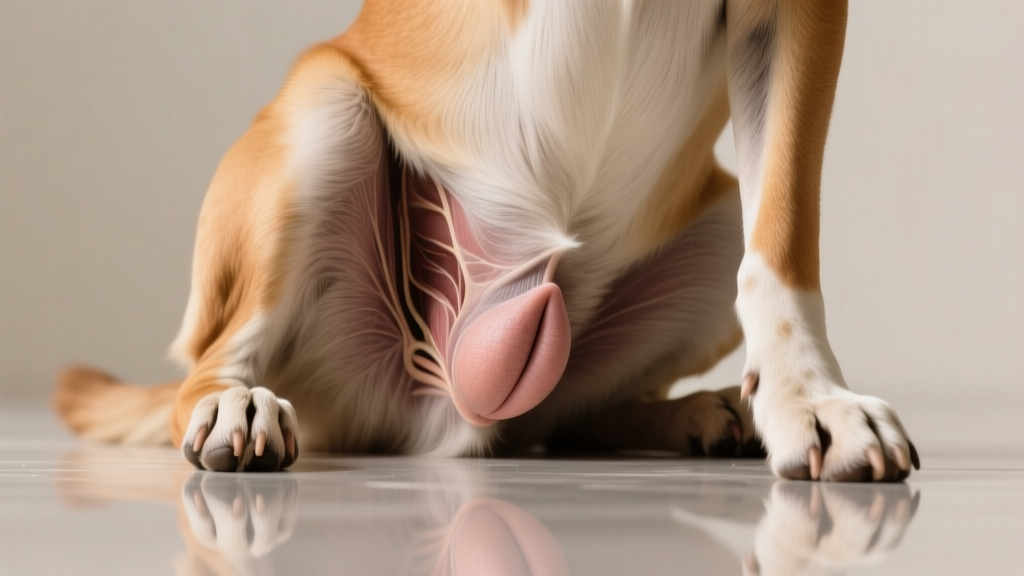
Quick Answer: What Is a Dog's Vulva?
The external female genital structure in dogs is anatomically called the vulva (not to be confused with the vagina, which is internal). It consists of two labial folds that protect the vestibule — the area where the urethra and vagina open. A healthy vulvar region should be clean, free of unusual discharge, and proportionate to the dog's body size. If you notice swelling, persistent discharge, odor, or excessive licking, these may signal infection, heat cycle activity, or a medical condition requiring veterinary evaluation.
Canine Female Reproductive Anatomy Explained
Understanding the anatomy of your dog's reproductive system is essential for recognizing what's normal and identifying potential health concerns early. Many owners search using colloquial terms, but veterinary science uses precise anatomical language — and knowing these distinctions helps you communicate effectively with your veterinarian.
Key Anatomical Structures
- Vulva: The external genital organ consisting of two labia (lips/folds of tissue). In spayed dogs, it typically remains small and inconspicuous. In intact females, it may enlarge during estrus (heat).
- Vestibule: The shared chamber just inside the vulva where both the urinary tract (urethra) and reproductive tract (vagina) open. This dual-function design means urinary infections can sometimes present with vulvar symptoms.
- Clitoral fossa: A small depression at the ventral (lower) aspect of the vestibule housing the clitoris. This structure is clinically significant because it can harbor bacteria and is sometimes involved in cases of vaginitis.
- Vagina: The internal muscular canal extending from the vestibule to the cervix. It is NOT visible externally without veterinary examination tools.
- Urethral opening: Located on a small raised mound (urethral papilla) on the floor of the vestibule, approximately 1-2 cm inside the vulvar lips in medium-sized dogs.
The vulvar skin contains sebaceous glands that produce natural secretions for lubrication and protection. The tissue color ranges from pink to darkly pigmented depending on breed genetics and hormonal status. According to the Merck Veterinary Manual, the vulva undergoes significant changes throughout a female dog's reproductive life.
Evolutionary Basis: Why Female Canine Anatomy Developed This Way
In ancestral wolves and early canids, the female reproductive anatomy evolved under strong selective pressures for survival in harsh environments. The vulvar lips serve as a physical barrier protecting the internal reproductive and urinary tracts from environmental contaminants, parasites, and pathogens encountered during denning, foraging, and social interactions with pack members.
Wolves exhibit a similar vulvar structure to domestic dogs, but domestication has introduced variations. Selective breeding for smaller body size in some toy breeds has occasionally resulted in anatomical challenges such as recessed or "hooded" vulvas, where excess skin folds partially enclose the vulvar opening — a trait rarely seen in wild canids.
The estrus cycle itself is an evolutionary adaptation: unlike humans who menstruate continuously, canids evolved a seasonal or semi-annual cycle to time reproduction with optimal environmental conditions for pup survival. The vulvar swelling during proestrus and estrus serves as a visual signal to males of reproductive readiness — a communication mechanism critical in pack-based breeding systems.
Heat Cycles and Vulvar Changes: What's Normal?
For intact (unspayed) female dogs, the vulva undergoes predictable changes during the estrous cycle. Understanding these phases helps you distinguish normal physiology from medical emergencies.
| Phase | Duration | Vulvar Appearance | Discharge | Behavior |
|---|---|---|---|---|
| Proestrus | 7-10 days | Swollen, enlarged (up to 2-3x normal size) | Bloody/serosanguineous (red-tinged) | Attracts males but refuses mounting |
| Estrus | 5-9 days | Softer swelling, may appear slightly wrinkled | Straw-colored to light pink | Accepts males, "flagging" tail |
| Diestrus | 60-90 days | Returns to normal size | Minimal to none | No longer receptive |
| Anestrus | 3-5 months | Small, quiescent (inactive) | None | Normal baseline behavior |
Most dogs experience their first heat cycle between 6-12 months of age, though giant breeds may not cycle until 18-24 months. The American Kennel Club notes that smaller breeds tend to cycle more frequently (up to 3 times per year) while larger breeds may only cycle once annually.
Common Vulvar Health Conditions in Dogs
Several conditions can affect the vulvar region. Recognizing symptoms early enables prompt veterinary treatment and prevents complications.
Vulvar Fold Dermatitis (Intertrigo)
This bacterial or yeast infection occurs in the skin folds surrounding the vulva, particularly in overweight dogs or breeds with excessive skin folds (Bulldogs, Shar-Peis, Basset Hounds). Symptoms include redness, odor, moisture accumulation, and excessive licking. Treatment typically involves topical antimicrobial wipes (chlorhexidine-based), weight management, and in severe cases, surgical correction (vulvoplasty/episioplasty) costing $800-$2,500 depending on the clinic and geographic region.
Juvenile or Adult Vaginitis
Vaginitis involves inflammation of the vaginal tissue but often presents with vulvar symptoms: mucoid (mucus-like) discharge that crusts on the vulvar lips, licking, and occasionally scooting. Juvenile vaginitis affects prepubertal puppies and often resolves after the first heat cycle. Adult-onset vaginitis requires veterinary investigation to rule out anatomical abnormalities, foreign bodies, or urinary tract involvement. The Merck Veterinary Manual recommends culture and sensitivity testing before starting antibiotic therapy.
Urinary Tract Infections (UTIs)
Because the urethral opening sits within the vestibule just inside the vulva, UTIs can cause vulvar irritation. Signs include frequent urination, straining, blood-tinged urine, and vulvar licking. Female dogs are anatomically predisposed to UTIs due to their shorter urethra compared to males. A urinalysis typically costs $40-$80, with antibiotic courses ranging from $20-$60.
Vulvar or Vaginal Tumors
While uncommon, tumors such as transmissible venereal tumors (TVT), leiomyomas, and squamous cell carcinomas can develop in the vulvar region. Any firm mass, irregular growth, or persistent ulceration warrants immediate veterinary evaluation. Prognosis varies significantly by tumor type — benign leiomyomas have excellent surgical outcomes, while malignant tumors require more aggressive treatment.
Pyometra (Emergency Condition)
This life-threatening uterine infection affects intact females, typically 4-8 weeks after estrus. Vulvar discharge (pus, sometimes bloody) is a hallmark sign of "open" pyometra. Closed pyometra produces no visible discharge but causes abdominal distension, lethargy, vomiting, and fever. Pyometra is a surgical emergency — emergency ovariohysterectomy costs range from $1,500-$5,000. Mortality rates are 3-4% with prompt surgery but rise sharply with delayed treatment.
🚨 Call Your Veterinarian Immediately If You Notice:
- Pus-like or foul-smelling discharge from the vulva (especially in intact females 1-2 months post-heat)
- Sudden, extreme vulvar swelling outside of a normal heat cycle
- Excessive bleeding that doesn't slow after 10+ days
- Straining to urinate with no output (possible urinary blockage)
- Lethargy, vomiting, or fever accompanying any vulvar abnormality
- A visible mass or growth on or near the vulva
- Your dog is in obvious pain when the area is touched
Breed Variations and Anatomical Considerations
Certain breeds face higher risks for vulvar-related health issues due to their conformation:
| Breed Category | Examples | Common Concern | Risk Level |
|---|---|---|---|
| Brachycephalic / wrinkled breeds | English Bulldogs, Shar-Peis, Pugs | Vulvar fold dermatitis, recessed vulva | High |
| Giant breeds | Great Danes, Saint Bernards, Irish Wolfhounds | Pyometra risk (larger uterine mass), delayed first cycle | Moderate-High |
| Toy/miniature breeds | Chihuahuas, Pomeranians, Yorkshire Terriers | Small vulvar opening may trap bacteria; higher UTI rates | Moderate |
| Deep-chested breeds | German Shepherds, Dobermans, Boxers | Pyometra; also higher risk of concurrent bloat if surgery needed | Moderate |
| Overweight dogs (any breed) | Labrador Retrievers, Beagles, Cocker Spaniels | Excess tissue folding leading to dermatitis and infection | High (weight-dependent) |
Practical Care and Hygiene for Female Dogs
Daily and Weekly Care Routines
- Post-urination: Most dogs self-clean adequately. For breeds prone to fold dermatitis, gently wipe the vulvar area with a veterinary-approved, unscented wipe (such as Vetnique Labs Furlicious or Earthbath grooming wipes, typically $8-$14 per pack) after outdoor bathroom breaks.
- During heat cycles: Use canine diapers or belly bands designed for intact females (washable options like Pet Parents brand, $15-$25 for a 3-pack) to manage discharge and protect furniture. Change every 4-6 hours to prevent bacterial growth.
- Bathing: During baths, avoid directing shampoo directly into the vulvar opening. Use plain warm water to rinse the external area. If your vet recommends a medicated wash, use the prescribed chlorhexidine solution at the recommended dilution (typically 2-4%).
- Weight management: Maintaining a lean body condition score (BCS 4-5 out of 9) is one of the most effective preventive measures against vulvar fold infections. Even a 5-10% weight reduction can significantly improve skin fold ventilation in overweight dogs.
- Spaying benefits: Elective ovariohysterectomy (spay) eliminates heat cycles, reduces pyometra risk to near zero, and decreases mammary tumor risk by up to 95% if performed before the first heat. Spay costs range from $200-$600 at private clinics and $50-$150 at subsidized shelters. Discuss optimal timing with your veterinarian — current AVMA guidance supports individualized decisions based on breed, size, and health status.
Common Misconceptions Debunked
| Myth | Scientific Fact |
|---|---|
| "Dogs need to have one litter before being spayed" | No evidence supports this. Spaying before the first heat actually offers the greatest protection against mammary cancer. A single heat cycle still increases lifetime mammary tumor risk. |
| "Vulvar discharge is always a sign of infection" | Clear to slightly mucoid discharge can be normal, especially after urination. Bloody discharge is expected during proestrus. Only persistent, foul-smelling, or pus-like discharge indicates pathology. |
| "Spaying makes dogs lazy and fat" | Spaying reduces metabolic rate by approximately 20-30%, but obesity is managed through appropriate caloric adjustment (reducing intake by ~20% post-spay) and maintaining exercise routines. The procedure itself does not cause laziness. |
| "A swollen vulva always means my dog is in heat" | Swelling outside the expected cycle timeline can indicate infection, allergic reaction, trauma, or a mass. Any unexpected swelling warrants veterinary examination. |
| "Small dogs don't get pyometra" | Pyometra affects intact females of ALL breeds and sizes. Small breeds including Chihuahuas, Poodles, and Dachshunds are well-documented in veterinary literature as pyometra patients. |
| "If my dog licks her vulva, she's cleaning herself and it's fine" | Occasional grooming is normal. Excessive licking (more than a few times per hour, or causing hair loss/redness) signals discomfort — from infection, irritation, pain, or allergies — and needs investigation. |
How Is Canine Female Anatomy Different from Humans?
While mammals share basic reproductive plan similarities, several key differences distinguish canine from human female anatomy:
- Estrus vs. menstruation: Dogs do not menstruate. The bloody discharge during proestrus comes from uterine capillary engorgement, not endometrial shedding. Humans shed the uterine lining monthly; dogs reabsorb it.
- Cycle frequency: Humans cycle approximately every 28 days year-round. Dogs typically cycle every 6-8 months, with significant breed variation.
- Ovulation timing: Human females ovulate mid-cycle. Dogs ovulate during estrus, after the proestrus swelling phase, and eggs require an additional 48-72 hours of maturation in the oviduct before becoming fertilizable.
- Urethral anatomy: In dogs, the urethra opens into the vestibule (shared chamber), not directly to the exterior as in humans. This anatomical arrangement means urinary and reproductive symptoms can overlap in clinical presentation.
- Vulvar size changes: Human external genitalia remain relatively constant in size. Canine vulvar tissue undergoes dramatic, hormonally driven swelling and regression each cycle.
When to Consult Your Veterinarian
Regular wellness examinations should include a visual inspection of the vulvar area. Your veterinarian will assess tissue color, check for discharge, palpate for masses, and evaluate skin fold conformation. For intact females, tracking heat cycle dates and any associated symptoms in a journal (a simple notebook or app like PetDesk) helps establish your dog's individual baseline.
Consult your veterinarian for any persistent changes in your dog's vulvar appearance, discharge characteristics, or associated behavior. Early detection of conditions like pyometra, vaginitis, or tumors significantly improves outcomes and reduces treatment costs. Your veterinarian may recommend diagnostic tests including:
- Vaginal cytology: Microscopic examination of cells to determine heat cycle stage ($30-$60)
- Bacterial culture and sensitivity: Identifies specific bacteria and effective antibiotics ($80-$150)
- Urinalysis with culture: Rules out concurrent UTI ($60-$120)
- Abdominal ultrasound: Evaluates uterus, ovaries, and bladder ($250-$500)
- Complete blood count (CBC): Assesses systemic infection or inflammation ($50-$90)
Frequently Asked Questions
Is vulvar discharge normal in spayed dogs?
A small amount of clear, odorless moisture may be present, similar to normal skin secretions. Any colored discharge (yellow, green, bloody, or brown) in a spayed dog is abnormal and should prompt a veterinary visit. Spayed dogs can still develop vaginitis, urinary tract infections, or (rarely) ovarian remnant syndrome where residual ovarian tissue produces hormonal cycles.
Why does my dog lick her vulva excessively?
Excessive licking signals discomfort. Common causes include UTIs (present in up to 14% of dogs annually), vulvar fold dermatitis, allergies (environmental or food-related), vaginal masses, or urinary incontinence (especially in spayed females over 7 years old, affecting approximately 5-20% of spayed females). Your veterinarian can perform targeted diagnostics to identify the underlying cause.
Can I use human feminine hygiene products on my dog?
No. Human products contain fragrances, chemicals, and pH formulations designed for human skin and vaginal flora, which differ significantly from canine tissue. Use only veterinary-recommended, canine-specific wipes or cleaning solutions. Dog-specific diapers with removable absorbent pads are the appropriate choice for managing heat cycle discharge.
What is a recessed or hooded vulva, and does it need treatment?
A recessed (or "hooded") vulva occurs when excess dorsal skin folds partially cover the vulvar opening, creating a warm, moist environment that traps bacteria and debris. It is most common in overweight dogs and certain brachycephalic breeds. Mild cases may be managed with regular cleaning and weight loss. Severe or recurrent cases may require a surgical procedure called vulvoplasty (episioplasty), which removes excess tissue to expose the vulva properly. Surgical costs typically range from $800-$2,500.
At what age should I spay my female dog?
Current veterinary recommendations have shifted toward individualized timing. Small breeds (under 45 lb / 20 kg adult weight) may benefit from spaying before the first heat (around 5-6 months) for maximum mammary cancer protection. Large and giant breeds (over 45 lb / 20 kg) may benefit from waiting until after skeletal maturity (12-18 months) to reduce risks of orthopedic conditions and certain cancers. Always discuss timing with your veterinarian based on your dog's specific breed, size, and health profile.
Is it normal for my dog's vulva to look different after spaying?
Yes. After spaying, the vulva typically becomes smaller and less prominent due to the removal of estrogen-producing ovaries. This is a normal, expected change. The tissue may also appear lighter in color. If you notice new swelling, discharge, or irritation post-spay, consult your veterinarian, as this could indicate infection or other complications.
Anouk Beaumont
All our authors care for dogs every day — read more of their work on the authors page.


