Why Does My Dog Sit With Tongue Sticking Out?
Why does your dog sit with tongue sticking out? Explore the canine science behind the 'blep' — from thermoregulation to dental health — and when it signals a vet visit.
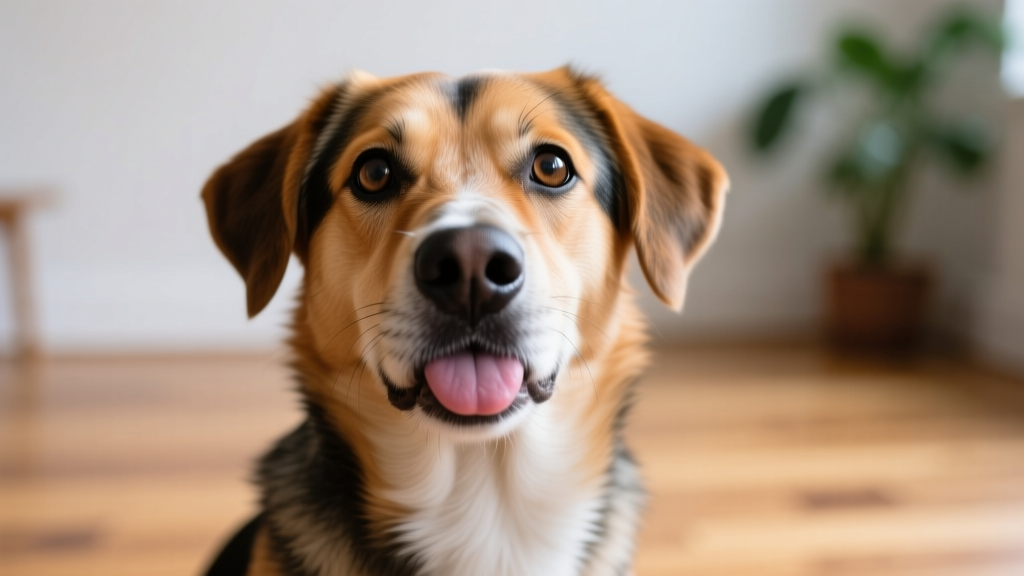
Quick Answer: Why Is My Dog's Tongue Sticking Out?
In most cases, a dog with tongue sticking out at rest is simply engaging in passive thermoregulation or has relaxed their jaw muscles during a calm state — colloquially known as a "blep." This is normal behavior in healthy dogs, particularly brachycephalic (flat-faced) breeds like Pugs, Bulldogs, and Shih Tzus whose shortened skulls leave less room for the tongue inside the mouth. However, persistent tongue protrusion accompanied by excessive drooling, difficulty eating, or sudden onset in a previously normal dog can signal dental disease, neurological issues, or medication side effects that warrant a veterinary exam.
The Physiology of Canine Tongue Protrusion
How the Mechanism Works
A dog's tongue is a muscular hydrostat — essentially a dense bundle of muscles without skeletal support, similar to an elephant's trunk or an octopus's tentacle. The average dog's tongue measures 4–6 inches (10–15 cm) depending on breed size and is anchored by the genioglossus, hyoglossus, and styloglossus muscles to the hyoid bone apparatus at the base of the skull.
When a dog is in a relaxed parasympathetic state (rest-and-digest mode), the genioglossus muscle — which normally retracts and positions the tongue inside the oral cavity — decreases its tonic firing rate. The tongue, governed by gravity and its own mass, can slide slightly forward past the incisors. This is physiologically identical to why humans sometimes sleep with their mouths slightly open: muscle atonia during relaxation.
According to the Merck Veterinary Manual, the canine tongue serves multiple functions beyond taste: it acts as a primary thermoregulatory organ, a grooming tool, a manipulative appendage for food handling, and a structural component of the drinking mechanism (dogs curl the tongue backward to create a liquid column).
The tongue's resting position is governed by what veterinary neurologists call the hypoglossal nerve (Cranial Nerve XII). This nerve provides motor innervation to all intrinsic and extrinsic tongue muscles. Any disruption along this pathway — from brainstem lesions to peripheral nerve damage — can alter tongue position. In a healthy dog, constant low-level nerve signaling keeps the tongue retracted. When your dog dozes off on the couch and you notice the tip of their tongue poking out, you're witnessing a temporary reduction in hypoglossal tone.
The Evolutionary Basis: What Wolves Tell Us
From Wild Canids to Couch Bleps
Wild wolves (Canis lupus) rarely display resting tongue protrusion in natural settings. The behavior is largely a product of two evolutionary pressures:
- Thermoregulatory specialization: Unlike humans who sweat through eccrine glands across the skin, canids evolved to dissipate heat almost exclusively through panting — rapid, shallow breathing that evaporates moisture from the tongue, oral mucosa, and upper respiratory tract. A wolf's tongue surface area is disproportionately large relative to body size precisely because it functions as a radiator.
- Domestication-driven skull remodeling: Over approximately 15,000–30,000 years of domestication, selective breeding for neotenous (juvenile) features produced dramatic skull shape changes. Brachycephalic breeds have maxillary bones 30–40% shorter than their wolf ancestors, but tongue length did not proportionally decrease — creating a structural mismatch.
Research published in PLOS Genetics has identified that the BMP3 gene and its regulatory pathways are heavily implicated in canine skull shape variation. Breeds selected for extremely flat faces essentially have a tongue that is "too long" for its oral cavity, making passive protrusion nearly inevitable at rest.
Wild canids — wolves, coyotes, foxes, and jackals — typically maintain full tongue retraction when not actively panting, drinking, or grooming. The resting "blep" is almost entirely a domestic dog phenomenon, driven by the artificial selection pressures humans imposed through breed development. Feral dog populations with more mesocephalic (medium-skulled) proportions show less tongue protrusion than heavily brachycephalic purebreds, supporting the structural hypothesis over a purely behavioral one.
Breed Variations: Which Dogs Blep the Most?
Not all dogs are equally likely to sit with their tongue hanging out. Skull morphology is the single biggest predictor. Here's how common breed categories compare:
| Skull Type | Example Breeds | Tongue Protrusion Frequency | Primary Reason |
|---|---|---|---|
| Brachycephalic | Pug, French Bulldog, English Bulldog, Shih Tzu, Pekingese, Boston Terrier | Very High (daily) | Shortened maxilla; tongue exceeds oral cavity volume |
| Mesocephalic | Labrador Retriever, Beagle, Australian Shepherd, Border Collie | Low to Moderate (occasional) | Relaxed muscle tone during rest or sleep |
| Dolichocephalic | Greyhound, Borzoi, Collie, Afghan Hound | Very Low (rare) | Elongated muzzle provides ample tongue housing |
Among brachycephalic breeds, the condition is so expected that the American Kennel Club notes tongue protrusion as a common feature of breeds like the Pekingese and Bulldog. Some individual French Bulldogs and Pugs have tongues that protrude 1–2 cm (roughly half an inch to an inch) at all times, even during light activity — this is their anatomical baseline, not a medical emergency.
When a Tongue Sticking Out Signals a Problem
While the casual blep is benign, certain presentations require veterinary attention. Here's a framework for distinguishing normal from concerning:
Normal vs. Concerning: A Decision Guide
| Feature | Likely Normal | Vet Consultation Recommended |
|---|---|---|
| Onset | Has always done this; present since puppyhood | Sudden onset in an adult dog who previously kept tongue retracted |
| Color | Pink, moist, healthy-looking | Blue, purple, pale, or dark red discoloration (possible cyanosis or congestion) |
| Texture | Smooth, wet, normal papillae visible | Dry, cracked, ulcerated, or with visible masses/growths |
| Accompanying signs | Dog is eating, drinking, and behaving normally | Drooling excessively, dropping food, pawing at mouth, weight loss, bad breath |
| Function | Tongue retracts normally when dog is alert or eating | Tongue hangs limply to one side; dog cannot retract it voluntarily |
Several medical conditions can cause new-onset tongue protrusion in dogs:
- Dental disease (periodontitis, tooth root abscess): By age 3, an estimated 80% of dogs have some degree of periodontal disease according to the AVMA. Severe tooth loss — especially of the lower incisors and canines that form the "fence" holding the tongue inside — removes the structural barrier, allowing the tongue to slip forward. Treatment typically involves professional dental cleaning ($200–$800 depending on extractions needed) under general anesthesia.
- Hanging Tongue Syndrome: A recognized veterinary condition, most common in small brachycephalic breeds, where the tongue permanently protrudes due to congenital malformation, dental extraction, or neurological injury. The exposed tongue tissue can become sunburned, cracked, or frostbitten depending on climate. Management involves applying pet-safe tongue balm (products like Musher's Secret, ~$15–$20) and monitoring for tissue damage.
- Neurological disorders: Conditions affecting the hypoglossal nerve or brainstem — including vestibular disease, brain tumors, or strokes — can cause unilateral or bilateral tongue paralysis. These cases typically present with the tongue deviating to one side and are accompanied by other neurological signs like head tilt, ataxia (uncoordinated movement), or altered mentation.
- Medication side effects: Certain drugs, particularly sedatives and some anti-seizure medications (phenobarbital, gabapentin), can cause muscle relaxation significant enough to produce tongue protrusion. This typically resolves as the medication is metabolized.
- Heat exhaustion: In hot conditions, a dog's tongue may protrude further than normal as the body maximizes evaporative cooling surface area. If your dog's tongue is broad, flat, and extending well beyond the lips during heat, this can be an early sign of heat stress. Normal canine body temperature is 101.0–102.5°F (38.3–39.2°C); temperatures above 104°F (40°C) constitute a medical emergency.
🚨 When to Call Your Veterinarian
Seek prompt veterinary evaluation if your dog's tongue protrusion is accompanied by any of these red flags:
- Sudden onset in a dog that never did this before
- Tongue color change (blue, purple, gray, or very pale)
- Inability to retract the tongue even when alert
- Excessive drooling or difficulty swallowing
- Foul odor from the mouth (suggesting infection or necrotic tissue)
- Pawing at the mouth, face rubbing, or signs of oral pain
- Lethargy, reduced appetite, or weight loss
Always consult your veterinarian for a proper diagnosis. This article provides educational information and is not a substitute for professional veterinary care.
Common Misconceptions About Dogs With Tongues Out
| Myth | Scientific Reality |
|---|---|
| "A dog with its tongue out is always happy." | While many dogs do relax their tongues during contentment, tongue protrusion can also indicate pain, neurological dysfunction, or respiratory distress. Context and accompanying body language (ear position, tail carriage, eye shape) must be evaluated together. |
| "If the tongue is out, the dog is too hot." | Panting is heat-related, but passive tongue protrusion at normal body temperature is usually a structural or relaxation response. A dog can be perfectly comfortable at 68°F (20°C) and still blep. |
| "You should push the tongue back in." | Manually repositioning a relaxed tongue is unnecessary and can startle or irritate your dog. The tongue will retract naturally when muscle tone increases (e.g., when the dog becomes alert or starts eating). |
| "Only old dogs do this." | Brachycephalic puppies often blep from a very young age due to skull structure. While senior dogs may develop new tongue protrusion from dental loss, age alone is not the determining factor. |
| "It means the dog is dumb or confused." | There is zero scientific evidence linking tongue protrusion to cognitive ability. The behavior is governed by anatomy and muscle tone, not intelligence. |
Related Behaviors: Panting, Licking, and the Flehmen-Like Response
Tongue protrusion doesn't exist in isolation — it's part of a broader behavioral and physiological system. Understanding related behaviors helps you interpret the full picture:
- Panting vs. bleping: Panting involves rapid respiratory cycling (300–400 breaths per minute in a heat-stressed dog, compared to a normal resting rate of 10–30 breaths per minute) with the tongue extended to maximize evaporative surface area. A blep is static — the tongue is simply resting outside the lips without increased respiratory rate. These are physiologically distinct behaviors.
- Tongue flicking: Brief, rapid tongue extensions (often called "lip licking" or "tongue flicks") are a canine calming signal — an appeasement behavior indicating mild stress or social uncertainty. This is different from sustained protrusion and is rooted in social communication rather than thermoregulation.
- Drinking mechanics: Research from Virginia Tech's biomechanics lab demonstrated that dogs drink by curling the tongue backward (the dorsal surface contacts water first) to create a liquid column, then closing the jaw before gravity pulls the column back down. The tongue's protrusion during drinking is functional and precise — very different from passive resting bleps.
- Taste processing: Dogs have approximately 1,700 taste buds (compared to humans' ~9,000), concentrated at the tip and edges of the tongue. When a dog extends their tongue after eating something novel, they may be processing taste information — but this is a brief investigative behavior, not sustained protrusion.
Practical Implications for Daily Life
What This Means for You as an Owner
1. Sun protection for exposed tongues. If your dog has permanent tongue protrusion (Hanging Tongue Syndrome), the exposed tissue is vulnerable to UV damage. Apply a pet-safe SPF balm before outdoor time in sunny conditions. Products like Dog & Cat SPF Balm by My Dog Nose It (~$12–$16) are formulated for oral-adjacent tissue. Never use human sunscreen — many contain zinc oxide or xylitol, both toxic to dogs.
2. Cold weather monitoring. An exposed tongue in temperatures below 32°F (0°C) can develop frostbite within 15–30 minutes. Limit outdoor exposure in freezing conditions, and consider a snood or neck gaiter that provides partial face coverage for brachycephalic breeds.
3. Hydration checks. Dogs with chronic tongue protrusion lose more moisture through evaporation. Ensure constant access to fresh water and monitor for signs of dehydration: tacky gums, skin tenting (pinch the scruff — it should snap back within 1–2 seconds), and reduced urine output.
4. Dental vigilance. If your dog develops new tongue protrusion, schedule a dental exam. The cost of a veterinary dental cleaning ranges from $200–$800 depending on your region and whether extractions are needed — but untreated dental disease can lead to systemic infections affecting the heart, kidneys, and liver.
5. Photograph it (for science). Take a clear photo of your dog's normal tongue position and color when they're healthy. This baseline image helps your veterinarian quickly identify changes during future exams — especially useful for detecting early color changes or tissue abnormalities.
Frequently Asked Questions
Why does my dog's tongue stick out when sleeping?
During sleep, particularly during REM phases, dogs experience muscle atonia (temporary paralysis of voluntary muscles) similar to humans. The genioglossus muscle relaxes, and the tongue slides forward under gravity. This is completely normal and identical to why some humans sleep with their mouths open. You'll notice the tongue retracts once your dog wakes and becomes alert.
Can dogs control whether their tongue sticks out?
Yes — when awake and alert, dogs have full voluntary control over tongue position via the hypoglossal nerve. The protrusion you see during relaxation is involuntary, caused by reduced muscle tone. If a dog cannot retract their tongue even when fully awake and trying, this suggests nerve damage or a structural problem and requires veterinary evaluation.
Is it normal for my Pug's tongue to always be out?
For many Pugs, French Bulldogs, and other extreme brachycephalic breeds, constant mild tongue protrusion is their anatomical baseline — the tongue is simply longer than the shortened oral cavity can contain. While "normal" for the breed, this does represent a welfare concern related to extreme skull conformation. The AVMA has issued statements encouraging breeding practices that moderate extreme brachycephalic features.
What does it mean when my dog's tongue sticks out to one side?
Unilateral (one-sided) tongue deviation is more clinically significant than central protrusion. It can indicate hypoglossal nerve damage on the side the tongue deviates toward (the tongue points toward the side of the lesion due to unopposed muscle pull from the healthy side). Other causes include a mass or abscess on one side of the oral cavity pushing the tongue laterally, or a foreign object lodged between teeth. This presentation warrants a veterinary exam within 24–48 hours.
How is a dog's tongue different from a human's?
Canine tongues differ from human tongues in several key ways: they are proportionally longer relative to skull size, contain more serous glands at the tip for thermoregulatory moisture production, have a specialized dorsal papillae structure (filiform papillae are more pronounced for gripping food), and serve a primary thermoregulatory function that human tongues do not. Humans cool primarily through sweating; dogs cool primarily through the tongue and respiratory tract.
Should I be worried if my senior dog suddenly starts blepping?
New-onset tongue protrusion in a senior dog (typically age 7+ for large breeds, 10+ for small breeds) should prompt a veterinary visit. The most common cause in seniors is dental disease — tooth loss removes the "barrier" that keeps the tongue inside. Other possibilities include cognitive dysfunction syndrome (canine dementia, which can alter oral motor patterns), oral tumors, or neurological changes. A thorough oral exam under sedation and basic bloodwork ($150–$300) can usually identify the cause.
Sources & Further Reading
- Merck Veterinary Manual — Congenital and Inherited Anomalies of the Digestive System
- American Kennel Club — Brachycephalic Dog Breeds: Health and Care
- American Veterinary Medical Association — Brachycephalic Breeds Welfare Statement
Marcus Aldridge
All our authors care for dogs every day — read more of their work on the authors page.


