Why Your Dog Breath Smells: The Science Behind Canine Halitosis
Discover why dog breath smells from a scientific perspective.
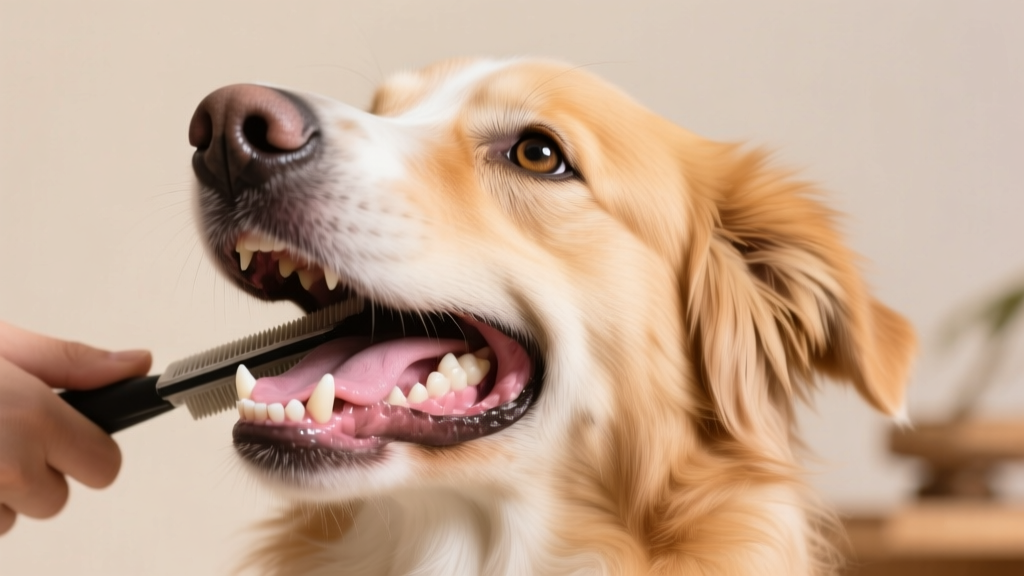
Quick Answer: Normal dog breath smells mildly earthy or meaty due to a complex oral microbiome containing over 400 bacterial species. When dog breath smells foul, fishy, or sweet-fruity, it typically signals periodontal disease (affecting 80% of dogs by age 3), gastrointestinal issues, kidney dysfunction, or diabetes. Mild odor is normal; persistent offensive smell warrants a veterinary dental exam.
If you've ever leaned in for a doggy kiss and recoiled, you're not alone — and you're not overreacting. While some degree of oral odor is perfectly normal in dogs, understanding why your dog breath smells the way it does requires looking at canine oral biology, evolutionary history, and the microbial ecosystems living inside your dog's mouth right now.
This isn't just a cosmetic concern. The specific odor profile of your dog's breath can serve as an early diagnostic clue for conditions ranging from periodontal disease to metabolic disorders. Here's what the science tells us.
The Oral Microbiome: Why Dog Breath Has Any Smell at All
Dog breath smells because of volatile sulfur compounds (VSCs) — primarily hydrogen sulfide (H₂S), methyl mercaptan (CH₃SH), and dimethyl sulfide — produced by anaerobic bacteria colonizing the oral cavity. These compounds are the same ones responsible for halitosis in humans, but the canine oral microbiome operates under different rules.
Research published in Applied and Environmental Microbiology identified over 400 distinct bacterial species in the canine mouth, many unique to dogs. Key odor-producing genera include Porphyromonas, Fusobacterium, and Prevotella — all gram-negative anaerobes that thrive in low-oxygen environments like gum pockets and tongue crevices.
The physiological mechanism works like this: these bacteria metabolize proteins from food debris, shed epithelial cells, and blood (in dogs with gingivitis) into amino acids like cysteine and methionine. The breakdown of these sulfur-containing amino acids releases VSCs as metabolic byproducts. The deeper the gum pocket (from periodontal attachment loss), the more anaerobic the environment, and the more VSCs are produced.
A healthy dog's mouth maintains a microbial balance where aerobic bacteria keep anaerobic populations in check. When that balance shifts — due to plaque accumulation, gingival inflammation, or dietary changes — the VSC-producing bacteria multiply and the odor intensifies. This is why dog breath smells worse in the morning: reduced saliva flow during sleep allows bacterial populations to surge.
Evolutionary Context: What Ancestral Diets Tell Us About Canine Breath
Evolutionary Perspective: Wolves and wild canids consume a diet of raw meat, bone, cartilage, and organ tissue — all high-protein substrates that feed oral bacteria. However, the mechanical action of gnawing raw bones and tearing through hide provides natural tooth-cleaning that domestic dogs eating kibble or soft food don't get.
Wild canids also exhibit a behavior called coprophagia (feces consumption) and regularly roll in and lick decaying organic matter — behaviors that introduce transient bacteria and odors to the oral cavity. These behaviors likely evolved for scent-masking (to avoid alerting prey) and possibly for microbiome inoculation.
Domestication shifted canine diets toward starch-heavy commercial foods, altering the oral microbiome composition. A 2013 study in Nature found that dogs carry more copies of the amylase gene (AMY2B) than wolves, reflecting adaptation to agricultural diets. However, this starch-rich diet promotes plaque formation differently than ancestral diets, contributing to the high prevalence of periodontal disease in modern dogs.
The practical implication: your dog's breath is partly a product of evolutionary mismatch. Their mouths evolved for one diet, but most dogs eat something very different. This doesn't mean raw feeding is the answer — raw diets carry their own bacterial and nutritional risks — but it explains why dental care is non-negotiable for domestic dogs.
What Different Dog Breath Smells Actually Mean
Not all bad breath is created equal. The specific character of the odor can point veterinarians toward different diagnostic pathways. Here's a clinical framework for interpreting what your dog's breath odor might indicate:
| Odor Description | Likely Cause | Mechanism | Urgency |
|---|---|---|---|
| Foul / rotten meat | Periodontal disease (stages 2-4) | Tissue necrosis and anaerobic bacterial overgrowth in deepened gingival sulci | Schedule dental exam within 1-2 weeks |
| Fishy / ammonia-like | Kidney disease (azotemia) | Uremic toxins (urea, creatinine) accumulate in blood and are exhaled via lungs | Veterinary visit within 24-48 hours |
| Sweet / fruity / acetone | Diabetic ketoacidosis | Ketone bodies (acetone, acetoacetate) produced from fat metabolism when insulin is insufficient | Emergency — see vet today |
| Fecal / sewage | GI obstruction, megaesophagus, or coprophagia | Stagnant food fermentation, intestinal backup, or direct fecal ingestion | Emergency if accompanied by vomiting |
| Metallic / bloody | Oral tumors, severe gingivitis, or rodenticide ingestion | Active bleeding in oral cavity from tissue destruction or coagulopathy | Same-day veterinary assessment |
| Mildly earthy / meaty | Normal oral microbiome activity | Baseline VSC production from healthy bacterial populations | Normal — maintain dental routine |
According to the Merck Veterinary Manual, periodontal disease remains the single most common clinical condition in adult dogs, with prevalence reaching over 80% in dogs over three years of age. The odor progression typically follows disease staging: mild gingivitis (Stage 1) produces minimal odor change, while advanced periodontitis (Stage 4) with tooth mobility and oronasal fistula formation produces distinctly putrid breath.
Breed Variations in Oral Odor and Dental Disease Susceptibility
Not all dogs are equally prone to problematic breath. Brachycephalic breeds (short-nosed dogs) face significantly higher rates of periodontal disease due to dental crowding — their 42 adult teeth are compressed into a shortened maxilla and mandible, creating overlapping teeth and deep periodontal pockets where anaerobic bacteria thrive.
High-risk breeds for severe halitosis from dental disease:
- Brachycephalic breeds: Pugs, Bulldogs (English and French), Shih Tzus, Pekingese, Boston Terriers — dental crowding creates 2-3x more plaque-retentive surfaces
- Small breeds under 20 lb / 9 kg: Yorkshire Terriers, Chihuahuas, Dachshunds, Toy Poodles — smaller tooth roots and thinner alveolar bone lead to faster periodontal destruction
- Greyhounds: Genetically predisposed to aggressive periodontitis with early tooth loss, independent of home care quality
Lower-risk breeds tend to have well-spaced teeth and robust gingival tissue — larger sporting and working breeds like Labrador Retrievers, German Shepherds, and Siberian Huskies often maintain better oral health with less intensive care, though no breed is immune.
Brachycephalic breeds also face an additional odor source: lip fold pyoderma. The deep skin folds around their mouths trap moisture, food particles, and bacteria, creating a separate bacterial infection that contributes to overall oral-area odor. This is often mistaken for breath odor when it's actually a dermatological issue.
Common Misconceptions About Dog Breath
| Myth | Fact |
|---|---|
| "Dog mouths are cleaner than human mouths" | False. Dogs and humans have entirely different oral microbiomes — neither is "cleaner." Dog mouths contain bacteria like Capnocytophaga canimorsus that can cause serious infections in humans through bites or licks on open wounds. |
| "Bad breath is just a normal part of owning a dog" | Mild odor is normal; offensive halitosis is not. Persistent bad breath is a clinical sign, not an inevitability. Dogs with proper dental care can have minimal breath odor throughout their lives. |
| "Dry kibble cleans dogs' teeth" | Standard kibble shatters on contact and provides negligible mechanical cleaning. Only veterinary dental diets with specific fiber matrices (like Hill's Prescription Diet t/d or Royal Canin Dental) have demonstrated plaque-reducing efficacy in peer-reviewed studies. Look for the VOHC (Veterinary Oral Health Council) seal. |
| "Dental chews replace brushing" | VOHC-approved dental chews reduce plaque by 15-40% and tartar by 20-50%, but daily brushing removes 80-90% of plaque. Chews are supplements, not substitutes. Effectiveness varies by chew type, dog chewing style, and contact time. |
| "My dog is too old for dental anesthesia" | Age alone is not a contraindication for anesthesia. Senior dogs actually benefit most from dental treatment because they've accumulated the most periodontal damage. Pre-anesthetic bloodwork and tailored protocols make dental procedures safe for most senior dogs. |
How Is Dog Breath Different from Human Halitosis?
The physiological mechanism is similar — both involve VSC-producing anaerobic bacteria — but several key differences make canine halitosis distinct:
Saliva composition: Dog saliva has a higher pH (around 7.5-8.0 compared to human 6.5-7.0), which creates a different environment for bacterial colonization. Dog saliva also contains higher concentrations of lysozyme and immunoglobulin A, providing some natural antibacterial defense, but this is overwhelmed once plaque biofilm matures beyond 48-72 hours.
Dietary protein load: Dogs consume proportionally more protein than most humans, providing abundant substrate for sulfur-producing bacteria. High-protein diets, while nutritionally appropriate, inherently increase VSC production potential.
Self-grooming behavior: Dogs lick their own bodies, including anal glands and wounds, introducing bacteria and compounds to the oral cavity that humans never encounter. Anal gland secretions (containing trimethylamine and various fatty acids) are a frequent source of transient fishy breath odor unrelated to dental disease.
Communication via scent: Dogs use oral and facial odors as part of social signaling. Face-licking behavior in puppies originates from wolf pup food-solicitation behavior (licking adult muzzles to trigger regurgitation), and the oral odor profile may carry information about diet and health status to other dogs. This is why dogs greet each other with close facial investigation — breath odor is part of their social data exchange.
Practical Dental Care: An Evidence-Based Protocol
Daily Home Care (most impactful):
- Brushing: Use a veterinary enzymatic toothpaste (poultry or malt flavored — never human toothpaste, which contains xylitol or fluoride toxic to dogs). Brush with a dual-head or finger brush for 30-60 seconds, focusing on the buccal (outer) surfaces of the upper carnassial teeth (premolar 4) and canine teeth, where plaque accumulates fastest. Aim for daily; minimum effective frequency is 3x/week.
- VOHC-approved chews: Look for products carrying the VOHC seal — these have demonstrated efficacy in controlled trials. Examples include Purina Dental Chewz, Greenies (original formula), and Oravet Dental Hygiene Chews. Cost: $15-$35/month depending on dog size.
- Water additives: Products containing chlorhexidine (0.12%) or zinc ascorbate can reduce VSC production. Effectiveness is modest (10-20% plaque reduction) but requires zero cooperation from the dog. Examples: Healthy Mouth, Aquadent.
Professional Care:
- Annual dental exams: Your veterinarian should perform an awake oral exam at every wellness visit. This catches visible tartar, gingival recession, fractured teeth, and oral masses.
- Professional cleaning under anesthesia: Recommended when tartar accumulation reaches moderate levels (typically every 1-3 years depending on breed and home care). Cost: $300-$800 for cleaning alone; $500-$2,000+ if extractions are needed. Full-mouth dental radiographs should always be included — 60% of dental disease occurs below the gumline and is invisible to visual exam alone.
If your dog breath smells persistently offensive despite consistent home care, consult your veterinarian. This often signals subgingival disease (below the gumline) that only professional cleaning and radiographs can diagnose and treat. Never use "anesthesia-free dental cleanings" — these cosmetic scrape-and-polish services cannot address subgingival plaque and are not endorsed by the American Veterinary Medical Association or the American Veterinary Dental College.
Frequently Asked Questions
Why does my dog's breath smell like fish?
Fishy dog breath smells most commonly come from anal gland secretions. Dogs may lick their anal area after expressing glands (either voluntarily or during defecation), transferring the pungent secretion to their mouth. If the fishy odor persists and your dog isn't licking their rear, it could indicate kidney disease (uremic breath has an ammonia-fish quality) and warrants bloodwork. Anal gland expression by a groomer or vet tech costs $10-$25 per visit.
Is it normal for puppy breath to smell bad?
Puppy breath (ages 3-6 months) often has a distinctive sweet-musky odor caused by the combination of teething inflammation, increased oral bacteria from chewing everything, and the natural bacterial shifts during deciduous-to-adult tooth transition. This is normal. However, if the odor is putrid or accompanied by swelling, bleeding that won't stop, or retained baby teeth (two teeth occupying the same position), see your vet — retained deciduous teeth are common in small breeds and require extraction to prevent adult tooth displacement.
Can dog breath smells indicate cancer?
Yes, oral tumors (melanoma, squamous cell carcinoma, fibrosarcoma) can cause distinctly foul breath due to tissue necrosis and secondary infection. Oral melanoma is the most common oral malignancy in dogs, particularly affecting Cocker Spaniels, German Shepherds, and Miniature Poodles. Any persistent bad breath in a dog over 8 years old, especially with visible oral masses, difficulty eating, or facial swelling, should prompt immediate veterinary evaluation. Early-stage oral tumor removal has significantly better prognosis than late-stage disease.
Does my dog's breath smell because of their food?
Diet influences breath odor, but it's rarely the primary cause of offensive halitosis. Fish-based diets can produce transient fishy breath; high-protein diets increase VSC production. However, if breath odor changed suddenly after a diet switch and persists beyond 2-3 weeks, it's more likely coincidence with developing dental disease or a GI issue. Food allergies causing lip fold dermatitis (especially in Bulldogs and Spaniels) can create secondary odor from skin infection rather than the breath itself.
How quickly should I see a vet about bad breath?
Use this timeline: mildly increased odor lasting more than 2 weeks despite brushing → schedule dental exam within 1-2 weeks. Sudden onset of severely foul, sweet, metallic, or ammonia-smelling breath → call your vet today. Any breath change accompanied by drooling, pawing at the mouth, dropping food, facial swelling, lethargy, increased thirst/urination, or vomiting → emergency visit. These accompanying signs suggest conditions beyond simple dental disease that require prompt diagnosis.
This article provides educational information and does not replace professional veterinary advice. Always consult your veterinarian for diagnosis and treatment of your dog's specific health conditions. If you suspect your dog has ingested a toxic substance, contact ASPCA Animal Poison Control at (888) 426-4435 (24/7, consultation fee applies).
Anouk Beaumont
All our authors care for dogs every day — read more of their work on the authors page.


