Dog Bloody Mucus Stool
Why does your dog have bloody mucus stool? Explore the veterinary science, physiological mechanisms, common causes, and when to seek emergency care.
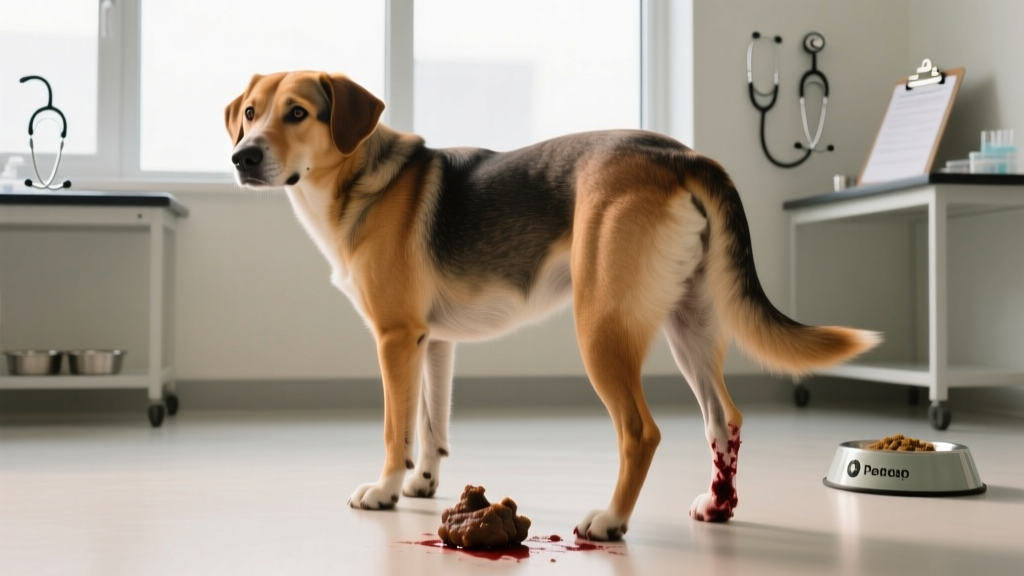
Quick Answer: Bloody mucus in a dog's stool—clinically called hematochezia with mucorrhea—signals inflammation or damage to the lower gastrointestinal tract (colon and rectum). The mucus is produced by goblet cells in the intestinal lining as a protective response to irritation, while the blood (typically bright red) indicates bleeding from the colon, rectum, or anal region. Common causes range from dietary indiscretion and parasitic infections (giardia, whipworms) to inflammatory bowel disease, hemorrhagic gastroenteritis (HGE), and parvovirus. Any dog with bloody mucus stool accompanied by vomiting, lethargy, or loss of appetite requires immediate veterinary evaluation.
Few things alarm a dog owner more than looking into the yard and seeing a stool streaked with blood and coated in mucus. The good news is that many causes are treatable, and understanding the underlying science helps you make faster, better decisions about when to monitor at home versus when to rush to the emergency clinic.
Why Does a Dog's Stool Contain Blood and Mucus? The Physiological Mechanism
The Science: The canine colon is lined with a mucosal epithelium populated by specialized goblet cells. These cells continuously secrete mucin glycoproteins—thick, gel-like substances that lubricate stool passage and form a protective barrier against bacteria and digestive enzymes. Under normal conditions, mucus production is minimal and invisible in formed stool.
When the colonic mucosa becomes inflamed (colitis), injured, or infected, goblet cells enter a state of hypersecretion. Pro-inflammatory cytokines—particularly interleukin-8 (IL-8) and tumor necrosis factor-alpha (TNF-α)—trigger increased mucin gene expression (MUC2 and MUC3). The result is visible, jelly-like mucus coating the stool or appearing independently.
Blood in the stool originates from one of two locations:
- Hematochezia (bright red blood): Bleeding from the lower GI tract—colon, rectum, or anus. The blood is fresh and unmodified by digestion.
- Melena (dark, tarry stool): Bleeding from the upper GI tract—stomach or small intestine. Blood has been partially digested by stomach acid and enzymes, turning it black.
When you see bloody mucus stool, you're typically observing hematochezia combined with colonic mucus hypersecretion—a hallmark of large-bowel diarrhea (colitis).
The colon's mucosal barrier is remarkably thin—only 0.2 to 0.5 millimeters thick in most dogs, according to the Merck Veterinary Manual. This thinness makes it vulnerable to mechanical irritation (bones, foreign objects), chemical irritation (dietary changes, toxins), and biological assault (parasites, bacteria, viruses). Any breach triggers the dual response: mucus to protect and seal, bleeding from damaged capillaries in the lamina propria beneath the epithelium.
Evolutionary Context: Why the Canine GI Tract Is Vulnerable
From Wolf to Companion: The ancestral canid digestive system evolved for a feast-or-famine scavenging lifestyle. Wolves consumed prey whole—fur, bone, organs, and gut contents—exposing their GI tract to a constant barrage of roughage, bacteria, and parasites. The mucus-secreting goblet cell system was an evolutionary adaptation to protect against this abrasive, contaminated diet.
Modern domestic dogs retain this same colonic architecture, but their diet and environment have shifted dramatically. Highly processed kibble, sudden dietary changes, and reduced exposure to diverse microbiomes have created a mismatch between evolutionary design and modern management. The colonic mucosa still reacts to irritation the same way a wolf's would—flooding the area with mucus—but the triggers are now more frequent and sometimes more severe.
Research published in the Journal of Veterinary Internal Medicine has shown that domestic dogs have significantly less microbial diversity in their gut microbiome compared to wild canids, which may reduce mucosal resilience and increase susceptibility to inflammatory episodes. This evolutionary mismatch helps explain why colitis—and its visible sign, bloody mucus stool—is one of the most common GI presentations in veterinary practice.
What Does It Mean When My Dog Has Bloody Mucus Stool? Common Causes
The presence of blood and mucus together narrows the diagnostic field considerably. Here are the most frequent causes, organized by prevalence and severity:
| Cause | Mechanism | Prevalence | Urgency |
|---|---|---|---|
| Stress Colitis | Cortisol-mediated mucosal inflammation from boarding, travel, or routine changes | Very common (~30% of acute colitis cases) | Low–Moderate |
| Dietary Indiscretion | Sudden diet change, garbage ingestion, table scraps irritating colonic mucosa | Very common | Low–Moderate |
| Parasitic Infection (Giardia, Whipworms, Hookworms) | Parasites attach to or invade colonic mucosa, causing mechanical damage and immune response | Common (Giardia found in ~15–20% of shelter dogs) | Moderate |
| Hemorrhagic Gastroenteritis (HGE) | Acute, idiopathic condition causing severe mucosal sloughing and hemorrhage; PCV often >60% | Uncommon but breed-associated (Miniature Poodles, Havanese) | Emergency |
| Canine Parvovirus | Virus destroys rapidly dividing crypt cells in intestinal lining, causing massive mucosal necrosis | Primarily unvaccinated puppies 6 weeks–6 months | Emergency |
| Inflammatory Bowel Disease (IBD) | Chronic immune-mediated infiltration of lymphocytes/plasma cells into colonic mucosa | Common in middle-aged dogs; German Shepherds predisposed | Moderate (chronic management) |
| Rectal Polyps or Tumors | Neoplastic growths erode and bleed; mucus produced by irritated surrounding tissue | Uncommon; older dogs (>8 years) | Moderate–High |
Breed Predispositions
Not all dogs face equal risk. Several breeds show statistically higher rates of conditions causing bloody mucus stool:
- German Shepherds: Predisposed to IBD and exocrine pancreatic insufficiency (EPI), both of which can cause chronic colitis with mucus and intermittent blood.
- Boxers: Susceptible to a unique form of colitis called histiocytic ulcerative colitis (also called Boxer colitis), linked to invasive E. coli in the colonic mucosa. Typically presents in dogs under 4 years.
- Miniature Poodles and Havanese: Overrepresented in HGE cases, though the mechanism remains unclear.
- French Bulldogs and English Bulldogs: Brachycephalic breeds with higher rates of food sensitivities and chronic GI inflammation.
- Doberman Pinschers: Higher prevalence of parvovirus susceptibility linked to specific MHC class II gene variants.
Is Bloody Mucus Stool Normal? Myth vs. Fact
| Myth | Fact |
|---|---|
| "A little blood in dog stool is always normal—dogs do this sometimes." | A single episode of mild mucus with a streak of blood in an otherwise healthy, eating, active dog may resolve on its own. However, repeated episodes or blood in significant quantities always warrants veterinary investigation. It is never "normal"—it is a symptom of mucosal irritation or damage. |
| "Bloody stool means my dog has parvo." | Parvovirus is one cause, but it's far from the most common. Parvo typically presents with profuse, foul-smelling bloody diarrhea, vomiting, fever, and severe lethargy in unvaccinated puppies. Most adult, vaccinated dogs with bloody mucus stool have colitis from other causes. |
| "I should fast my dog for 48 hours if they have bloody stool." | A 12–24 hour fast may be appropriate for mild dietary indiscretion in healthy adult dogs, but fasting beyond 24 hours without veterinary guidance can worsen colonic healing. The colon's epithelial cells require short-chain fatty acids (particularly butyrate) from fermentation to regenerate. Prolonged fasting starves these cells. |
| "Mucus in stool just means my dog is dehydrated." | Dehydration can concentrate stool and make existing mucus more visible, but mucus production is specifically a colonic inflammatory response, not a hydration marker. Dehydration is a consequence of diarrhea, not the cause of mucus. |
| "If my dog is acting fine, the bloody stool isn't serious." | Dogs are evolutionarily wired to mask illness—a survival trait from their wolf ancestors. Rectal polyps, early-stage colorectal tumors, and low-grade parasitic infections can cause bloody mucus stool for weeks before other symptoms appear. Behavior alone is not a reliable severity indicator. |
How Is This Different From Humans? Comparative GI Physiology
Understanding how the canine GI tract differs from the human one helps explain why dogs seem to experience bloody mucus stool more frequently:
- Transit time: Food passes through a dog's entire GI tract in 8–12 hours (compared to 24–72 hours in humans). This rapid transit means the colon has less time to compensate for upstream irritation, and inflammatory responses manifest more quickly in visible stool changes.
- Stomach acidity: Canine stomach pH can drop as low as 1–2 (more acidic than the human average of 1.5–3.5), which effectively kills many ingested pathogens but also means surviving organisms reaching the colon may be more resistant.
- Colonic fermentation: Dogs have a relatively shorter colon compared to herbivores, but their microbial fermentation still produces the short-chain fatty acids critical for mucosal health. Disruption of this microbiome (dysbiosis) triggers mucus overproduction faster than in humans.
- Dietary indiscretion tolerance: Dogs will eat almost anything—a behavior rooted in their scavenging ancestry. Humans self-regulate food intake more carefully. This behavioral difference alone accounts for a significant proportion of acute colitis cases.
When to See the Vet: A Decision Framework
🚨 Emergency — Go to the Vet NOW If:
- Bloody stool is profuse (more than streaks—think tablespoons of blood)
- Stool resembles "raspberry jam" (classic HGE presentation)
- Dog is vomiting repeatedly alongside bloody stool
- Dog is lethargic, collapsing, or unable to stand
- Dog has pale or tacky gums (sign of blood loss or dehydration)
- Puppy under 6 months with bloody diarrhea (parvo risk)
- Known or suspected toxin ingestion — Call ASPCA Animal Poison Control: (888) 426-4435 (24/7, consultation fee applies)
⚠️ Urgent — Schedule a Vet Visit Within 24 Hours If:
- Bloody mucus stool persists for more than 2 episodes in 24 hours
- Dog is straining to defecate (tenesmus) or appears uncomfortable
- Blood is dark or tarry (melena — indicates upper GI bleeding)
- Dog has recently started a new medication (NSAIDs can cause GI ulceration)
- Weight loss or chronic intermittent episodes over days/weeks
🟡 Monitor at Home If:
- Single episode of mild mucus with a small streak of blood
- Dog is eating, drinking, and behaving normally
- No vomiting, no lethargy, no fever
- Recent dietary change or known dietary indiscretion (ate something unusual)
- Episode resolves within 12–24 hours with bland diet
What Your Vet Will Do: Diagnostic Process and Costs
Based on clinical experience and current 2026 pricing data, here's what to expect during a veterinary visit for bloody mucus stool:
| Diagnostic Test | Purpose | Estimated Cost (2026) | Turnaround |
|---|---|---|---|
| Physical exam + history | Assess hydration, abdominal pain, rectal exam | $50–$85 | Immediate |
| Fecal flotation + Giardia SNAP | Detect parasites (whipworms, hookworms, Giardia antigen) | $35–$65 | 10 min–24 hrs |
| CBC + Chemistry Panel | Check for anemia, infection markers, organ function, PCV for HGE | $120–$200 | 1–24 hrs |
| Parvovirus SNAP test | Rapid antigen test for CPV-2 in puppies or unvaccinated dogs | $40–$60 | 10–15 min |
| Abdominal ultrasound | Evaluate intestinal wall thickness, rule out masses, intussusception | $300–$500 | Same day |
| Colonoscopy + biopsy | Direct visualization of colonic mucosa; tissue samples for IBD/cancer diagnosis | $800–$1,500 | 3–7 days (histopathology) |
Total cost range: A straightforward case (exam + fecal + supportive care) typically runs $150–$350. Complex cases requiring bloodwork, imaging, and biopsy can reach $1,500–$3,000+. Emergency after-hours visits add $100–$200 in emergency fees.
Practical Takeaways: What You Can Do at Home
Evidence-Based Home Management for Mild Cases
1. Implement a 12–24 hour bland diet transition (not a full fast):
- Offer small, frequent meals of boiled chicken breast (skinless, boneless) and white rice in a 1:2 ratio (one part chicken to two parts rice).
- Feed approximately ¼ cup per 10 lb of body weight, divided into 4–6 small meals throughout the day.
- The rice provides easily digestible carbohydrates; the chicken provides lean protein without excess fat that could worsen inflammation.
2. Add a soluble fiber supplement:
- Canned plain pumpkin (NOT pumpkin pie filling) at 1 teaspoon per 10 lb body weight, twice daily. Pumpkin is rich in soluble fiber that absorbs excess water in the colon and feeds beneficial bacteria that produce mucosal-healing butyrate.
- Alternatively, psyllium husk (Metamucil, unflavored) at ½ teaspoon per 20 lb body weight, mixed into food once daily.
3. Ensure hydration:
- Offer low-sodium chicken broth (no onion or garlic) to encourage fluid intake.
- For dogs reluctant to drink, try ice cubes or a pet-specific electrolyte solution such as K9 Power Go Dog or Bullyade (follow label dosing).
4. Consider a veterinary probiotic:
- Purina FortiFlora (Enterococcus faecium SF68) or VetriScience Probiotic Everyday can help restore microbial balance. Studies referenced by the AVMA support the use of specific probiotic strains to reduce duration of acute diarrhea by 1–2 days.
5. Monitor and document:
- Photograph each stool for your vet visit—color, consistency, amount of blood, and mucus volume matter diagnostically.
- Track frequency: more than 3–4 bowel movements in 12 hours with blood warrants a vet call.
Important disclaimer: This information is for educational purposes. Always consult your veterinarian before starting any home treatment, especially if your dog is very young, very old, immunocompromised, or on medications. Your vet will determine the appropriate treatment plan based on your dog's specific condition.
Related Conditions and Cross-References
Bloody mucus stool rarely exists in isolation. Understanding related GI conditions helps you recognize patterns:
- Canine Hemorrhagic Gastroenteritis (HGE): Now often called Acute Hemorrhagic Diarrhea Syndrome (AHDS). Characterized by sudden onset of bloody, watery diarrhea with high packed cell volume (PCV >55%). Requires aggressive IV fluid therapy. Mortality is low (<5%) with prompt treatment but can be fatal without it.
- Clostridium perfringens overgrowth: This anaerobic bacterium produces enterotoxins that damage colonic mucosa. Often secondary to stress or dietary change. Diagnosis via fecal ELISA; treated with metronidazole (10–15 mg/kg twice daily for 5–7 days, as prescribed by your vet).
- Intussusception: A segment of intestine telescopes into an adjacent segment, causing obstruction and ischemic necrosis. Presents with bloody, mucoid stool and severe abdominal pain. Surgical emergency. More common in young German Shepherds.
- Anal gland disease: Impacted or infected anal glands can cause blood-streaked mucus to appear on the stool surface (not mixed in). Often confused with colitis. Your vet can differentiate by examination.
Frequently Asked Questions
Why do dogs produce mucus in their stool?
Mucus is produced by goblet cells lining the colon as a protective lubricant. Small amounts are normal and usually invisible. Visible mucus indicates colonic irritation or inflammation—the goblet cells are hypersecreting in response to a trigger such as dietary change, parasites, infection, or stress. Think of it as the colon's equivalent of a runny nose: the tissue is irritated and producing extra protective fluid.
Can dogs get bloody stool from stress alone?
Yes. Stress colitis is well-documented in veterinary medicine. When a dog experiences acute stress (boarding, moving, a new pet in the home, thunderstorms), the body releases cortisol and catecholamines that alter colonic motility, increase mucosal permeability, and shift the gut microbiome. This cascade can produce bloody mucus stool within 24–72 hours of the stressor. The condition is usually self-limiting once the stressor resolves, but recurrent episodes may require behavioral intervention or dietary modification.
How do dogs process food differently that leads to this condition?
Dogs have a shorter GI tract relative to body size compared to humans, with faster transit times (8–12 hours vs. 24–72 hours). Their colonic mucosa is adapted to handle roughage and bacteria from a scavenging diet, but modern dietary indiscretions—eating fatty human food, sudden kibble switches, ingesting foreign material—can overwhelm these defenses. The rapid transit means irritants reach the colon quickly, and the immune response (mucus + bleeding) manifests faster than it would in humans eating something problematic.
Is bloody mucus stool normal after deworming?
Mild mucus with small amounts of blood can occur within 24–48 hours after deworming, particularly with medications like fenbendazole or pyrantel. As parasites die and detach from the intestinal wall, they leave small attachment-site wounds that bleed briefly. The mucus is the colon's protective response to the dead parasites passing through. This should resolve within 2–3 days. If bleeding is heavy or persists beyond 72 hours, contact your veterinarian.
What does it mean when my dog's stool is mostly mucus with just a little blood?
Stool that is predominantly mucus with streaks of blood is a classic presentation of large-bowel diarrhea (colitis). The mucus volume indicates significant goblet cell hypersecretion, while the blood suggests superficial capillary damage in the inflamed mucosa. The most common cause is acute colitis from dietary indiscretion or stress. However, if this pattern persists for more than a few days or recurs frequently, your vet should investigate chronic causes such as IBD, food allergy, parasitic infection, or (in older dogs) colorectal neoplasia.
How is bloody mucus stool in dogs different from the same symptom in humans?
The underlying mechanism is similar—colonic inflammation causes both mucus hypersecretion and mucosal bleeding in both species. However, dogs experience it more frequently due to their scavenging behavior, shorter GI transit time, and less discriminating eating habits. In humans, bloody mucus stool is more often associated with specific conditions like ulcerative colitis or infectious dysentery. In dogs, the differential diagnosis is broader, including parasites and dietary indiscretion as leading causes. Additionally, dogs cannot verbalize discomfort, so stool observation is a more critical diagnostic window for owners than it typically is for human patients.
Can food allergies cause bloody mucus stool in dogs?
Yes. Food-responsive enteropathy (formerly called food allergy or food intolerance) is a recognized cause of chronic colitis in dogs. The most common allergens are beef, dairy, chicken, and wheat. When the immune system reacts to a dietary protein, it triggers chronic inflammation in the GI mucosa, leading to intermittent bloody mucus stool. Diagnosis requires an 8–12 week elimination diet trial using a novel protein (such as venison, rabbit, or duck) or a hydrolyzed protein diet prescribed by your veterinarian. According to AKC veterinary resources, food allergies account for approximately 1–5% of chronic colitis cases in dogs.
Sources consulted: Merck Veterinary Manual — Colitis and Proctitis in Small Animals, ASPCA Animal Poison Control, American Veterinary Medical Association (AVMA).
Anouk Beaumont
All our authors care for dogs every day — read more of their work on the authors page.


