Can Dogs Taste Sweet? The Science Behind Your Dog's Sweet Tooth
Can dogs taste sweet foods? Discover the science of canine taste buds, evolutionary reasons for sweet preferences, and what it means for your dog's diet and health.
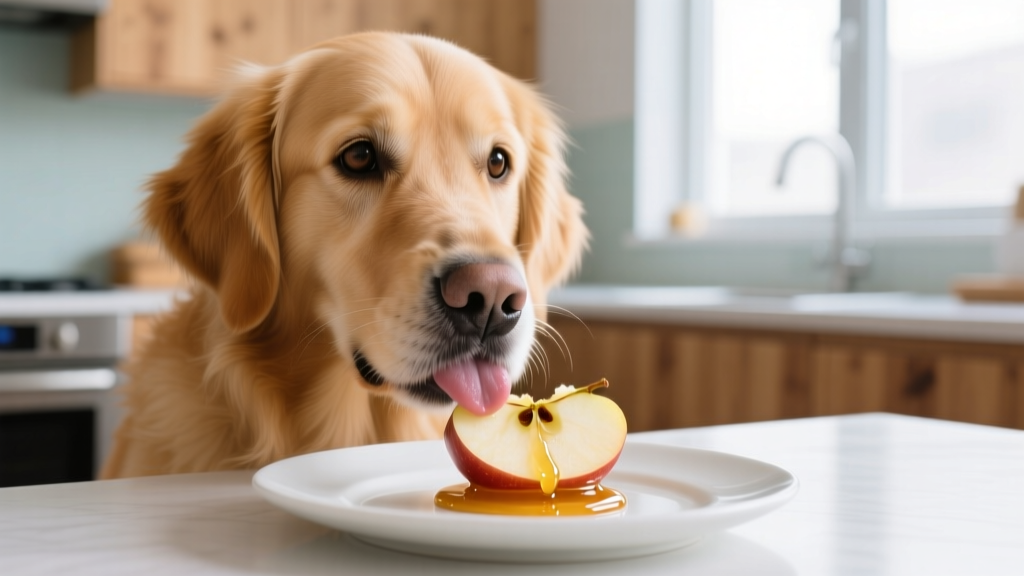
Quick Answer: Yes, Dogs Can Taste Sweet
Dogs absolutely can taste sweet flavors. They possess approximately 1,700 taste buds (compared to our 9,000), and a dedicated set of these taste buds responds specifically to sweet compounds. The canine sweet taste receptor is formed by the Tas1r2/Tas1r3 protein heterodimer, which detects sugars and certain artificial sweeteners. However, dogs experience sweetness differently than humans — they have a unique receptor (furin) that responds to furaneol, a compound found in tomatoes and other fruits, which may explain why many dogs enthusiastically eat fruit. So if your dog begs for a bite of your ice cream or goes crazy for blueberries, there's real science behind that behavior.
The Science of Canine Taste: How Dogs Detect Sweetness
To understand whether dogs taste sweet, we need to look at their tongue anatomy and the molecular biology of taste perception. The canine tongue contains several types of papillae — the small bumps you can see on the surface — which house taste buds. Dogs have four types of papillae: fungiform, vallate, foliate, and filiform, though their filiform papillae (the most numerous type in humans) contain no taste buds at all.
Research published in the Journal of Comparative Neurology has mapped the distribution of canine taste buds, revealing that most functional taste buds cluster toward the tip and edges of the tongue, particularly in the fungiform papillae. A study from Monell Chemical Senses Center confirmed that the canine sweet receptor gene (Tas1r2) is functional, unlike in cats, whose Tas1r2 gene is a pseudogene — meaning cats literally cannot taste sweetness.
The Molecular Mechanism
When a sweet substance contacts your dog's tongue, sugar molecules bind to the Tas1r2/Tas1r3 receptor complex on the surface of sweet-sensitive taste bud cells. This binding triggers a cascade of intracellular signals involving G-proteins (specifically gustducin), which ultimately causes the taste cell to release neurotransmitters. These signals travel via the chorda tympani nerve and the glossopharyngeal nerve to the gustatory cortex in the brain, where the sensation of "sweet" is processed.
What makes canine sweet taste unique is the presence of an additional receptor — sometimes called the "furin receptor" — that responds to furaneol (4-hydroxy-2,5-dimethyl-3(2H)-furanone). This compound is found naturally in tomatoes, strawberries, and other fruits. This may be why many dogs show an intense preference for certain fruits over plain sugar water in controlled taste-preference studies.
Evolutionary Basis: Why Ancestral Canids Developed Sweet Taste
🐺 From Wolf to Wag: The Omnivore Advantage
The ability to taste sweetness isn't a random accident of biology — it served a critical survival function for ancestral canids. Gray wolves (Canis lupus), the primary ancestors of domestic dogs, are not obligate carnivores like cats. While meat forms the backbone of their diet, wolves in the wild supplement their nutrition with seasonal fruits, berries, and plant matter, especially during summer and autumn when prey is scarce.
A study examining wolf scat in various ecological surveys published in PubMed found that plant matter — including berries, apples, and grasses — comprised 5–25% of wolf diets depending on the season and region. The ability to detect sweetness would have helped wolves identify ripe, energy-dense fruits that provided quick carbohydrates and essential vitamins.
Domestication amplified this trait. Over roughly 15,000–30,000 years of living alongside humans, dogs adapted to scavenging starchy agricultural waste — cooked grains, root vegetables, and fruit scraps. Genomic studies have identified multiple copies of the AMY2B gene (which codes for pancreatic amylase) in dogs compared to wolves, reflecting this dietary shift. Dogs with a functional sweet receptor could identify calorie-rich human food scraps more effectively, giving them a survival advantage in early human settlements.
This evolutionary history explains why your dog might sniff out a dropped grape (toxic — never feed these!) or show interest in your morning oatmeal. Their ancestors' survival depended on identifying sweet, energy-rich foods in a varied landscape.
How Canine Sweet Taste Compares to Humans
While both dogs and humans can taste sweetness, the experience differs significantly. Here's a detailed comparison:
| Feature | Dogs | Humans |
|---|---|---|
| Total taste buds | ~1,700 | ~9,000 |
| Sweet receptor genes | Tas1r2 + Tas1r3 (functional) | TAS1R2 + TAS1R3 (functional) |
| Special furaneol receptor | Yes (enhanced fruit detection) | No |
| Taste bud types | Sweet, salty, sour, bitter, umami | Sweet, salty, sour, bitter, umami |
| Salt sensitivity | Reduced (ancestral meat diet was high-sodium) | High sensitivity |
| Water taste buds | Yes (tip of tongue, unique to some carnivores) | No dedicated water receptors |
| Sweet preference intensity | Moderate — preference plateaus at lower sugar concentrations | High — preference scales with concentration |
A key difference: dogs have specialized taste buds at the tip of their tongue that are sensitive to water. These "water taste buds" become more active after eating meat or salty food, which likely helps dogs appreciate drinking water after a meal. Humans lack this dedicated water-sensing mechanism entirely.
What Does It Mean When My Dog Craves Sweets?
If your dog shows a strong preference for sweet foods, it's usually a normal expression of their functional sweet receptors. However, context matters:
Normal Sweet-Seeking Behavior
- Begging for fruit: Apples (no seeds), blueberries, watermelon (no rind/seeds), and bananas are all safe in appropriate portions and many dogs love them.
- Licking ice cream or yogurt: The sugar and fat content triggers both sweet and umami receptors simultaneously.
- Interest in baked goods: The combination of sugar, fat, and carbohydrates is highly palatable to dogs.
When Sweet-Seeking Signals a Problem
In some cases, an intense, sudden increase in appetite or sweet-craving behavior can indicate underlying health issues:
- Diabetes mellitus: Dogs with uncontrolled diabetes may exhibit polyphagia (excessive hunger) and seek out sweet or high-calorie foods. If your dog is drinking excessive water, urinating frequently, and seems insatiably hungry, consult your veterinarian promptly for blood glucose testing.
- Cushing's disease (hyperadrenocorticism): Excess cortisol production can drive increased appetite and food-seeking behavior.
- Exocrine pancreatic insufficiency (EPI): Dogs with EPI cannot properly digest nutrients, leading to persistent hunger despite eating normally.
- Medication side effects: Corticosteroids like prednisone commonly cause increased appetite. If your dog is on medication and suddenly obsessed with food, discuss this with your vet.
Common Misconceptions About Dogs and Sweet Foods
| ❌ Myth | ✅ Fact |
|---|---|
| "Dogs can't taste anything — they'll eat garbage." | Dogs have 1,700 taste buds and distinct preferences. They rely more heavily on smell (300 million olfactory receptors vs. our 6 million), but taste plays a real role in food selection. |
| "Sugar is fine for dogs since they like it." | While dogs can taste and enjoy sugar, excessive sugar intake leads to obesity, dental disease, and can contribute to insulin resistance. Treats (including fruit) should comprise no more than 10% of daily caloric intake. |
| "If my dog wants chocolate, it must be safe." | Dogs are attracted to chocolate's fat and sugar content, not knowing it contains theobromine, which is toxic. Dark chocolate contains 130–450 mg theobromine per ounce. Toxicity can occur at doses as low as 20 mg/kg. If your dog ingests chocolate, contact ASPCA Animal Poison Control at (888) 426-4435 immediately. |
| "Artificial sweeteners are a safe sugar alternative for dogs." | Xylitol (birch sugar), common in sugar-free gum and peanut butter, is extremely toxic to dogs. Even small amounts (0.1 g/kg) can cause life-threatening hypoglycemia, and 0.5 g/kg can cause acute liver failure. Always check ingredient labels. |
| "All dogs love sweets equally." | Individual preference varies significantly based on genetics, early diet exposure, and breed. Some dogs show little interest in sweet foods. |
Breed Variations in Sweet Preference
While all dogs possess functional sweet taste receptors, anecdotal evidence from veterinary behaviorists and breed-specific research suggests some variation in how strongly different breeds express sweet-seeking behavior:
- Labrador Retrievers: A well-documented mutation in the POMC (pro-opiomelanocortin) gene affects approximately 23% of Labradors, leading to increased food motivation and hunger signaling. These dogs often show intense interest in all palatable foods, including sweets.
- Beagles: Bred for scent-tracking with an extraordinary olfactory drive, Beagles tend to be highly food-motivated and will readily consume sweet foods. Their combination of powerful smell and functional sweet taste makes them notorious counter-surfers.
- Brachycephalic breeds (Pugs, Bulldogs): These breeds often have strong food drives and may show pronounced interest in sweet treats. However, their obesity risk makes portion control critical — keep sweet treats to no more than 2–3 small fruit pieces per day for a 20 lb (9 kg) dog.
- Sighthounds (Greyhounds, Whippets): Often described as more selective eaters, some sighthounds show less interest in sweet foods compared to sporting breeds. Their prey drive tends to dominate their food-seeking behavior.
It's important to note that individual variation within breeds is significant. A dog's early exposure to diverse flavors during the socialization period (3–14 weeks of age) also shapes lifelong taste preferences.
Practical Takeaways: What This Means for Your Dog's Diet
Using Sweet Taste Responsibly
1. Safe sweet treats by weight class:
| Dog Weight | Max Daily Fruit Serving | Examples |
|---|---|---|
| Under 10 lb (4.5 kg) | 1–2 teaspoons diced fruit | 2–3 blueberries, 1 small apple slice |
| 10–25 lb (4.5–11 kg) | 1 tablespoon diced fruit | 4–5 blueberries, 2 apple slices, 1 strawberry |
| 25–50 lb (11–23 kg) | 2 tablespoons diced fruit | ½ banana slice, small handful blueberries, 2–3 watermelon cubes |
| 50–90 lb (23–41 kg) | 3 tablespoons diced fruit | 1 baby carrot + apple slices, ½ banana |
| Over 90 lb (41 kg) | ¼ cup diced fruit | Mixed berries, apple slices, watermelon chunks |
2. Use sweet treats for training: Because dogs find sweet flavors rewarding, small pieces of apple or banana can serve as high-value training rewards. Keep pieces tiny (pea-sized for small dogs, blueberry-sized for large dogs) to avoid overfeeding during training sessions.
3. Avoid these sweet-but-toxic foods:
- Grapes and raisins: Can cause acute kidney failure — toxic dose varies unpredictably; no safe amount exists.
- Xylitol-containing products: Sugar-free gum, certain peanut butters (check labels for "xylitol" or "birch sugar"), baked goods, and some yogurts.
- Chocolate: Contains theobromine and caffeine. Toxicity depends on type (dark > milk > white), dog weight, and amount consumed.
- Macadamia nuts: Often found in sweet baked goods; cause weakness, vomiting, and hyperthermia in dogs.
4. Read labels on commercial dog treats: Many commercial dog biscuits and training treats contain added sugars (often listed as sucrose, dextrose, or corn syrup). While not toxic, these add unnecessary calories. Look for treats where a named protein source (chicken, salmon, liver) is the first ingredient, with no added sweeteners.
5. Dental health consideration: Sugar promotes plaque formation and dental disease in dogs just as in humans. If you regularly give sweet treats, implement a dental hygiene routine — daily tooth brushing with enzymatic dog toothpaste (never human toothpaste, which may contain xylitol) or VOHC-approved dental chews. Budget approximately $15–$25/month for quality dental products, or $400–$800 per professional dental cleaning at your vet.
Related Canine Senses and Behaviors
Understanding sweet taste connects to several other aspects of canine sensory science:
- Smell-taste interaction: Dogs have up to 300 million olfactory receptors (breed-dependent; Bloodhounds top the chart) compared to humans' ~6 million. A dog's decision to eat something is driven roughly 80% by smell and 20% by taste. This is why dogs will sometimes eat things that taste bitter — they were drawn in by the smell before taste registered.
- Umami preference: Dogs have a strong umami (savory/meaty) taste response, which is why meat-flavored treats are often more motivating than sweet ones for training purposes.
- Bitter avoidance: Dogs have more bitter taste receptors (approximately 11 Tas2r genes) than sweet receptors, which is an evolutionary defense against ingesting toxic plants. This is why many dogs spit out bitter medications even when hidden in food.
- Temperature sensitivity: Dogs prefer food at roughly body temperature (101–102.5°F / 38.3–39.2°C), which mirrors the temperature of fresh prey. Cold food from the refrigerator may taste less intense because volatile aromatic compounds are less active at lower temperatures.
Frequently Asked Questions
Why do dogs like ice cream so much?
Dogs are attracted to ice cream because it simultaneously stimulates multiple taste pathways: sweet receptors detect the sugar, fat receptors respond to the cream content, and the cold temperature can be refreshing. However, most dogs are lactose intolerant to some degree (lactase production decreases after weaning), so ice cream can cause gas, diarrhea, or vomiting. If you want to offer a frozen treat, try blending plain, unsweetened yogurt (lower lactose) with blueberries and freezing in small portions — roughly 1 tablespoon per 10 lb of body weight.
Can dogs taste the difference between sugar and artificial sweeteners?
Research suggests dogs can detect some artificial sweeteners. Sucralose (Splenda) and stevia do activate canine sweet receptors to varying degrees, though aspartame does not appear to trigger a strong sweet response in dogs. Critically, dogs cannot distinguish safe sweeteners from dangerous ones — xylitol activates sweet taste pathways but is potentially lethal. Never assume that because your dog enjoys a sweetener, it's safe for them.
Is it normal for my dog to prefer vegetables over sweet treats?
Yes, this is completely normal. Some dogs show stronger preferences for umami-rich or crunchy-textured foods over sweet ones. Carrots, green beans, and sweet potatoes are popular vegetable choices among dogs. Individual taste preference is shaped by genetics, early diet exposure, and learned associations. A dog that was raised on a kibble diet rich in vegetable-derived carbohydrates may naturally gravitate toward vegetables.
How is a dog's sense of taste different from a cat's?
This is one of the most striking differences in companion animal biology. Cats have a non-functional Tas1r2 gene, meaning they literally cannot taste sweetness at all. This is because cats are obligate carnivores — their evolutionary niche never required identifying ripe fruit. Cats also have fewer total taste buds (~470) compared to dogs (~1,700). So while your dog might beg for a piece of banana, your cat's interest in that same banana is driven entirely by texture, temperature, or curiosity — not sweet taste.
Do puppies taste sweet differently than adult dogs?
Puppies are born with functional taste buds, but their preferences shift during development. Very young puppies (under 3 weeks) primarily respond to the taste of their mother's milk, which is high in fat and lactose. As puppies are weaned (typically 6–8 weeks) and exposed to solid foods, their taste preferences broaden. The socialization window (3–14 weeks) is a critical period for flavor learning — puppies exposed to a variety of safe flavors during this period tend to be less picky as adults. This is one reason veterinary nutritionists recommend offering puppies a rotation of safe, varied foods during weaning.
Can I use my dog's sweet tooth to hide medication?
Many owners successfully hide pills in sweet carriers like a small piece of banana, a dab of xylitol-free peanut butter, or a bit of plain applesauce. However, dogs' bitter taste receptors are highly sensitive, and many medications have a bitter coating that dogs detect even through sweet food. If your dog consistently spits out hidden medication, ask your veterinarian about compounded flavored medications — many compounding pharmacies offer chicken, beef, or fish flavoring for approximately $10–$30 per prescription on top of the medication cost.
Sources & Further Reading
- American Kennel Club: Can Dogs Taste?
- Merck Veterinary Manual: Digestive System Physiology
- ASPCA Animal Poison Control Center
- Li, X., et al. (2006). "Cats Lack a Sweet Taste Receptor." Journal of Nutrition, 136(7), 1932S–1934S — foundational comparative study on carnivore taste genetics.
- Bachmanov, A.A., et al. (2014). "Genetics of Taste Perception." Mammalian Genome — comparative analysis of Tas1r gene family across species.
This article is for informational purposes only and does not replace professional veterinary advice. Always consult your veterinarian before making significant changes to your dog's diet or if you observe sudden changes in eating behavior. If you suspect your dog has ingested a toxic substance, contact ASPCA Animal Poison Control at (888) 426-4435 or the Pet Poison Helpline at (855) 764-7661 immediately (consultation fees apply).
Anouk Beaumont
All our authors care for dogs every day — read more of their work on the authors page.