Eat Salmon? Omega-3s, Parasites & Safe Serving
Can dogs eat salmon? Explore the canine science behind omega-3 metabolism, salmon poisoning disease risks, safe serving sizes, and evolutionary dietary context.
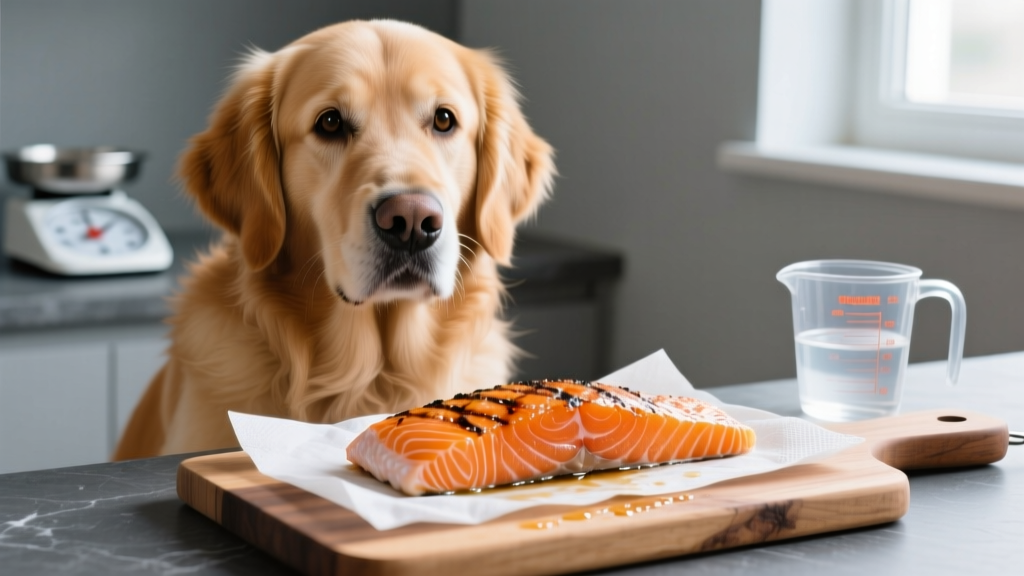
YES — dogs can eat cooked salmon. Fully cooked, boneless salmon is safe and nutritionally beneficial for most dogs, providing bioavailable omega-3 fatty acids (EPA and DHA), high-quality protein, and vitamin D. However, raw or undercooked salmon from the Pacific Northwest can be fatal due to salmon poisoning disease (SPD), a rickettsial infection caused by Nanophyetus salmincola flukes carrying Neorickettsia helminthoeca. Always serve salmon thoroughly cooked to an internal temperature of 145°F (63°C), and never feed salmon bones.
The question "can dogs eat salmon" ranks among the top nutrition searches by dog owners, and for good reason. Salmon occupies a unique intersection of canine nutritional science, evolutionary biology, and parasitology. Unlike many human foods where the safety verdict is straightforward, salmon demands a nuanced understanding of preparation methods, geographic risk factors, and your dog's individual physiology. This article breaks down the science behind how dogs metabolize salmon's nutrients, why their ancestors evolved the capacity to process fish, and what the research actually says about omega-3 supplementation through whole-food sources versus oils.
The Evolutionary Basis: Fish in the Ancestral Canine Diet
Ancestral context: Gray wolves (Canis lupus) in coastal regions of British Columbia, Alaska, and the Pacific Northwest have consumed salmon seasonally for thousands of years. Archaeological evidence from midden sites along the Columbia River shows fish bones intermingled with canid remains dating back at least 10,000 years. Interior wolf populations relied more heavily on ungulates, but coastal wolves developed seasonal salmon-foraging behavior that shaped regional dietary adaptation.
Wolves and early dogs did not evolve as obligate carnivores the way cats did. The domestic dog's genome reveals significant adaptations toward starch digestion — specifically, amplification of the AMY2B gene (pancreatic amylase) compared to wolves. However, dogs retained robust capacity to digest and metabolize animal proteins, including fish. A 2013 genomic study published in Nature by Axelsson et al. demonstrated that dogs possess enhanced genes for fatty acid metabolism compared to wolves, suggesting that the transition to human settlements — where dogs scavenged diverse food scraps including fish — drove selection for metabolic flexibility.
Coastal indigenous dogs of the Pacific Northwest, including the Salish wool dogs (now extinct) and village dogs of the region, subsisted heavily on salmon runs for millennia. These populations thrived on fish protein and fat, demonstrating that the canine digestive system is well-adapted to salmon consumption — provided the fish is free from parasites that evolved specifically to exploit this predator-prey relationship.
How Dogs Metabolize Salmon's Omega-3 Fatty Acids
Physiological mechanism: EPA and DHA processing
Salmon is rich in two long-chain omega-3 polyunsaturated fatty acids: eicosapentaenoic acid (EPA) and docosahexaenoic acid (DHA). Unlike humans, dogs have a limited ability to convert alpha-linolenic acid (ALA) — the plant-based omega-3 found in flaxseed and chia — into EPA and DHA. The conversion rate in dogs is estimated at less than 10%, making direct dietary sources of EPA and DHA far more efficient.
When a dog consumes cooked salmon, the following metabolic cascade occurs:
- Gastric phase: Stomach acid (pH 1-2) and pepsin begin protein denaturation. Bile salts emulsify the salmon's fat content in the duodenum.
- Intestinal absorption: Pancreatic lipase breaks triglycerides into monoglycerides and free fatty acids. EPA and DHA are incorporated into mixed micelles and absorbed through enterocytes in the jejunum.
- Systemic distribution: Omega-3s are packaged into chylomicrons, transported through the lymphatic system, and ultimately incorporated into cell membranes throughout the body — particularly in the brain, retina, and skin.
- Anti-inflammatory action: EPA competes with arachidonic acid (an omega-6) for cyclooxygenase (COX) and lipoxygenase (LOX) enzymes, producing less inflammatory eicosanoids (prostaglandin E3 vs. prostaglandin E2).
A 2018 study published in the Journal of Animal Physiology and Animal Nutrition (Lenox et al.) found that dogs supplemented with EPA and DHA at doses of 75-100 mg per kg of metabolic body weight showed measurable improvements in skin barrier function and reduced inflammatory markers within 6-8 weeks. A 3-ounce (85g) serving of cooked Atlantic salmon contains approximately 1,500-1,800 mg of combined EPA and DHA — enough to provide therapeutic-level omega-3s for a 25 lb (11 kg) dog.
Salmon Poisoning Disease: The Science Behind the Risk
The most critical safety concern with feeding salmon to dogs is salmon poisoning disease (SPD), a potentially fatal condition unique to canids. SPD is not actually "poisoning" in the toxicological sense — it is a rickettsial infection transmitted through a parasitic fluke.
The parasitic chain of infection
The lifecycle of Nanophyetus salmincola involves three hosts and a bacterial passenger:
- First intermediate host: The aquatic snail Oxytrema silicula, found in freshwater streams from Northern California to Vancouver Island.
- Second intermediate host: Salmonid fish (salmon, steelhead trout) that ingest cercariae released by infected snails. The fluke encysts as metacercariae in the fish's muscle tissue and organs.
- Bacterial passenger: Neorickettsia helminthoeca (and the related N. elokominica) lives inside the fluke as an endosymbiont.
- Definitive host: When a dog eats raw or undercooked infected fish, the metacercariae excyst in the dog's intestine, releasing the rickettsial bacteria, which invade the dog's monocytes and lymphoid tissues.
According to the Merck Veterinary Manual, clinical signs appear 5-7 days after ingestion (range: 3-14 days) and include:
| Symptom | Onset | Severity |
|---|---|---|
| Sudden high fever (104-107°F / 40-41.7°C) | Day 5-7 | Severe |
| Vomiting (often bloody) | Day 6-8 | Severe |
| Profuse diarrhea (may contain blood) | Day 6-8 | Severe |
| Lymphadenopathy (swollen lymph nodes) | Day 6-9 | Moderate |
| Anorexia and lethargy | Day 5-7 | Moderate |
| Nasal/ocular discharge | Day 7-10 | Mild-Moderate |
Untreated mortality rate: 90%. With prompt veterinary treatment — typically doxycycline (5-10 mg/kg twice daily for 10-14 days) plus supportive IV fluid therapy — the survival rate exceeds 90%. Treatment costs typically range from $500-$2,000 depending on hospitalization duration.
⚠ Geographic risk zone: SPD is endemic to the Pacific coast of North America, from Northern California through Oregon, Washington, and into British Columbia. However, infected fish can be transported anywhere. If your dog consumes raw salmon or trout — regardless of where you live — and develops sudden gastrointestinal illness within two weeks, inform your veterinarian about the fish exposure immediately.
ASPCA Animal Poison Control: (888) 426-4435 (24/7, consultation fee applies)
Safe Serving Sizes: Salmon for Dogs by Weight
The following table provides evidence-based serving guidelines for fully cooked, boneless, skinless salmon with no added seasonings, oils, or salt. These portions assume salmon is being used as a food topper or treat, not a complete diet replacement. Treats and toppers should constitute no more than 10% of your dog's daily caloric intake per ASPCA nutrition guidelines.
| Dog Weight | Serving Size (Cooked Salmon) | Frequency | Approx. Calories |
|---|---|---|---|
| 5-15 lb (2-7 kg) | ½ oz (14g) | 2-3 times/week | ~23 kcal |
| 16-30 lb (7-14 kg) | 1 oz (28g) | 2-3 times/week | ~46 kcal |
| 31-50 lb (14-23 kg) | 1.5 oz (42g) | 2-3 times/week | ~69 kcal |
| 51-75 lb (23-34 kg) | 2 oz (57g) | 2-3 times/week | ~92 kcal |
| 76-100+ lb (34-45+ kg) | 2.5-3 oz (71-85g) | 2-3 times/week | ~115-138 kcal |
Preparation requirements
- Cook to 145°F (63°C) internal temperature — this kills Nanophyetus salmincola metacercariae and Neorickettsia helminthoeca. Baking, poaching, grilling, or steaming are all acceptable methods.
- Remove all bones — salmon bones can splinter and cause esophageal perforation, gastric impaction, or intestinal obstruction. Even cooked pin bones pose a risk for small dogs.
- Skip all seasonings — garlic, onion, salt, butter, and lemon are common salmon seasonings that are toxic or problematic for dogs. Serve plain.
- Cool before serving — flake into bite-sized pieces and allow to reach room temperature to prevent oral burns.
Myth vs. Fact: Common Misconceptions About Dogs and Salmon
| Myth | Fact | Verdict |
|---|---|---|
| "Dogs can't digest fish." | Dogs digest cooked fish protein with approximately 90-95% efficiency. Fish is a highly bioavailable protein source commonly used in veterinary therapeutic diets (e.g., Royal Canin Selected Protein, Hill's d/d). | MYTH |
| "Smoked salmon is fine for dogs." | d>Smoked salmon is extremely high in sodium (up to 600mg per ounce) and may not reach temperatures sufficient to kill parasites depending on the smoking method (cold-smoked vs. hot-smoked). Cold-smoked salmon poses an SPD risk. | MYTH |
| "Farm-raised salmon is safer than wild for dogs." | Farm-raised Atlantic salmon carries no SPD risk (the fluke is Pacific-only), but may contain higher levels of polychlorinated biphenyls (PCBs) depending on farming practices. Both are safe when cooked; wild salmon typically has a superior omega-3:omega-6 ratio. | PARTIAL |
| "Salmon skin is toxic to dogs." | Cooked salmon skin is not toxic — it contains concentrated omega-3s. However, it is also high in fat, which can trigger pancreatitis in susceptible dogs. Small amounts of cooked skin are safe for most dogs. | MYTH |
| "All dogs are allergic to fish." | Fish allergy accounts for approximately 2-5% of canine food allergies (per a 2019 review in the Journal of Veterinary Internal Medicine). It is far less common than chicken, beef, or dairy allergies. Fish is actually a preferred novel protein for elimination diets. | MYTH |
Breed and Individual Variations in Salmon Tolerance
While salmon is safe for the vast majority of dogs when properly prepared, certain breed-specific and individual factors influence how your dog will respond:
Breeds with higher food allergy predisposition
Research published in the Journal of Small Animal Practice (2020) identified several breeds with statistically higher rates of cutaneous adverse food reactions (CAFR). These breeds may be more likely — though still uncommonly — to react to salmon protein:
- West Highland White Terriers — elevated CAFR incidence
- German Shepherd Dogs — higher food sensitivity rates
- Boxers — predisposed to multiple food allergies
- French Bulldogs — increasing CAFR reports
- Labrador Retrievers — high overall allergy prevalence
Breeds prone to pancreatitis
Because salmon is a relatively fatty fish (approximately 6-10g fat per 3 oz serving depending on species), dogs with pancreatitis risk should receive leaner portions or smaller servings. Breeds with elevated pancreatitis risk include Miniature Schnauzers, Yorkshire Terriers, Cocker Spaniels, and Dachshunds. For these dogs, consider salmon oil supplements (which deliver omega-3s with controlled fat dosing) rather than whole salmon meat.
Working and active breeds
High-performance dogs — sled dogs, agility competitors, working retrievers — often benefit most from salmon's caloric density and anti-inflammatory omega-3s. A study on Alaskan sled dogs found that fish-oil-supplemented diets improved exercise recovery markers and reduced exercise-induced inflammation (Reynolds et al., Journal of Nutrition, 2021).
When Salmon Consumption Signals a Problem
Most dogs tolerate cooked salmon without issue. However, watch for these clinical signs that warrant veterinary attention:
🩺 When to consult your veterinarian:
- Immediate emergency (within hours): Vomiting, diarrhea, fever, or lethargy within 14 days of raw/undercooked salmon exposure — especially in the Pacific Northwest. Mention SPD risk explicitly.
- Within 24-48 hours: Signs of allergic reaction — facial swelling, hives, intense itching, vomiting after cooked salmon ingestion. Discontinue salmon and consult your vet.
- Within 24 hours: Signs of pancreatitis — hunched posture ("prayer position"), vomiting, refusal to eat, greasy/yellow-tinged diarrhea after a high-fat salmon meal.
- Ongoing: If your dog develops chronic loose stools when salmon is part of their regular diet, reduce frequency or discontinue. Some dogs have individual fat malabsorption issues.
Always consult your veterinarian before making significant dietary changes, especially for dogs with pre-existing conditions such as kidney disease, liver disease, or diabetes.
How Does a Dog's Salmon Processing Differ From Humans?
Understanding the physiological differences between canine and human salmon metabolism helps explain why some preparation rules differ:
| Factor | Dogs | Humans |
|---|---|---|
| Gastric pH | 1-2 (more acidic — better pathogen kill) | 1.5-3.5 |
| SPD susceptibility | Highly susceptible — canids are the primary definitive host | Not susceptible — N. helminthoeca does not infect humans |
| ALA→EPA conversion | Less than 10% | 5-15% (varies by sex and diet) |
| Sodium tolerance | Lower threshold — excess sodium risks hypertension, especially in senior dogs | Higher tolerance (though still limited) |
| Bone digestion | Stronger stomach acid can dissolve small raw bones — but cooked salmon bones splinter dangerously | Cannot safely digest any fish bones |
| Transit time | 8-10 hours (faster) | 24-72 hours |
Practical Takeaways for Dog Owners
Your actionable salmon-feeding checklist:
- Always cook thoroughly — bake at 375°F (190°C) for 12-15 minutes per inch of thickness, or poach until the flesh flakes easily and reaches 145°F (63°C) internally.
- Source responsibly — wild-caught Alaskan sockeye or coho salmon offers the best omega-3 profile. If budget is a concern, canned salmon (packed in water, no salt added, bones removed) is a convenient and safe option — the canning process reaches temperatures well above what's needed to kill parasites.
- Budget for quality — expect to pay $8-$15/lb for fresh wild salmon fillets, $4-$8/lb for canned wild salmon, and $5-$10/lb for farm-raised Atlantic salmon. A 30 lb dog's weekly salmon treat budget runs approximately $3-$6.
- Start small — introduce salmon at 25% of the recommended serving size for the first meal. Monitor for 24 hours for any GI upset before increasing to full portions.
- Consider salmon oil as an alternative — if your dog has pancreatitis risk or you want precise omega-3 dosing, a veterinary-formulated salmon oil (e.g., Nordic Naturals Omega-3 Pet, Grizzly Salmon Oil) provides EPA/DHA without the whole-food fat load. Typical dosing: 1 pump (approximately 500mg omega-3s) per 20 lb body weight daily.
- Store properly — cooked salmon keeps 3 days refrigerated in an airtight container. Freeze individual portions in silicone molds for convenient treat-sized servings (up to 3 months frozen).
Frequently Asked Questions
Why do dogs seem to love the taste of salmon?
Dogs have approximately 1,700 taste buds (compared to humans' 9,000), but their umami receptors — which detect amino acids like glutamate and inosinate — are highly tuned to animal proteins. Salmon is rich in inosine monophosphate (IMP), a compound that strongly activates canine umami taste receptors. Combined with salmon's high fat content (dogs have dedicated fat-taste receptors that humans lack in the same form), salmon hits multiple palatability targets simultaneously. This is why salmon is a common ingredient in high-value training treats and appetite-stimulating veterinary diets.
Can dogs eat canned salmon?
Yes, canned salmon is safe and convenient for dogs. The canning process heats salmon to approximately 240-250°F (116-121°C) under pressure, which thoroughly eliminates any parasite risk. Choose salmon packed in water (not oil or brine) with no added salt. If the can includes softened bones, these are generally safe in small quantities — the canning process makes them crumbly rather than splintery. However, for small dogs under 15 lb, it's still prudent to remove larger bone fragments.
Is salmon better than fish oil supplements for dogs?
Both have advantages. Whole cooked salmon provides complete protein, vitamin D, selenium, and astaxanthin (a carotenoid antioxidant) in addition to omega-3s — benefits that isolated fish oil cannot replicate. However, fish oil supplements offer precise EPA/DHA dosing, controlled caloric intake, and convenience. For therapeutic omega-3 dosing (e.g., managing osteoarthritis or atopic dermatitis), a combination approach works best: feed salmon 2-3 times weekly for whole-food nutrition, and supplement with fish oil on non-salmon days to maintain consistent omega-3 blood levels.
What does it mean when my dog begs intensely for salmon but ignores other foods?
This is normal canine behavior driven by palatability, not nutritional deficiency. Salmon's combination of IMP (umami), high fat content, and volatile aromatic compounds released during cooking creates an exceptionally strong sensory signal. Dogs' olfactory systems — with up to 300 million olfactory receptors (compared to humans' 6 million) — detect these compounds at extremely low concentrations. Your dog is responding to a genuinely high-value food stimulus, not signaling an omega-3 deficiency. Maintain consistent feeding rules and don't let salmon begging override your dog's balanced diet.
How is a dog's response to salmon different from cats?
Cats are obligate carnivores with even higher protein requirements than dogs, and they generally find fish highly palatable. However, cats are susceptible to a different salmon-related risk: Neorickettsia helminthoeca can also infect cats, though feline salmon poisoning disease is rarer and typically less severe. Additionally, cats fed fish-heavy diets long-term are at risk for steatitis (yellow fat disease) due to vitamin E depletion by polyunsaturated fats, and for urinary tract issues related to high dietary magnesium in some fish. Dogs are less susceptible to these specific concerns.
Is it normal for my dog's stool to smell fishy after eating salmon?
Yes, a temporary fishy stool odor for 24-48 hours after eating salmon is completely normal and reflects the excretion of unabsorbed fatty acids and trimethylamine metabolites. However, if stools become persistently loose, greasy, or foul-smelling beyond 48 hours, reduce the salmon serving size or frequency. Chronic steatorrhea (fatty stools) warrants a veterinary evaluation for exocrine pancreatic insufficiency (EPI) or other malabsorption conditions.
Related Nutritional Science Topics
Explore further:
- Sardines for dogs: Similar omega-3 benefits with lower mercury risk and no SPD concern — safe even raw for dogs outside the Pacific Northwest.
- Fish-based commercial diets: Look for AAFCO complete-and-balanced statements. Brands like Orijen Six Fish, Acana Wild Atlantic, and Zignature Salmon use fish as primary protein sources.
- Omega-3 dosing for canine osteoarthritis: Research supports 305 mg combined EPA+DHA per kg of metabolic body weight (BW^0.75) for therapeutic anti-inflammatory effects — significantly higher than what occasional salmon treats provide alone.
Key sources referenced in this article:
Jonas Cole
All our authors care for dogs every day — read more of their work on the authors page.


