Brussel Sprouts for Dogs: The Canine Science Behind This Veggie
Can dogs eat brussel sprouts? Explore the canine science behind digestion, nutrition, and safe serving sizes for brussel sprouts for dogs.
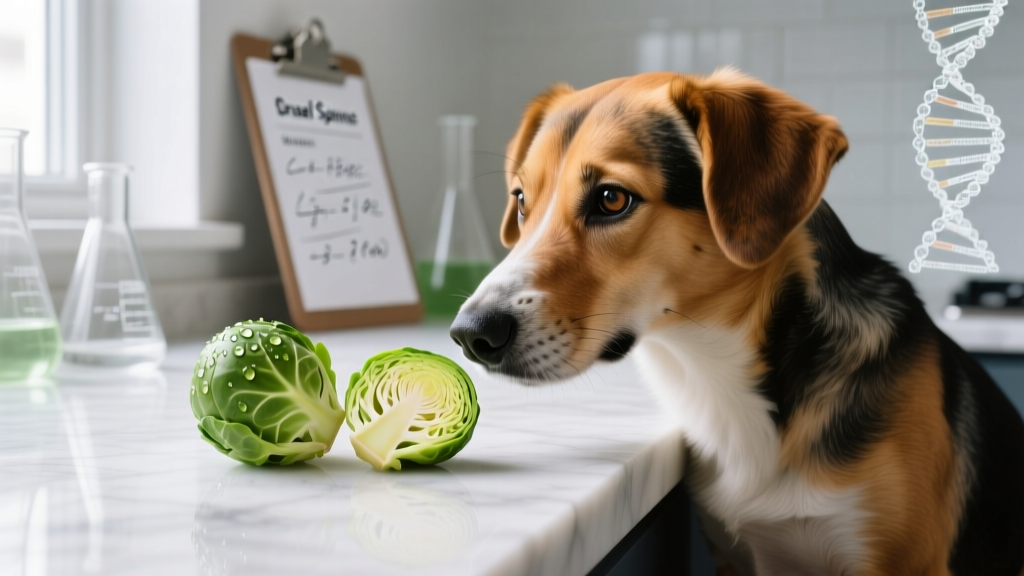
Plain, cooked brussel sprouts are non-toxic and can be a nutritious low-calorie treat for most dogs. They contain vitamins C and K, fiber, and antioxidants. However, they should be introduced gradually, served cooked (never raw), and limited to no more than 10% of your dog's daily caloric intake. Overconsumption causes gas and gastrointestinal upset due to the compound isothiocyanate. Always consult your veterinarian before making dietary changes, especially for dogs with thyroid conditions or sensitive stomachs.
The Science of How Dogs Digest Brussel Sprouts
Understanding why brussel sprouts affect dogs the way they do starts with canine digestive physiology. Dogs are facultative carnivores — their digestive tracts evolved primarily for processing animal protein, with a relatively short gastrointestinal transit time of 8 to 10 hours compared to the 24 to 72 hours in humans. This shorter transit time means dogs have less opportunity to ferment and break down complex plant fibers.
Brussel sprouts belong to the Brassica oleracea species, part of the cruciferous vegetable family that includes broccoli, cabbage, and kale. These vegetables contain a sulfur-based compound called isothiocyanate, which is produced when the plant's cell walls are broken — through chewing, chopping, or cooking. Isothiocyanate serves as a natural plant defense mechanism against herbivores, and it's the primary reason brussel sprouts cause flatulence and stomach irritation in dogs (and many humans).
The Isothiocyanate Mechanism
When a dog chews a brussel sprout, the enzyme myrosinase contacts glucosinolates in the plant tissue, converting them into isothiocyanates. In the canine gut, these compounds:
- Irritate the intestinal lining in high concentrations, triggering increased peristalsis (gut movement)
- Alter gut microbiome activity, causing bacteria to produce excess hydrogen sulfide and methane gas
- Compete with iodine uptake in the thyroid gland when consumed in very large, chronic quantities — a concern primarily for dogs with pre-existing hypothyroidism
According to the Merck Veterinary Manual, the canine small intestine is optimized for protein and fat absorption, with limited capacity for fermenting complex plant carbohydrates compared to the large intestine of true omnivores.
Evolutionary Context: Would Ancestral Dogs Have Eaten Brussel Sprouts?
Ancestral diet perspective: Gray wolves and early proto-dogs did not consume brussel sprouts or any cultivated Brassica vegetables. Brussel sprouts were first cultivated in Belgium in the 16th century — thousands of years after the dog-wolf divergence roughly 20,000 to 40,000 years ago.
However, ancestral canids did consume the stomach contents of herbivorous prey, which included partially digested plant matter. This provided trace amounts of pre-fermented vegetation, fiber, and micronutrients. The key distinction is that this plant material was pre-digested by the herbivore's rumen or cecum — effectively broken down by microbial fermentation that dogs cannot replicate in their own shorter GI tracts.
This evolutionary context explains why dogs can tolerate small amounts of cooked vegetables but lack the physiological machinery to process large quantities of raw cruciferous matter efficiently. Cooking partially mimics the pre-digestion process by breaking down cell walls and deactivating some of the myrosinase enzyme.
Nutritional Breakdown: What Brussel Sprouts Actually Provide
When served appropriately, brussel sprouts offer measurable nutritional value. Here's what a typical serving provides relative to canine dietary needs:
| Nutrient | Per 100g Cooked Sprouts | Relevance to Dogs | Notes |
|---|---|---|---|
| Vitamin K | 140 mcg | Blood clotting, bone metabolism | Dogs synthesize some via gut bacteria; supplemental amounts generally safe |
| Vitamin C | 62 mg | Antioxidant, immune support | Dogs produce their own vitamin C in the liver — supplementation is optional, not essential |
| Fiber | 4.1 g | Gut motility, stool quality | Excess fiber causes loose stools; beneficial in small amounts for dogs with constipation |
| Folate (B9) | 60 mcg | DNA synthesis, red blood cell formation | Water-soluble — excess is excreted in urine |
| Potassium | 317 mg | Nerve function, muscle contraction | Caution for dogs with kidney disease — consult your veterinarian |
| Calories | 36 kcal | Energy | Low-calorie treat alternative to commercial biscuits |
For a complete nutrient database, the ASPCA's toxic and non-toxic plants list confirms brussel sprouts are not classified as toxic to dogs, cats, or horses.
Safe Serving Sizes by Dog Weight
The 10% treat rule — endorsed by the American Kennel Club — states that treats and supplemental foods should not exceed 10% of a dog's total daily caloric intake. Here's how that translates to brussel sprouts specifically:
| Dog Weight | Daily Treat Calorie Budget (approx.) | Max Brussel Sprouts Per Day | Frequency |
|---|---|---|---|
| 5–15 lb (2–7 kg) | 20–40 kcal | ½ small sprout (approx. 10–15g) | 2–3 times per week |
| 16–30 lb (7–14 kg) | 40–70 kcal | 1 small sprout (approx. 20–25g) | 2–3 times per week |
| 31–60 lb (14–27 kg) | 70–120 kcal | 1–2 medium sprouts (approx. 30–50g) | 2–3 times per week |
| 61–100 lb (27–45 kg) | 120–180 kcal | 2–3 medium sprouts (approx. 50–75g) | 2–3 times per week |
| 100+ lb (45+ kg) | 180–250 kcal | 3–4 medium sprouts (approx. 75–100g) | 2–3 times per week |
Preparation requirements: Always steam or boil brussel sprouts until fork-tender. Remove the tough outer leaves and cut into quarters (for small breeds) or halves (for large breeds) to reduce choking risk. Never add butter, salt, garlic, onion, or seasoning. Garlic and onion are toxic to dogs, causing oxidative damage to red blood cells (hemolytic anemia) at doses as low as 15–30 g/kg body weight.
Common Misconceptions Debunked
| Myth | Fact |
|---|---|
| "Brussel sprouts are toxic to dogs." | False. Brussel sprouts are non-toxic. They are not listed on the ASPCA's toxic plant database. The confusion arises from the gas and GI upset they cause in large amounts, which is uncomfortable but not dangerous. |
| "Raw brussel sprouts are healthier because cooking destroys nutrients." | Misleading. Raw brussel sprouts contain higher levels of active myrosinase and glucosinolates, making them harder for dogs to digest and more likely to cause gas. Light steaming reduces these irritants while retaining most vitamins. Dogs also cannot chew raw sprouts finely enough to access the nutrients locked in rigid plant cell walls. |
| "Dogs need vegetables for a balanced diet." | False. A complete and balanced commercial diet (meeting AAFCO nutritional standards) already provides all necessary vitamins and minerals. Vegetables are supplemental treats, not dietary requirements. |
| "If my dog likes brussel sprouts, I can feed them daily." | Not recommended. Daily consumption of cruciferous vegetables in large amounts introduces chronic goitrogen exposure (compounds that interfere with thyroid function). Stick to 2–3 servings per week at the sizes listed above. |
| "Brussel sprouts will cure my dog's digestive problems." | Unsubstantiated. While fiber can aid constipation, excessive cruciferous fiber worsens diarrhea and gas. Chronic digestive issues require veterinary diagnosis, not home vegetable remedies. |
How Is This Different from Humans?
The way dogs process brussel sprouts differs from humans in several measurable ways:
- Transit time: Human GI transit averages 24–72 hours, giving gut bacteria ample time to ferment cruciferous fiber. Dogs process food in 8–10 hours, meaning undigested plant matter reaches the colon faster, where rapid bacterial fermentation produces gas in a compressed timeframe.
- Vitamin C synthesis: Humans cannot produce vitamin C endogenously and must obtain it from diet. Dogs synthesize vitamin C in their liver from glucose via the enzyme L-gulonolactone oxidase. The vitamin C in brussel sprouts is therefore less critical for canine health than for humans.
- Taste perception: Humans have approximately 9,000 taste buds; dogs have roughly 1,700. Dogs have far fewer bitter taste receptors (TAS2R family), which means the bitter glucosinolate compounds that make brussel sprouts unpalatable to many humans may not register as strongly in dogs. This partially explains why some dogs eagerly eat sprouts that humans find unpleasant.
- Thyroid sensitivity: While goitrogenic compounds in cruciferous vegetables affect both species, dogs with breed-predisposed hypothyroidism (Doberman Pinschers, Golden Retrievers, Irish Setters) face greater risk from chronic exposure because canine thyroid disease is more prevalent and often less manageable than in humans.
When Brussel Sprouts Might Signal a Problem
Red Flags After Feeding Brussel Sprouts
While mild gas is expected, certain symptoms warrant veterinary attention:
- Persistent vomiting (more than 2 episodes within 12 hours) — may indicate GI obstruction if large, raw pieces were swallowed
- Bloody or tarry stools — signals intestinal irritation or bleeding, not simple fiber-induced loose stool
- Lethargy combined with refusal to eat for more than 24 hours after ingestion
- Visible abdominal distension or pain — the dog hunches, whines when the belly is touched, or assumes a "prayer position" (front down, rear up). This can indicate bloat (GDV), which is a life-threatening emergency in deep-chested breeds
- Excessive drooling or repeated swallowing — signs of nausea that may precede vomiting
If your dog ingests brussel sprouts prepared with garlic, onion, butter, or xylitol-containing sauces: Contact the ASPCA Animal Poison Control Center at (888) 426-4435 (24/7, consultation fee applies) or the Pet Poison Helpline at (855) 764-7661 immediately.
Breed Variations and Special Considerations
While brussel sprouts are safe across breeds in appropriate quantities, certain breeds warrant extra caution:
- Brachycephalic breeds (French Bulldogs, English Bulldogs, Pugs, Boston Terriers): These dogs already struggle with aerophagia (swallowing excess air) due to their compressed airway anatomy. Additional gas from cruciferous vegetables compounds respiratory discomfort and can worsen brachycephalic obstructive airway syndrome (BOAS) symptoms. Start with ¼ of the recommended serving size and monitor breathing.
- Deep-chested breeds (Great Danes, German Shepherds, Standard Poodles, Weimaraners): Gas-producing foods increase abdominal distension, which is a risk factor for gastric dilatation-volvulus (GDV/bloat). While no direct study links brussel sprouts to GDV, minimizing gas-producing foods is a prudent preventive measure for predisposed breeds.
- Breeds with thyroid predisposition (Doberman Pinschers, Golden Retrievers, Irish Setters, Cocker Spaniels): Limit cruciferous vegetable intake to once per week and discuss goitrogenic food exposure with your veterinarian, especially if your dog is on thyroid hormone supplementation (levothyroxine).
- Small and toy breeds (Chihuahuas, Yorkshire Terriers, Pomeranians): Their tiny GI tracts mean even half a brussel sprout represents a significant fiber load relative to body weight. Chop finely and start with very small amounts (a teaspoon of cooked, mashed sprout).
Practical Takeaways for Dog Owners
Your Step-by-Step Feeding Protocol
- Select fresh or frozen sprouts — avoid canned varieties, which often contain added sodium (canned brussel sprouts can contain 400–700 mg sodium per serving, far exceeding a dog's daily limit).
- Wash thoroughly to remove pesticide residue. If possible, choose organic — the Environmental Working Group's pesticide residue data consistently shows conventional brassica vegetables carry moderate residue loads.
- Trim the stem end and remove loose outer leaves.
- Steam for 8–10 minutes or boil for 6–8 minutes until easily pierced with a fork. Do not add salt, oil, butter, garlic, or onion.
- Cool completely to room temperature — hot food can burn canine oral tissue, which is more heat-sensitive than human oral tissue.
- Cut into appropriate sizes: quarters for dogs under 30 lb, halves for dogs over 30 lb.
- Introduce gradually: offer a single small piece on day 1 and monitor stool quality and gas for 24–48 hours before increasing the serving.
- Store leftovers in an airtight container in the refrigerator for up to 3 days. Discard if slimy or sour-smelling.
Related Foods: Cross-Reference Guide
| Vegetable | Safe? | Key Notes |
|---|---|---|
| Broccoli | Yes (caution) | Florets contain higher isothiocyanate than stalks. Stalks pose choking risk for small dogs. |
| Cauliflower | Yes | Lower in isothiocyanate than brussel sprouts. Often better tolerated. |
| Cabbage (green/red) | Yes | Cooked preferred. Contains thiocyanate — same thyroid caution applies. |
| Kale | Yes (caution) | High in calcium oxalate — avoid for dogs with history of urinary stones. |
| Carrots | Yes | Not cruciferous. Safe raw or cooked. Lower gas risk. Good alternative treat. |
| Green beans | Yes | Not cruciferous. Low calorie, well-tolerated. Avoid canned with added sodium. |
| Onion / Garlic | NO — TOXIC | Allium species. Cause Heinz body hemolytic anemia. Never feed in any form. |
Frequently Asked Questions
Can dogs eat raw brussel sprouts?
Technically yes — raw brussel sprouts are not toxic. However, they are significantly harder for dogs to digest due to intact cellulose cell walls and higher active myrosinase enzyme levels. Raw sprouts cause more gas, may pass through the GI tract largely undigested, and present a choking hazard for small dogs. Cooking is strongly recommended.
What does it mean when my dog seems to love brussel sprouts?
Dogs that eagerly eat brussel sprouts are likely responding to the vegetable's texture and moisture content rather than its flavor. Dogs have fewer bitter taste receptors than humans, so the bitter glucosinolate compounds that many people dislike are less perceptible to them. Some dogs also develop preferences for foods their owners eat — a phenomenon linked to social learning and scent association rather than genuine taste preference.
Is the gas from brussel sprouts harmful to my dog?
Flatulence from brussel sprouts is uncomfortable and socially unpleasant but not medically dangerous in healthy dogs. The gas results from bacterial fermentation of undigested fiber and isothiocyanate compounds in the colon. If gas is accompanied by vomiting, diarrhea, loss of appetite, or abdominal pain, discontinue feeding and consult your veterinarian — these symptoms may indicate an intolerance or a separate GI issue.
Can puppies eat brussel sprouts?
Puppies under 6 months should not be given brussel sprouts. Their developing GI tracts are more sensitive, and their nutritional needs should be met entirely through a complete, AAFCO-approved puppy diet. After 6 months, you can introduce tiny amounts (a pea-sized piece of cooked sprout) as an occasional treat, monitoring for any digestive upset.
Are frozen brussel sprouts safe for dogs?
Yes, frozen brussel sprouts are nutritionally comparable to fresh and are safe for dogs when cooked according to the preparation guidelines above. Do not feed frozen sprouts directly from the freezer — the hard, frozen texture poses a tooth fracture risk and a choking hazard. Thaw and cook first.
Can dogs with kidney disease eat brussel sprouts?
This requires veterinary guidance. Brussel sprouts contain moderate potassium (317 mg per 100g cooked), and dogs with chronic kidney disease (CKD) are often placed on potassium-restricted diets. Your veterinarian will determine whether the potassium content fits within your dog's specific dietary restrictions based on blood chemistry panels.
Sources Referenced
This article is for informational purposes only and does not replace professional veterinary advice. Always consult your veterinarian before introducing new foods to your dog's diet, particularly if your dog has pre-existing health conditions or is on medication.
Tom Renshaw
All our authors care for dogs every day — read more of their work on the authors page.


