Big White Dogs: Coat Color, Size, and Guardian Instincts
Why are so many big white dogs livestock guardians? Explore the canine science behind white coat genetics, large body size, and protective behavior.
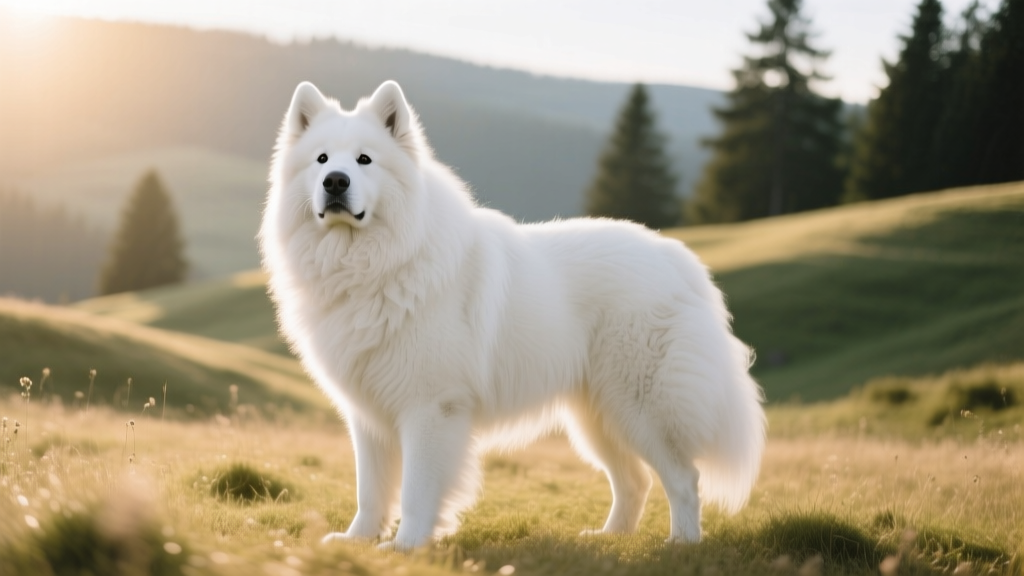
Quick Answer: Big white dogs like the Great Pyrenees, Kuvasz, Maremma Sheepdog, and Akbash share their coloration and size for deeply rooted evolutionary and functional reasons. White coats provided camouflage among livestock flocks, signaling to predators that the dog was part of the herd rather than a threat. Large body size (typically 75–150 lb / 34–68 kg) evolved to deter wolves and bears. These traits were shaped by centuries of selective breeding in mountainous and pastoral regions, not by coincidence. Modern research into canine coat color genetics confirms that specific gene loci — particularly the S-locus (piebald/white spotting) and the E-locus (recessive red/cream masking) — produce the white or near-white coats seen across these breeds.
The Genetics of White Coats in Large Dog Breeds
White or predominantly white coats in large guardian breeds are not random. They result from specific genetic mechanisms that canine geneticists have mapped in detail. According to research published in the National Institutes of Health, the S-locus (controlled by the MITF gene) governs white spotting patterns. When a dog inherits two copies of the extreme piebald allele (sp), the result is a coat that is almost entirely white, sometimes with small colored patches on the head or body.
Several large breeds also carry alleles at the E-locus (MC1R gene) that produce a cream or white phenotype by suppressing eumelanin (dark pigment) production in the coat. The Great Pyrenees, for instance, typically carries the recessive e/e genotype, which produces a cream-to-white coat regardless of what other color genes are present.
Key Genetic Loci Behind White Coats
| Gene Locus | Gene Name | Effect | Breeds Commonly Affected |
|---|---|---|---|
| S-locus | MITF | Extreme piebald / near-total white | Samoyed, Kuvasz, Maremma |
| E-locus | MC1R | Recessive red/cream masking dark pigment | Great Pyrenees, Akbash |
| A-locus | ASIP | Agouti signaling — can lighten base coat | Various guardian breeds |
| K-locus | CBD103 | Dominant black suppression (interacts with E) | Some Komondor lines |
Source: Canine coat color genetics research, NIH/NCBI.
What makes big white dogs scientifically interesting is that multiple breeds developed white coats independently — a phenomenon called convergent evolution under artificial selection. Shepherds in the Pyrenees Mountains, the Hungarian plains, the Italian Maremma region, and the Anatolian highlands all selected for white dogs, but from different founding populations. This tells us the selection pressure was functional, not cosmetic.
Evolutionary Basis: Why White Coats and Large Size Evolved Together
Ancestral Context: Wolves — the ancestors of all domestic dogs — are typically gray, brown, or black. White coats are rare in wild canids because they provide poor camouflage in forest and tundra environments. So why would early pastoralists deliberately breed for white?
The answer lies in the specific ecological niche these dogs occupied. Livestock guardian dogs (LGDs) were selected to live among flocks of sheep or goats for extended periods, often without human supervision. Their job was not to herd (which requires chasing behavior derived from the predatory motor sequence) but to protect by blending in, patrolling, and confronting predators when necessary.
White coats served two critical functions in this context:
- Flock camouflage: A white dog resting among white sheep is nearly invisible to a wolf or bear scanning from a distance. This allowed the guardian to remain undetected until a predator approached closely enough to be confronted.
- Human identification: In low-light conditions (dawn, dusk, fog), shepherds could distinguish their white guardian dogs from the typically darker-colored wolves and bears approaching the flock. This reduced the risk of accidentally shooting or injuring the dog during predator confrontations.
Large body size — typically 80–150 lb (36–68 kg) in males — evolved as a direct countermeasure against the predators these breeds were expected to face: gray wolves (60–145 lb / 27–66 kg), brown bears (300–860 lb / 136–390 kg), and large felids like the Iberian lynx or Eurasian lynx. A Great Pyrenees male at 100–130 lb (45–59 kg) can physically challenge a wolf, and its thick double coat provides additional protection against bites to the neck and torso.
Physiology of Guardian Behavior: How Big White Dogs Process Threats
The behavioral profile of big white guardian breeds differs significantly from herding breeds or companion dogs, and the differences are rooted in neurobiology and hormonal regulation.
Research on livestock guardian breeds shows that these dogs exhibit reduced predatory motor sequence completion. In a typical wolf or predatory dog, the behavioral chain runs: orient → eye → stalk → chase → grab-bite → kill-bite → dissect → consume. In LGDs, centuries of selective breeding have suppressed the chase, grab, and kill phases while preserving the orient, eye, and stalk phases — allowing the dog to detect and monitor predators without triggering a chase response toward the livestock it protects.
Neurochemical Profile of Guardian Breeds
- Higher baseline serotonin levels compared to herding breeds, correlating with lower reactivity and greater impulse control (studies referenced in the Merck Veterinary Manual).
- Lower cortisol reactivity to novel stimuli, meaning these dogs are physiologically slower to enter a fight-or-flight state.
- Elevated oxytocin receptor density in some LGD lines, associated with strong social bonding to flock members (including human families in modern pet contexts).
- Delayed maturity of the prefrontal cortex, which governs decision-making — guardian breeds often do not reach full behavioral maturity until 2.5–3 years of age, compared to 1–1.5 years for smaller breeds.
This neurochemical profile means that a Great Pyrenees or Kuvasz processes a potential threat differently than, say, a Border Collie or German Shepherd. The guardian breed is more likely to assess the situation, position itself between the threat and its "flock," and escalate only if the threat persists — rather than immediately chasing or attacking.
Big White Dog Breeds Compared: Size, Temperament, and Health Data
| Breed | Weight (lb/kg) | Height (in/cm) | Lifespan | Origin Region | Primary Health Concerns |
|---|---|---|---|---|---|
| Great Pyrenees | 85–130 lb / 39–59 kg | 25–32 in / 64–81 cm | 10–12 years | France/Spain (Pyrenees Mtns) | Hip dysplasia, osteosarcoma, bloat |
| Kuvasz | 70–115 lb / 32–52 kg | 26–30 in / 66–76 cm | 10–12 years | Hungary | Hip dysplasia, degenerative myelopathy |
| Maremma Sheepdog | 65–100 lb / 30–45 kg | 24–29 in / 60–73 cm | 11–13 years | Italy (Abruzzo/Maremma) | Joint issues, bloat |
| Akbash | 75–140 lb / 34–64 kg | 27–34 in / 68–86 cm | 10–11 years | Turkey (Anatolia) | Hip dysplasia, cruciate ligament tears |
| Samoyed | 35–65 lb / 16–30 kg | 19–24 in / 48–60 cm | 12–14 years | Russia (Siberia) | Diabetes, progressive retinal atrophy, hip dysplasia |
| Komondor | 80–135 lb / 36–61 kg | 25–31 in / 64–78 cm | 10–12 years | Hungary | Hip dysplasia, bloat, entropion |
Weight and height ranges per AKC breed standards. Lifespan data from breed health surveys.
Practical Implications for Owners of Big White Dogs
Understanding the science behind these breeds translates into specific daily management needs that many first-time owners underestimate.
Exercise and Space Requirements
Despite their size, most LGD breeds have moderate exercise needs — typically 45–60 minutes of daily walking plus access to a securely fenced yard. However, "moderate" is misleading: these dogs were bred to patrol large territories. A Great Pyrenees in a suburban yard may develop pacing or fence-walking behaviors if it cannot survey a sufficiently large area. Minimum recommended fence height is 6 feet (1.8 m), as some individuals will attempt to scale shorter barriers when they detect perceived threats (wildlife, unfamiliar dogs) on the other side.
Grooming Demands of Double White Coats
The white double coat of breeds like the Great Pyrenees and Samoyed consists of a dense, woolly undercoat and a longer, weather-resistant outer coat. These coats shed heavily year-round with two major "blow-out" periods (spring and fall) lasting 2–4 weeks each. During blow-out season, daily brushing with an undercoat rake is necessary. Professional grooming costs average $60–$120 per session for large breeds, with 4–6 sessions per year recommended for coat maintenance.
Barking as a Guardian Behavior
Nighttime barking is one of the most commonly reported behavioral challenges in big white guardian breeds. This is not a flaw — it is the breed performing its evolved function. LGDs bark to warn predators away from their territory, and they are most active at dawn and dusk when predators historically hunted. In a suburban setting, this can mean barking at passing cars, neighborhood cats, or delivery trucks between 10 PM and 5 AM. Positive reinforcement training can reduce excessive barking, but eliminating it entirely is neither realistic nor fair to the dog's instincts.
Owner Action Checklist
- Budget $1,500–$3,000 annually for food (these dogs eat 4–6 cups of high-quality kibble daily), grooming, and preventive veterinary care.
- Install a 6-foot fence minimum — invisible/electric fences are ineffective for guardian breeds, whose pain tolerance and territorial drive override the deterrent.
- Begin socialization before 16 weeks of age to prevent over-protectiveness toward visitors. Expose the puppy to 50+ different people in varied contexts.
- Schedule orthopedic screening (hip/elbow X-rays) at 12–18 months. PennHIP or OFA certification costs $200–$400 and identifies dysplasia early.
- Use raised feeding stations cautiously — while once recommended for bloat prevention, recent research suggests they may actually increase bloat risk. Consult your veterinarian for breed-specific guidance.
Common Misconceptions About Big White Dogs
| Myth | Fact (Backed by Science) |
|---|---|
| "White dogs are always deaf" | Congenital deafness is linked to the extreme piebald (sp/sp) genotype and lack of pigment in the inner ear, but prevalence varies widely. In Dalmatians (extreme piebald), ~8% are bilaterally deaf. In Great Pyrenees, the rate is estimated below 2%. BAER testing ($50–$100) can confirm hearing status. |
| "Big white dogs are lazy" | LGD breeds have low play drive but high patrol drive. They may sleep 12–14 hours during the day but become highly active at night. Total daily movement often matches more "active" breeds when nighttime activity is counted. |
| "They don't need training because they're calm" | Guardian breeds require structured, positive-reinforcement training starting in puppyhood. Their independent decision-making (bred to work without human direction) can manifest as stubbornness or selective hearing if not channeled early. |
| "White coats mean albinism" | True albinism (complete absence of melanin) is extremely rare in dogs. Big white dogs have normal melanin production in their eyes, nose, and skin — their coat color results from pigment distribution genes, not melanin absence. |
| "All big white dogs are the same breed" | There are at least 10 distinct recognized breeds that are predominantly white and large, each with different origins, temperaments, and health profiles. A Kuvasz and a Samoyed share color but differ by 40–70 lb in weight and 12,000 years of separate breeding history. |
When Guardian Behavior Signals a Problem
While protective instincts are normal in big white guardian breeds, certain behavioral shifts warrant veterinary or professional behavioral consultation:
- Sudden aggression toward family members: This may indicate pain (orthopedic issues are common in large breeds), neurological conditions, or hypothyroidism. Schedule a veterinary exam including a full thyroid panel ($150–$300).
- Compulsive pacing or fence-running exceeding 4 hours daily: This may signal under-stimulation, anxiety, or canine compulsive disorder (CCD), which has a neurological basis similar to OCD in humans.
- Failure to bond with any person or animal: While LGDs are more independent than companion breeds, complete social withdrawal by 6 months of age should prompt evaluation by a certified veterinary behaviorist.
- Resource guarding of food, toys, or spaces: This is not typical guardian behavior and indicates a behavioral issue that responds well to counter-conditioning and desensitization protocols with a certified force-free trainer.
If you observe any of these signs, consult your veterinarian before assuming the behavior is simply "part of the breed." Early intervention with positive reinforcement methods yields the best outcomes.
Frequently Asked Questions About Big White Dogs
Why do big white dogs bark so much at night?
Nighttime barking is an evolved guardian behavior. In their ancestral role, these dogs patrolled flock perimeters during hours of peak predator activity (dusk through dawn). Barking serves as a territorial warning — most predators will avoid an area where they hear a large dog vocalizing. In a home environment, this instinct persists even without livestock to protect. You can reduce nighttime barking by bringing the dog indoors, providing white noise to mask outdoor sounds, and ensuring adequate daytime physical and mental stimulation.
Can big white dogs live in apartments?
Technically, some individuals adapt, but it is not recommended for most. These breeds were selected for large territorial ranges (often 50–200 acres in working contexts). Apartment living restricts their patrol instinct and can lead to frustration-based behaviors including excessive barking, pacing, and destructiveness. Minimum recommended living space is a home with a securely fenced yard of at least 1/4 acre (1,000 m²).
How do big white dogs process threats differently from other breeds?
Guardian breeds have a modified threat-response sequence. Instead of the immediate fight-or-flight response seen in terriers or herding dogs, LGDs typically follow a graduated escalation: alert posture → vocalization (barking) → positioning between threat and protected group → physical confrontation only if the threat advances. This is mediated by their lower cortisol reactivity and higher serotonin baselines, which give them a longer "decision window" before engaging physically.
Is it normal for my big white dog to be aloof with strangers?
Yes. Wariness of unfamiliar people is a breed-typical trait in LGDs, not a sign of poor socialization (provided the dog is not fearful or aggressive). These dogs were bred to accept only their family and flock as "safe" while remaining suspicious of outsiders — a trait that protected livestock from human thieves as well as animal predators. Proper socialization ensures the dog can tolerate strangers calmly, but you should not expect a Great Pyrenees or Kuvasz to greet visitors with the enthusiasm of a Golden Retriever.
How is owning a big white guardian dog different from owning other large breeds?
The key differences are independence, nocturnal activity patterns, and lower trainability for obedience tasks. Unlike a Labrador Retriever or German Shepherd, which were bred to take direct commands from humans, LGDs were bred to make autonomous decisions. This means they excel at tasks requiring judgment (protecting a flock) but often struggle with repetitive obedience drills. Training success improves when you frame commands as cooperative rather than directive — using positive reinforcement and giving the dog choices within structured boundaries.
What does it mean when my big white dog leans against me or blocks doorways?
Leaning and body-blocking are flock-guarding behaviors redirected toward human family members. Your dog is positioning itself to monitor your environment and physically shield you from perceived threats. While endearing, doorway blocking can become problematic if the dog begins to prevent certain family members or visitors from entering rooms. Address this with positive reinforcement — reward the dog for moving to a designated mat or bed on cue, rather than using force or aversive methods.
Sources Referenced
- Karlsson, E.K. et al. "Genome-wide analyses implicate genes in the melanogenesis pathway in dog coat color variation." NIH/NCBI, PMC2714435.
- Coppinger, R. & Coppinger, L. Dogs: A Startling New Understanding of Canine Origin, Behavior & Evolution. Scribner, 2001 — foundational work on LGD predatory motor sequence modification.
- American Kennel Club Breed Standards — weight, height, and temperament data for recognized guardian breeds.
- Merck Veterinary Manual: Overview of Dog Behavior — neurochemical and behavioral reference.
Anouk Beaumont
All our authors care for dogs every day — read more of their work on the authors page.


