Big Short Haired Dogs: The Science of Coat Biology, Heat...
Explore the canine science behind big short haired dogs — coat genetics, thermoregulation, evolutionary origins, and what owners need to know about care.
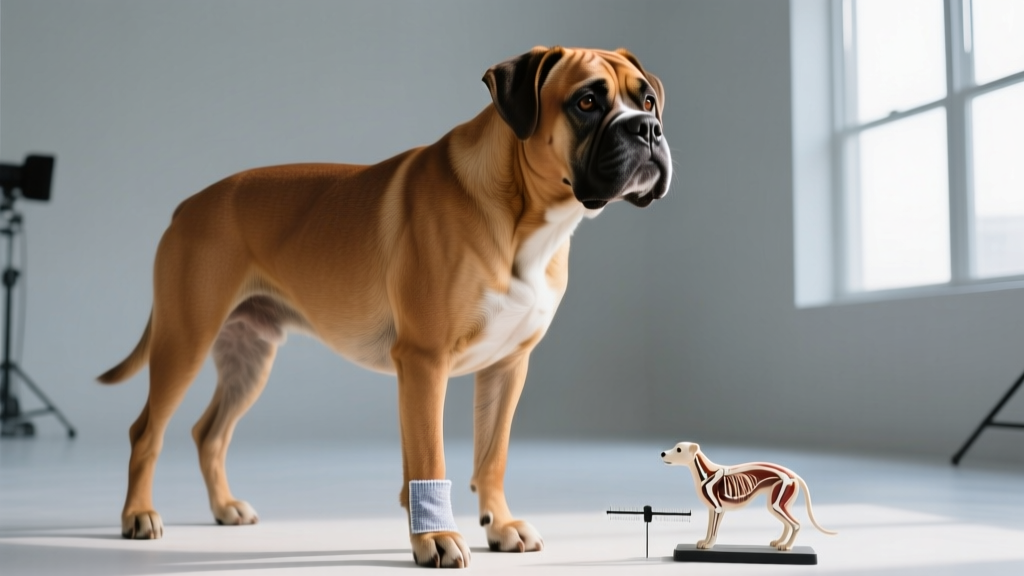
Quick Answer: What Makes Big Short Haired Dogs Unique?
Big short haired dogs — breeds like the Great Dane, Boxer, Doberman Pinscher, Vizsla, and Weimaraner — share a genetic signature centered on the FGF5 gene variant that produces short coats, combined with large-body genetics that affect how they regulate temperature. Their short, single-layered coats shed year-round rather than seasonally, and their large body mass creates unique thermoregulation challenges: they absorb heat faster in summer and lose it faster in cold weather than smaller dogs. Understanding the science behind their coat and body size helps owners make better decisions about exercise timing, climate protection, grooming, and health monitoring.
Why Do Big Short Haired Dogs Have Such Short Coats?
The Genetics of Short-Haired Coats
Coat length in dogs is primarily controlled by variants in the fibroblast growth factor 5 (FGF5) gene. Research published in the journal Genetics (Cadieu et al., 2009) identified that a single nucleotide polymorphism (SNP) in FGF5 is responsible for the short-coat phenotype across nearly all short-haired dog breeds. Dogs homozygous for the ancestral (wild-type) FGF5 allele produce short, straight hair; long-coat variants arose as mutations that disrupt the hair growth termination signal, allowing follicles to remain in the anagen (growth) phase longer.
In practical terms, short hair in big breeds like the Rhodesian Ridgeback, Mastiff, and Greyhound means each individual hair shaft grows to approximately 1–2 cm before shedding, compared to 10–30+ cm in long-coated breeds. The hair cycle (anagen → catagen → telogen → exogen) completes faster, resulting in continuous low-level shedding rather than dramatic seasonal "blowing" of the coat.
Beyond FGF5, two additional genes influence coat texture and furnishings:
- RSPO2 — controls the presence of "furnishings" (eyebrows, mustache). Big short haired dogs are typically homozygous for the ancestral (non-furnished) allele.
- KRT71 — determines curl. Most big short haired breeds carry the straight-coat variant.
The combination of short + straight + non-furnished produces the sleek, low-maintenance coat seen in breeds from the Boxer to the Cane Corso.
Evolutionary Context: Why Did Short Coats Develop?
From Wolf Ancestors to Modern Breeds
Ancestral wolves (Canis lupus) possess a double coat — a dense, insulating undercoat beneath longer guard hairs — optimized for cold-climate survival. Short-coated variants likely emerged in wolf populations in warmer regions (sub-Saharan Africa, the Middle East, South Asia) where a dense undercoat created dangerous heat retention.
When early humans domesticated dogs, those in tropical and subtropical regions selectively favored short-coated animals for working roles: sighthounds chasing prey in desert heat (Saluki, Azawakh), livestock guardians in Mediterranean climates (Cane Corso, Mastiff), and scent hounds tracking through dense brush (Vizsla, Weimaraner). Short coats reduced parasite load (ticks and fleas are easier to spot and remove), prevented matting in thorny terrain, and improved heat dissipation during sustained physical exertion.
According to the Merck Veterinary Manual, coat type genetics represent some of the earliest traits humans selected for during domestication, predating modern breed formation by thousands of years.
How Do Big Short Haired Dogs Regulate Body Temperature?
This is where the intersection of body size and coat type creates a physiological profile distinct from small short haired dogs (like Chihuahuas) or big double-coated dogs (like Malamutes).
Thermoregulation Mechanisms
Dogs dissipate heat through four primary pathways:
- Panting (evaporative cooling) — moisture evaporation from the tongue, nasal mucosa, and upper respiratory tract. This is the dominant cooling mechanism, responsible for approximately 60–80% of heat loss in dogs during exercise.
- Vasodilation — blood vessels near the skin surface dilate to radiate heat. Short-coated dogs have an advantage here: less hair insulation means more efficient radiant heat loss through the skin.
- Conduction — direct heat transfer when lying on cool surfaces. Big dogs have a lower surface-area-to-volume ratio, making conduction proportionally less effective than in small dogs.
- Minimal sweating — dogs have merocrine sweat glands only in their paw pads, contributing negligible cooling.
What This Means for Owners
| Factor | Big Short Haired Dog Impact | Owner Action |
|---|---|---|
| Heat absorption | Large dark-coated dogs (e.g., black Dobermans) absorb solar radiation rapidly; body mass stores heat longer | Exercise before 8 AM or after 7 PM in summer; provide shade; use cooling vests (e.g., Ruffwear Swamp Cooler, $55–$75) |
| Cold sensitivity | No insulating undercoat + low surface-area-to-volume ratio = rapid heat loss below 45°F (7°C) | Insulated coats for winter walks below 40°F (4°C); limit outdoor time to 15–20 min in freezing weather |
| Shedding pattern | Year-round low-level shedding; short stiff hairs embed in fabric | Weekly rubber-brush grooming (e.g., Kong ZoomGroom, $12–$15); lint rollers for furniture; washable throws on dog areas |
| Skin exposure | Minimal coat protection from UV, insect bites, and abrasions | Dog-safe sunscreen (SPF 30+, zinc-oxide-free) on nose, ear tips, and belly for light-colored dogs; check for scrapes after brush hikes |
The Surface-Area-to-Volume Ratio Problem
This is a core physics principle (Kleiber's Law) that directly affects big short haired dogs. A 150 lb (68 kg) Great Dane has proportionally less skin surface relative to its internal volume compared to a 20 lb (9 kg) Beagle. This means:
- Heating up: The Great Dane's large muscle mass generates significant metabolic heat during exercise, and the relatively smaller skin surface cannot dissipate it as quickly. Overheating risk is higher.
- Cooling down: Once overheated, a big dog takes longer to return to normal core temperature (101–102.5°F / 38.3–39.2°C) than a small dog.
- Cold exposure: The same ratio means big dogs lose heat more slowly than small dogs — but without an insulating undercoat, short haired large breeds still become hypothermic faster than double-coated large breeds (e.g., Newfoundland, Bernese Mountain Dog).
Common Misconceptions About Big Short Haired Dogs
| Myth | Scientific Fact |
|---|---|
| "Short haired dogs don't shed much." | Short haired breeds shed continuously. The hairs are shorter but stiff, and they weave into fabric fibers aggressively. Boxer and Dalmatian owners often report more clothing contamination than Golden Retriever owners. |
| "Short haired dogs are hypoallergenic." | No dog breed is truly hypoallergenic. The primary canine allergen, Can f 1, is produced in saliva and sebaceous gland secretions, not in hair itself. Short haired dogs spread less dander-trapped allergen through the air, but direct contact still triggers reactions in sensitized individuals. |
| "Big short haired dogs can't handle cold at all." | They tolerate moderate cold (45–55°F / 7–13°C) reasonably well during active exercise due to high metabolic heat output. The danger zone is prolonged inactivity in temperatures below 40°F (4°C), especially for lean breeds like Greyhounds and Whippets with less than 15% body fat. |
| "Short coats need zero grooming." | Short coats still accumulate dirt, lose natural oils, and develop skin conditions. Weekly brushing distributes sebum, removes dead hair, and lets you spot early signs of demodicosis (mange), hot spots, or tumors — which are harder to detect under thick double coats. |
| "Short haired dogs are always warmer in summer." | Short coats actually aid heat dissipation through the skin via vasodilation and convection. The real risk factor for heatstroke is body mass + brachycephalic anatomy (e.g., Boxers, Mastiffs), not coat length. Mesocephalic and dolichocephalic short haired breeds (Vizsla, Greyhound) dissipate heat quite efficiently. |
When Coat or Skin Changes Signal a Health Problem
Because big short haired dogs have minimal coat coverage, their skin is a highly visible diagnostic canvas. Changes you should monitor and report to your veterinarian include:
- Patchy hair loss (alopecia): Symmetric thinning on the flanks may indicate color dilution alopecia (common in blue Dobermans and fawn Boxers) or hypothyroidism. Asymmetric patches suggest demodectic mange or ringworm.
- Hyperpigmentation: Darkening skin on the belly or armpits often signals chronic allergy (atopic dermatitis) or endocrine disorders like Cushing's disease.
- Lumps and masses: Easily palpable on short-coated dogs. Mast cell tumors are prevalent in Boxers; lipomas are common in older Labs and large breeds. Any new mass should be aspirated by a vet — fine needle aspirate costs typically range from $75–$150.
- Excessive scaling or flaking: May indicate sebaceous adenitis (reported in Vizslas), zinc-responsive dermatosis, or essential fatty acid deficiency.
- Pressure calluses: Thickened, hairless patches on elbows and hocks are common in giant breeds (Great Danes, Mastiffs) that lie on hard surfaces. Provide orthopedic bedding (memory foam beds, $80–$200) to prevent bursitis progression.
Red Flags — Consult Your Veterinarian Promptly
- Rapidly expanding bald patches, especially with redness or crusting
- Any new lump that grows over 2–4 weeks or changes texture
- Skin that feels hot to the touch with a foul odor (possible bacterial pyoderma)
- Excessive scratching combined with ear inflammation (otitis externa is common in floppy-eared short haired breeds like Boxers and Basset Hounds)
- Open sores or ulcers that don't heal within 7–10 days
This article provides educational information only. Always consult your veterinarian for diagnosis and treatment of skin conditions.
Breed Variations Among Big Short Haired Dogs
| Breed | Weight (lb/kg) | Coat Notes | Climate Sensitivity | Key Skin/Coat Health Concern |
|---|---|---|---|---|
| Great Dane | 110–175 lb / 50–79 kg | Very short, dense, single coat; moderate shedding | Heat moderate risk; cold sensitive below 40°F | Pressure calluses; zinc-responsive dermatosis |
| Boxer | 50–80 lb / 23–36 kg | Short, smooth, tight to body; year-round shedding | High heat risk (brachycephalic); cold sensitive | Mast cell tumors; demodicosis; atopic dermatitis |
| Doberman Pinscher | 60–100 lb / 27–45 kg | Short, smooth, may have slight undercoat on neck | Cold sensitive (low body fat); moderate heat tolerance | Color dilution alopecia (blue/fawn); follicular dysplasia |
| Vizsla | 45–65 lb / 20–29 kg | Short, dense, no undercoat; very low shedding | Cold sensitive below 45°F; good heat tolerance | Sebaceous adenitis; epilepsy-linked coat changes |
| Rhodesian Ridgeback | 70–85 lb / 32–39 kg | Short, dense, sleek; minimal shedding | Good heat tolerance (African origin); cold sensitive | Dermoid sinus (congenital neural tube defect along spine) |
| Weimaraner | 55–90 lb / 25–41 kg | Short, smooth, solid grey; moderate shedding | Cold sensitive (lean build); moderate heat tolerance | Lipomas; color dilution alopecia (rare) |
| Cane Corso | 90–120 lb / 41–54 kg | Short, stiff, dense with light undercoat | Moderate heat risk (large mass); tolerates cool weather | Demodicosis; cherry eye; skin fold dermatitis |
How Is Coat Biology Different Between Dogs and Humans?
Understanding these differences explains why human hair care logic doesn't apply to your dog:
- Hair vs. fur growth cycles: Human scalp hair has an anagen phase lasting 2–7 years, growing continuously. Dog hair (including short coats) has an anagen phase of only 30–90 days before entering telogen and shedding. This is why a dog's coat never "grows out" like human hair.
- Compound follicles: Dogs have compound hair follicles — one primary (guard) hair surrounded by 3–15 secondary (undercoat) hairs emerging from a single pore. Humans have simple follicles (one hair per pore). Short haired breeds have fewer secondary hairs per follicle, which is why they lack a visible undercoat.
- Sebaceous gland density: Dogs have sebaceous glands attached to every hair follicle, producing sebum that waterproofs and conditions the coat. Over-bathing strips these oils — for short haired dogs, bathing every 6–8 weeks with a pH-balanced canine shampoo (pH 6.5–7.5) is generally sufficient unless medically indicated.
- Arrector pili muscles: Dogs can "raise" their hair (piloerection) along the spine and tail via tiny muscles attached to follicles. This creates an insulating air layer in cold weather and makes the dog appear larger during threat displays. Short haired dogs show this visibly as "hackles up" — a common communication signal in breeds like German Shorthaired Pointers and Rhodesian Ridgebacks.
Related Behaviors and Abilities Linked to Coat and Size
- Sunbathing behavior: Big short haired dogs seek direct sunlight more than double-coated breeds. Dark-coated dogs absorb infrared radiation efficiently, using solar warmth to maintain body temperature without metabolic energy expenditure. This is thermoregulatory behavior, not laziness.
- Burrowing and blanket-seeking: Breeds like Vizslas, Weimaraners, and Boxers are notorious "blanket burrowers." This is compensatory thermoregulation — seeking insulation their coat doesn't provide. Providing a dedicated burrowing blanket (fleece or Sherpa, $20–$40) satisfies this instinct.
- Lean-against behavior: Many big short haired dogs (Great Danes, Boxers, Greyhounds) press their body against their owner. While often interpreted as affection, this also serves a thermal function — your body is a 98.6°F (37°C) heat source, and conductive warmth transfer through minimal coat insulation is highly effective.
- Post-swim shake efficiency: Short coated dogs shed water more efficiently than long coated dogs. Research from Georgia Tech's Hu & Dickinson (2012) demonstrated that mammals shake at frequencies tuned to body size, and shorter fur allows faster water ejection. Your Boxer dries in minutes; a Golden Retriever takes much longer.
Practical Care Framework for Big Short Haired Dogs
Seasonal Care Checklist
Spring/Summer (Above 70°F / 21°C)
- Exercise in early morning or evening; avoid midday sun on pavement (test with bare hand — if too hot for 7 seconds, too hot for paws)
- Apply dog-safe sunscreen to pink skin on nose, ear tips, groin
- Provide constant access to shade and fresh water; consider a cooling mat ($25–$50)
- Watch for heatstroke signs: excessive panting, drooling, glazed eyes, stumbling — core temp above 104°F (40°C) is an emergency
- Check for ticks daily after outdoor activity; short coats make visual inspection easy
Fall/Winter (Below 50°F / 10°C)
- Fit an insulated jacket for walks below 40°F (4°C) — brands like Hurtta ($70–$100) and Ruffwear offer breed-specific sizing
- Limit outdoor time to 15–20 minutes in temperatures below 32°F (0°C)
- Moisturize paw pads with paw balm ($8–$15) to prevent cracking from cold, dry air and de-icing salts
- Provide a raised, insulated bed — big dogs lose significant heat through conduction on cold floors
- Monitor for shivering, tucked tail, and reluctance to go outside — these signal cold stress
Year-Round
- Weekly brushing with a rubber curry brush or grooming mitt
- Bathe every 6–8 weeks or as needed with canine-formulated shampoo
- Full-body skin check monthly — palpate for lumps, check for color changes, note any new bald spots
- Omega-3 fatty acid supplement (fish oil, 75–100 mg EPA+DHA per kg body weight daily) supports skin barrier function and coat shine — consult your veterinarian before starting any supplement
Frequently Asked Questions
Is it normal for my big short haired dog to shiver?
Occasional shivering in cold environments is a normal thermoregulatory response. However, persistent shivering at room temperature (68–72°F / 20–22°C) can indicate pain, anxiety, hypoglycemia, or neurological issues. If your dog shivers indoors without an obvious trigger, consult your veterinarian.
Can big short haired dogs get sunburned?
Yes. Light-colored and white-coated big short haired dogs (white Boxers, pale Weimaraners) are highly susceptible to solar dermatitis and squamous cell carcinoma on unpigmented skin. Apply zinc-oxide-free canine sunscreen (SPF 30+) to exposed areas before prolonged sun exposure.
How do big short haired dogs sense temperature changes?
Dogs have thermoreceptors distributed throughout their skin, with higher density on the nose, paw pads, and ear pinnae. Short haired dogs may detect ambient temperature shifts faster than double-coated breeds because their skin thermoreceptors are less insulated. The hypothalamus integrates these signals and triggers panting, vasodilation, or shivering responses.
What does it mean when my short haired dog's hackles go up?
Piloerection (raised hackles) along the spine is an involuntary autonomic nervous system response, similar to goosebumps in humans. It indicates heightened arousal — which can be excitement, fear, uncertainty, or aggression. Context matters: hackles during play are normal; hackles with a stiff body, hard stare, and low growl signal potential reactivity.
Is shedding from short haired dogs worse than long haired dogs?
"Worse" depends on your definition. Short haired dogs shed less total volume but their stiff, short hairs embed deeply in upholstery, car interiors, and dark clothing — making them harder to remove. Long haired dogs shed more visible hair but it's easier to pick up. Many owners find short hair more frustrating to manage despite lower volume.
Can big short haired dogs swim well?
It varies by breed. Athletic mesocephalic breeds like Vizslas and Weimaraners are generally strong swimmers. Brachycephalic breeds (Boxers, Bulldogs) struggle due to airway obstruction and front-heavy body proportions. All dogs should be introduced to water gradually, and a canine life jacket ($30–$60) is recommended for any dog swimming in open water, regardless of coat type.
Aaron Whyte
All our authors care for dogs every day — read more of their work on the authors page.


