Apso Dog Breeds: The Science Behind Their Ancient Sentinel Behavior
Explore the canine science behind apso dog breeds — from Lhasa Apso to Tibetan Terrier — including their evolutionary sentinel behavior, physiology, and owner guidance.
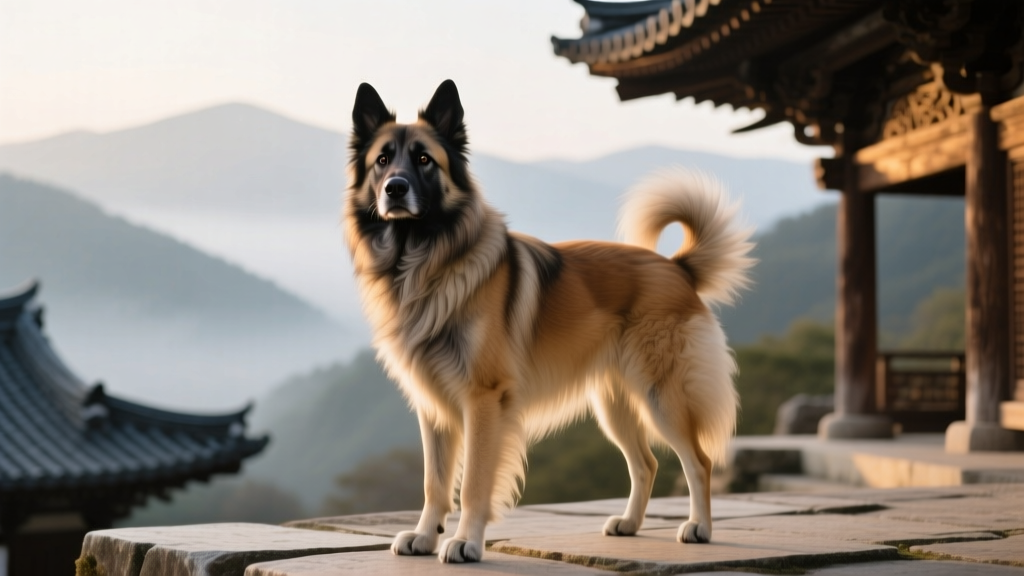
Quick Answer: What Makes an Apso Dog Unique?
Apso dogs — primarily the Lhasa Apso, but also the related Tibetan Terrier (historically called "Tsang Apso") — are ancient sentinel breeds developed over roughly 2,000 years in Himalayan monasteries. Their defining behavioral trait is alert barking combined with wariness of strangers, a trait shaped by both natural selection at extreme altitude and deliberate human breeding for indoor watchdog duty. Modern behavioral genetics research confirms these breeds carry distinct genetic lineages separate from most Western breeds, and their sentinel behavior is rooted in a neurologically heightened threat-assessment response rather than simple "stubbornness" or aggression.
The Apso Dog Lineage: What Science Tells Us About Their Origins
The term "Apso" comes from the Tibetan word rapso (རབ་བསོ), meaning "goat-like" — a reference to the breed's shaggy, corded coat resembling Tibetan goat hair. The American Kennel Club recognizes the Lhasa Apso as the primary breed carrying this name, though the Tibetan Terrier shares the same ancestral gene pool and was historically referred to as "Tsang Apso" in its native region.
A landmark 2004 genetic study published in the Journal of the American Veterinary Medical Association and subsequent research by Parker et al. (2017) in Cell Reports classified the Lhasa Apso among the basal breeds — those with genetic profiles closest to the ancestral wolf-dog divergence point. This means apso dogs diverged from the main canine family tree earlier than most modern breeds, retaining genetic markers that predate the Victorian-era breed standardization that reshaped European dogs.
Genetic Clustering of Apso Breeds
Genomic analysis places apso-type breeds in the Asian Spitz and Aboriginal cluster, closely related to:
- Shar-Pei — shared East Asian basal lineage
- Shiba Inu / Akita — convergent sentinel traits from separate geographic selection
- Chow Chow — common ancestral Central/East Asian gene pool
- Tibetan Mastiff — geographic proximity and probable historical gene flow in the Himalayan region
This genetic distinctiveness means apso dogs are not simply "small companion dogs" — they carry behavioral wiring shaped by millennia of natural and artificial selection in one of the harshest environments on Earth.
Evolutionary Basis: Why Sentinel Behavior Developed at Altitude
The Himalayan Selection Pressure
Tibetan monasteries at elevations of 10,000–16,000 feet faced unique pressures that shaped the apso dog's behavioral evolution:
- Predator threats: Snow leopards, Tibetan wolves, and brown bears posed constant danger to monastery livestock and stored food. Dogs that detected approaching threats early had higher survival rates.
- Resource scarcity: At extreme altitude, food was limited. Only dogs with efficient metabolisms and keen alertness (rather than energy-expensive aggression) were sustainable to keep.
- Indoor living: Unlike outdoor livestock guardians, apso dogs lived inside monastery buildings. This selected for dogs that could distinguish normal household sounds from genuine intrusions — a sophisticated auditory discrimination task.
- Low population density: Stranger encounters were rare and potentially dangerous. Wariness of unfamiliar humans was adaptive, not pathological.
Wolves, the ancestors of all domestic dogs, already possessed an innate alarm-calling system. When a wolf detects a potential threat, it produces a sharp bark to alert pack members before deciding whether to flee or confront. In apso dogs, this ancestral alarm-calling behavior was selectively amplified through roughly 2,000 years of breeding by Tibetan monks who deliberately chose dogs that barked at genuine threats but remained quiet during routine activity.
This is fundamentally different from the indiscriminate barking seen in some modern breeds where alarm behavior was never carefully selected. A well-bred apso dog's bark carries informational content — experienced owners learn to distinguish the "someone is approaching the door" bark from the "something is wrong outside" bark.
Physiological Mechanism: How the Apso Brain Processes Threats
The sentinel behavior in apso dogs is governed by a well-mapped neuroendocrine pathway involving the amygdala, hypothalamus, and adrenal axis — the same threat-processing circuit found in all mammals, but tuned to a different sensitivity threshold in sentinel breeds.
The Threat-Assessment Cascade
- Sensory detection: The dog's auditory cortex processes an unfamiliar sound. Apso dogs, bred for indoor sentry duty, show heightened sensitivity to sound frequencies between 1,000–4,000 Hz — the range of human footsteps, door handles, and muffled voices.
- Amygdala activation: The amygdala compares the sound against stored "safe" templates. In basal breeds, the threshold for novel-stimulus flagging appears to be lower, meaning unfamiliar sounds trigger evaluation faster.
- HPA axis engagement: If the stimulus is flagged as novel/potential threat, the hypothalamus triggers the pituitary-adrenal cascade, releasing cortisol and epinephrine. Heart rate increases, ears orient, and the dog moves to a vantage point.
- Behavioral output: The dog produces an alarm bark — acoustically distinct from play barks or attention-seeking vocalizations. Spectrographic analysis shows alarm barks have higher fundamental frequencies and shorter inter-bark intervals.
- Assessment loop: Unlike breeds selected for immediate physical confrontation (e.g., livestock guardian breeds), the apso dog typically maintains distance while continuing to bark, gathering more sensory data before escalating or retreating. This "bark-and-assess" pattern is the hallmark of sentinel behavior.
Research on canine behavioral neurology from the Merck Veterinary Manual notes that basal breeds often show elevated baseline cortisol compared to breeds selected for high sociability (like Golden Retrievers), which may explain the apso's characteristic watchfulness even in calm environments.
Practical Implications: Living With an Apso Dog's Sentinel Wiring
What This Means for Daily Life
| Scenario | Expected Apso Response | Owner Action |
|---|---|---|
| Delivery driver at door | Rapid alarm barking (5–15 barks), then pauses to assess | Acknowledge the alert calmly ("Thank you, I see them"), then redirect to a mat or bed with a treat |
| Guest entering the home | Circling at distance, sniffing, possible low growl if guest moves quickly | Have guest ignore dog initially; offer high-value treats (freeze-dried liver, boiled chicken) once dog approaches voluntarily |
| Unfamiliar dog on walk | Stiffening, fixed stare, possible leash reactivity at <15 feet | Increase distance to 25+ feet; use counter-conditioning (treat for looking at dog, then looking back at you) |
| Thunderstorm or fireworks | Pacing, panting, seeking enclosed spaces; may bark at each thunderclap | Provide a covered crate or closet space; consider an Adaptil diffuser ($25–$35) or Thundershirt ($40–$50); consult vet about trazodone for severe cases |
| Alone at home | Generally independent; lower separation anxiety risk than companion breeds | Still provide 20–30 minutes of enrichment before leaving (snuffle mat, frozen Kong); maintain consistent departure routine |
Training Approaches That Work With Sentinel Wiring
Because apso dogs were selected for independent decision-making (a sentinel dog that waits for human commands before barking at an intruder is useless), they respond poorly to repetitive drill-based training. Instead:
- Keep sessions to 5–8 minutes. Basal breeds show faster habituation to repeated stimuli, meaning they lose interest faster than gundogs or herding breeds.
- Use high-value rewards. Standard kibble treats often fail to compete with environmental stimuli. Use real meat (chicken, beef liver) or commercial freeze-dried treats (Stella & Chewy's, K9 Natural — approximately $8–$14 per 3.5 oz bag).
- Teach a "quiet" cue proactively. Rather than punishing barking (which can increase anxiety-driven vocalization), teach "enough" by marking the moment the dog stops barking with a clicker and delivering a treat. Expect 4–6 weeks of daily practice for reliable response.
- Socialize intensively between 8–16 weeks. The primary socialization window for puppies is well-documented in AVMA guidelines. For apso breeds, aim for 100+ positive stranger encounters during this window to prevent excessive wariness in adulthood.
Common Misconceptions About Apso Dog Behavior
| Myth | What the Science Actually Shows |
|---|---|
| "Apso dogs are stubborn and untrainable." | They were bred for independent judgment, not blind obedience. This is an adaptive trait, not a flaw. They learn quickly when training methods respect their decision-making style — using choice-based, positive reinforcement methods rather than repetitive commands. |
| "They bark at everything because they're yappy small dogs." | Sentinel barking is a functional behavior with specific triggers. A well-bred Lhasa Apso barks at genuine novel stimuli, not at routine household activity. Indiscriminate barking is more often a sign of under-stimulation, anxiety, or poor breeding than breed temperament. |
| "They don't like children." | Apso dogs are typically tolerant of children they're raised with, but their sentinel nature makes them reactive to sudden movements and loud noises — common features of toddler behavior. Supervised, structured interactions with children aged 8+ tend to work best. |
| "They're aggressive because they growl at strangers." | Growling in an apso dog is typically a distance-increasing signal — the dog is communicating discomfort, not initiating an attack. Punishing growling removes the dog's warning system and can lead to biting without prior signaling. |
| "All small Tibetan breeds are the same." | The Lhasa Apso (indoor sentinel), Tibetan Terrier (versatile herder/companion), and Tibetan Spaniel (lap companion/lookout) were bred for distinct roles with measurably different behavioral profiles. |
Breed Variations: Comparing the Apso Family
While "Apso" most directly refers to the Lhasa Apso, understanding the related Tibetan breeds helps owners contextualize behavior:
| Trait | Lhasa Apso | Tibetan Terrier (Tsang Apso) | Tibetan Spaniel |
|---|---|---|---|
| Weight | 12–18 lb / 5.4–8.2 kg | 18–30 lb / 8.2–13.6 kg | 9–15 lb / 4.1–6.8 kg |
| Height | 10–11 in / 25–28 cm | 14–17 in / 36–43 cm | 10 in / 25 cm |
| Primary historical role | Indoor sentinel | Herding, guarding, companion | Lap companion, monastery lookout |
| Stranger wariness | High | Moderate | Moderate |
| Alarm barking intensity | High (selective triggers) | Moderate | Low–Moderate |
| Exercise need | 20–30 min/day | 40–60 min/day | 15–20 min/day |
| Lifespan | 12–15 years | 15–16 years | 12–15 years |
When Sentinel Behavior Signals a Problem
While wariness and alert barking are normal apso traits, certain behavioral shifts warrant veterinary evaluation. Consult your veterinarian if you observe:
- Sudden increase in barking at previously ignored stimuli — may indicate hearing loss (the dog is startled by vibrations it can no longer fully identify), cognitive decline in senior dogs, or anxiety disorders. Baseline veterinary exam including otoscopic ear exam and thyroid panel costs approximately $150–$300.
- Barking accompanied by trembling, hiding, or refusal to eat — suggests the behavior has crossed from functional alerting into fear/anxiety territory. This may benefit from behavioral medication (fluoxetine, clomipramine) prescribed by your veterinarian alongside a behavior modification plan.
- Aggression that escalates to snapping or biting with minimal provocation — particularly if this is a new behavior in an adult dog. Rule out pain-related causes first (dental disease, orthopedic discomfort, and intervertebral disc disease are common in small breeds) before attributing to temperament.
- Compulsive barking patterns — barking at walls, shadows, or in repetitive cycles without apparent triggers. This can indicate canine compulsive disorder, which responds to SSRIs and environmental enrichment in approximately 60–70% of cases according to veterinary behavioral literature.
How Is Apso Sentinel Behavior Different From Humans?
Humans process threats primarily through the prefrontal cortex — we evaluate context, draw on abstract reasoning, and can override emotional responses with conscious thought. Dogs, including apso breeds, rely more heavily on the amygdala and olfactory system for threat detection, with less cortical "top-down" modulation.
Key differences:
- Speed: An apso dog can detect, process, and begin barking at an unfamiliar sound in approximately 0.5–1.5 seconds. Human auditory reaction time averages 0.17 seconds for simple detection, but our assessment of whether a sound is threatening takes considerably longer as we evaluate context.
- Sensory range: Dogs hear frequencies up to 45–65 kHz compared to humans' 20 kHz ceiling. Your apso dog may bark at ultrasonic stimuli you literally cannot perceive — electronic device whines, rodent vocalizations, or distant dog whistles.
- Olfactory threat detection: Dogs possess approximately 300 million olfactory receptors (humans have about 6 million) and a vomeronasal organ for detecting pheromones. An apso dog growling at a "stranger" may be responding to hormonal stress signals in that person's sweat that you cannot detect.
- Memory encoding: Dogs form strong associative memories around threat events. A single negative encounter with a person wearing a hat can generalize to all hat-wearers — a process called stimulus generalization that is more pronounced in dogs than in adult humans.
Related Behaviors and Cross-References
Understanding apso sentinel behavior connects to several other canine science topics:
- Leash reactivity: Sentinel breeds are overrepresented in leash reactivity cases, not because they're aggressive, but because the leash removes their preferred strategy of maintaining distance while assessing. See our guide on counter-conditioning for leash-reactive dogs.
- Territorial marking: Male apso dogs may combine sentinel barking with scent-marking behavior at property boundaries — a dual communication strategy (auditory + olfactory) common in basal breeds.
- Noise sensitivity: The heightened auditory processing that makes apso dogs excellent sentinels also predisposes them to noise phobias. Approximately 30–40% of sentinel breeds develop some degree of noise sensitivity by age 5.
- Resource guarding: The independent decision-making selected for in sentinel work can manifest as resource guarding in some individuals. This is manageable through desensitization protocols, not punishment.
References & Further Reading
- Parker, H.G., et al. (2017). "Genomic Analyses Reveal the Influence of Geographic Origin, Migration, and Hybridization on Modern Dog Breed Development." Cell Reports, 19(4), 697–708.
- Merck Veterinary Manual — Canine Behavioral Overview
- American Kennel Club — Lhasa Apso Breed Standard
- Overall, K.L. (2013). Manual of Clinical Behavioral Medicine for Dogs and Cats. Elsevier.
- Coren, S. (2004). "How Dogs Think: Understanding the Canine Mind." Free Press.
Frequently Asked Questions
Why do apso dogs bark so much?
Apso dogs bark as a functional sentinel behavior — their alarm barks communicate specific information about novel or approaching stimuli. They were deliberately bred by Tibetan monks to serve as indoor watchdogs that would alert without being aggressive. A well-bred apso barks at genuine triggers (strangers, unusual sounds), not indiscriminately. If your apso barks excessively at routine household activity, this may indicate under-stimulation or anxiety rather than normal breed temperament.
Can apso dogs be good family pets despite their wariness?
Yes. With proper socialization during the 8–16 week critical period and ongoing positive exposure, Lhasa Apsos and Tibetan Terriers integrate well into family life. They tend to bond deeply with their primary household members and are affectionate within the family unit. Their wariness is directed primarily at unfamiliar people, not at their own family. Expect 6–12 months of consistent socialization effort for an apso puppy to become comfortable with regular visitors.
How do apso dogs process threats differently from other breeds?
Apso dogs, as basal breeds, show a lower threshold for amygdala activation in response to novel stimuli compared to breeds selected for high sociability. They process threats through a "detect → bark → assess → decide" loop rather than the "detect → immediately engage" pattern seen in guardian breeds or the "detect → look to human for guidance" pattern seen in gundogs. This independent assessment loop is the defining feature of sentinel behavior.
What does it mean when my apso dog stares at the wall or door?
Occasional focused staring at a door or window is normal sentinel behavior — the dog has likely detected a sound or scent outside. However, prolonged staring at blank walls, especially in dogs over 10 years old, can be a sign of canine cognitive dysfunction (the canine equivalent of dementia). If staring episodes last more than 2–3 minutes, occur frequently, or are accompanied by disorientation or disrupted sleep-wake cycles, consult your veterinarian. Cognitive dysfunction affects an estimated 28% of dogs aged 11–12 years.
Is sentinel barking normal in apso puppies?
Yes. Apso puppies typically begin showing alert barking behavior between 10–16 weeks of age, coinciding with the development of mature auditory processing and the natural fear period that occurs around 8–11 weeks and again at 6–14 months. Early alarm barking should be acknowledged calmly and redirected, not punished. Punishing a puppy for alerting can create confusion and may lead to anxiety-based vocalization patterns in adulthood.
How is an apso dog's hearing different from mine?
Dogs hear frequencies from approximately 40 Hz to 45–65 kHz, compared to the human range of 20 Hz to 20 kHz. This means your apso dog can hear ultrasonic sounds that are completely inaudible to you — including high-frequency electronic emissions from appliances, distant dog barks, and rodent vocalizations within walls. They can also detect sounds at roughly four times the distance humans can. When your apso barks at "nothing," there is almost always an auditory stimulus you simply cannot perceive.
Dr. Hannah Wickes
All our authors care for dogs every day — read more of their work on the authors page.


