Canine Hunger & What Really Works
Discover the science behind appetite enhancers for dogs, how canine hunger signals work, evolutionary drivers of eating behavior, and evidence-based...
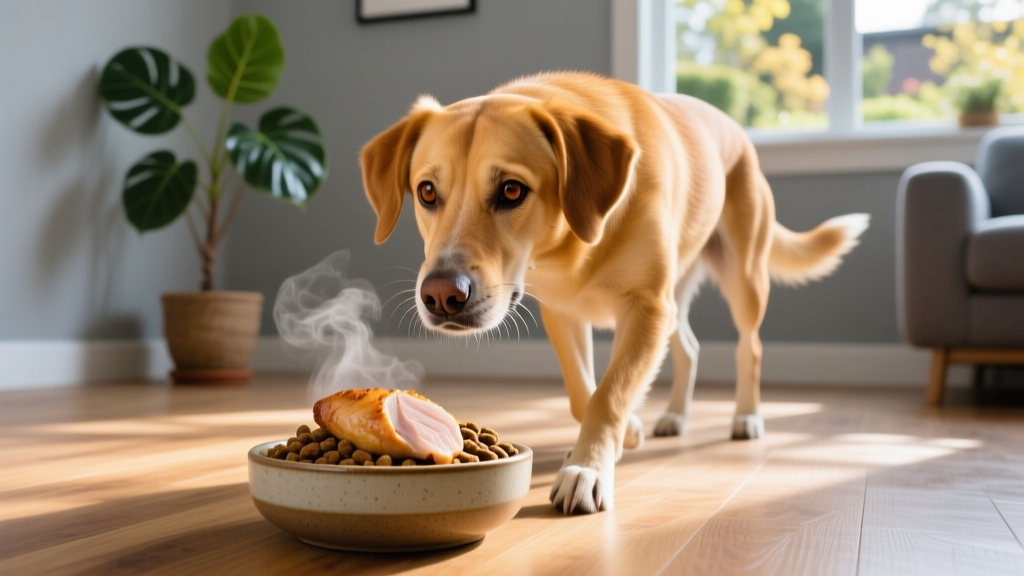
Quick Answer: What Is an Appetite Enhancer for Dogs?
An appetite enhancer for dogs is any substance, strategy, or environmental modification that stimulates a dog's desire to eat. These fall into three categories: pharmaceutical (prescription medications like capromorelin/Entyce® or mirtazapine), nutritional (food toppers, warmed broth, novel proteins), and behavioral (scheduled feeding, food puzzles, reduced stress at mealtimes). The right approach depends entirely on why your dog's appetite has declined — a picky eater needs a very different solution than a dog with underlying kidney disease. Always consult your veterinarian before starting any pharmaceutical appetite stimulant, as masking a symptom without treating the cause can delay critical diagnosis.
The Neurobiology of Canine Appetite: How Hunger Signals Actually Work
Understanding why a dog eats — or refuses to — requires looking at the complex interplay between the brain, gut, and endocrine system. Canine appetite regulation is governed by a network of hormones and neural pathways that, while sharing similarities with humans, have distinct features shaped by millions of years of carnivore evolution.
The Ghrelin-Leptin Axis in Dogs
Two primary hormones control the hunger-satiety cycle:
- Ghrelin — Produced primarily in the stomach fundus, ghrelin is the "hunger hormone." It rises before meals and drops after eating. In dogs, ghrelin secretion is influenced by meal timing, fasting duration, and even the anticipation of food. A 2018 study published in the Journal of Veterinary Internal Medicine found that canine ghrelin levels peak approximately 30-45 minutes before a scheduled meal in dogs fed on a consistent schedule, demonstrating conditioned hormonal response.
- Leptin — Secreted by adipose (fat) tissue, leptin signals satiety to the hypothalamus. Overweight dogs often develop leptin resistance, meaning their brains no longer respond effectively to fullness signals — paradoxically, this can lead to both overeating in some dogs and dysregulated appetite in others.
The hypothalamus — specifically the arcuate nucleus — integrates these signals. It contains two key neuron populations: NPY/AgRP neurons (which stimulate appetite) and POMC/CART neurons (which suppress it). When your dog smells food cooking, olfactory signals travel directly to the hypothalamus, triggering ghrelin release and activating NPY neurons — this is why aroma is one of the most powerful appetite enhancers for dogs.
Beyond ghrelin and leptin, several other compounds influence canine hunger:
| Compound | Source | Effect on Appetite | Clinical Relevance |
|---|---|---|---|
| Ghrelin | Stomach fundus | ↑ Stimulates hunger | Target of capromorelin (Entyce®) |
| Leptin | Adipose tissue | ↓ Signals fullness | Resistance seen in obese dogs |
| Cholecystokinin (CCK) | Small intestine | ↓ Promotes satiety | Released by protein/fat digestion |
| Serotonin (5-HT) | Brain/gut | ↓ Suppresses appetite | Mirtazapine blocks 5-HT₂C receptors to increase hunger |
| Neuropeptide Y (NPY) | Hypothalamus | ↑ Potent hunger stimulant | Activated by ghrelin signaling |
| Peptide YY (PYY) | Colon/ileum | ↓ Reduces appetite | Elevated in dogs with GI disease |
Evolutionary Context: Why Dogs Are Wired to Eat Opportunistically
The Feast-or-Famine Legacy
Modern domestic dogs (Canis lupus familiaris) descended from wolves that evolved as opportunistic hunters and scavengers. In the wild, wolves may consume 10-20% of their body weight in a single feeding after a successful kill, then go days without food. This evolutionary pressure selected for several traits that persist in your dog today:
- Rapid gastric capacity expansion — A dog's stomach can stretch to accommodate large volumes, an adaptation for gorging when food is available.
- Powerful olfactory-driven appetite — Dogs possess approximately 300 million olfactory receptors (compared to ~6 million in humans), with a brain region devoted to smell analysis that is proportionally 40 times larger than ours. Food aroma bypasses conscious processing and directly activates hunger circuits.
- Scavenging motivation — Unlike obligate predators, canids evolved to exploit diverse food sources. The AMY2B gene, which codes for pancreatic amylase (starch digestion), was duplicated multiple times during domestication — dogs carry 4-30 copies compared to wolves' 2 copies. This genetic adaptation allowed early dogs to thrive on agricultural scraps, reinforcing the drive to eat whatever is available.
This evolutionary heritage means that inappetence in a dog is clinically significant. A healthy dog's instinct is to eat when food is present. When a dog consistently refuses food, it signals that something is overriding millions of years of evolutionary programming — whether that's nausea, pain, metabolic disease, or severe stress.
Types of Appetite Enhancers for Dogs: From Prescription to Practical
Pharmaceutical Appetite Stimulants
When nutritional and behavioral strategies aren't sufficient, veterinarians may prescribe pharmaceutical appetite enhancers. These are typically used short-term for dogs recovering from illness, surgery, or undergoing treatments like chemotherapy.
| Medication | Brand Name | Mechanism | Typical Dose | Cost Range | Common Side Effects |
|---|---|---|---|---|---|
| Capromorelin | Entyce® | Ghrelin receptor agonist — mimics the hunger hormone | 3 mg/kg orally, once daily | $60-$110/month | Vomiting, diarrhea, drooling, head shaking |
| Mirtazapine | Mirataz® (transdermal) | Serotonin 5-HT₂C and histamine H₁ receptor antagonist | 2 mg/dog (transdermal, inner ear pinna, every 14 days for cats; dogs: oral 1.8-3.5 mg/kg/day per vet direction) | $35-$75/month (oral generic) | Sedation, vocalization, tremors at high doses |
| Cyproheptadine | Periactin® (generic available) | Serotonin antagonist and antihistamine | 0.1-0.5 mg/kg orally, every 12 hours | $15-$40/month | Sedation, dry mouth, excitability in some dogs |
| Maropitant (anti-nausea, indirect) | Cerenia® | NK-1 receptor antagonist — blocks substance P in vomiting center | 2 mg/kg orally, once daily | $40-$85/month | Drooling (oral), injection site pain (injectable) |
Important: Your veterinarian will determine the appropriate medication and dose based on your dog's weight, underlying condition, and concurrent medications. Never administer human appetite stimulants or adjust prescribed doses without veterinary guidance. According to the Merck Veterinary Manual, inappropriate use of appetite stimulants can mask serious conditions including hepatic lipidosis, renal failure, and gastrointestinal obstruction.
Nutritional Appetite Enhancers: Food Toppers and Feeding Strategies
For dogs with mild appetite reduction — the picky eater, the stressed dog adjusting to a new home, or the senior with diminished smell — nutritional and environmental strategies often prove effective without medication.
Evidence-based nutritional enhancers:
- Warming food to 98-102°F (37-39°C) — This mimics the temperature of fresh prey and dramatically increases volatile aroma compounds. Research published in Applied Animal Behaviour Science demonstrated that dogs showed significantly faster approach latency and increased consumption of warmed versus room-temperature food.
- Adding warm low-sodium chicken or bone broth — 1-2 tablespoons per cup of kibble. Ensure broth contains no onion, garlic, or xylitol. The amino acid profile (particularly glutamate) activates umami taste receptors, which are well-developed in dogs despite their limited sweet taste perception.
- Novel protein rotation — Introducing a protein your dog hasn't encountered (rabbit, venison, duck, or insect-based protein like Hermetia illucens larvae meal) can trigger neophilic interest. Dogs, like wolves, maintain exploratory feeding drives for unfamiliar food sources.
- Freeze-dried raw toppers — Brands like Stella & Chewy's, Primal, or Open Farm offer single-protein freeze-dried crumbles. The freeze-drying process concentrates amino acids and fats that trigger olfactory appetite responses. Expect to pay $18-$35 for a 3-5 oz bag, which lasts 2-4 weeks as a topper.
- Probiotic supplementation — Emerging research suggests gut microbiome composition influences appetite signaling via the vagus nerve. A veterinary-formulated probiotic (e.g., Purina FortiFlora or Proviable-DC, $25-$35 for a 30-day supply) may improve appetite in dogs with subclinical GI dysbiosis.
Behavioral and Environmental Appetite Enhancement
Sometimes the most effective appetite enhancer for dogs isn't what's in the bowl — it's what's happening around the bowl.
- Scheduled feeding (2-3 meals/day) vs. free-feeding — Dogs on scheduled meals develop anticipatory ghrelin surges that increase appetite at mealtimes. Free-fed dogs often show blunted hunger signaling.
- Reducing mealtime competition — In multi-dog households, subordinate dogs may suppress appetite due to social stress. Feed anxious dogs in a separate room or crate, allowing 15-20 minutes of undisturbed eating time.
- Food puzzle toys — Kong Wobbler ($15-$22), Outward Hound Brick Puzzle ($12-$18), or snuffle mats ($18-$35) engage foraging instincts. For dogs descended from scavenging ancestors, the "work" of extracting food can be more motivating than a static bowl.
- Exercise before meals — A 15-20 minute walk or play session 30-60 minutes before feeding increases metabolic demand and ghrelin production. Avoid vigorous exercise immediately after meals in deep-chested breeds (Great Danes, German Shepherds, Standard Poodles) due to GDV risk.
When Reduced Appetite Signals a Problem: Medical Red Flags
⚠️ When to Call Your Veterinarian
Inappetence (anorexia or hyporexia) lasting more than 24 hours in an adult dog or 12 hours in a puppy under 6 months warrants veterinary evaluation. Seek immediate care if appetite loss accompanies any of these signs:
- Vomiting or diarrhea (especially with blood)
- Lethargy or weakness
- Abdominal distension or pain (possible GDV/bloat — a life-threatening emergency)
- Yellowing of gums or whites of eyes (jaundice — liver disease)
- Increased thirst with decreased eating (possible diabetes, kidney disease, or Cushing's disease)
- Weight loss exceeding 10% of body weight over 2-4 weeks
- Difficulty swallowing or dropping food (oral pain, esophageal disorders)
Emergency? Call your nearest emergency veterinary clinic or the ASPCA Animal Poison Control Center at (888) 426-4435 (24/7, consultation fee applies) if you suspect toxin ingestion as the cause of appetite loss.
Common underlying conditions that suppress canine appetite include:
- Dental disease — Affects an estimated 80% of dogs over age 3 according to the AVMA. Tooth root abscesses, fractured teeth, and gingivitis make chewing painful.
- Chronic kidney disease (CKD) — Uremic toxins cause nausea. CKD affects approximately 0.5-1.5% of the general dog population, rising to 10-15% in dogs over 15 years.
- Hypothyroidism — While typically associated with weight gain, advanced cases can cause GI hypomotility and appetite changes.
- Cancer — Tumor-derived cytokines (TNF-alpha, IL-6) cause cancer cachexia, a metabolic state that suppresses appetite even as caloric needs increase.
- Medication side effects — NSAIDs, certain antibiotics (metronidazole), and chemotherapy agents commonly cause inappetence.
- Pain (any source) — Osteoarthritis, pancreatitis, and intervertebral disc disease all suppress appetite through stress hormone release and sympathetic nervous system activation.
Myth vs. Fact: Common Misconceptions About Dog Appetite
| Myth | Fact |
|---|---|
| "If my dog won't eat kibble, they're just being picky and will eat when they're hungry enough." | While some dogs are genuinely selective, sustained kibble refusal (3+ days) often indicates dental pain, nausea, or olfactory decline — particularly in brachycephalic breeds and senior dogs. Don't wait it out beyond 24-48 hours. |
| "Adding human food to dog food will spoil their appetite permanently." | Strategic use of safe, palatable toppers (plain cooked chicken, pumpkin, bone broth) is a legitimate appetite enhancement strategy used in veterinary clinical nutrition. The key is consistency and avoiding nutritionally inappropriate foods. |
| "Dogs naturally eat less as they age, so reduced appetite in seniors is normal." | While caloric needs may decrease slightly with age, significant appetite reduction in senior dogs is not normal aging — it's a symptom. Senior dogs commonly develop CKD, dental disease, or cognitive dysfunction that suppresses appetite and requires treatment. |
| "Appetite stimulants are a cure-all — just give them and the dog will eat." | Appetite stimulants address the symptom, not the cause. A dog with an intestinal blockage given capromorelin may feel hungry but cannot safely eat. Diagnostics must precede or accompany stimulant therapy. |
| "A hungry dog will never starve itself — they'll eat eventually." | This is dangerously false. Dogs with hepatic lipidosis risk, toy breeds prone to hypoglycemia (Chihuahuas, Yorkshire Terriers), and puppies can develop life-threatening complications within 24-48 hours of not eating. |
Breed and Individual Variations in Appetite
Not all dogs have identical appetite drives. Breed, genetics, and individual variation play significant roles:
- High food-motivation breeds — Labrador Retrievers carry a well-documented deletion mutation in the POMC gene (specifically a variant in the pro-opiomelanocortin gene) that disrupts satiety signaling. Approximately 23% of Labradors carry this variant, making them perpetually food-motivated and prone to obesity. Beagles, Cocker Spaniels, and Dachshunds also show genetically elevated food drive.
- Lower food-motivation breeds — Sighthounds (Greyhounds, Whippets, Afghan Hounds) often show more selective eating patterns. Basenjis and Shiba Inus are frequently described as "cat-like" in their eating habits, showing less enthusiasm for food and greater selectivity. This may relate to their evolutionary divergence and different selection pressures during domestication.
- Brachycephalic breeds — Bulldogs, Pugs, and Boston Terriers often have compromised olfaction due to shortened nasal passages and brachycephalic obstructive airway syndrome (BOAS). Reduced smell sensitivity directly impacts appetite stimulation, making food warming and aromatic toppers particularly important for these breeds.
- Giant breeds — Great Danes, Saint Bernards, and Irish Wolfhounds may show appetite fluctuations related to their rapid growth phases and higher incidence of GI sensitivity. Their risk for GDV also means that appetite changes accompanied by restlessness or unproductive retching require immediate emergency evaluation.
How Canine Appetite Differs From Human Hunger
While dogs and humans share the same basic ghrelin-leptin regulatory axis, several key differences matter for owners seeking an appetite enhancer for dogs:
- Taste receptor count — Dogs have approximately 1,700 taste buds versus humans' ~9,000. However, dogs possess dedicated taste receptors for water (located on the tongue tip) and specialized receptors for amino acids (umami/meaty flavors) that humans lack. This is why meat-based toppers work far better than sweet or salty additions.
- Olfactory dominance — A dog's sense of smell is estimated to be 10,000-100,000 times more sensitive than a human's. For dogs, appetite is primarily driven by smell, not taste. A dog with nasal congestion or olfactory decline will show dramatically reduced appetite even if taste function is intact.
- Meal frequency adaptation — Humans evolved for regular small meals; dogs evolved for infrequent large meals. A dog's digestive system handles a single daily meal more efficiently than a human's would. This means scheduled feeding (1-2 meals daily) often enhances appetite more effectively than grazing-style feeding.
- Neophobia vs. neophilia — Humans generally show food neophilia (excitement about new foods). Dogs show more variable responses — some are neophilic, while others develop strong food preferences and resist novel items. This "food imprinting" often solidifies between 16-24 weeks of age, making early dietary variety important for puppies.
Practical Takeaways: Building an Appetite Enhancement Plan
Step-by-Step Approach to a Dog That Won't Eat
- Rule out medical causes first. Schedule a veterinary exam including bloodwork (CBC, chemistry panel, urinalysis — expect $150-$350 for a basic panel) and dental evaluation before trying home remedies.
- Warm the food. Microwave kibble with a tablespoon of water for 10-15 seconds, or add warm (not hot) bone broth. Target 98-102°F (37-39°C).
- Try a novel protein topper. Add 1-2 tablespoons of plain cooked chicken, turkey, or a commercial freeze-dried topper per cup of food.
- Switch to scheduled feeding. Offer food at the same times daily (e.g., 7 AM and 6 PM), leave it for 15-20 minutes, then remove uneaten portions. This builds anticipatory hunger.
- Add environmental enrichment. Use food puzzles, scatter feeding in the yard, or hand-feeding during training sessions to engage foraging instincts.
- Exercise before meals. A 15-20 minute walk 30-60 minutes before feeding increases metabolic drive.
- If appetite remains poor after 48-72 hours of these strategies, return to your veterinarian. Discuss whether a prescription appetite stimulant (Entyce®, mirtazapine, or cyproheptadine) is appropriate.
Frequently Asked Questions
Why do dogs lose their appetite?
Dogs lose appetite for reasons ranging from benign (stress, dietary boredom, hot weather reducing caloric needs) to serious (dental disease, kidney failure, cancer, GI obstruction, pain, infection). The olfactory-hypothalamic appetite pathway can be suppressed by nausea (via the chemoreceptor trigger zone), inflammatory cytokines, stress cortisol, or pain-mediated sympathetic activation. Because the evolutionary drive to eat is so strong in dogs, persistent inappetence should always be investigated medically.
Can dogs safely take human appetite stimulants?
No. Human appetite stimulants like megestrol acetate (Megace®) or dronabinol (Marinol®) carry significant risks for dogs including thromboembolic events, mammary tumors (with megestrol), and neurological toxicity. Some medications overlap between human and veterinary use (mirtazapine is prescribed in both species), but dosing, formulations, and monitoring requirements differ substantially. Always use veterinary-prescribed medications at veterinary-directed doses.
How do dogs process hunger signals differently from humans?
Dogs rely far more heavily on olfactory cues to trigger appetite — the smell of food activates ghrelin release and hypothalamic NPY neurons more powerfully than visual or taste cues. Their gut-brain signaling also operates on a faster cycle; gastric emptying in dogs occurs within 4-8 hours for most diets, versus 6-8+ hours in humans, meaning dogs may experience hunger cycles more frequently. Additionally, dogs lack the cognitive "dieting" override that allows humans to suppress hunger voluntarily.
What does it mean when my dog suddenly won't eat their regular food?
Sudden food refusal (when your dog previously ate enthusiastically) is more concerning than lifelong pickiness. It suggests an acute change — dental pain, nausea, a new medication side effect, environmental stress (new pet, moving, schedule change), or early-stage illness. If your dog skips one meal but is otherwise bright and hydrated, monitor for 12-24 hours. If refusal extends beyond 24 hours or is accompanied by any other symptoms, schedule a veterinary visit.
Is it normal for senior dogs to eat less?
Mild caloric reduction in seniors is expected as activity levels and metabolic rate decline — a 12-year-old dog may need 10-20% fewer calories than at age 5. However, significant appetite loss or progressive weight decline is not normal aging. Senior dogs are at higher risk for CKD, dental disease, hepatic disease, and cancer — all of which suppress appetite. According to the AAHA Senior Care Guidelines, dogs over age 7 (or age 5 for giant breeds) should have biannual wellness exams specifically to catch appetite-affecting conditions early.
Are over-the-counter appetite supplements for dogs effective?
The OTC supplement market for canine appetite is largely unregulated. Products containing B-vitamin complexes (particularly B12/cobalamin) may help if a deficiency is present — cobalamin deficiency is documented in dogs with chronic GI disease and can suppress appetite. Omega-3 fatty acids (EPA/DHA) at doses of 50-100 mg/kg combined EPA+DHA daily may reduce inflammatory cytokine production that contributes to cancer cachexia. However, most "appetite supplement" blends lack peer-reviewed evidence for efficacy. Consult your veterinarian before adding supplements, as some interact with medications or contain unsafe ingredients.
Sources & Further Reading
- Merck Veterinary Manual — Energy Requirements of Small Animals
- AVMA — Feeding Your Dog
- AKC — Why Isn't My Dog Eating?
- Raffan, E. et al. (2016). "A Deletion in the Canine POMC Gene Is Associated with Weight and Food-Seeking in Labrador Retrievers." Cell Metabolism, 23(4), 735-743.
- Axelsson, E. et al. (2013). "The genomic signature of dog domestication reveals adaptation to a starch-rich diet." Nature, 495, 360-364.
Marcus Aldridge
All our authors care for dogs every day — read more of their work on the authors page.


