Anal Glands and the Anus of Dog: Anatomy, Function, and Care
Explore the science behind the anus of dog anatomy, anal gland function, evolutionary origins, and what owners need to know about common issues and care.
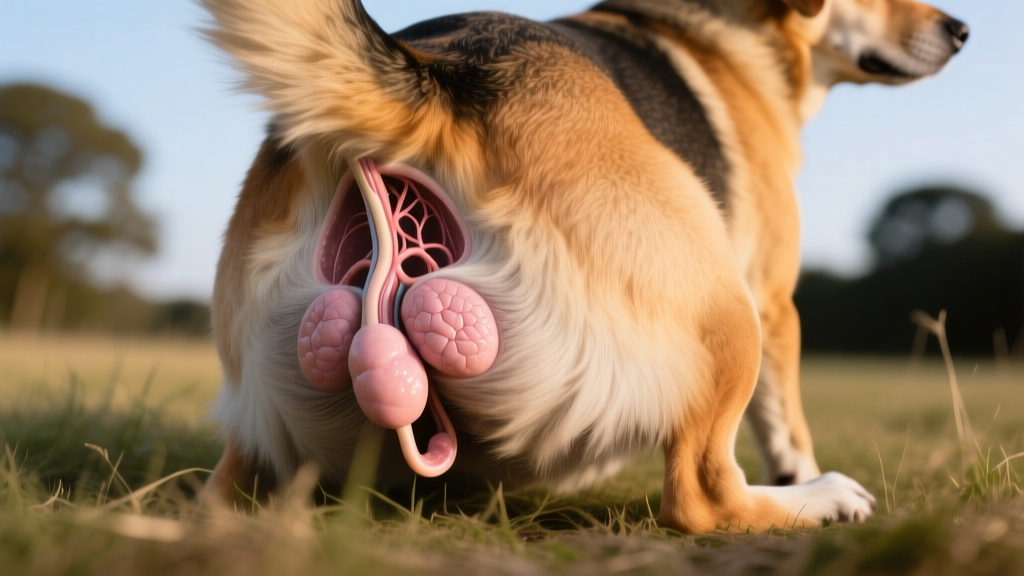
The Anus of Dog: Quick Answer
The anus of a dog is the terminal opening of the gastrointestinal tract, responsible for fecal elimination and housing two anal glands (anal sacs) that produce a species-specific scent secretion. These glands sit at roughly the 4 o'clock and 8 o'clock positions relative to the anal opening and play a critical role in canine chemical communication. In healthy dogs, the glands express naturally during defecation. Problems arise when glands become impacted, infected, or abscessed — a condition affecting an estimated 12-15% of dogs at some point in their lives, with smaller breeds showing higher prevalence.
If you've ever noticed your dog scooting across the carpet, obsessively licking their rear, or leaving behind a fishy odor on your furniture, you've encountered the practical side of canine anal anatomy. While the topic may feel uncomfortable, understanding the structure and function of your dog's anal region — including the anal sacs, sphincter muscles, and surrounding tissue — is essential for recognizing health problems early and keeping your dog comfortable.
This guide breaks down the veterinary science of the canine anus and anal glands, traces their evolutionary purpose back to ancestral canids, and gives you concrete guidance on when to monitor at home versus when to call your veterinarian.
Canine Anal Anatomy: Structures and Functions
Key Anatomical Structures
The canine anal region includes several integrated structures:
- Anal sphincter complex: Two muscle layers — the internal anal sphincter (smooth muscle, involuntary) and the external anal sphincter (skeletal muscle, voluntary). Together, they maintain continence between defecations.
- Anal sacs (anal glands): Two small pouches, each roughly the size of a pea to a small grape depending on breed size, embedded in the subcutaneous tissue lateral to the anal opening. Each sac connects to the surface via a narrow duct that opens at the mucocutaneous junction.
- Perianal tissue: A ring of specialized skin and mucosa surrounding the anus, rich in nerve endings and blood supply.
- Circumanal glands: Sebaceous glands in the perianal skin that are hormone-responsive (particularly to androgens) and can develop tumors in intact male dogs.
- Rectal mucosa: The lining of the terminal rectum, which transitions to anal mucosa at the anorectal junction.
The anal sacs produce a brownish, oily secretion composed of fatty acids, volatile amines, and individual-specific chemical compounds. According to the Merck Veterinary Manual, this secretion serves as a chemical signature — each dog's anal gland fluid carries a unique scent profile that functions much like a fingerprint in canine social communication.
How Anal Gland Expression Works Physiologically
During normal defecation, the passage of firm stool through the anal canal applies pressure to the anal sacs, forcing a small amount of secretion out through the ducts. This is an involuntary, mechanical process. The internal anal sphincter relaxes via parasympathetic nervous system signaling (pelvic nerve), while the external sphincter relaxes voluntarily when the dog assumes a defecation posture.
The secretion released during defecation coats the feces, depositing the dog's chemical signature on their waste. This is why dogs sniff each other's feces during walks — they're reading individual identity information encoded in anal gland secretions.
| Component | Function | Clinical Relevance |
|---|---|---|
| Short-chain fatty acids (propionic, butyric) | Species and individual identification | Altered ratios may indicate infection or dysbiosis |
| Trimethylamine | Contributes to characteristic fishy odor | Stronger odor may signal impaction |
| Indole and skatole | Pheromonal signaling | Elevated levels in stagnant secretions |
| Sebaceous and apocrine gland secretions | Carrier medium for volatile compounds | Thickening indicates reduced expression frequency |
Evolutionary Basis: Why Dogs Have Anal Sacs
From Wolf Territory Marking to Domestic Dog
Anal sacs are not unique to dogs — they are present across the order Carnivora, including wolves, foxes, bears, skunks, and hyenas. In wild canids such as the gray wolf (Canis lupus), anal gland secretions serve two primary evolutionary functions:
- Territory marking: Wolves deposit anal sac fluid on feces placed at territorial boundaries. The individual scent signature communicates pack membership, reproductive status, and identity to neighboring packs.
- Social recognition: Within a pack, mutual sniffing of the perianal region allows wolves to assess each other's hormonal status, health state, and emotional arousal. This greeting behavior reduces aggression by providing chemical information before physical interaction escalates.
In domestic dogs, the behavior persists despite reduced territorial pressure. Your dog sniffing another dog's rear during a greeting is performing an ancestral social assessment — reading anal gland chemistry to determine sex, reproductive status (estrus vs. anestrus), and stress levels. Research published in the Journal of Veterinary Behavior has confirmed that perianal investigation increases significantly when unfamiliar dogs meet, compared to dogs already familiar with each other.
The domestication process has not eliminated anal sac function, but it has altered expression mechanics. Wild canids typically consume high-fiber, bone-rich diets that produce firm, bulky stools — ideal for natural anal gland expression. Many modern dogs eat highly digestible commercial diets that produce smaller, softer stools, reducing the mechanical pressure needed for regular expression. This dietary shift is a primary driver of the anal sac impaction problems we see in veterinary clinics today.
How Do Dogs Use Anal Scent for Communication?
Dogs possess a vomeronasal organ (Jacobson's organ) located in the roof of the mouth, connected to the accessory olfactory bulb in the brain. When a dog investigates another dog's perianal region, they're not simply "smelling" — they're actively pumping air across the vomeronasal organ via a behavior called the flehmen response (more visible in cats but present in dogs as subtle lip-licking and tongue-flicking after sniffing).
This chemical analysis provides real-time data on:
- Sex and reproductive status: Anal secretions contain hormone metabolites that signal whether a female is in estrus, pregnant, or reproductively inactive.
- Stress and arousal: Cortisol metabolites and adrenaline-triggered changes in secretion composition allow dogs to detect fear or excitement in others.
- Individual identity: The fatty acid profile is individual-specific, functioning as a chemical ID tag.
- Health indicators: Dogs can detect changes in anal gland chemistry caused by infection, dietary shifts, or systemic illness in other dogs.
This is fundamentally different from human olfactory processing. Humans rely primarily on visual and auditory social cues, with olfaction playing a minimal conscious role. Dogs process the world primarily through olfaction — their olfactory bulb contains roughly 500 million olfactory receptors (compared to about 6 million in humans), and the brain region dedicated to scent analysis is proportionally 40 times larger than ours.
Common Anal Gland Problems: Recognition and Response
Anal sac disease is among the most frequently diagnosed conditions in small animal practice. A 2020 study in the Journal of Small Animal Practice found that anal sac disorders represented approximately 4.5% of all canine veterinary visits, with impaction being the most common presentation.
Types of Anal Sac Disease
| Condition | Symptoms | Treatment | Estimated Cost (2026) |
|---|---|---|---|
| Impaction | Scooting, licking, fishy odor, discomfort sitting | Manual expression by vet or trained groomer | $25–$50 |
| Sacculitis (inflammation/infection) | Pain, swelling, blood or pus in secretion, fever | Expression, flushing, topical/systemic antibiotics | $75–$200 |
| Abscess | Hot, painful swelling, rupture with drainage, lethargy | Lancing, drainage, antibiotics, warm compresses | $150–$400 |
| Anal sac adenocarcinoma | Firm mass, difficulty defecating, elevated calcium | Surgical removal, possible chemotherapy | $2,000–$6,000+ |
🚨 Call Your Veterinarian Now If:
- Your dog has a visible, hot, painful swelling near the anus (possible abscess)
- Blood or pus is draining from the anal area
- Your dog is straining to defecate and unable to pass stool
- Your dog is lethargic, refusing food, or running a fever alongside anal scooting
- A firm, non-reducible lump is present near the anus (possible tumor)
Anal sac abscesses can rupture internally or develop fistulas if untreated. Early veterinary intervention prevents more invasive (and expensive) procedures.
Breed Predispositions
Not all dogs are equally prone to anal gland issues. Smaller breeds face significantly higher risk due to proportionally narrower anal sac ducts and less muscular defecation pressure:
- Highest risk breeds: Chihuahuas, Toy Poodles, Miniature Schnauzers, Cocker Spaniels, Bichon Frises, Shih Tzus, and Lhasa Apsos
- Moderate risk: Beagles, Dachshunds, Cavalier King Charles Spaniels, Yorkshire Terriers
- Lower risk: Large and giant breeds (German Shepherds, Labrador Retrievers, Great Danes) — though no breed is immune
Obese dogs of any breed face elevated risk because excess perianal fat reduces the mechanical pressure that aids natural expression during defecation. Dogs with chronic soft stools (from dietary intolerance, inflammatory bowel disease, or chronic parasitism) also experience higher impaction rates because insufficient stool bulk fails to compress the anal sacs adequately.
Myth vs. Fact: Anal Gland Misconceptions
| Myth | Fact |
|---|---|
| "All dogs need their anal glands manually expressed every month." | Most dogs self-express normally. Routine manual expression is only recommended for dogs with a documented history of impaction. Unnecessary expression can irritate duct tissue and create dependency. |
| "Scooting always means worms." | While tapeworm segments can cause perianal irritation, scooting is more commonly caused by anal sac impaction, allergies, or perianal dermatitis. A fecal exam by your vet differentiates the cause. |
| "Anal gland problems only happen in small dogs." | Small breeds are overrepresented, but any dog can develop anal sac disease. Obesity, chronic diarrhea, and hypothyroidism increase risk across all sizes. |
| "Adding fiber to the diet will fix all anal gland problems." | Fiber helps by increasing stool bulk, but it won't resolve already-impacted sacs or treat infection. It's a preventive strategy, not a treatment for active disease. |
| "The fishy smell means my dog needs a bath." | A persistent fishy odor from the rear typically indicates anal sac secretion that has leaked or been involuntarily expressed (often during fear or excitement). Bathing removes the surface odor temporarily but doesn't address the underlying cause if glands are overfull. |
Practical Care: What This Means for Daily Life
Actionable Anal Gland Care Strategies
1. Dietary fiber optimization: For dogs prone to impaction, adding 1-2 teaspoons of canned pure pumpkin (not pie filling) per 20 lb of body weight to daily meals increases stool bulk. Alternatively, ask your veterinarian about psyllium husk supplementation at 0.5-1 g/kg body weight daily. High-fiber therapeutic diets like Royal Canin Gastrointestinal or Hill's Prescription Diet w/d ($45–$75 per 30 lb bag) are options for chronic cases.
2. Weight management: Maintaining a body condition score (BCS) of 4-5 out of 9 reduces perianal fat deposits and improves natural expression mechanics. If your dog is overweight, a 10-15% caloric reduction combined with 30+ minutes of daily activity typically achieves meaningful improvement within 8-12 weeks.
3. Stool consistency monitoring: Aim for stools that score a 2-3 on the standard fecal scoring scale (formed, firm, but not hard or dry). Chronically soft stools (score 5-7) warrant a veterinary workup for underlying causes such as food intolerance, parasites, or exocrine pancreatic insufficiency.
4. Exercise adequacy: Regular physical activity promotes healthy gastrointestinal motility. Most dogs need 30-60 minutes of daily exercise (breed-dependent) to maintain normal bowel function.
5. Groomer communication: If your groomer offers anal gland expression, ask whether they perform external or internal expression. Internal expression (digital pressure applied inside the rectum) is more thorough but should only be done by trained professionals. External expression (compressing glands from outside) is less effective for fully impacted sacs.
When to Consider Surgical Removal (Anal Sacculectomy)
Anal sacculectomy — surgical removal of both anal sacs — is typically reserved for dogs with recurrent abscesses (3+ episodes per year), chronic sacculitis unresponsive to medical management, or confirmed anal sac neoplasia. The procedure costs $800–$2,500 depending on complexity and geographic region, with a 2-3 week recovery period. Complications are uncommon but can include fecal incontinence (approximately 5-10% risk, usually temporary) and surgical site infection. According to the American Kennel Club, this surgery should be considered a last resort after conservative management has failed.
Related Behaviors: Scooting, Sniffing, and Scent Marking
Understanding anal anatomy illuminates several common canine behaviors:
- Perineal sniffing during greetings: Normal social behavior. Dogs gather chemical information about identity, sex, and emotional state. Interrupting this behavior prevents normal social communication — allow brief investigation (3-5 seconds) before redirecting.
- Scooting: Dragging the rear across the floor signals perianal discomfort. While often anal sac-related, it can also indicate tapeworms (Dipylidium caninum), perianal fistulas (common in German Shepherds), allergic dermatitis, or foreign material (grass awns) lodged near the anus.
- Involuntary anal gland expression during fear: The external anal sphincter contracts during extreme stress, and smooth muscle surrounding the anal sacs can contract reflexively, releasing secretion. This is why some dogs leave a fishy smell at the vet clinic — it's a stress response, not a voluntary action.
- Raised-leg urination and feces placement: Intact males and some females elevate feces placement (on rocks, stumps) to position their scent at nose-height for passing dogs. This is a visual-olfactory signaling strategy with roots in wolf territorial behavior.
Frequently Asked Questions
Is it normal for my dog's anal glands to express on their own?
Yes. Some dogs involuntarily express a small amount of anal gland fluid during moments of fear, excitement, or pain. This is a reflexive response mediated by smooth muscle contraction around the anal sacs and is not a sign of disease. However, if you notice frequent spontaneous expression (multiple times per week) without an obvious trigger, consult your veterinarian to rule out sacculitis or sphincter weakness.
Can I express my dog's anal glands at home?
External expression is technically possible at home, but most veterinary professionals recommend against owner attempts unless you've received hands-on training from your vet or a veterinary technician. Improper technique can rupture an anal sac internally, push infected material deeper into surrounding tissue, or cause pain that damages your dog's trust. Internal expression should never be attempted by an untrained person. The cost of a professional expression ($25–$50) is far less than the cost of treating a complication from a DIY attempt.
How is a dog's anal anatomy different from a human's?
The most significant difference is the presence of anal sacs — humans do not have functional anal glands. The canine anal canal is also proportionally longer relative to body size, and the canine rectum terminates at a more horizontal angle (dogs are quadrupedal), which affects defecation mechanics. Additionally, the canine perianal region contains circumanal (hepatoid) glands that have no direct human equivalent and are a common site for hormone-responsive tumors in intact males.
What does it mean when my dog keeps licking their anus?
Persistent perianal licking (more than occasional grooming) signals discomfort. The most common causes, in order of frequency, are: anal sac impaction, allergic dermatitis (environmental or food), tapeworm infection, perianal fistula, or a foreign body (such as a grass seed). If licking persists beyond 24 hours or is accompanied by redness, swelling, or discharge, schedule a veterinary exam.
Does my dog's breed affect their risk of anal gland problems?
Yes. Brachycephalic and toy breeds — Chihuahuas, Poodles, Shih Tzus, Cocker Spaniels — have proportionally narrower anal sac ducts and are predisposed to impaction. Larger breeds with strong defecation mechanics typically self-express more effectively. However, any dog that is overweight, has chronic soft stools, or has hypothyroidism faces elevated risk regardless of breed.
Can diet alone prevent anal gland issues?
Diet is the single most impactful preventive factor, but it's not a guarantee. Increasing dietary fiber to produce bulkier, firmer stools helps most dogs. However, dogs with anatomical predispositions (narrow ducts), chronic allergies, or underlying endocrine disease may still develop problems despite optimal nutrition. Think of dietary management as reducing risk significantly — not eliminating it entirely.
Disclaimer: This article is for educational purposes and does not replace professional veterinary advice. If your dog shows signs of anal discomfort, swelling, or discharge, consult your veterinarian for a proper diagnosis and treatment plan.
Aaron Whyte
All our authors care for dogs every day — read more of their work on the authors page.


