Amoxiclav for Dogs: How This Antibiotic Works, Dosage & Safety Guide
Complete guide to amoxiclav for dogs: mechanism of action, dosage by weight, side effects, and when vets prescribe this common antibiotic combination.
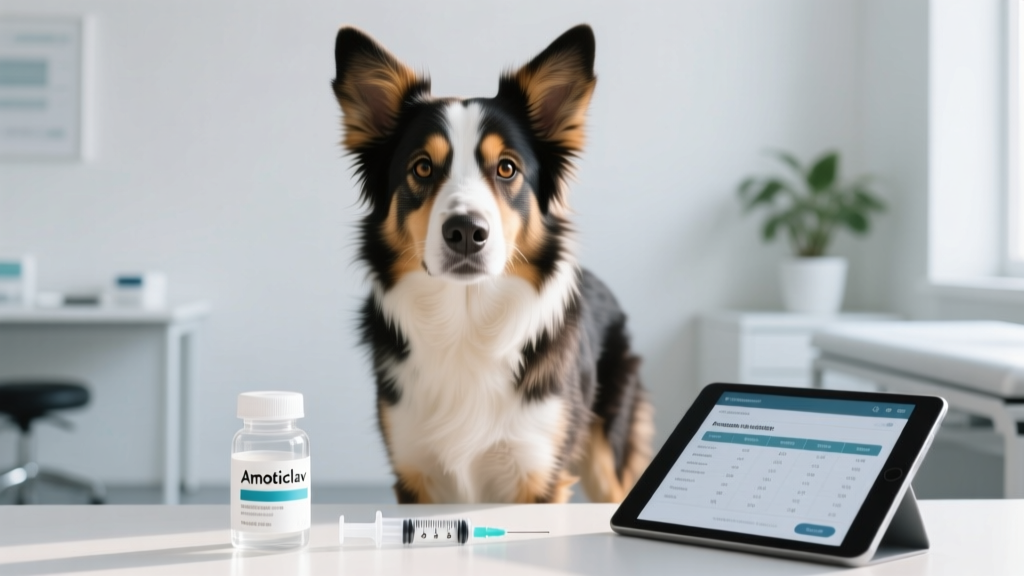
Quick Answer: Amoxiclav (amoxicillin-clavulanate potassium) is a broad-spectrum antibiotic prescribed by veterinarians to treat bacterial infections in dogs, including skin infections, urinary tract infections, wound infections, and dental disease. The standard dosage is 6.25 mg per pound (13.7 mg/kg) of body weight, given orally every 12 hours for 7–14 days depending on the infection. Never give human amoxiclav to your dog without veterinary direction — formulations and concentrations differ significantly.
If your dog has been prescribed amoxiclav, you likely have questions about how it works, what to expect, and whether it's safe. This antibiotic combination is one of the most commonly dispensed medications in veterinary medicine, and understanding the science behind it helps you make informed decisions about your dog's treatment.
What Is Amoxiclav and How Does It Work in Dogs?
The Science: Amoxiclav combines two active ingredients:
- Amoxicillin — a beta-lactam antibiotic in the penicillin family that disrupts bacterial cell wall synthesis by binding to penicillin-binding proteins (PBPs), preventing the cross-linking of peptidoglycan chains that give bacterial cell walls their structural integrity.
- Clavulanate potassium (clavulanic acid) — a beta-lactamase inhibitor that does not kill bacteria on its own but irreversibly binds to beta-lactamase enzymes produced by resistant bacteria, effectively disarming their defense mechanism and restoring amoxicillin's effectiveness.
According to the Merck Veterinary Manual, the clavulanate component extends amoxicillin's spectrum to include beta-lactamase-producing strains of Staphylococcus, Escherichia coli, and Bacteroides species that would otherwise resist treatment.
Physiological Mechanism in Canine Bodies
When your dog swallows an amoxiclav tablet, the drug is absorbed primarily in the small intestine, reaching peak blood concentrations within 1.5 to 2.5 hours. The bioavailability in dogs is approximately 60–70% when given with food and slightly lower on an empty stomach. Both components are distributed through extracellular fluid, reaching therapeutic concentrations in skin, soft tissue, urine, and the respiratory tract.
Amoxicillin is primarily excreted unchanged through the kidneys (approximately 60% renal excretion), while clavulanate undergoes partial hepatic metabolism before renal elimination. This dual-excretion pathway is why dosage adjustments may be necessary for dogs with compromised kidney or liver function — your veterinarian will determine if your dog's organ function requires modified dosing.
Evolutionary Context: Why Dogs Are Susceptible to These Infections
Ancestral Perspective: Wild canids — wolves, coyotes, and early proto-dogs — regularly sustained bite wounds from prey struggles, territorial disputes, and scavenging contaminated carcasses. Their immune systems evolved alongside constant bacterial exposure, developing robust innate defenses including lysozyme-rich saliva, acidic gastric environments (pH 1–2), and aggressive neutrophil responses.
However, domestication over the past 15,000–30,000 years has shifted dogs into environments with novel bacterial challenges: dense urban settings, multi-dog households, and close human contact that exposes them to different pathogen pressures. Selective breeding for specific traits has also concentrated genetic predispositions to certain infections — brachycephalic breeds with compressed airways, for example, face recurrent respiratory infections that their wolf ancestors rarely encountered.
Amoxiclav addresses infections that ancestral immune systems might have managed differently, but modern dogs — particularly puppies, seniors, and immunocompromised individuals — benefit from pharmaceutical support when bacterial loads overwhelm natural defenses.
When Veterinarians Prescribe Amoxiclav for Dogs
Based on veterinary formularies and the FDA's antimicrobial stewardship guidelines, amoxiclav is indicated for susceptible bacterial infections including:
| Infection Type | Common Pathogens | Typical Duration |
|---|---|---|
| Skin & soft tissue (wounds, abscesses, pyoderma) | Staphylococcus pseudintermedius, Streptococcus spp. | 7–14 days |
| Urinary tract infections | E. coli, Proteus, Enterococcus | 7–14 days |
| Dental & periodontal infections | Bacteroides, Fusobacterium, Actinomyces | 5–10 days |
| Respiratory infections (kennel cough complications) | Bordetella bronchiseptica, Pasteurella | 10–14 days |
| Otitis externa (ear infections) | Staphylococcus, Pseudomonas (some strains) | 10–21 days |
Dosage Calculator by Dog Weight
The standard veterinary dosage of amoxiclav for dogs is 6.25 mg per pound (13.7 mg/kg) every 12 hours. Some infections may require 12.5 mg/lb (27.5 mg/kg) every 12 hours. Your veterinarian will determine the appropriate dose based on infection severity, location, and your dog's health status.
| Dog Weight | Standard Dose (6.25 mg/lb q12h) | Higher Dose (12.5 mg/lb q12h) | Common Tablet Strength |
|---|---|---|---|
| 10 lb (4.5 kg) | 62.5 mg | 125 mg | 62.5 mg tablet |
| 25 lb (11.3 kg) | 156 mg | 312 mg | 125 mg + 62.5 mg |
| 50 lb (22.7 kg) | 312.5 mg | 625 mg | 250 mg + 62.5 mg |
| 75 lb (34 kg) | 469 mg | 937 mg | 500 mg tablet |
| 100 lb (45.4 kg) | 625 mg | 1,250 mg | 500 mg + 125 mg |
Important: Veterinary amoxiclav products such as Clavamox® (Zoetis) and Synulox® come in specific canine-formulated tablet strengths (62.5 mg, 125 mg, 250 mg, 375 mg, and 500 mg). Human formulations like Augmentin® have different amoxicillin-to-clavulanate ratios and should never be substituted without veterinary calculation.
Side Effects and What to Watch For
Most dogs tolerate amoxiclav well, but adverse reactions can occur. Understanding the frequency and severity helps you distinguish between expected mild effects and situations requiring immediate veterinary attention.
| Side Effect | Frequency | Severity | Action |
|---|---|---|---|
| Loose stools / mild diarrhea | Common (10–25%) | Mild | Add probiotic; give with food; monitor |
| Vomiting | Occasional (5–10%) | Mild–Moderate | Give with food; contact vet if persistent |
| Decreased appetite | Occasional (5–15%) | Mild | Offer food with medication; monitor intake |
| Allergic reaction (hives, facial swelling) | Rare (<1%) | Severe | Stop medication; contact vet immediately |
| Anaphylaxis (collapse, difficulty breathing) | Very rare (<0.1%) | Life-threatening | Emergency veterinary care immediately |
| Severe watery/bloody diarrhea | Rare (1–3%) | Moderate–Severe | Contact vet; possible C. difficile overgrowth |
When to Call Your Vet Immediately:
- Facial swelling, hives, or difficulty breathing within hours of dosing
- Persistent vomiting (more than 2 episodes in 24 hours)
- Bloody or severely watery diarrhea lasting more than 48 hours
- Complete refusal to eat for more than 24 hours
- Lethargy or collapse
For suspected allergic reactions or overdose, contact ASPCA Animal Poison Control: (888) 426-4435 (24/7, consultation fee applies) or the Pet Poison Helpline: (855) 764-7661.
Common Misconceptions About Amoxiclav for Dogs
| Myth | Fact |
|---|---|
| "I can give my dog leftover human Augmentin." | Human Augmentin has different amoxicillin-to-clavulanate ratios (typically 2:1, 4:1, or 7:1) compared to veterinary Clavamox (4:1). Dosing errors can lead to clavulanate toxicity (severe GI upset) or subtherapeutic amoxicillin levels. |
| "I can stop the antibiotic once my dog looks better." | Stopping early selects for resistant bacteria. Always complete the full prescribed course — typically 7–14 days — even if symptoms resolve by day 3. Incomplete courses are a leading driver of antimicrobial resistance. |
| "Amoxiclav treats all infections." | Amoxiclav is ineffective against viral infections (parvovirus, distemper, canine influenza), fungal infections, parasitic infections, and bacteria inherently resistant to beta-lactams (e.g., Mycoplasma, Pseudomonas aeruginosa in many cases). |
| "Antibiotics are always the answer for hot spots." | Many hot spots (acute moist dermatitis) are primarily inflammatory/allergic and respond to topical therapy, anti-inflammatories, and addressing the underlying cause. Systemic antibiotics are only indicated when secondary bacterial infection is confirmed. |
| "Natural remedies work just as well." | While supportive care (probiotics, wound cleaning) has value, established bacterial infections require appropriate antimicrobial therapy. Delaying proper treatment can allow infections to progress to sepsis, which has a mortality rate of 20–68% in dogs depending on severity. |
Practical Takeaways for Dog Owners
Administering Amoxiclav Successfully
- Give with food — administering amoxiclav with a meal reduces GI side effects by approximately 40% and slightly improves absorption. A small amount of wet food, peanut butter (xylitol-free), or a pill pocket works well.
- Maintain consistent 12-hour intervals — the drug's half-life in dogs is approximately 1.0–1.3 hours, meaning therapeutic blood levels drop significantly between doses. Consistent timing maintains effective concentrations.
- Use a probiotic — giving a canine-specific probiotic (such as FortiFlora® or Proviable®) 2 hours apart from the antibiotic dose helps maintain healthy gut flora and reduces antibiotic-associated diarrhea.
- Store properly — Clavamox tablets should be stored at room temperature (68–77°F / 20–25°C) in their original container with the desiccant. The oral suspension must be refrigerated (36–46°F / 2–8°C) and discarded after 10 days.
- Watch for interactions — amoxiclav may reduce the effectiveness of oral bacterin vaccines and can interact with methotrexate, probenecid, and allopurinol. Always disclose all medications and supplements to your veterinarian.
Cost Expectations (2026 Pricing)
- Generic amoxiclav tablets: $0.50–$1.50 per tablet depending on strength
- Clavamox® brand tablets: $1.00–$3.00 per tablet
- Clavamox® oral suspension (15 mL): $18–$35 per bottle
- Typical 10-day course for a 50 lb dog: $25–$60 depending on pharmacy and formulation
- Veterinary office visit + culture (if needed): $85–$250 depending on region
Breed-Specific Considerations and Related Conditions
While amoxiclav's pharmacokinetics do not vary significantly by breed, certain breeds face higher infection risks that lead to more frequent antibiotic prescriptions:
- Brachycephalic breeds (French Bulldogs, English Bulldogs, Pugs, Shih Tzus) — skin fold dermatitis and respiratory infections are common due to compressed anatomy and poor air circulation in skin folds. Recurrent pyoderma in these breeds often warrants culture and sensitivity testing before empiric amoxiclav use.
- Spaniels and retrievers (Cocker Spaniels, Golden Retrievers, Labrador Retrievers) — predisposed to chronic otitis externa. While topical therapy is first-line, systemic amoxiclav may be prescribed when infection extends to the middle ear or when topical treatment fails.
- German Shepherds and large breeds — higher rates of perianal fistulas and deep pyoderma, which may require extended courses (4–6 weeks) at higher doses, often guided by bacterial culture results.
- Immunocompromised or senior dogs — reduced immune surveillance increases susceptibility to opportunistic infections. Amoxiclav may be used prophylactically around surgical procedures in these patients.
How Does This Differ from Human Antibiotic Use?
Dogs metabolize amoxiclav faster than humans due to higher renal clearance rates relative to body weight. The canine half-life of amoxicillin is approximately 1.0–1.3 hours compared to 1.0–1.5 hours in humans, but dogs' faster overall metabolism means dosing intervals and concentrations must be calibrated specifically for canine physiology. Additionally, dogs lack certain drug-metabolizing enzymes (particularly specific CYP450 isoforms) that humans possess, making species-specific formulation critical.
Antimicrobial Stewardship: Why Your Vet May Not Prescribe Amoxiclav
The American Veterinary Medical Association (AVMA) emphasizes antimicrobial stewardship — the responsible use of antibiotics to preserve their effectiveness. Your veterinarian may decline to prescribe amoxiclav (or any antibiotic) in these scenarios:
- Viral infections — kennel cough, canine influenza, and parvovirus are viral and will not respond to antibiotics. Secondary bacterial infections may develop, but antibiotics are only indicated when bacterial involvement is confirmed or strongly suspected.
- Mild, self-limiting conditions — minor superficial wounds often heal with proper cleaning and monitoring without systemic antibiotics.
- Pending culture results — for recurrent or severe infections, your vet may collect a bacterial culture and sensitivity panel (results in 48–72 hours, cost $50–$150) before selecting an antibiotic. This ensures the chosen drug actually targets the identified pathogen.
- Allergy history — dogs with known penicillin-class allergies should not receive amoxiclav. Cross-reactivity with cephalosporins occurs in approximately 1–3% of cases, so your vet will consider this when selecting alternatives.
Frequently Asked Questions
Can I give my dog human amoxicillin instead of veterinary amoxiclav?
Human amoxicillin alone (without clavulanate) has a narrower spectrum and may be ineffective against beta-lactamase-producing bacteria that commonly cause canine infections. The clavulanate component in amoxiclav is essential for treating resistant strains. Additionally, human formulations may contain inactive ingredients (flavorings, dyes, sweeteners) that are unnecessary or potentially harmful to dogs. Always use veterinary-prescribed medications.
How long does amoxiclav take to start working in dogs?
Most dogs show clinical improvement within 24–48 hours of starting treatment. Peak blood concentrations occur within 1.5–2.5 hours of each dose. However, visible symptom improvement depends on the infection type: skin infections may take 3–5 days to show noticeable improvement, while urinary tract infections often respond within 24–48 hours. Always complete the full prescribed course regardless of early improvement.
What if I miss a dose of my dog's amoxiclav?
Give the missed dose as soon as you remember, then resume the regular 12-hour schedule. If it's nearly time for the next dose, skip the missed one — never double-dose. Missing a single dose is unlikely to compromise treatment, but repeated missed doses create subtherapeutic drug levels that encourage resistant bacteria. Set phone alarms or use a medication tracker app to maintain consistency.
Is amoxiclav safe for pregnant or nursing dogs?
Amoxicillin is generally considered safe during pregnancy in dogs (FDA pregnancy Category B in human medicine, with extrapolation to veterinary use). However, clavulanate has less pregnancy safety data. Your veterinarian will weigh the risks of untreated infection against potential medication risks and may select an alternative antibiotic if appropriate. Never self-prescribe for a pregnant or nursing dog.
Can amoxiclav cause yeast infections in dogs?
Yes. Broad-spectrum antibiotics like amoxiclav disrupt normal microbial flora, which can allow Malassezia (yeast) overgrowth on the skin or in the ears. Signs include increased itching, greasy skin, musty odor, and reddish-brown ear discharge. If you notice these symptoms during or after an antibiotic course, contact your veterinarian — they may recommend antifungal shampoos, ear cleansers, or in severe cases, oral antifungal medication.
What antibiotics are used if amoxiclav doesn't work for my dog?
If culture and sensitivity results show amoxiclav resistance, or if clinical improvement doesn't occur within 72 hours, your veterinarian may switch to alternatives such as cephalexin, enrofloxacin, marbofloxacin, clindamycin, or trimethoprim-sulfamethoxazole, depending on the identified pathogen's susceptibility profile. For methicillin-resistant Staphylococcus pseudintermedius (MRSP), options may include chloramphenicol, minocycline, or topical mupirocin guided by culture results.
References:
Disclaimer: This article is for educational purposes only and does not replace professional veterinary advice. Always consult your veterinarian before starting, changing, or discontinuing any medication for your dog. Dosage information is provided as a general reference — your veterinarian will determine the appropriate dose and duration based on your dog's specific condition, weight, and health status.
Priya Sutaria
All our authors care for dogs every day — read more of their work on the authors page.


