Yorkshire Terrier for Adoption: Complete Breed Guide for 2026
Considering a Yorkshire Terrier for adoption? This complete breed guide covers temperament, health risks, grooming needs, costs, & whether a Yorkie fits...
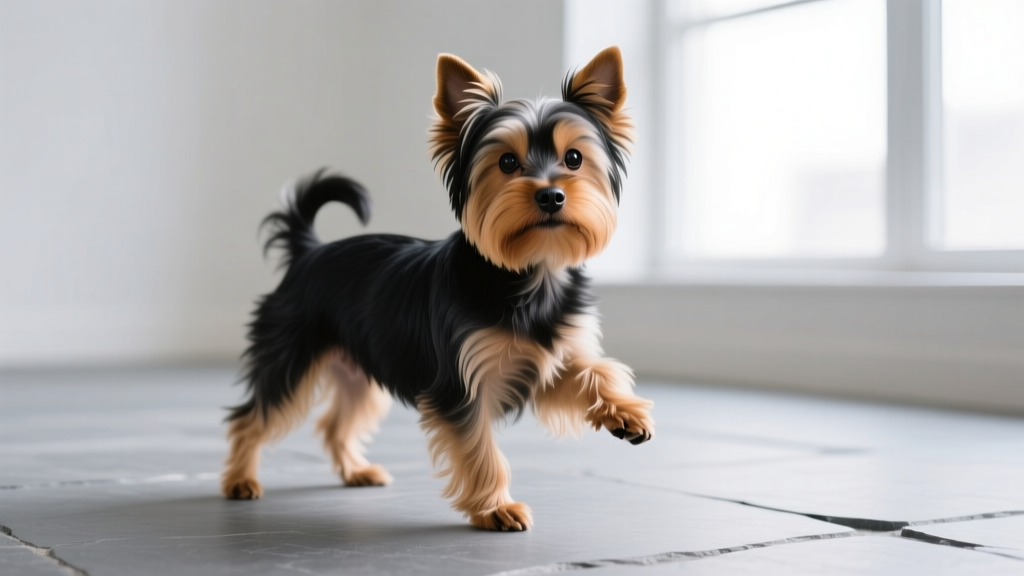
Yorkshire Terrier Breed Overview: What You're Getting Into
If you've been searching for a Yorkshire Terrier for adoption, you're looking at one of the most popular toy breeds in the United States — and for good reason. The Yorkie packs a terrier's bold personality into a dog that rarely tops 7 pounds. But before you bring one home from a rescue or breeder, you need to understand exactly what this breed demands in terms of grooming, health monitoring, and daily care.
The Yorkshire Terrier originated in the 1860s in Yorkshire and Lancashire, England, where mill workers bred them from a mix of now-extinct terrier types — including the Clydesdale Terrier and the Paisley Terrier — to catch rats in textile mills and coal mines. By the 1870s, the breed had crossed into the show ring, and the American Kennel Club recognized the Yorkshire Terrier in 1885. Today, they consistently rank among the top 15 most popular breeds in the U.S.
| Attribute | Details |
|---|---|
| Size Class | Toy |
| Weight | 4–7 lb (1.8–3.2 kg) |
| Height | 7–8 inches (18–20 cm) at the shoulder |
| Lifespan | 11–15 years (some reach 17+) |
| Coat Type | Long, straight, silky — hair-like, not fur |
| AKC Group | Toy Group |
| Origin | Yorkshire, England (1860s) |
| Energy Level | Moderate (for a toy breed) |
| Trainability | Moderate — smart but stubborn |
| Apartment Friendly | Excellent |
Temperament & Personality: Bold, Alert, and Opinionated
Yorkies carry themselves like they don't realize they're small. This is a terrier first and a lap dog second. Here are the core personality traits you'll encounter:
- Boldness beyond their size: A Yorkie will confront a dog ten times their weight without hesitation. I've seen 5-pound Yorkies bark down German Shepherds at the dog park. This confidence is endearing but requires management — they can get into trouble if they escalate with larger dogs.
- Alert watchdog instincts: Yorkies notice everything. A delivery truck, a squirrel on the fence, a neighbor walking by two houses down — they will announce it. This makes them excellent alert dogs but means you'll need to train a "quiet" cue early if you live in an apartment with thin walls.
- Strong owner attachment: Yorkies tend to bond intensely with one person. They follow their chosen human from room to room, curl up on laps the moment you sit, and can develop separation anxiety if left alone for more than 4–6 hours regularly.
- Playful but not hyperactive: Unlike Jack Russells, Yorkies have an off-switch. They'll play fetch enthusiastically for 10–15 minutes, then happily settle on the couch for the rest of the evening.
- Stubborn streak: This is a terrier that was bred to make independent decisions underground. They learn commands quickly but compliance is optional in their minds. Positive reinforcement with high-value treats (small bits of boiled chicken, freeze-dried liver) works far better than repetition or raised voices.
Physical Characteristics and the Coat You're Signing Up For
Adult Yorkshire Terriers stand 7–8 inches (18–20 cm) at the shoulder and weigh 4–7 lb (1.8–3.2 kg). The AKC breed standard specifies that Yorkies should not exceed 7 lb (3.2 kg) for conformation, though some pet-line Yorkies reach 8–10 lb (3.6–4.5 kg) — this is not necessarily unhealthy if the dog has a proportionate frame and a body condition score (BCS) of 4–5 out of 9.
The Yorkie coat is their defining feature: long, fine, and silky — technically hair rather than fur, which means they shed minimally and are often tolerated by people with mild dog allergies (though no breed is truly hypoallergenic). The classic adult coloring is steel blue on the body with tan/gold on the head, chest, and legs. Puppies are born black and tan, and the adult color typically develops between 12–18 months of age.
If you adopt an adult Yorkie through a rescue, you may encounter dogs with a "puppy coat" that was shaved or a shorter sport clip — this doesn't affect their health but does change their grooming routine.
Exercise & Activity Needs: Specifics, Not Guesses
Yorkshire Terriers need 30–45 minutes of structured activity per day, which is more than most people assume for a 6-pound dog. Here's how to break it down:
| Activity | Duration | Notes |
|---|---|---|
| Morning walk | 15–20 minutes | Leash walk at a moderate pace; allow sniffing time |
| Indoor play session | 10–15 minutes | Fetch with a soft toy, flirt pole, or puzzle feeder |
| Evening walk | 10–15 minutes | Shorter wind-down walk; good for bathroom routine |
| Mental stimulation | 5–10 minutes | Training drills, snuffle mat, or food-dispensing toy |
A few important notes for Yorkie exercise:
- Use a harness, not a collar. Yorkies are prone to tracheal collapse, and pressure on the neck from a flat collar during leash pulling can accelerate this condition. A well-fitted H-style harness (like the Puppia Soft Dog Harness or the Ruffwear Hi & Light) distributes pressure across the chest.
- Weather matters. Yorkies have a single coat with no undercoat. They get cold below 45°F (7°C) and overheat above 80°F (27°C). A fleece sweater in winter and limiting summer walks to early morning/evening are non-negotiable.
- Off-leash caution: Their prey drive is real. A Yorkie that spots a squirrel will bolt without recall. Only allow off-leash time in fully enclosed areas.
Common Health Issues: What Yorkie Adopters Must Know
Yorkshire Terriers are generally a long-lived breed, but they carry predispositions to several specific conditions. If you're evaluating a Yorkie for adoption, ask the rescue or breeder about screening for these:
| Condition | Description | Prevalence | Typical Cost Range |
|---|---|---|---|
| Luxating Patella | Kneecap slips out of position; grades I–IV | Estimated 20–25% of Yorkies (OFA data) | $1,500–$3,500 per knee (surgical repair) |
| Tracheal Collapse | Weakening of tracheal cartilage rings; causes honking cough | Common in toy breeds; exact Yorkie % not well-documented but breed is high-risk | $200–$500 (medical management); $2,500–$5,000 (surgical stent) |
| Portosystemic Shunt (PSS) | Abnormal blood vessel bypasses the liver; congenital | Yorkies are overrepresented; estimated 1–3% of the breed | $3,000–$7,000 (surgical correction) |
| Dental Disease | Early-onset periodontal disease due to tooth crowding in small jaw | Up to 80% of toy breeds show signs by age 3 (Merck Veterinary Manual) | $300–$800 per dental cleaning; $500–$2,000+ for extractions |
| Hypoglycemia | Dangerously low blood sugar; especially in puppies under 4 months | Most common in puppies and dogs under 4 lb (1.8 kg) | $100–$500 (emergency treatment episode) |
Grooming Requirements: The Real Commitment
That gorgeous silky coat requires genuine maintenance. Here's what you're signing up for:
| Task | Frequency | Tools Needed |
|---|---|---|
| Full brushing | Daily (long coat) or 2–3×/week (puppy clip) | Pin brush, metal greyhound comb, detangling spray |
| Bathing | Every 2–3 weeks | Dog-specific moisturizing shampoo and conditioner (e.g., Earthbath Oatmeal & Aloe or Chris Christensen Spectrum One) |
| Professional grooming | Every 4–6 weeks | Professional groomer; expect $50–$90 per session for a Yorkie clip |
| Teeth brushing | Daily (ideal) or minimum 3×/week | Dog enzymatic toothpaste (C.E.T. or Sentry brand), finger brush or small-head toothbrush |
| Eye cleaning | Daily or as needed | Dog eye wipes or damp cotton pad to clear tear staining |
| Nail trimming | Every 2–3 weeks | Small guillotine or scissor-style clippers; styptic powder on hand |
| Ear cleaning | Weekly | Dog ear cleaner (Epi-Otic or similar); cotton balls — never cotton swabs |
A note on coat choices: many Yorkie owners opt for a "puppy clip" or "teddy bear cut" that keeps the hair at 1–2 inches all over. This dramatically reduces daily brushing time (from 15+ minutes to about 5 minutes) and prevents matting. If you adopt a Yorkie already in a long show coat, transition to a shorter clip gradually — the dog won't mind, and your grooming budget will thank you.
Training & Intelligence: Smart but Selective
Yorkshire Terriers rank 34th out of 138 breeds in AKC working/obedience intelligence rankings, which places them in the "above average" category. They learn new commands in 15–25 repetitions and obey on the first attempt about 70% of the time — but that remaining 30% is where the terrier independence shows.
What works:
- Positive reinforcement exclusively. Small, pea-sized treats (Zuke's Mini Naturals or tiny bits of real chicken), enthusiastic verbal praise, and short 5-minute training sessions. Yorkies tune out after about 10 minutes of repetitive drilling.
- Early socialization (8–16 weeks is the critical window). Expose puppies to varied surfaces, sounds, people, and other vaccinated dogs. Yorkies that aren't socialized early tend toward fear-based reactivity — barking and lunging at unfamiliar dogs or people.
- Consistent housebreaking. Toy breeds are notoriously harder to house-train because they have small bladders and can sneak into corners to eliminate unnoticed. Take them out every 1–2 hours during the first 8 weeks home, reward immediately for outdoor elimination, and use an enzymatic cleaner (Nature's Miracle or Rocco & Roxie) for any indoor accidents.
- Crate training for safety. A properly sized crate (just large enough to stand, turn, and lie down) prevents destructive chewing when unsupervised and aids house-training. Never use the crate as punishment.
What doesn't work: Yelling, physical corrections, prong collars, shock collars, or alpha rolls. These methods damage the trust-based bond Yorkies need and can trigger fear-based aggression — a particular risk in a breed that already has a bold temperament and may respond to intimidation by biting.
Family Suitability: Kids, Pets, and Apartment Living
✅ Yorkie Strengths
- Excellent apartment dogs — small size, moderate energy, minimal shedding
- Good with respectful older children (ages 10+)
- Generally get along with cats if introduced properly
- Travel-friendly — fit in airline-approved under-seat carriers
- Alert and aware — will notify you of visitors
❌ Yorkie Challenges
- Fragile with toddlers and young children — risk of injury from dropping or rough handling
- Can be scrappy with unfamiliar dogs, especially larger ones
- Prone to excessive barking without training
- Separation anxiety if left alone 8+ hours daily
- High grooming costs add up quickly
With children: Yorkies are best suited for homes with children ages 10 and up who understand how to handle a small dog gently. A Yorkie picked up incorrectly or squeezed by a toddler can suffer a fractured leg or luxating patella episode — and the dog may bite in self-defense. If you have young children, consider waiting or choosing a sturdier small breed like a Cavalier King Charles Spaniel or a Bichon Frise.
With other pets: Yorkies typically coexist well with cats, especially if raised together. With other dogs, early socialization is key. Yorkies in multi-dog homes do best with dogs of similar size or calm-tempered larger dogs. Avoid pairing two intact male Yorkies — same-sex aggression is documented in the breed.
Apartment living: Yorkies are one of the best apartment breeds available. They don't need a yard, they're small enough for any rental size restriction, and their exercise needs can be met with walks and indoor play. The one apartment challenge is barking — invest in training a "quiet" cue and consider white noise machines to reduce their reaction to hallway sounds.
Cost of Ownership: Budgeting for a Yorkshire Terrier
Whether you adopt through a rescue or purchase from a breeder, here's what to expect financially in 2026:
| Expense | Cost Range |
|---|---|
| Adoption fee (rescue/shelter) | $200–$600 |
| Purchase from responsible breeder (AKC-registered, health-tested parents) | $1,800–$4,000 |
| First-year veterinary costs (vaccines, spay/neuter, wellness exams) | $600–$1,200 |
| Annual routine veterinary care (years 2+) | $400–$800 |
| Annual dental cleanings | $300–$800 |
| Professional grooming (every 4–6 weeks) | $600–$1,200/year |
| Food (high-quality small-breed kibble or wet food) | $200–$400/year |
| Pet insurance (accident + illness, Yorkie-rated) | $35–$65/month ($420–$780/year) |
| Supplies (harness, crate, bed, toys, grooming tools — first year) | $200–$400 |
| Estimated first-year total (adoption route) | $2,500–$5,000 |
| Estimated annual cost (years 2+) | $1,900–$4,000 |
Is pet insurance worth it for a Yorkie? Given the breed's predisposition to luxating patellas, dental disease, and tracheal collapse — all of which can generate bills in the $2,000–$5,000 range — insurance is a strong consideration. Companies like Trupanion, Healthy Paws, and Fetch by The Dodo cover hereditary conditions. Enroll before any symptoms appear; pre-existing conditions are universally excluded.
Finding a Yorkshire Terrier for Adoption: Where to Look
If adoption is your path, here are targeted resources for finding a Yorkie in rescue:
- Breed-specific rescues: Yorkie Rescue (yorkierescue.com), Save-a-Yorkie Rescue, and regional Yorkshire Terrier rescue networks often have dogs ranging from puppies to seniors. These organizations typically vet dogs medically, spay/neuter, and provide behavioral assessments before placement.
- Petfinder and Adopt-a-Pet: Filter by breed and location. Yorkies appear regularly in general shelters, particularly in southern states where small-breed surrenders are more common.
- Senior Yorkie adoption: Many rescues have Yorkies aged 8–12+ that need homes. These dogs are often already house-trained, past the destructive puppy phase, and available for lower adoption fees ($150–$350). The trade-off is a shorter time together and potentially higher medical costs, but many adopters find senior Yorkies to be extraordinarily sweet companions.
Adoption red flags to watch for: Rescues that won't disclose known medical conditions, won't allow a trial period, or pressure you to adopt immediately without a home application. Reputable rescues will ask detailed questions about your lifestyle, experience, and plan for the dog — this protects both you and the Yorkie.
Frequently Asked Questions
Is a Yorkshire Terrier right for first-time dog owners?
Yes, with caveats. Yorkies are manageable in size, don't require intense exercise, and are highly portable — all advantages for a first-time owner. The challenges are house-training (which takes longer in toy breeds), grooming commitment, and managing their bold temperament around larger dogs. If you're a first-time owner, consider enrolling in a positive-reinforcement puppy class within the first week home. The ASPCA's dog care resources offer solid foundational guidance for new owners.
How much exercise does a Yorkshire Terrier need daily?
Adult Yorkies need 30–45 minutes of combined activity per day: two leash walks of 10–20 minutes each, plus one indoor play session of 10–15 minutes. Puppies under 6 months should follow the "5 minutes per month of age" guideline for structured walks (so a 4-month-old gets about 20 minutes of walk time daily, split into multiple short outings).
What health problems is the Yorkshire Terrier breed prone to?
The top five breed-specific concerns are luxating patella (kneecap dislocation), tracheal collapse, portosystemic liver shunts, early-onset dental disease, and hypoglycemia in puppies. Mitral valve disease becomes a concern in Yorkies over age 8. Always consult your veterinarian for breed-appropriate screening — a baseline cardiac exam, patellar evaluation, and dental assessment are recommended within the first month of adoption.
How big does an adult Yorkshire Terrier get?
The AKC standard caps Yorkies at 7 lb (3.2 kg), with a typical height of 7–8 inches (18–20 cm) at the shoulder. Some pet-line Yorkies reach 8–10 lb (3.6–4.5 kg) without being overweight — frame size varies. "Teacup" or "miniature" Yorkies marketed below 4 lb (1.8 kg) are not a recognized variety and often have severe health complications including fragile bones, chronic hypoglycemia, and shortened lifespans.
Are Yorkshire Terriers good with children and other pets?
Yorkies do well with respectful children ages 10 and older, but are fragile around toddlers and young children who may pick them up improperly. With cats, they generally coexist peacefully if introduced gradually. With other dogs, early socialization is essential — unsocialized Yorkies can be reactive, particularly with unfamiliar dogs. Always supervise interactions between a Yorkie and any larger pet.
How much does a Yorkshire Terrier cost to buy and maintain?
Adoption fees run $200–$600 through rescues; responsible breeders charge $1,800–$4,000. Annual maintenance costs range from $1,900–$4,000 per year once initial supplies are purchased, with grooming ($600–$1,200/year) and dental care ($300–$800/year) being the largest recurring expenses beyond food and routine veterinary care.
Priya Sutaria
All our authors care for dogs every day — read more of their work on the authors page.


