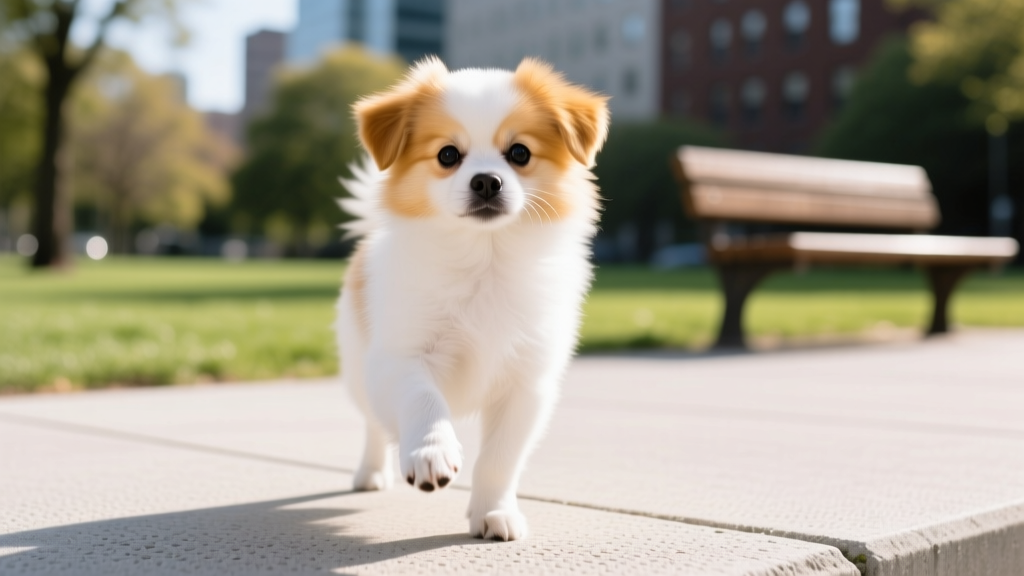
Yorkie Mixed With a Husky: The Complete Siberian Yorkie Breed Guide
Everything about a Yorkie mixed with a Husky — size, coat, temperament, health risks, grooming, and cost. Honest insights for prospective owners.

A Yorkie mixed with a Husky — sometimes called a "Siberian Yorkie" or "Huskyorkie" — is one of the more visually unpredictable designer crosses you'll encounter. You're combining a 4-to-7-pound toy terrier with a 35-to-60-pound working sled dog, and the results can range from the charmingly quirky to the genuinely challenging. If you've seen photos online and are wondering whether this mix could work for your household, this guide breaks down exactly what to expect, what to watch out for, and who this cross actually suits.
What Two Breeds Make Up a Yorkie Mixed With a Husky?
This cross pairs the Yorkshire Terrier (a toy terrier originally bred in 19th-century England to catch rats in textile mills) with the Siberian Husky (a medium-sized working dog developed by the Chukchi people of northeastern Asia for endurance sled pulling). These two breeds sit at opposite ends of the canine spectrum in almost every measurable way — size, energy type, climate tolerance, and historical function.
| Trait | Yorkshire Terrier | Siberian Husky |
|---|---|---|
| Weight | 4–7 lb / 1.8–3.2 kg | 35–60 lb / 16–27 kg |
| Height | 7–8 in / 18–20 cm | 20–23.5 in / 51–60 cm |
| Lifespan | 11–15 years | 12–14 years |
| Coat Type | Long, silky, single coat (hair-like) | Dense double coat, medium length |
| Shedding | Minimal | Heavy; seasonal blowouts |
| Energy Style | Bursts of play, moderate overall | Sustained high endurance, needs serious exercise |
| Vocalization | Frequent barker | Howls, "talks," rarely barks |
| Climate Tolerance | Heat-tolerant, cold-sensitive | Cold-adapted, heat-sensitive |
The practical implication of this pairing is that offspring inherit genes from parents that are functionally opposite in nearly every category. That's what makes this cross so variable — and why prospective owners need to prepare for a wide range of possible outcomes.
Understanding Generations: F1, F1B, F2, and Multigen
Generation terminology matters because it tells you how predictable a puppy's traits might be. Here's what each label means for a Yorkie-Husky cross:
- F1 (First Generation): One purebred Yorkie parent + one purebred Siberian Husky parent. Maximum genetic diversity, maximum trait unpredictability. Puppies in the same litter can vary dramatically in size and appearance.
- F1B (First-Generation Backcross): An F1 Yorkie-Husky mix bred back to one of the parent breeds (usually the Yorkie, for smaller size). Slightly more predictable toward the backcross parent's traits.
- F2 (Second Generation): Two F1 Yorkie-Husky mixes bred together. Genetic recombination means even wider variation — you might get puppies that look almost entirely like one grandparent breed.
- Multigen (F3+): Multiple generations of Yorkie-Husky crosses bred together. Rare for this particular mix. Still not a stabilized breed — significant individual variation persists.
For the Yorkie-Husky cross specifically, most puppies you'll encounter are F1. This is partly because the size disparity between the parent breeds makes breeding logistically difficult — and ethically questionable. Breeding a female Yorkie with a male Husky poses serious physical risks to the dam, so responsible breeders (and there are very few producing this cross intentionally) typically use artificial insemination with the Yorkie as the sire. This limits how many litters are produced and keeps most available puppies at the F1 generation.
Size Range: How Big Will a Yorkie Mixed With a Husky Get?
This is where the Yorkie-Husky cross gets genuinely unpredictable. With parent breeds separated by a 10x weight difference, offspring can land almost anywhere on the spectrum. Based on reported litters and owner data, here's what we typically see:
| Category | Weight | Height at Shoulder | Notes |
|---|---|---|---|
| Small (Yorkie-dominant) | 10–20 lb / 4.5–9 kg | 9–14 in / 23–36 cm | More common in F1B backcrosses to Yorkie |
| Medium (balanced mix) | 20–35 lb / 9–16 kg | 14–18 in / 36–46 cm | Most common range for F1 puppies |
| Large (Husky-dominant) | 35–50 lb / 16–23 kg | 18–22 in / 46–56 cm | Less common; resembles a small Husky |
The critical thing to understand: you cannot reliably predict adult size from a puppy's appearance at 8 weeks. Growth curves for mixed-breed dogs with extreme size disparities don't follow neat formulas. A puppy that appears small at 8 weeks may have a growth spurt between months 4 and 7 that pushes it well into the medium category. Work with your veterinarian to monitor growth using body condition scoring rather than weight alone.
Coat Types, Colors, and the Shedding Question
Coat inheritance in a Yorkie-Husky mix is a genuine coin flip, and this has practical implications for grooming time, household cleanliness, and allergy management.
Three Common Coat Outcomes
Outcome 1 — Husky-type double coat: Dense undercoat with a coarser outer layer. Moderate to heavy shedding year-round, with intense seasonal "blowouts" (typically spring and fall) where the undercoat sheds in clumps. This coat type requires brushing 3–5 times per week and daily brushing during blowouts.
Outcome 2 — Yorkie-type silky single coat: Long, fine, hair-like strands that grow continuously. Minimal shedding but requires daily brushing to prevent matting and regular professional grooming every 6–8 weeks. This is the coat type people hope for when they ask about hypoallergenic qualities.
Outcome 3 — Blended intermediate coat: A medium-length coat with some undercoat density but softer texture than a pure Husky's. Moderate shedding. This is the most common outcome in F1 litters.
Common coat colors include black and tan, sable, grey and white, black and gold, and parti-color patterns. Blue eyes (a Husky hallmark) can appear, though brown eyes are more common. Heterochromia (one blue eye, one brown) is possible but rare in this cross.
Temperament: What Personality Should You Expect?
The honest answer is that temperament in a Yorkie-Husky mix is the most unpredictable variable of all. You're blending two breeds with fundamentally different drives, and which traits surface in any given puppy is largely a genetic roll of the dice.
Best-Case Scenario
You get a dog with the Yorkie's alertness and affectionate bonding style combined with the Husky's friendliness toward strangers and playful spirit. The result: a medium-sized, athletic companion who is engaged, trainable with positive reinforcement methods, good with respectful children, and socially adaptable. This dog thrives on 45–60 minutes of daily activity and settles well in the home.
Challenging Scenario
You get a dog with the Husky's high prey drive and escape-artistry combined with the Yorkie's territorial barking and stubbornness. This combination produces a dog that chases small animals, howls and barks excessively, pulls relentlessly on leash, and attempts to dig under or jump over fences at every opportunity. This is not a "bad" dog — it's a dog expressing strong inherited drives from both parent breeds simultaneously, and it requires an experienced handler who understands counter-conditioning and desensitization techniques.
Specific Behavioral Traits to Prepare For
- Prey drive: Both breeds have it — Yorkies were ratters, Huskies were hunters. Expect strong chase instincts toward cats, rabbits, squirrels, and small dogs. Early socialization helps but may not eliminate this drive.
- Vocalization: Prepare for a combination of barking (Yorkie) and howling/talking (Husky). This mix is not well-suited to apartments with thin walls or noise-sensitive neighbors.
- Independence: Huskies are notoriously independent thinkers; Yorkies can be stubborn. Training requires patience, high-value food rewards (small training treats like Zuke's Mini Naturals work well), and short, engaging sessions of 5–10 minutes.
- Separation anxiety potential: Both breeds form strong attachments. A Yorkie-Husky mix left alone for 8+ hours daily is likely to develop destructive behaviors or excessive vocalization.
- Recall reliability: Husky off-leash recall is famously unreliable. Assume your Yorkie-Husky mix will inherit this trait and plan to use a long-line (15–30 ft training lead) for outdoor exercise in unfenced areas.
Health Considerations: Hybrid Vigor vs. Reality
Let's address the hybrid vigor myth directly: crossing two purebreds does not automatically produce healthier offspring. Hybrid vigor (heterosis) is a real genetic phenomenon, but it primarily applies when crossing genetically diverse populations to reduce the expression of recessive inherited diseases. A Yorkie-Husky mix may have reduced risk for conditions specific to one parent breed — but it can absolutely inherit health problems from either parent, and some conditions may be exacerbated by the mix's unique body structure.
According to the Merck Veterinary Manual, mixed-breed dogs still develop inherited conditions at meaningful rates. Here's what to watch for:
Conditions Inherited From the Yorkie Parent
- Patellar luxation: The kneecap slips out of position. Common in toy breeds. Severity ranges from Grade I (occasional skip) to Grade IV (permanent dislocation requiring surgery). Surgical correction costs $1,500–$3,000 per knee.
- Tracheal collapse: Weakening of tracheal cartilage rings causes a honking cough, worsened by excitement or collar pressure. Use a harness exclusively — never a neck collar — for walks. Prevalence in Yorkies is estimated at 20%+.
- Portosystemic shunt (PSS): A congenital liver blood vessel abnormality. Symptoms include stunted growth, disorientation, and seizures. Surgical correction costs $3,000–$7,000.
- Dental disease: Small mouths crowd teeth, accelerating plaque buildup and periodontal disease. Daily tooth brushing with enzymatic dog toothpaste and professional cleanings every 1–2 years are essential.
Conditions Inherited From the Husky Parent
- Hip dysplasia: Malformation of the hip joint leading to arthritis. The Orthopedic Foundation for Animals reports approximately 5–7% of Siberian Huskies show radiographic evidence. Screening costs $35–$75 for OFA evaluation.
- Eye conditions: Hereditary cataracts, progressive retinal atrophy (PRA), and corneal dystrophy are documented in Huskies. Annual veterinary ophthalmology exams ($80–$150) are recommended.
- Zinc-responsive dermatosis: A skin condition where the dog cannot properly absorb zinc, causing crusting and hair loss around the face and pressure points. Managed with dietary zinc supplementation under veterinary guidance.
Conditions Unique to the Mix
A medium-sized dog with a Yorkie-influenced skeletal structure may be at elevated risk for intervertebral disc disease (IVDD) if it inherits a longer back relative to its leg length. Additionally, if the mix inherits the Husky's cold-adapted physiology but the Yorkie's smaller size, temperature regulation can be unpredictable — monitor closely in both extreme heat and extreme cold.
Grooming, Exercise, and Daily Care
Grooming by Coat Type
| Coat Type | Brushing Frequency | Professional Grooming | Tools Needed | Annual Cost |
|---|---|---|---|---|
| Husky-type double | 3–5x/week; daily during blowouts | Every 8–12 weeks (deshedding treatment) | Undercoat rake, slicker brush, high-velocity dryer | $400–$700 |
| Yorkie-type silky | Daily | Every 6–8 weeks (clip and trim) | Pin brush, steel comb, detangling spray | $600–$1,000 |
| Intermediate blend | 3–4x/week | Every 8–10 weeks | Slicker brush, wide-tooth comb | $450–$750 |
Never shave a double-coated Yorkie-Husky mix. Shaving disrupts the coat's natural insulation and sun protection. The undercoat may not regrow properly, leading to permanent patchy coat damage (post-clipping alopecia).
Exercise Requirements
Plan for 45–75 minutes of structured activity daily, adjusted to your individual dog's energy level and size. This should include:
- Leash walks: 20–30 minutes, twice daily. Use a front-clip harness (such as the Ruffwear Front Range) to manage pulling.
- Mental enrichment: Food puzzle toys (Kong Classic, Outward Hound Nina Ottosson puzzles), scent work games, or short training sessions. Mental stimulation tires a dog as effectively as physical exercise.
- Supervised off-leash play: In secure, fenced areas only. Given the likely prey drive and unreliable recall, do not allow off-leash time in unfenced areas.
- Avoid high-impact exercise (agility jumps, long-distance running on hard surfaces) until growth plates close — typically 12–18 months for medium-sized dogs.
Cost, Availability, and Where to Find a Yorkie-Husky Mix
This is not a commonly produced designer cross, which affects both price and availability.
Pricing Breakdown
- From a breeder: $800–$2,500 per puppy. The wide range reflects the rarity of intentional litters and regional pricing variation. Be cautious of breeders charging premium "designer dog" prices ($3,000+) for a cross that lacks any breed registry recognition or standardized health testing protocols.
- From a rescue or shelter: $150–$500 adoption fee. Yorkie mixes of various types appear regularly in shelters. You may not find a specifically labeled Yorkie-Husky mix, but similar-looking small-to-medium mixed breeds are common. Check Petfinder and local breed-specific rescues.
First-Year Budget Estimate
| Expense Category | Low Estimate | High Estimate |
|---|---|---|
| Puppy purchase/adoption | $150 | $2,500 |
| Veterinary (initial exams, vaccines, spay/neuter) | $600 | $1,400 |
| Food (quality kibble or balanced diet) | $300 | $700 |
| Grooming | $400 | $1,000 |
| Supplies (crate, harness, leash, bed, toys, bowls) | $200 | $500 |
| Training (group classes or private sessions) | $150 | $600 |
| Pet insurance (optional but recommended) | $350 | $700 |
| Total first-year | $2,150 | $7,400 |
Red Flags When Evaluating Breeders
Because this cross is uncommon and not standardized, you'll encounter some questionable operations. Walk away if a breeder:
- Cannot provide OFA or PennHIP hip clearances for the Husky parent and patellar evaluation for the Yorkie parent
- Claims the puppies are "guaranteed hypoallergenic" or "guaranteed healthy for life"
- Has multiple litters available simultaneously or breeds this cross year-round
- Prices puppies primarily by coat color or "rare" markings
- Will not allow you to meet the dam (mother) or see the breeding environment
- Does not offer a health guarantee and take-back clause in writing
Who Is This Mix Best Suited For?
The Yorkie-Husky cross is not a universally easy dog. Based on the temperament variability and care requirements outlined above, here's an honest assessment of fit:
Good fit for:
- Experienced dog owners who have managed high-energy or terrier-type breeds before
- Active households with fenced yards (minimum 5-foot fence, with dig-proofing at the base)
- People who work from home or can arrange midday visits — this mix does not tolerate long isolation well
- Families with older children (10+) who understand how to interact calmly with dogs
- Owners committed to positive reinforcement training and willing to invest in professional help if needed
Poor fit for:
- First-time dog owners unfamiliar with strong-willed breeds
- Apartment dwellers with noise restrictions (the vocalization potential is significant)
- Homes with cats, rabbits, or small dogs (prey drive risk is high)
- Households where the dog would be left alone 8+ hours daily
- Anyone seeking a predictable, low-maintenance companion
Frequently Asked Questions
Can a Yorkie and a Husky naturally breed?
The extreme size difference (a 5-pound Yorkie and a 50-pound Husky) makes natural mating physically dangerous, particularly for a female Yorkie carrying puppies sired by a male Husky. Responsible breeders who produce this cross use artificial insemination and typically select the Yorkie as the sire to avoid pregnancy complications. Even so, this cross raises legitimate ethical concerns about breeding such disparate sizes together.
Is a Yorkie mixed with a Husky a good family dog?
It depends heavily on the individual dog's temperament inheritance and the family's lifestyle. With proper socialization, positive reinforcement training, and adequate exercise, some Yorkie-Husky mixes are wonderful family companions. Others may be too vocal, too high-energy, or too prey-driven for families with small children or other pets. Meeting the puppy's parents (if possible) and working with a certified professional dog trainer early can help set expectations.
How long does a Yorkie-Husky mix live?
Based on the parent breeds' lifespans, expect 11–15 years. Smaller dogs in this mix tend toward the longer end of that range. Lifespan is significantly influenced by maintaining a healthy body condition score (BCS of 4–5 on a 9-point scale), regular veterinary preventive care, and dental hygiene.
Does this mix shed a lot?
Shedding level depends entirely on which coat type the individual dog inherits. Husky-coat individuals shed heavily and blow their undercoat seasonally. Yorkie-coat individuals shed minimally but require daily brushing and professional grooming. Most F1 puppies fall somewhere in between with moderate shedding.
Are Yorkie-Husky mixes aggressive?
Neither parent breed is inherently aggressive toward humans — Huskies are famously friendly with strangers, and Yorkies are bold but not typically aggressive without cause. However, both breeds have prey drive that can manifest as chasing or nipping at small animals. Resource guarding can appear in any dog regardless of breed. Early socialization (exposure to diverse people, environments, and experiences between 8–16 weeks) and reward-based training significantly reduce behavioral problems.
What should I feed a Yorkie-Husky mix?
Choose an AAFCO-certified complete and balanced diet appropriate for your dog's adult size category (small-breed or medium-breed formula, depending on where your dog lands in the size range). For medium-sized adults (20–35 lb), look for a food with minimum 22% protein and 8% fat for maintenance. Feed measured portions based on caloric needs (typically 500–900 calories daily for active adults in this weight range) and adjust based on body condition score. Consult your veterinarian for specific dietary recommendations tailored to your individual dog.
This article is for informational purposes only and does not replace professional veterinary advice. Always consult your veterinarian for health, nutrition, and behavioral guidance specific to your dog. If you suspect your dog has ingested a toxic substance, contact the ASPCA Animal Poison Control Center at (888) 426-4435 (24/7, consultation fee applies) or the Pet Poison Helpline at (855) 764-7661 immediately.
Aaron Whyte
All our authors care for dogs every day — read more of their work on the authors page.