White Chihuahua: Complete Breed Profile, Care Guide & Health Facts
Everything about the white Chihuahua: temperament, size, health risks, grooming, training, and 2026 cost breakdown for this striking toy breed.
Breed Overview: What Makes the White Chihuahua Stand Out
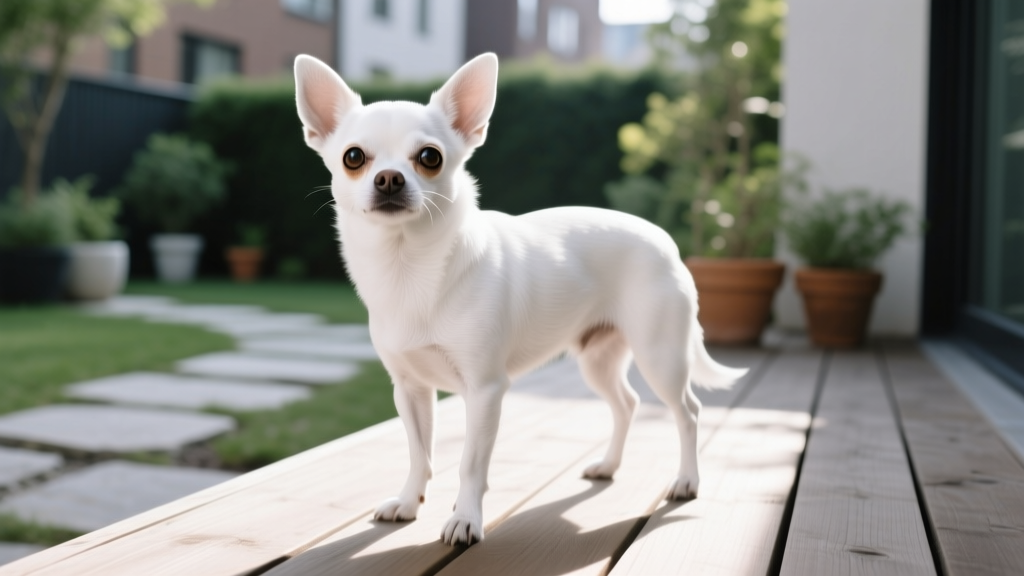
The white Chihuahua is not a separate breed — it is a color variety of the Chihuahua, recognized by the American Kennel Club as one of the smallest purebred dogs in the world. White Chihuahuas come in two coat types: smooth (short-haired) and long-haired. Their all-white or predominantly white coats result from specific gene combinations, most commonly the extreme piebald (sw) gene or dominant white alleles. Unlike albino dogs, a true white Chihuahua has dark eyes, a black or liver nose, and normal pigmentation around the eye rims.
Originating in the Mexican state of Chihuahua in the mid-19th century, the breed descends from the ancient Techichi dogs kept by the Toltec civilization as early as the 9th century CE. The AKC officially recognized the Chihuahua in 1904, and the white variety has grown in popularity due to its striking appearance and compact size. Today, the white Chihuahua remains a favorite among apartment dwellers, seniors, and city-based owners who want a portable, alert companion.
| Attribute | Details |
|---|---|
| Size Class | Toy |
| Weight Range | 2–6 lb / 0.9–2.7 kg |
| Height Range | 5–8 inches / 13–20 cm at the withers |
| Lifespan | 14–18 years (some live to 20) |
| Coat Types | Smooth (short) or Long-haired |
| Coat Color | Pure white, white with cream/ivory markings |
| Energy Level | Moderate — bursts of activity with long rest periods |
| Grooming Needs | Low (smooth) to Moderate (long-haired) |
| Apartment Friendly | Excellent |
| Family Fit | Best with adults or families with children 8+ |
Temperament & Personality: 5 Core Traits of the White Chihuahua
Chihuahuas often get labeled as "yappy" or "aggressive," but that reputation usually stems from under-socialized dogs and permissive owners. A well-raised white Chihuahua displays a far more nuanced personality. Here are the five traits you can expect:
1. Fiercely Loyal to One Person
White Chihuahuas tend to form an intense bond with a single person — often called a "Velcro dog." They will follow you from room to room, curl up in your lap the moment you sit, and may show jealousy when you interact with other pets. This isn't aggression; it's deep attachment. Multi-person households should ensure all family members participate in feeding, walking, and training to prevent resource-guarding behavior toward one individual.
2. Alert and Vocal
Expect your white Chihuahua to announce visitors, delivery drivers, and the neighbor's cat with sharp, rapid barking. They score high on alertness — this is a breed that was historically used as a watchdog despite its tiny size. Training a "quiet" cue early (using positive reinforcement and treat rewards) is essential, especially in apartment buildings where noise complaints are a real concern.
3. Confident and Bold
A well-socialized white Chihuahua will approach unfamiliar dogs — including ones 20 times their size — with zero hesitation. This confidence is charming but dangerous. Owners must manage interactions carefully, as a Chihuahua can be seriously injured by a larger dog that interprets boldness as a challenge. Never leave a Chihuahua unsupervised at an off-leash dog park with large breeds.
4. Surprisingly Playful
Despite their reputation as lap dogs, white Chihuahuas enjoy interactive play. They excel at chasing flirt poles, solving puzzle feeders, and learning trick sequences. Many Chihuahua owners report their dogs enjoy hide-and-seek games and will enthusiastically retrieve small toys in hallway "fetch" sessions.
5. Sensitive to Environment and Routine
Chihuahuas thrive on predictability. Changes in schedule, new furniture, houseguests, or even a moved food bowl can trigger stress behaviors like excessive licking, trembling, or house-soiling in a previously trained dog. Establishing consistent daily routines helps this breed feel secure.
Physical Characteristics: Size, Build, and Coat Details
The white Chihuahua conforms to the same AKC breed standard as all Chihuahuas, with color being the only distinguishing feature. Here is what to expect physically:
- Weight: 2–6 lb (0.9–2.7 kg). The AKC standard specifies a maximum weight of 6 lb for conformation showing. Dogs marketed as "teacup" or "micro" Chihuahuas (under 2 lb) are not recognized by any major registry and are at significantly higher risk for hypoglycemia, fragile bones, and organ failure.
- Height: 5–8 inches (13–20 cm) at the shoulder. There is no height standard in the AKC breed description — weight is the defining metric.
- Head shape: The breed standard calls for a well-rounded "apple dome" skull. Some white Chihuahuas have a "deer head" conformation (longer muzzle, flatter skull), which is a disqualification in the show ring but is common in pet-line dogs and is often associated with fewer respiratory issues.
- Ears: Large, erect ears held at roughly a 45-degree angle when alert. In long-haired varieties, the ears have fringe along the edges.
- Coat (Smooth): Short, close-lying, glossy hair with a soft undercoat present in some individuals. The tail is moderately long, carried in a loop over the back.
- Coat (Long-haired): Soft, flat or slightly wavy hair with an undercoat. Feathering appears on the ears, neck, backs of legs, and tail. The long-haired white Chihuahua requires more grooming but is often described as more elegant in appearance.
- Pigmentation: A true white Chihuahua has black or liver (brown) nose leather, dark brown eyes, and dark eye rims. Pink noses, blue eyes, or lack of pigment around the eyes may indicate the merle gene or double-dapple genetics, which carry serious health risks including deafness and eye abnormalities.
Exercise & Activity Needs
White Chihuahuas do not require marathon walks, but they are not sedentary by nature either. Here is a realistic daily activity framework:
| Activity | Duration | Frequency | Notes |
|---|---|---|---|
| Leash walk | 15–20 minutes | 1–2x daily | Use a harness, never a collar (trachea risk) |
| Indoor play | 10–15 minutes | 2–3x daily | Flirt pole, fetch, tug with soft toys |
| Mental enrichment | 10 minutes | 1x daily | Snuffle mats, puzzle feeders, trick training |
| Supervised outdoor time | 15–30 minutes | Daily (weather permitting) | Avoid temperatures below 45°F (7°C) without a coat |
Total daily exercise target: 30–45 minutes, split across multiple short sessions. Chihuahuas have small bladders and limited stamina, so one long walk is less effective than several short outings. In cold weather, their tiny bodies lose heat rapidly — a fleece-lined dog jacket (brands like Kurgo or Hurtta make Chihuahua-specific sizing) is not a fashion statement but a medical necessity when temperatures drop below 45°F (7°C).
Common Health Issues in White Chihuahuas
The white Chihuahua shares the breed's general health profile, with a few conditions that appear more frequently in predominantly white-coated dogs. Always consult your veterinarian for breed-appropriate screening. According to the Merck Veterinary Manual, the following conditions are most relevant:
| Condition | Description | Estimated Prevalence | Prevention/Screening |
|---|---|---|---|
| Patellar Luxation | Kneecap slips out of groove, causing intermittent skipping or lameness | ~8–10% of Chihuahuas (OFA data) | Annual orthopedic exam; avoid jumping from furniture |
| Tracheal Collapse | Weakening of tracheal cartilage rings causing honking cough | Common in toy breeds; estimated 15–20% lifetime risk | Use harness only; maintain healthy weight |
| Dental Disease | Periodontal disease from crowded teeth in small jaws | Up to 80% by age 3 (veterinary estimates) | Daily tooth brushing; professional cleaning every 1–2 years |
| Congenital Deafness | Unilateral or bilateral deafness linked to white coat/pigment genes | Higher in all-white dogs; ~5–10% estimated in predominantly white toy breeds | BAER hearing test at 6–8 weeks; avoid merle-to-merle breeding |
| Hypoglycemia | Dangerously low blood sugar, especially in puppies under 6 months | Common in toy breed puppies | Frequent small meals (3–4x/day for puppies); keep Nutri-Cal on hand |
White coat–specific concern: Dogs with extreme white spotting or predominantly white coats have a documented increased risk of congenital sensorineural deafness. This is linked to the absence of melanocytes in the inner ear during embryonic development. Ask your breeder for BAER (Brainstem Auditory Evoked Response) test results for both parents and the puppy. A white Chihuahua with one or both blue eyes has a significantly elevated deafness risk and should be evaluated immediately.
Additional conditions to monitor:
- Hydrocephalus ("water on the brain"): More common in apple-headed Chihuahuas. Symptoms include a dome-shaped skull that seems disproportionately large, downward-gazing eyes, seizures, and developmental delays. Typically diagnosed in puppies under 6 months.
- Mitral Valve Disease (MVD): Progressive heart condition common in small breeds. A veterinary cardiology screening with echocardiogram is recommended starting at age 5–6, then annually.
- Molera (open fontanel): Many Chihuahua puppies are born with a soft spot on the skull that may never fully close. While historically considered a breed trait, an open molera increases vulnerability to head trauma. Handle with care and avoid rough play with children.
Grooming Requirements by Coat Type
Grooming demands differ substantially between smooth and long-haired white Chihuahuas. White coats also show dirt, tear stains, and environmental staining more visibly than darker colors.
Smooth-Coat White Chihuahua
- Brushing: Once weekly with a rubber grooming mitt or soft-bristle brush to remove loose hair and distribute skin oils.
- Bathing: Every 3–4 weeks using a whitening or brightening shampoo (e.g., Chris Christensen White on White or BioSilk for Dogs). Avoid human shampoos — canine skin pH is 6.2–7.4, not 5.5.
- Tear stain management: Wipe around the eyes daily with a damp cloth or canine eye wipe. White Chihuahuas are prone to visible reddish-brown tear staining caused by porphyrin pigments in tears.
- Nail trimming: Every 2–3 weeks. Overgrown nails alter gait and can worsen patellar luxation.
- Ear cleaning: Weekly with a veterinarian-recommended ear cleaner. Their large, erect ears collect dust and debris.
Long-Haired White Chihuahua
- Brushing: 2–3 times weekly with a pin brush and metal comb to prevent matting behind the ears, in the armpits, and on the rear feathering.
- Bathing: Every 2–3 weeks. Conditioner is essential — a light leave-in spray (such as The Stuff or Ice on Ice) prevents tangles between baths.
- Sanitary trim: Monthly trimming of hair around the anus and paw pads to maintain hygiene.
- Professional grooming: Optional, but many long-haired Chihuahua owners schedule a bath-and-trim every 6–8 weeks ($40–$65 per session depending on region).
Training & Intelligence
Chihuahuas rank 67th out of 138 breeds in Stanley Coren's The Intelligence of Dogs for working/obedience intelligence — but this ranking reflects their independent streak, not a lack of ability. White Chihuahuas are highly capable learners when motivation is right.
Trainability Rating: Moderate (3.5/5)
They learn new commands in 15–25 repetitions (compared to 5 repetitions for a Border Collie), but they retain what they learn well. The challenge is engagement, not comprehension.
Recommended Training Methods
Only positive reinforcement and force-free methods are appropriate for this breed. Chihuahuas are physically fragile and emotionally sensitive — aversive tools like shock collars, prong collars, or alpha rolls can cause physical injury and will destroy the trust bond that makes training possible.
- High-value treats: Small pieces of freeze-dried liver, boiled chicken, or commercial training treats (Zuke's Mini Naturals are sized appropriately for toy breeds at ~3 calories each).
- Session length: 5 minutes maximum per session, 2–3 sessions per day. Chihuahuas lose focus quickly, and short sessions prevent frustration.
- Priority commands: "Come" (recall), "quiet" (bark control), "drop it" (resource guarding prevention), and "settle" (impulse control).
- Socialization window: Critical between 8–16 weeks. Expose the puppy to 50+ novel stimuli (surfaces, sounds, people of different ages/ethnicities, other vaccinated dogs) before 16 weeks. Enroll in a puppy kindergarten class — many trainers offer toy-breed-specific classes.
- Housetraining: Chihuahuas are notoriously difficult to house-train due to small bladders and a dislike of going outside in cold/wet weather. Indoor options like pee pads, a dog litter box, or a real-grass patch (e.g., Fresh Patch or DoggieLawn, $29–$39/month) are legitimate tools, not failures.
Family Suitability: Kids, Pets, and Living Spaces
Children
White Chihuahuas are not recommended for families with children under 8. A toddler or young child can accidentally injure a 3-lb dog by dropping them, squeezing too hard, or stepping on them. Older children (8+) who can be taught gentle handling and to respect the dog's resting space can coexist well with a Chihuahua. Always supervise all interactions.
Other Pets
Chihuahuas generally do well with other dogs of similar size and with cats when introduced gradually. They can be territorial with unfamiliar dogs entering their home. Introducing a second dog is usually smoother if the Chihuahua is already established in the household. Avoid housing Chihuahuas with large, high-prey-drive breeds (e.g., Greyhounds, Terriers) without careful management.
Apartment Living
The white Chihuahua is one of the best breeds for apartment living. Their small size, moderate exercise needs, and low space requirements make them ideal for studios and one-bedroom units. The primary apartment concern is barking — invest time in bark management training and consider white noise machines to reduce trigger sounds from hallways and neighboring units.
Pros of Owning a White Chihuahua
- Exceptional lifespan (14–20 years)
- Minimal exercise requirements — great for low-mobility owners
- Portable — fits in airline-approved under-seat carriers
- Low food costs (~$20–$35/month for premium kibble)
- Apartment-friendly and quiet when trained
- Deeply affectionate with their person
Cons of Owning a White Chihuahua
- Fragile — easily injured by falls, rough handling, or large dogs
- Difficult to housetrain; cold-weather reluctance compounds the issue
- Prone to excessive barking without training
- Dental disease is nearly inevitable without active prevention
- White coat shows staining and requires more visible maintenance
- Not suitable for families with small children
Cost of Ownership: 2026 Price Breakdown
Understanding the full financial commitment helps you budget realistically. Prices below reflect current US market data.
Puppy Purchase Price
- Responsible breeder (AKC registered, health-tested parents): $1,500–$3,500 for a pet-quality white Chihuahua. Show-quality puppies with champion bloodlines can reach $5,000–$8,000.
- Adoption/rescue: $200–$500 through breed-specific rescues like Chihuahua Rescue & Transport or local shelters. White Chihuahuas appear in rescue occasionally, though they are often quickly adopted.
- Avoid: Puppies priced under $800 from online marketplaces or pet stores. These are frequently sourced from puppy mills where health testing is nonexistent, and white Chihuahuas from these sources have elevated rates of congenital defects.
Annual Care Costs
| Category | Estimated Annual Cost |
|---|---|
| High-quality kibble (small-breed formula, e.g., Royal Canin Chihuahua or Hill's Science Diet Small Paws) | $240–$420 |
| Routine veterinary care (annual exam, DHPP/rabies vaccines, heartworm test, fecal) | $350–$600 |
| Heartworm/flea/tick prevention (e.g., Simparica Trio or NexGard) | $200–$350 |
| Dental care (toothbrush, enzymatic toothpaste, annual professional cleaning) | $300–$800 |
| Grooming (long-haired: professional sessions; smooth: at-home supplies) | $50–$400 |
| Supplies (harness, jacket, bed, toys, indoor potty system) | $150–$300 |
| Pet insurance (recommended; e.g., Trupanion, Healthy Paws) | $300–$600 |
| Total Estimated Annual Cost | $1,590–$3,470 |
First-year total (puppy purchase + annual care + initial supplies + spay/neuter): Expect $3,500–$7,000 depending on breeder pricing and veterinary costs in your area. Emergency veterinary care for conditions like tracheal collapse surgery ($2,500–$5,500) or patellar luxation repair ($1,500–$3,500 per knee) can add significantly if uninsured.
Frequently Asked Questions
Is the white Chihuahua right for first-time owners?
Yes, with caveats. White Chihuahuas are manageable for first-time owners because of their small size, moderate exercise needs, and straightforward care requirements. However, new owners must commit to early socialization (8–16 weeks), consistent positive reinforcement training, and proactive dental care. If you are a first-time owner, enrolling in a puppy training class within the first month is strongly recommended. The breed's stubbornness and housetraining challenges can frustrate inexperienced owners who don't have guidance.
How much exercise does a white Chihuahua need daily?
Aim for 30–45 minutes of total activity per day, split into two 15–20 minute leash walks and 1–2 indoor play sessions of 10–15 minutes each. Mental stimulation (puzzle toys, training, scent games) counts toward their daily enrichment and is just as tiring as physical exercise. Skip walks in extreme cold (below 40°F / 4°C) or extreme heat (above 85°F / 29°C) — replace with indoor activity.
What health problems is the white Chihuahua prone to?
The most significant breed-specific health risks include patellar luxation (kneecap dislocation), tracheal collapse, severe dental disease, congenital deafness (elevated in white-coated dogs), and hypoglycemia in puppies. Secondary concerns include hydrocephalus, mitral valve disease, and open fontanel (molera). Responsible breeders screen for patellar luxation (OFA certification), cardiac conditions (OFA cardiac exam), and eye disorders (CERF/OFA ophthalmologist evaluation). Always request health certificates before purchasing a puppy.
How big does a white Chihuahua get?
Adult white Chihuahuas weigh between 2 and 6 pounds (0.9–2.7 kg) and stand 5 to 8 inches (13–20 cm) tall at the shoulder. Most pet-line white Chihuahuas fall in the 3–5 lb range. There is no such thing as a recognized "teacup" Chihuahua — dogs marketed at under 2 lb are often runts with serious health complications and shortened lifespans.
Is the white Chihuahua good with children and other pets?
White Chihuahuas are best suited to homes with children aged 8 and older who understand gentle handling. Their fragile bones make them vulnerable to accidental injury from toddlers and young children. With other pets, they do well with cats and similarly sized dogs when properly introduced. They can be bossy with larger dogs and may provoke conflict through bold behavior. Always supervise multi-pet interactions and never leave a Chihuahua alone with a dog that has a high prey drive.
How much does a white Chihuahua cost to buy and maintain?
A responsibly bred white Chihuahua puppy costs $1,500–$3,500 from a health-testing AKC breeder. Adoption fees range from $200–$500. Annual maintenance costs run $1,590–$3,470 per year, covering food, routine veterinary care, dental cleanings, parasite prevention, grooming, and pet insurance. First-year costs (including puppy price, initial supplies, and spay/neuter) typically total $3,500–$7,000. Over a 15-year lifespan, total lifetime ownership costs range from approximately $25,000 to $55,000, excluding major emergency treatments.
Are white Chihuahuas deaf?
Not all white Chihuahuas are deaf, but the breed's predominantly white coat is associated with a higher incidence of congenital sensorineural deafness compared to darker-colored Chihuahuas. The condition is linked to the absence of pigment-producing cells (melanocytes) in the inner ear during fetal development. A BAER test — a painless, non-invasive hearing assessment available at veterinary teaching hospitals and specialty clinics — can definitively determine whether a puppy has unilateral (one-ear) or bilateral (both-ear) deafness. Ask your breeder for BAER results before purchase.
Dr. Hannah Wickes
All our authors care for dogs every day — read more of their work on the authors page.


