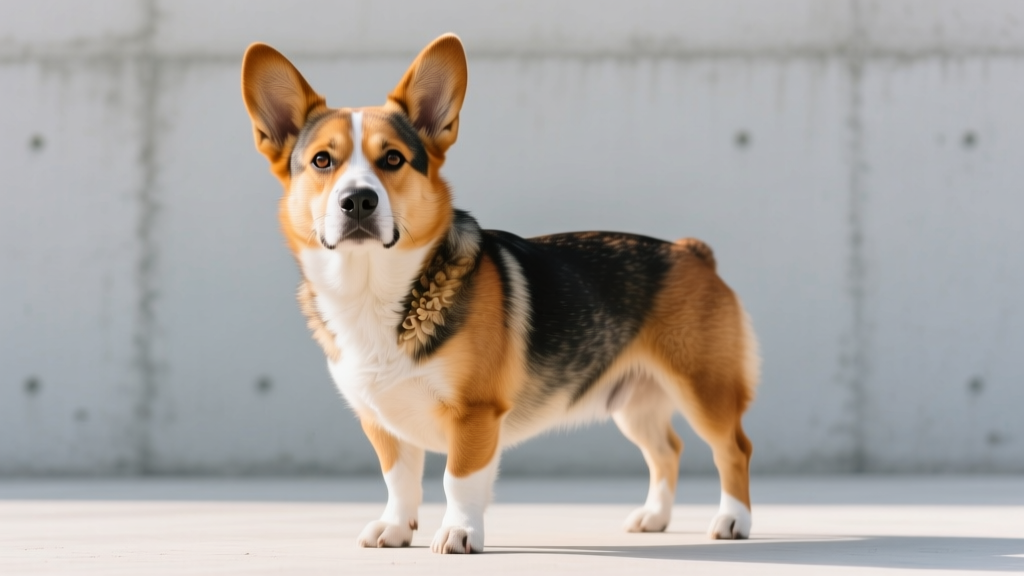
Welsh Corgi Lab Mix: Complete Breed Profile & Care Guide
Everything you need to know about the Welsh Corgi Lab mix — size, temperament, coat types, health risks, costs.

What Two Breeds Make Up the Welsh Corgi Lab Mix?
The Welsh Corgi Lab mix — sometimes called a "Corgidor" or "Corgi Lab" — is a designer cross between a Laborador Retriever and either a Pembroke Welsh Corgi or, less commonly, a Cardigan Welsh Corgi. Most breeders work with the Pembroke variety since it's far more prevalent in the US (the AKC ranks the Pembroke as the 11th most popular breed, while the Cardigan sits around 68th).
This cross first gained traction in the early 2000s alongside the broader designer-dog movement, though it never reached the commercial saturation of Labradoodles or Goldendoodles. The appeal is straightforward: Labrador friendliness paired with Corgi compactness and herding-dog intelligence. But because these parent breeds differ significantly in build, drive, and coat structure, individual puppies in the same litter can look and behave very differently from one another.
- F1 (First Generation): One purebred Labrador × one purebred Welsh Corgi. Maximum genetic diversity, but highest trait variability. Puppies may strongly favor one parent in appearance and temperament.
- F1B (Backcross): An F1 Corgi Lab mix bred back to either a pure Labrador or pure Corgi. Used to reinforce specific traits — backcrossing to a Lab increases size and retrieves drive; backcrossing to a Corgi emphasizes shorter legs and herding instinct.
- F2 (Second Generation): Two F1 Corgi Lab mixes bred together. This generation produces the widest phenotypic spread — expect significant variation in size, coat, and leg length within a single litter.
- Multigen (F3+): Rare for this particular cross. Most Corgi Lab breeders stick to F1 pairings because the physical disparity between parent breeds makes multigen stabilization difficult and ethically questionable regarding skeletal structure.
Most Corgi Lab mixes you'll encounter are F1. Always ask breeders which generation they produce and request documentation of parent breed registration.
Parent Breed Breakdown: Labrador Retriever vs. Welsh Corgi
To predict what a Corgi Lab mix might be like, you need to understand the raw material. Here's how the parent breeds compare across the traits that matter most for daily life:
| Trait | Labrador Retriever | Pembroke Welsh Corgi |
|---|---|---|
| AKC Group | Sporting | Herding |
| Weight | 55–80 lb (25–36 kg) | 25–30 lb (11–14 kg) |
| Height | 21.5–24.5 in (55–62 cm) | 10–12 in (25–30 cm) |
| Energy Level | High — 60–90 min/day | Moderate-High — 45–60 min/day |
| Coat | Short, dense double coat | Medium-length, thick double coat |
| Shedding | Heavy, seasonal blows | Heavy, year-round + seasonal |
| Primary Drive | Retrieving, swimming | Herding, alerting |
| Barking | Moderate | High — vocal breed |
| Lifespan | 11–13 years | 12–15 years |
| Trainability | Very high — food-motivated | High — but independent streak |
The key tension in this cross is structural. Labradors are tall, athletic retrievers built for endurance swimming and fieldwork. Corgis are achondroplastic (dwarf) herding dogs — their short legs are the result of a specific FGF4 retrogene that causes disproportionate limb growth. A Corgi Lab mix may inherit any combination of these skeletal blueprints, which has real implications for joint health.
How Big Will a Welsh Corgi Lab Mix Get?
This is the single most unpredictable aspect of the cross. Because the parent breeds have a 30–50 lb (14–23 kg) weight gap and a 12+ inch height difference, offspring fall across a wide spectrum.
| Measurement | Low End (Corgi-Leaning) | Average | High End (Lab-Leaning) |
|---|---|---|---|
| Weight | 30–40 lb (14–18 kg) | 45–55 lb (20–25 kg) | 60–70 lb (27–32 kg) |
| Height at Shoulder | 12–15 in (30–38 cm) | 15–19 in (38–48 cm) | 19–22 in (48–56 cm) |
| Body Type | Low, long, Corgi-like | Medium, somewhat stocky | Taller, Lab-proportioned |
Leg length is the wildcard. Puppies inheriting the Corgi's FGF4 retrogene will have noticeably shorter legs relative to their body — what breeders call "short-legged" or "dwarf" expression. Those that don't inherit it will have proportionally longer legs, closer to a small Labrador. There's no reliable way to predict this at birth; it becomes visually apparent around 8–12 weeks.
Practical tip: If size matters for your living situation (apartment weight limits, car travel, small children), meet both parent dogs in person. An F1 puppy will almost always land somewhere between the two parents, but "somewhere between" still spans a 30-lb range.
Temperament: What to Expect (and What Might Surprise You)
Both parent breeds are people-oriented, intelligent, and food-motivated — which gives the Corgi Lab mix a strong baseline for trainability. But their working-dog instincts differ in ways that create a genuine temperament spectrum.
- Outgoing and friendly with strangers (Lab influence)
- Alert and watchful without excessive barking
- Eager to please, responds well to positive reinforcement
- Playful and athletic, enjoys fetch and swimming
- Good with children when properly socialized
- Adapts to both active and relaxed household rhythms
- Herding instinct triggers heel-nipping at children or other pets
- High prey drive toward cats, rabbits, squirrels
- Vocal alerting that escalates to nuisance barking
- Stubborn independence (Corgi trait) clashing with Lab eagerness
- Resource guarding tendencies if not addressed early
- Separation anxiety when left alone 6+ hours regularly
The herding instinct is the trait that catches most first-time Corgi Lab owners off guard. Even in Lab-dominant individuals, the Corgi's genetic impulse to control movement can surface as nipping at running children, circling other dogs at the park, or fixating on joggers and cyclists. This isn't aggression — it's hardwired behavior — but it requires active management through redirected training and appropriate outlets like flirt-pole work or herding balls.
Exercise needs typically land at 60–75 minutes per day, split between physical activity and mental stimulation. A 30-minute morning walk plus a 20-minute training session and an evening fetch round works well for most individuals. Under-exercised Corgi Lab mixes tend to develop destructive chewing and attention-barking patterns within 2–3 weeks of inadequate activity.
Coat, Shedding, and Grooming: The Honest Picture
No, the Welsh Corgi Lab mix is not hypoallergenic. Both parent breeds carry double coats that shed heavily, and there is no low-shedding or Poodle-influenced genetics in this cross to reduce allergen-producing dander. If you have dog allergies, this is not a suitable mix.
| Coat Trait | Labrador Inheritance | Corgi Inheritance | Most Common Expression |
|---|---|---|---|
| Length | Short (1–1.5 in) | Medium (2–3 in) | Medium-short (1.5–2.5 in) |
| Texture | Smooth, dense | Slightly coarse, thick | Dense, slightly wiry |
| Shedding Level | Heavy (7/10) | Very Heavy (8/10) | Heavy (7–8/10) |
| Seasonal Blow | Yes — spring/fall | Yes — dramatic | Yes — expect 2–3 weeks of intense shedding twice yearly |
| Colors | Black, yellow, chocolate | Red/sable, tricolor, fawn | Black, red-golden, sable, or combinations with white markings |
Grooming routine for most Corgi Lab mixes:
- Daily (5 min): Quick pass with a slicker brush or rubber curry comb during shedding season (March–May, September–November in most US climates)
- Weekly (10–15 min): Thorough brushing with an undercoat rake — focus on the ruff, britches, and tail area where matting occurs
- Bathing: Every 6–8 weeks, or as needed. Use a deshedding shampoo with omega fatty acids (e.g., Furminator Deshedding Ultra Premium Shampoo, ~$12–15 per 12 oz bottle)
- Nails: Trim every 3–4 weeks — especially important for short-legged individuals where long nails alter weight distribution on the carpal joints
- Never shave: A double coat provides insulation against both heat and cold. Shaving disrupts the guard-hair/undercoat relationship and often causes the coat to grow back patchy or altered in texture
Invest in a good vacuum. Seriously. Corgi Lab owners consistently report that hair management is the number one daily annoyance with this mix. A robot vacuum rated for pet hair (iRobot Roomba j7+, Shark AI Ultra) running on a daily schedule makes a measurable difference.
Health Considerations: Hybrid Vigor vs. Reality
Let's address the hybrid vigor myth directly: crossing two purebreds does not eliminate inherited disease risk. The concept of heterosis (hybrid vigor) has documented benefits in livestock and some dog populations, primarily related to immune system diversity and reduced expression of recessive disorders that are fixed within a single breed. However, a Corgi Lab mix can inherit any condition that either parent breed carries — and the structural disparity between these breeds introduces specific concerns that don't exist in more size-matched crosses.
According to data compiled by the Merck Veterinary Manual and breed-specific health registries, here are the conditions with meaningful prevalence in the parent breeds:
| Condition | Parent Breed Risk | Estimated Prevalence | What to Watch For |
|---|---|---|---|
| Hip Dysplasia | Both breeds | Lab: ~11% OFA-affected; Corgi: ~17% | Bunny-hopping gait, reluctance to jump, stiffness after rest |
| Elbow Dysplasia | Primarily Labrador | ~12% OFA-affected in Labs | Front-limb lameness, especially in puppies 4–10 months |
| Intervertebral Disc Disease (IVDD) | Primarily Corgi (chondrodystrophic) | Up to 25% in chondrodystrophic breeds | Back pain, reluctance to use stairs, sudden hind-limb weakness |
| Progressive Retinal Atrophy (PRA) | Both breeds | Variable; carrier rates ~5–15% | Night blindness progressing to total vision loss |
| Exercise-Induced Collapse (EIC) | Primarily Labrador | ~6% affected, ~30% carriers in Labs | Hind-limb weakness/collapse after intense exercise |
| Obesity | Both breeds (high food drive) | Extremely common — estimated 40–50% of pet dogs | Ribs not palpable, waist absent, BCS 7+/9 |
| Degenerative Myelopathy (DM) | Pembroke Corgi | Carrier rate ~35% in Pembrokes | Progressive hind-limb weakness, typically onset 8+ years |
IVDD deserves special attention in this cross. If a Corgi Lab mix inherits the FGF4 retrogene (which causes both the short legs and the premature disc degeneration associated with chondrodystrophy), they face significantly elevated IVDD risk compared to a Lab-proportioned dog. Disc herniation can occur at any age but peaks between 3–7 years in affected dogs. Preventive measures include:
- Using ramps instead of allowing furniture jumping (especially for short-legged individuals)
- Maintaining lean body condition — every extra pound multiplies spinal load
- Avoiding activities with high vertical impact (agility jumps, repetitive frisbee catches) until growth plates close at 14–18 months
- Harness walking rather than collar-and-leash for dogs with shorter necks
Responsible breeders should provide: OFA or PennHIP hip scores for both parents, OFA elbow scores for the Lab parent, DNA test results for PRA (prcd-PRA), EIC, and DM, and a written health guarantee of at least 2 years. Expect to pay $150–300 in health-testing documentation costs per litter from a breeder doing this correctly.
Always consult your veterinarian about a breed-appropriate screening schedule. For a Corgi Lab mix, baseline hip/elbow radiographs at 24 months and annual ophthalmologic exams from age 5 onward are prudent.
Cost Breakdown: Purchase Price and Annual Care
The Corgi Lab mix sits in a moderate price range for designer dogs — less expensive than high-demand doodle crosses but more than many shelter-available mixes.
| Cost Category | Low | Typical | High |
|---|---|---|---|
| Puppy Purchase (Breeder) | $800 | $1,200–$1,800 | $2,500+ |
| Adoption/Rescue | $150 | $300–$500 | $650 (specialty rescue) |
| First-Year Veterinary | $600 | $900–$1,400 | $2,000+ |
| Annual Ongoing Vet Care | $400 | $600–$900 | $1,200+ |
| Food (Quality Kibble) | $480/yr | $600–$840/yr | $1,080+/yr |
| Pet Insurance (Monthly) | $30/mo | $45–$65/mo | $85+/mo |
First-year total budget estimate: $3,000–$5,500 including puppy purchase, initial veterinary care (vaccines, spay/neuter, microchip, baseline bloodwork), supplies (crate, bed, harness, grooming tools), and food. Subsequent years typically run $1,800–$3,200 depending on insurance choices and any emerging health conditions.
Availability through rescue: Corgi Lab mixes appear in breed-specific rescues (Pembroke Welsh Corgi rescue networks, Lab rescue organizations) and general shelters, particularly in the Southeast and Midwest US where both parent breeds are popular. Check Petfinder and Adopt-a-Pet with both parent breed names as search terms. Adult dogs (2–5 years) from rescue often have established temperament profiles, which reduces the predictability gamble of buying a puppy.
Who Should (and Shouldn't) Get a Corgi Lab Mix?
After working with dozens of families who've brought home designer crosses, I've noticed clear patterns in who thrives with a Corgi Lab mix and who struggles.
- Active families with children 8+ who can participate in training
- Homes with fenced yards (minimum 4 ft for Lab-leaning, 5 ft for athletic individuals)
- Owners with prior dog experience — especially herding or sporting breeds
- People who enjoy structured training sessions and canine sports (rally, nosework, dock diving)
- Households where someone is home most of the day (freelancers, remote workers, retirees)
- Multi-pet homes with other dogs (both breeds are generally dog-social)
- You have toddlers — herding nips and a 50-lb dog knocking into small children is a real risk
- You live in an apartment with strict noise rules — alert barking is common
- You work 10+ hour days away from home
- You want a low-maintenance coat — this mix sheds relentlessly
- You have cats or small pets and cannot commit to careful introductions
- You prefer a dog that's content with two short daily walks
- This is your first dog and you're not prepared for herding-breed intensity
Training approach: Use positive reinforcement exclusively — food rewards (small, high-value treats like Zuke's Mini Naturals, ~3 calories each), toy rewards for retrieve-driven individuals, and life-reward protocols (sit-to-earn for door access, meals, leash attachment). Avoid shock collars, prong collars, or any aversive methods; both parent breeds are sensitive to handler frustration and shut down under punitive training. A certified force-free trainer (look for CCPDT or IAABC credentials) can help navigate herding-specific behaviors in the first 6 months.
Socialization window: The critical socialization period closes around 14–16 weeks. Plan structured exposure to 50+ novel stimuli (surfaces, sounds, people types, other animals) before this window closes. Puppy kindergarten classes starting at 8–10 weeks (after first DHPP vaccine) provide both socialization and early training foundations.
Frequently Asked Questions
Are Welsh Corgi Lab mixes recognized by the AKC?
No. The American Kennel Club does not register designer crosses. Both parent breeds are AKC-recognized (Labrador Retriever since 1917, Pembroke Welsh Corgi since 1934), but their offspring can only be registered with designer-dog registries like the American Canine Hybrid Club (ACHC) or Designer Dogs Kennel Club (DDKC). These registries do not carry the same weight for health-testing verification as AKC registration of parent dogs.
How long do Welsh Corgi Lab mixes typically live?
Most fall in the 11–14 year range, blending the Labrador's 11–13 year expectancy with the Corgi's 12–15 years. Smaller individuals (Corgi-leaning) tend toward the longer end. Lifespan is significantly influenced by weight management — obese dogs of any breed lose an average of 2+ years of life expectancy.
Do Corgi Lab mixes get along with cats?
It depends heavily on individual prey drive and early exposure. Labradors generally have moderate prey drive that's manageable with cats, but Corgis have strong herding instincts that can manifest as chasing and nipping at fleeing animals. Puppies raised alongside cats from 8 weeks onward typically adapt well. Adult dogs without cat exposure require careful, supervised introductions over 2–4 weeks using baby gates and positive reinforcement for calm behavior.
Can a Corgi Lab mix compete in dog sports?
Absolutely — and this is where the cross really shines. Their combination of intelligence, food motivation, and athleticism makes them strong candidates for rally obedience, nosework, barn hunt, and (for Lab-proportioned individuals) agility and dock diving. Short-legged individuals should avoid high-impact jumping sports to protect spinal health, but excel in scent work and obedience-based competitions.
What should I feed a Welsh Corgi Lab mix?
Choose an AAFCO-certified complete-and-balanced diet appropriate for your dog's life stage. For adults, look for kibble with a minimum 22% protein (dry matter basis) and controlled calorie density — both parent breeds are prone to overeating. Most 40–55 lb Corgi Lab mixes need 900–1,200 calories per day at a healthy activity level. Measure food by weight using a kitchen scale rather than volume with a cup; a 10% overfeeding error adds significant weight over 6 months on a food-motivated breed.
Is this mix good for first-time dog owners?
It can work, but it's not ideal. The herding instincts, vocal tendencies, and exercise requirements demand more active management than breeds typically recommended for novices (Labrador alone, Golden Retriever, Cavalier King Charles Spaniel). If you're a first-time owner set on this mix, commit to puppy kindergarten by 10 weeks, a structured 6-month training plan with a certified force-free trainer, and daily mental stimulation. The Lab's forgiving temperament helps offset the Corgi's intensity, but you'll need to be proactive.
Tom Renshaw
All our authors care for dogs every day — read more of their work on the authors page.