12 Types of Shepherd Dogs: Complete Breed Comparison Guide
Explore 12 types of shepherd dogs with detailed comparisons of temperament, size, energy, health risks, and costs to find the right herding breed for your lifestyle.
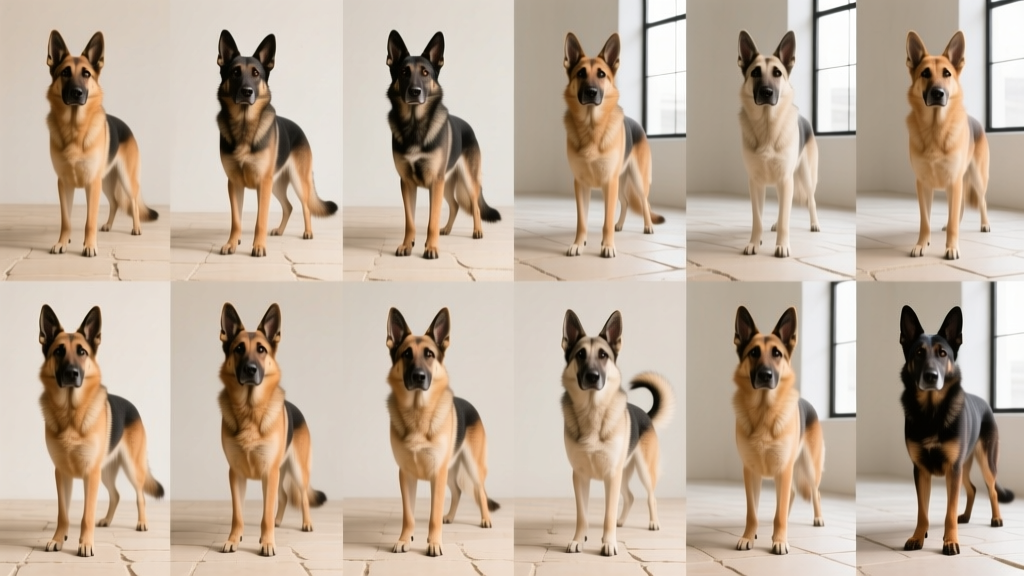
What Qualifies a Dog as a "Shepherd" Breed?
The term "shepherd" spans a wide spectrum of working dogs — from the iconic German Shepherd to lesser-known regional herders like the Bergamasco. But not every breed with "shepherd" in its name shares the same traits, and some of the best herding dogs don't carry the label at all. Before we rank the top types of shepherd dogs, here's exactly how we built this list.
Our Selection Criteria
Every breed on this list meets all four of the following requirements:
- Herding lineage: The breed was historically developed for livestock herding, guarding, or driving (per AKC Herding Group classification or FCI Group 1 designation).
- Recognized breed standard: Full recognition by at least one major registry (AKC, UKC, FCI, or The Kennel Club UK).
- Active ownership viability: The breed is realistically obtainable through responsible breeders or rescue organizations in the US, with established breed clubs.
- Distinct temperament profile: Each entry offers a meaningfully different combination of energy, trainability, and family compatibility — no near-duplicates.
We evaluated 23 candidate breeds and narrowed to 12 that represent the full range of what "shepherd dog" means for modern owners. Breeds are grouped logically below: versatile all-rounders first, then high-drive working lines, then family-adaptable herders, and finally rare specialists.
The Versatile All-Rounders: Shepherd Breeds for Experienced Owners
1. German Shepherd Dog (GSD)
Size Class: Large (50–90 lb / 23–41 kg) | Key Trait: Unmatched versatility — police work, service dogs, search-and-rescue, and family protection
The German Shepherd remains the benchmark against which all other shepherd breeds are measured. Bred in Germany in the late 1800s by Captain Max von Stephanitz for intelligence and working ability over appearance, the GSD consistently ranks among the top 5 most popular breeds in the US. Expect 60–90 minutes of structured daily exercise, advanced obedience training, and a dog that bonds intensely with its handler. Show-line GSDs tend toward calmer temperaments; working-line dogs (Czech, DDR, Belgian cross) carry significantly higher drive and are not suitable for first-time owners. Hip and elbow dysplasia affect an estimated 19–20% of the breed per OFA breed statistics. Budget $1,500–$4,000 for a health-tested puppy from a responsible breeder.
2. Belgian Malinois
Size Class: Large (40–80 lb / 18–36 kg) | Key Trait: Elite athletic drive — the breed of choice for modern military and detection work
Often mistaken for a smaller German Shepherd, the Malinois is a distinct breed with markedly higher intensity. This is not a casual ownership dog: Malinois require 90–120+ minutes of physically and mentally demanding activity daily, plus a structured job (agility, bite sport, scent work, or advanced obedience). They excel in IPO/IGP, French Ring, and military K9 roles. Without sufficient outlet, they develop destructive behaviors and anxiety rapidly. Lifespan averages 14–16 years — longer than the GSD — but the commitment level is extreme. Puppies from working-line breeders run $1,500–$3,500. This breed made our list because it represents the upper limit of shepherd-dog intensity and is essential context for anyone comparing shepherd types.
3. Dutch Shepherd (Hollandse Herder)
Size Class: Large (50–70 lb / 23–32 kg) | Key Trait: GSD-level capability with lower genetic disease prevalence
The Dutch Shepherd shares the Belgian Shepherd's ancestry but was developed in the Netherlands with a brindle-only coat standard that helps distinguish it visually. Recognized by the UKC and FCI (not yet fully AKC-recognized, but in the Foundation Stock Service), Dutch Shepherds are increasingly used in police and military work as an alternative to Malinois. They tend to be slightly more biddable and less "sharp" than Malinois while maintaining excellent working drive. Health testing is robust in the Dutch breeding community; hip dysplasia rates are estimated below 8%. Availability in the US is limited — expect waitlists of 12–18 months and prices of $2,000–$3,500.
High-Drive Working Shepherds: Built for the Field
4. Australian Shepherd
Size Class: Medium (40–65 lb / 18–29 kg) | Key Trait: High-energy versatility with strong handler focus — top agility and disc dog competitor
Despite the name, the Australian Shepherd was developed in the western United States by Basque shepherds. Aussies are the most popular herding breed for active families and dog sport enthusiasts. They require 60–90 minutes of vigorous daily exercise and thrive with a training job. The breed's merle coat gene requires careful breeding — double-merle pairings produce puppies with deafness and eye defects, so always verify that breeders perform OFA eye exams and BAER hearing tests. The Miniature American Shepherd (20–40 lb / 9–18 kg) is a separate AKC-recognized breed descended from smaller Aussies and offers similar traits in a more compact package. Puppy prices: $800–$2,500.
5. Border Collie
Size Class: Medium (30–55 lb / 14–25 kg) | Key Trait: Widely considered the most intelligent dog breed — unrivaled herding instinct and problem-solving
The Border Collie originated along the Anglo-Scottish border and remains the gold standard for livestock herding worldwide. Stanley Coren's The Intelligence of Dogs ranked them #1 in working/obedience intelligence, learning new commands in under 5 repetitions. This cognitive capacity is a double-edged sword: without mental stimulation, Border Collies develop obsessive behaviors (shadow-chasing, fly-snapping, compulsive circling). They need 90–120 minutes of combined physical and mental exercise daily. Not recommended for apartment living or sedentary households. The MDR1 gene mutation (affecting drug sensitivity) is present in approximately 4% of the breed — ask breeders for genetic test results. Cost: $800–$2,000 from health-tested breeders.
6. Australian Kelpie
Size Class: Medium (31–46 lb / 14–21 kg) | Key Trait: Extreme endurance — bred to work 30+ miles per day in Australian outback heat
The Kelpie is Australia's working ranch dog par excellence, capable of covering vast distances in harsh conditions with minimal direction. They are independent thinkers who bond closely with one handler. Kelpies are less common in the US (the AKC does not fully recognize them, but the UKC does), and most American Kelpies come from working-line imports. They are not a good fit for families wanting a relaxed companion — this breed needs a job or a very active lifestyle involving running, hiking, or ranch work. Expect cerebellar abiotrophy screening from responsible breeders. Prices: $1,200–$2,500 with limited US availability.
Family-Adaptable Shepherds: Herding Instinct Meets Household Life
7. Shetland Sheepdog (Sheltie)
Size Class: Small (15–25 lb / 7–11 kg) | Key Trait: Miniature herder with big-dog intelligence — ideal for families wanting shepherd traits in a smaller dog
Developed on Scotland's Shetland Islands as a compact herding dog for small farms, the Sheltie retains strong herding instinct and trainability in a 15–25 lb package. They rank #6 in Coren's intelligence rankings and excel in obedience, agility, and rally. Shelties are vocal — they will alert-bark at strangers, delivery drivers, and passing squirrels — which makes them excellent watchdogs but requires training management. They do well in apartments if exercised adequately (45–60 minutes daily). Health concerns include dermatomyositis (an autoimmune skin/muscle condition) and the MDR1 mutation. Puppies: $800–$1,800.
8. White Swiss Shepherd (Berger Blanc Suisse)
Size Class: Large (55–88 lb / 25–40 kg) | Key Trait: GSD build with a softer temperament and striking white coat
The White Swiss Shepherd descends from white-coated German Shepherd lines that were excluded from the German breed standard in the 1930s. Recognized by the FCI (not AKC), they were developed in Switzerland as a distinct breed with deliberately lower aggression thresholds and higher sociability than working-line GSDs. They make excellent family dogs for households wanting shepherd-type appearance without the protection-dog intensity. Exercise needs are moderate: 45–60 minutes daily. The white coat is not albinism — it's a recessive gene masking pigment. Limited US availability; expect $1,500–$3,000 from import breeders.
9. Old English Sheepdog
Size Class: Large (60–100 lb / 27–45 kg) | Key Trait: Gentle giant herder — lowest drive on this list, best for relaxed households
The Old English Sheepdog (OES) was originally a drover's dog in southwestern England, driving cattle and sheep to market. Today's OES is notably calmer than most herding breeds, requiring only 30–60 minutes of moderate exercise. Their shaggy double coat demands significant grooming — budget $60–$100 per professional grooming session every 6–8 weeks, or commit to daily brushing. Health screening should include hip evaluation, cerebellar degeneration testing, and cardiac exams. They are good with children and other pets when socialized early. Puppy prices: $1,200–$2,500. The OES earned its spot here as the lowest-energy shepherd-type breed, filling an important niche for less active families.
Rare & Regional Shepherd Specialists
10. Bergamasco Shepherd
Size Class: Large (57–84 lb / 26–38 kg) | Key Trait: Unique flocked coat and independent alpine herding heritage
Originating in the Italian Alps, the Bergamasco is instantly recognizable by its distinctive "flocks" — flat layers of felted hair that form naturally and require no brushing once mature (around 2–3 years). They are independent, calm, and patient, bred to make decisions without handler direction in mountain terrain. Bergamascos are rare in the US (AKC recognized since 2015) with fewer than 200 registered dogs. They suit experienced owners who appreciate an undemanding but intelligent companion. Exercise: 45–60 minutes daily. Health is generally robust; responsible breeders screen for hip dysplasia and eye conditions. Price: $2,000–$3,500 with long waitlists.
11. Belgian Tervuren
Size Class: Large (45–75 lb / 20–34 kg) | Key Trait: Elegant long-coated Belgian Shepherd with balanced drive and sensitivity
One of four Belgian Shepherd varieties (alongside Malinois, Groenendael, and Laekenois), the Tervuren sports a mahogany-and-black long coat. They share the Malinois's intelligence and athleticism but tend to be more sensitive and less hard-edged, making them more manageable in a family setting. Tervurens excel in obedience, agility, herding trials, and therapy work. They require 60–90 minutes of daily activity and respond poorly to harsh training — positive reinforcement methods are essential. Epilepsy has a higher prevalence in the breed than the general dog population. AKC-recognized; puppy prices range $1,500–$2,500.
12. Miniature American Shepherd
Size Class: Small-Medium (20–40 lb / 9–18 kg) | Key Trait: Australian Shepherd temperament in a travel-friendly, apartment-viable size
Recognized by the AKC in 2015, the Miniature American Shepherd ("Mini Am") was selectively bred from smaller Australian Shepherds to create a compact herding dog. They retain the Aussie's intelligence, trainability, and merle coloring in a 13–18 inch tall package. Ideal for owners who want herding-breed traits but live in smaller homes or travel frequently. Exercise needs are moderate: 45–60 minutes daily. Same health considerations as Aussies apply — MDR1 testing, hip evaluation, and eye exams are essential. Puppies: $900–$2,000.
Side-by-Side: How These 12 Shepherd Breeds Compare
| Breed | Weight (lb/kg) | Daily Exercise | Family-Friendly | First-Time Owner | Puppy Cost Range |
|---|---|---|---|---|---|
| German Shepherd | 50–90 / 23–41 | 60–90 min | ★★★★☆ | Show-line only | $1,500–$4,000 |
| Belgian Malinois | 40–80 / 18–36 | 90–120+ min | ★★★☆☆ | Not recommended | $1,500–$3,500 |
| Dutch Shepherd | 50–70 / 23–32 | 60–90 min | ★★★★☆ | Experienced preferred | $2,000–$3,500 |
| Australian Shepherd | 40–65 / 18–29 | 60–90 min | ★★★★★ | Active first-timers OK | $800–$2,500 |
| Border Collie | 30–55 / 14–25 | 90–120 min | ★★★★☆ | Not recommended | $800–$2,000 |
| Australian Kelpie | 31–46 / 14–21 | 90–120+ min | ★★★☆☆ | Not recommended | $1,200–$2,500 |
| Shetland Sheepdog | 15–25 / 7–11 | 45–60 min | ★★★★★ | Yes | $800–$1,800 |
| White Swiss Shepherd | 55–88 / 25–40 | 45–60 min | ★★★★★ | Yes | $1,500–$3,000 |
| Old English Sheepdog | 60–100 / 27–45 | 30–60 min | ★★★★★ | Yes | $1,200–$2,500 |
| Bergamasco | 57–84 / 26–38 | 45–60 min | ★★★★☆ | Experienced preferred | $2,000–$3,500 |
| Belgian Tervuren | 45–75 / 20–34 | 60–90 min | ★★★★☆ | Active first-timers OK | $1,500–$2,500 |
| Mini American Shepherd | 20–40 / 9–18 | 45–60 min | ★★★★★ | Yes | $900–$2,000 |
How to Choose: A Decision Framework for Your Lifestyle
The "best" shepherd breed depends entirely on your living situation, time commitment, and experience level. Use this framework to narrow your top 3:
Step-by-Step Breed Selection
- How much daily exercise time can you commit?
- Under 60 minutes → Old English Sheepdog, Shetland Sheepdog, or Miniature American Shepherd
- 60–90 minutes → German Shepherd (show-line), Australian Shepherd, Belgian Tervuren, White Swiss Shepherd, or Bergamasco
- 90–120+ minutes → Belgian Malinois, Border Collie, Australian Kelpie, or Dutch Shepherd
- What's your living situation?
- Apartment/condo → Sheltie, Mini American Shepherd (the only two shepherd breeds realistically suited to apartment life with adequate walks)
- House with fenced yard → Any breed on this list with matching exercise commitment
- Rural property/acres → Border Collie, Kelpie, or Malinois thrive with space to run
- Do you have children or other pets?
- Young children → Avoid Malinois and Kelpie (high prey drive + intensity). Best picks: Sheltie, OES, White Swiss Shepherd, Mini American Shepherd
- Other dogs → Most shepherd breeds integrate well with proper socialization; same-sex aggression can occur in intact GSDs and Malinois
- Cats/small pets → Herding instinct varies individually; Shelties and Aussies may try to "herd" cats. Early socialization is critical regardless of breed
- What's your training experience?
- First-time owner → Sheltie, Mini American Shepherd, Old English Sheepdog, or show-line GSD with professional training support
- Some experience → Australian Shepherd, Belgian Tervuren, White Swiss Shepherd
- Advanced handler → Malinois, Border Collie, Kelpie, Dutch Shepherd — these breeds need confident, knowledgeable owners
Veterinary Note: Before committing to any shepherd breed, consult your veterinarian about breed-specific health screening. Ask breeders for OFA or PennHIP hip certifications, eye exam results (CERF/CAER), and breed-relevant genetic panels (MDR1 for Aussies and Shelties, degenerative myelopathy for GSDs). A pre-purchase vet consultation costs $50–$100 and can save thousands in future medical bills.
Honorable Mentions & Breeds to Approach With Caution
Honorable Mentions (Didn't Quite Make the Top 12)
- Belgian Groenendael: The black long-coated Belgian Shepherd — nearly identical to the Tervuren in temperament but rarer in the US. Excellent for experienced owners who want a striking black shepherd.
- Belgian Laekenois: The rarest Belgian Shepherd variety with a wiry coat. AKC-recognized since 2020 but extremely limited US availability.
- Anatolian Shepherd: A livestock guardian breed (not a herder) — included here because the name causes confusion. Anatolians are massive (80–150 lb / 36–68 kg), independent, and not suited to typical pet ownership. They require experienced handlers and rural property.
- Caucasian Shepherd (Ovcharka): Another guardian breed often confused with herding shepherds. Extremely powerful, territorial, and not appropriate for suburban homes. Specialist ownership only.
Breeds to Approach With Caution
- Working-line German Shepherds (Czech/DDR lines): These dogs are bred for protection sport and police work, not companionship. They carry extreme drive, sharp nerve, and require professional-level handling. They are frequently surrendered by unprepared owners. Unless you have IPO/protection sport experience, choose show-line or pet-line GSDs.
- "Rare color" German Shepherds marketed at premium prices: Blue, liver, and panda-colored GSDs are often bred for color over health and temperament. Reputable breeders do not charge premiums for disqualifying colors. Verify health testing regardless of coat color.
Frequently Asked Questions About Shepherd Dog Breeds
What are the best shepherd dog breeds for families with children?
The top family-friendly shepherd breeds are the Shetland Sheepdog, Old English Sheepdog, Miniature American Shepherd, and White Swiss Shepherd. These breeds combine herding intelligence with lower intensity and good tolerance for household chaos. Always supervise interactions between any dog and young children, and teach children to respect the dog's space during eating and sleeping.
Why is the Belgian Malinois on this list if it's so difficult to own?
The Malinois is included because it represents the upper extreme of shepherd-dog capability and is essential for comparison. Many prospective owners research "types of shepherd dogs" and encounter Malinois content without understanding the commitment. Including it with clear caveats helps readers make informed decisions — and helps prevent the breed surrenders that occur when unprepared owners acquire one. If you're drawn to the Malinois's appearance and athleticism but lack the experience, the Belgian Tervuren or Dutch Shepherd offer similar traits with more manageable intensity.
How do shepherd breeds compare on grooming requirements?
Grooming needs vary dramatically. The Old English Sheepdog requires the most maintenance (daily brushing plus professional grooming every 6–8 weeks at $60–$100 per session). The Bergamasco's flocked coat is paradoxically low-maintenance once mature. Short-coated breeds like the Malinois and Dutch Shepherd need only weekly brushing. Double-coated breeds (GSD, Aussie, Sheltie) shed heavily seasonally and need regular undercoat raking — invest in an undercoat rake ($15–$25) and expect vacuuming 2–3 times weekly during shedding season.
Which shepherd breed is easiest to train?
The Border Collie learns fastest, but "easiest to train" and "easiest to live with" are different things. Border Collies learn bad habits as quickly as good ones. For first-time owners seeking a trainable shepherd, the Shetland Sheepdog or Miniature American Shepherd offer the best combination of quick learning and forgiving temperament. Use positive reinforcement methods exclusively — force-free training with high-value treats (small pieces of chicken, cheese, or commercial training treats like Zuke's Mini Naturals at ~$6/bag) produces reliable results without the behavioral fallout of aversive methods.
What's the annual cost of owning a shepherd breed?
Beyond the initial puppy purchase, budget $1,800–$3,500 annually for a large shepherd breed. This includes quality food ($50–$90/month for a 50–80 lb dog on an AAFCO-approved diet), routine veterinary care ($400–$700/year including vaccines, heartworm prevention, and annual exams), grooming ($0–$1,200/year depending on coat type), training classes ($150–$400 for group obedience or $500–$1,500 for private sessions), and pet insurance ($40–$80/month for comprehensive coverage). Large shepherd breeds are predisposed to hip dysplasia, so insurance with orthopedic coverage is strongly recommended — a total hip replacement costs $5,000–$8,000 per hip.
Are shepherd dogs good for first-time owners?
Some are, most aren't. The Shetland Sheepdog, Miniature American Shepherd, Old English Sheepdog, and show-line White Swiss Shepherd are realistic choices for committed first-time owners who will invest in puppy socialization classes (starting at 8–12 weeks) and basic obedience training. Avoid Malinois, Border Collies, Kelpies, and working-line GSDs as a first dog — these breeds need experienced handlers who can recognize and manage drive-related behavioral issues before they become entrenched.
Sources: Breed standards and group classifications via the American Kennel Club Herding Group; health statistics from the Orthopedic Foundation for Animals; temperament and intelligence data referenced from the Merck Veterinary Manual.
Marcus Aldridge
All our authors care for dogs every day — read more of their work on the authors page.


