Toy Poodle Mix Breeds: A Complete Guide to Designer Crosses
Explore popular toy poodle designer mixes including Cockapoos, Maltipoos, and more. Learn about size, temperament, health, cost, and care in 2026.
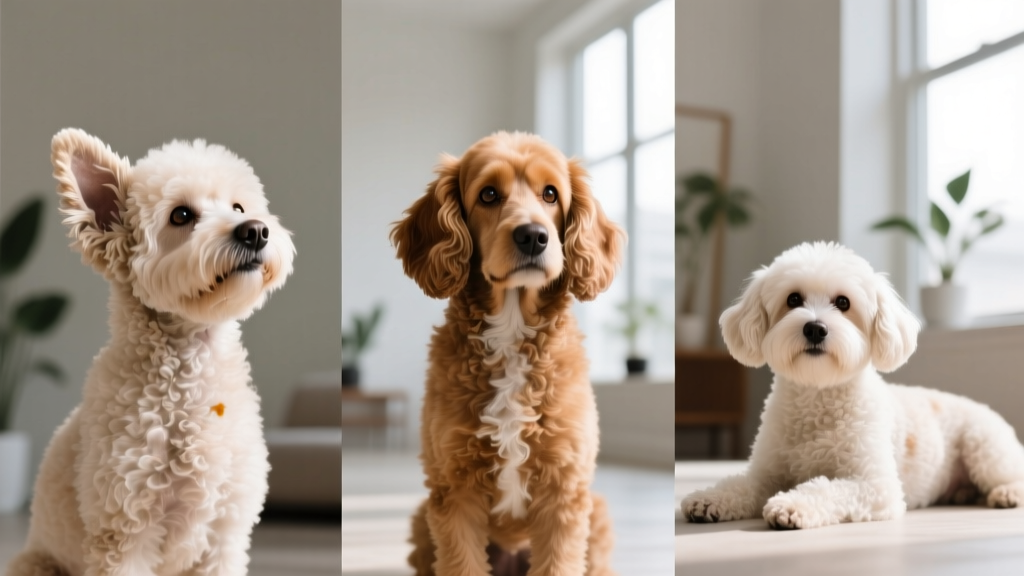
Why the Toy Poodle Is the Star of the Designer Dog World
The toy poodle has quietly become the most sought-after parent breed in the designer dog market. Standing no taller than 10 inches at the shoulder and weighing between 4 and 6 pounds (1.8–2.7 kg), this smallest variety of poodle brings a low-shedding coat, high intelligence, and a compact frame to dozens of popular mixed breeds. From the Cockapoo to the Maltipoo to the Yorkipoo, toy poodle genetics show up in some of the most beloved companion dogs in the United States.
But here's what many prospective owners miss: crossing a toy poodle with another breed doesn't produce a cookie-cutter result. Every litter — and every puppy within that litter — can look, behave, and grow differently. This guide breaks down the most common toy poodle mixes, explains what generation labels like F1 and F1B actually mean, and gives you the concrete data you need to decide whether one of these crosses fits your household.
Parent Breed Breakdown: What Each Side Brings
Understanding a designer mix starts with understanding both parent breeds. Here's how the toy poodle stacks up against the most common breeds it's crossed with:
| Trait | Toy Poodle | Cocker Spaniel | Maltese | Yorkshire Terrier |
|---|---|---|---|---|
| AKC Group | Non-Sporting / Toy | Sporting | Toy | Toy |
| Weight | 4–6 lb (1.8–2.7 kg) | 20–30 lb (9–14 kg) | Under 7 lb (3.2 kg) | 4–7 lb (1.8–3.2 kg) |
| Coat Type | Curly, single-layer, low-shedding | Silky to wavy, double coat, moderate shedding | Long, straight, single-layer, low-shedding | Long, silky, single-layer, low-shedding |
| Energy Level | Moderate-high | Moderate | Low-moderate | Moderate |
| Lifespan | 14–18 years | 10–14 years | 12–15 years | 11–15 years |
| Trainability | Exceptionally high (ranked #2 in canine intelligence per Stanley Coren) | Good, but can be easily distracted | Moderate, responds to gentle methods | Moderate, can be stubborn |
The toy poodle consistently contributes three things: a low-shedding coat gene, compact size, and sharp trainability. The other parent breed determines how much those traits actually express in the offspring — and that's where variability enters the picture.
Popular Toy Poodle Mixes at a Glance
Here are the most common designer breeds where a toy poodle serves as one parent, along with what you can generally expect:
Cockapoo (Toy Poodle × Cocker Spaniel)
One of the oldest designer breeds, dating back to the 1950s in the U.S. When a toy poodle is used (rather than a miniature), the resulting Cockapoo typically weighs 6–12 lb (2.7–5.4 kg) and stands 8–11 inches tall. Coat ranges from loose waves to tight curls. Known for an outgoing, affectionate temperament, though the Cocker Spaniel's higher prey drive and potential for ear infections carry over.
Maltipoo (Toy Poodle × Maltese)
Both parents are toy breeds, so size predictability is higher here. Maltipoos typically weigh 5–12 lb (2.3–5.4 kg) and stand 8–12 inches. The coat is usually soft and wavy to curly, with very low shedding. Temperament tends toward gentle and companion-oriented, though some individuals inherit the Maltese's wariness of strangers.
Yorkipoo (Toy Poodle × Yorkshire Terrier)
A tiny cross, usually 4–10 lb (1.8–4.5 kg). The Yorkie's terrier personality can add boldness and vocal tendencies to the poodle's intelligence. Coat is typically silky with a slight wave. These dogs often bond intensely with one person and can be reserved with newcomers.
Pomapoo (Toy Poodle × Pomeranian)
Weighing 5–10 lb (2.3–4.5 kg), Pomapoos often inherit the Pomeranian's foxlike face and confident personality. The coat can be fluffy and straight or wavy, and shedding varies more widely than in other poodle mixes because the Pomeranian is a moderate-to-heavy shedder.
Peekapoo (Toy Poodle × Pekingese)
A less common cross at 7–14 lb (3.2–6.4 kg). The Pekingese contributes a brachycephalic (flat-faced) structure, which can create breathing concerns — a combination worth discussing with your veterinarian before committing to this mix.
Understanding Generations: F1, F1B, F2, and Multigen
If you've browsed breeder websites, you've likely seen these labels. They matter because they directly affect how predictable your puppy's traits will be.
Generation Guide for Toy Poodle Mixes
- F1 (First Generation): One purebred toy poodle × one purebred other breed. Maximum genetic diversity, but highest trait variability. Puppies in the same litter can look and behave very differently. Coat type is a coin flip.
- F1B (First Generation Backcross): An F1 mix bred back to one of the parent breeds — usually the toy poodle, to reinforce the low-shedding coat. Roughly 75% poodle genetics. More predictable coat and size, but slightly less genetic diversity.
- F2 (Second Generation): Two F1 mixes bred together. Trait predictability drops again because recessive genes from both parent breeds can resurface. An F2 Cockapoo litter might produce puppies with straight, wavy, and curly coats all at once.
- Multigen (F3 and beyond): Multiple generations of the same cross bred together. Some multigen lines achieve reasonable consistency, but they are still not a recognized breed. Reputable multigen breeders health-test every generation.
Key takeaway: F1B crosses tend to be the most predictable for coat type and size. If low-shedding is your top priority (for allergy management, for example), an F1B or multigen line with documented coat testing is your safest bet.
Size, Coat, and Appearance: What to Actually Expect
Because toy poodle mixes vary so widely depending on the other parent breed and the generation, here's a realistic range across the most popular crosses:
| Mix | Min Weight | Max Weight | Height Range | Coat Variability |
|---|---|---|---|---|
| Cockapoo (toy) | 6 lb (2.7 kg) | 14 lb (6.4 kg) | 8–12 inches | Wavy to curly; low to moderate shedding |
| Maltipoo | 5 lb (2.3 kg) | 12 lb (5.4 kg) | 8–12 inches | Soft, wavy-curly; very low shedding |
| Yorkipoo | 4 lb (1.8 kg) | 10 lb (4.5 kg) | 7–11 inches | Silky, slight wave; low shedding |
| Pomapoo | 5 lb (2.3 kg) | 10 lb (4.5 kg) | 8–10 inches | Fluffy, straight to wavy; moderate shedding possible |
| Peekapoo | 7 lb (3.2 kg) | 14 lb (6.4 kg) | 8–12 inches | Straight to wavy; moderate shedding |
Is a Toy Poodle Mix Hypoallergenic?
No dog is truly hypoallergenic. The term is a marketing shorthand for "low-shedding." Allergens come from dander (dead skin cells), saliva, and urine — not just fur. That said, toy poodle mixes that inherit the poodle's single-layer curly coat tend to release less dander into the environment, making them more tolerable for many allergy sufferers.
An F1B cross (75% poodle) is more likely to produce that tight, low-shedding curl. An F1 cross is roughly a 50/50 chance. If you have significant allergies, spend at least two hours with the specific puppy before committing, and consider consulting an allergist who can test your sensitivity to the individual dog.
Temperament: Best-Case and Challenging Scenarios
Temperament is where the "designer dog gamble" becomes most apparent. Even within a single litter of Maltipoos, you might get one puppy who is confident and outgoing and another who is shy and velcro-clingy.
| Trait | Best-Case Expression | Challenging Expression | Influencing Parent |
|---|---|---|---|
| Sociability | Friendly with strangers, adapts easily to new environments | Fearful of strangers, barks excessively at visitors | Poodle (social) vs. Maltese/Yorkie (reserved) |
| Trainability | Picks up commands in 5–10 repetitions, eager to work | Stubborn, loses interest quickly, selective hearing | Poodle (highly trainable) vs. terrier/scent-hound genetics |
| Separation Anxiety | Comfortable alone for 3–4 hours with enrichment toys | Destructive, vocal, or eliminates indoors when left alone | Both parents can contribute; companion breeds are prone |
| Vocalization | Alerts to doorbell, otherwise quiet | Frequent barking at sounds, people, other dogs | Poodle (moderate) vs. Yorkie/Pomeranian (high) |
| Prey Drive | Ignores squirrels and cats, plays gently | Chases small animals, nips at running children | Cocker Spaniel (sporting instinct) or Yorkie (terrier instinct) |
The single most impactful thing you can do to shape temperament is early socialization between 8 and 14 weeks of age. This critical window is when puppies form lasting associations with new people, surfaces, sounds, and environments. Enroll in a force-free, positive-reinforcement puppy class — avoid any trainer who uses shock collars, prong collars, or alpha rolls, as these methods damage the trust of sensitive toy-breed dogs and can create fear-based aggression.
Health Considerations: The Hybrid Vigor Reality Check
Let's address a persistent myth: "hybrid vigor" does not eliminate health problems. The concept of heterosis — where crossbred animals show improved biological function — is real but modest. It primarily helps with traits controlled by many genes (like overall vitality). It does not protect against inherited conditions caused by dominant or shared recessive genes.
If both parent breeds are prone to the same condition, crossing them doesn't reduce risk — it can compound it. Here's what toy poodle mixes may inherit:
| Condition | Source Parent(s) | Prevalence | Screening Available? |
|---|---|---|---|
| Patellar Luxation (kneecap dislocation) | Toy Poodle, all toy breeds | Common — estimated 7–10% in toy breeds per OFA data | Yes — OFA patella evaluation |
| Progressive Retinal Atrophy (PRA) | Toy Poodle, Cocker Spaniel | Moderate — prcd-PRA variant common in poodles | Yes — DNA test (prcd-PRA) |
| Legg-Calvé-Perthes Disease (hip joint degeneration) | Toy Poodle, Yorkshire Terrier | Low-moderate in toy breeds | Yes — OFA hip evaluation, radiographs |
| Dental Disease (early-onset periodontal disease) | All toy breeds | Very high — over 80% of toy breeds show signs by age 3 per AVMA | Veterinary dental exam |
| Mitral Valve Disease | Toy Poodle, Cavalier (if in lineage) | Moderate in aging toy breeds | Yes — cardiac auscultation, echocardiogram |
| Tracheal Collapse | Toy Poodle, Pomeranian, Yorkie | Moderate — common in toy breeds over 6 years | Radiographs, fluoroscopy |
Responsible breeders of any generation should provide documentation of health testing on both parent dogs — not just a "vet check" of the puppies. Look for OFA (Orthopedic Foundation for Animals) certifications or equivalent testing through PennHIP, and DNA panels from Embark or Wisdom Panel that screen for breed-relevant mutations.
Grooming Needs by Coat Type
Grooming requirements depend entirely on which coat type your toy poodle mix inherits. Here's a practical breakdown:
- Curly coat (poodle-dominant): Brush every 1–2 days with a slicker brush and metal comb. Professional grooming every 4–6 weeks ($50–$90 per session). Without regular brushing, curly coats mat close to the skin, which can cause pain and skin infections.
- Wavy coat (blended): Brush 2–3 times per week. Professional grooming every 6–8 weeks. Easier to maintain than tight curls but still prone to tangles behind the ears and under the legs.
- Straight/silky coat (other-parent-dominant): Brush 2–3 times per week with a pin brush. May shed moderately. Professional grooming optional but helpful for trimming around eyes and paws.
Regardless of coat type, all toy poodle mixes need regular ear cleaning (weekly, using a veterinarian-approved ear cleaner) because the poodle's floppy, hair-filled ear canal traps moisture and promotes yeast infections. Budget approximately $400–$900 annually for grooming, depending on coat type and your local groomer's rates.
Cost and Where to Find a Toy Poodle Mix
Designer dog pricing has risen significantly. As of 2026, expect the following ranges:
| Mix | Breeder Price (Low) | Breeder Price (High) | Rescue Availability |
|---|---|---|---|
| Cockapoo (toy) | $1,200 | $3,000 | Moderate — check Cockapoo-specific rescues like CCA |
| Maltipoo | $1,500 | $4,000 | Moderate — small-breed rescues often have them |
| Yorkipoo | $800 | $2,500 | Low-moderate |
| Pomapoo | $1,000 | $3,000 | Low — Pomeranian rescues occasionally list mixes |
| Peekapoo | $800 | $2,000 | Low |
Beyond the purchase price, budget for first-year costs: initial veterinary visits and vaccinations ($200–$500), spay/neuter ($200–$600), supplies (crate, harness, bowls — $150–$300), and grooming setup ($100–$200 for tools or ongoing professional sessions). Total first-year cost for a toy poodle mix typically lands between $2,500 and $5,500 depending on the breeder price and your region.
Breeder red flags: Avoid anyone who cannot show health test results for both parents, who has multiple litters available year-round, who refuses in-person visits, or who prices puppies solely by coat color. A responsible breeder will ask you as many questions as you ask them, include a take-back clause in their contract, and typically have a waitlist of 2–6 months.
Adoption alternative: Small-breed and poodle-specific rescues frequently take in designer mixes. Organizations like your local ASPCA affiliate or breed-specific rescue networks often have Maltipoos, Cockapoos, and Yorkie mixes available for $200–$500, which typically includes spay/neuter, vaccinations, and microchipping.
Who Is a Toy Poodle Mix Best Suited For?
Based on their typical traits, toy poodle mixes are a strong fit for:
- Apartment dwellers: Their small size and moderate exercise needs (30–45 minutes of walking per day, plus indoor play) work well in smaller spaces.
- Older adults or retirees: These dogs are light enough to lift easily, typically bond closely, and don't require intense physical activity.
- Allergy-sensitive households: Particularly F1B or multigen lines with confirmed low-shedding coats.
- First-time owners: The poodle's intelligence makes training more forgiving, though early socialization remains critical.
- Families with older children (8+): Toy-sized dogs can be injured by rough handling, so households with toddlers or very young children should consider a sturdier breed or wait until kids are older.
They are less ideal for households that leave the dog alone for 8+ hours daily (separation anxiety risk is high), families seeking a rugged outdoor adventure dog, or anyone unwilling to commit to regular grooming appointments.
Frequently Asked Questions
What two breeds make up a toy poodle mix?
A toy poodle mix pairs a toy-variety poodle (under 10 inches, 4–6 lb) with another breed — commonly a Cocker Spaniel (Cockapoo), Maltese (Maltipoo), Yorkshire Terrier (Yorkipoo), Pomeranian (Pomapoo), or Pekingese (Peekapoo). The specific combination determines the mix name and expected traits.
How big will a toy poodle mix get?
Most toy poodle mixes reach 4–14 lb (1.8–6.4 kg) and stand 7–12 inches tall at the shoulder. The exact size depends on the other parent breed and which parent's size genes dominate. Meeting both parent dogs gives you the best estimate.
What will the temperament be like?
Expect a range. The best-case scenario is an intelligent, affectionate, moderately playful companion who is easy to train with positive reinforcement. The challenging scenario is a dog who is anxious, overly vocal, or wary of strangers. Early socialization (8–14 weeks) and consistent, force-free training dramatically improve outcomes.
Is a toy poodle mix hypoallergenic or low-shedding?
No dog is truly hypoallergenic. However, toy poodle mixes that inherit the poodle's curly, single-layer coat tend to shed very little and produce less airborne dander. F1B crosses (75% poodle genetics) are more reliably low-shedding than F1 crosses. Always spend time with the specific puppy before committing if you have allergies.
What health issues might a toy poodle mix inherit?
Common concerns include patellar luxation (knee), progressive retinal atrophy (eyes), Legg-Calvé-Perthes disease (hip), early dental disease, tracheal collapse, and mitral valve disease. Ask your breeder for OFA or equivalent health clearances on both parent dogs. Consult your veterinarian about a screening schedule starting at your puppy's first wellness visit.
How much does a toy poodle designer mix cost?
From a breeder, expect to pay $800–$4,000 depending on the specific mix, generation, and breeder reputation. Through a rescue, adoption fees typically range from $200–$500. First-year total costs (including vet care, supplies, and grooming) generally fall between $2,500 and $5,500.
Sources referenced: AKC Toy Poodle Breed Standard, Orthopedic Foundation for Animals (OFA), American Veterinary Medical Association (AVMA).
Beth Carrasco
All our authors care for dogs every day — read more of their work on the authors page.


