Tosa Token Dogs: The Rare Japanese Guardian Breed Explained
Discover Tosa Token dogs — a rare Japanese breed with guardian roots.Discover their temperament, health risks, care needs, cost, and how they compare
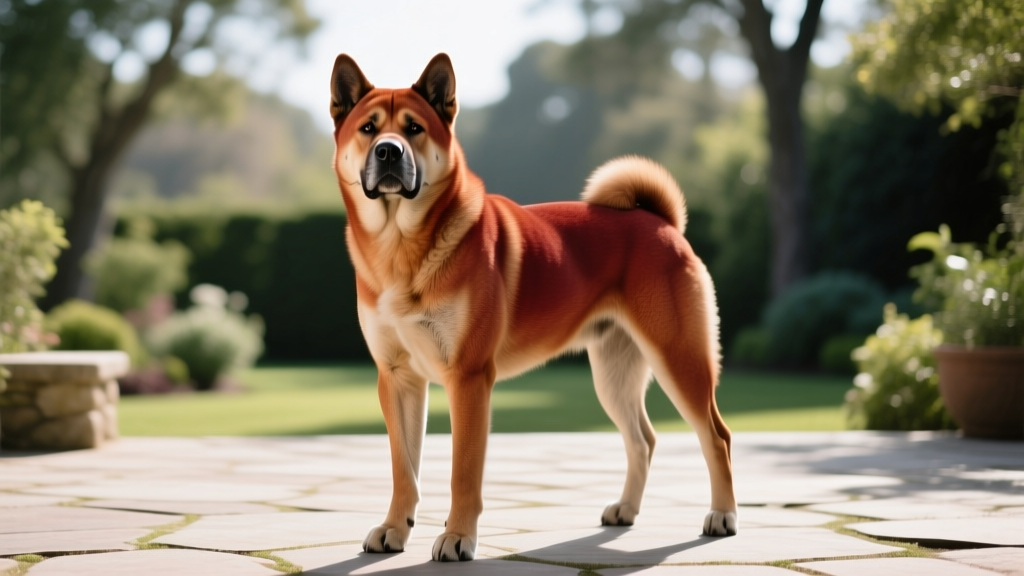
If you've encountered the term Tosa Token dogs in your search for a rare, imposing canine companion, you've likely hit a wall of sparse or conflicting information. The Tosa Token (sometimes written as "Tosa-Token" or referenced alongside the Tosa Inu lineage) is an exceptionally uncommon Japanese breed variant that sits in the long shadow of its more widely known relative, the Tosa Inu. This guide cuts through the ambiguity with breed-specific data, realistic ownership expectations, and practical guidance for anyone seriously considering this powerful dog.
Before we go further: the Tosa Token is not a breed for first-time owners. It demands experienced handling, secure property, and an understanding of canine body language that goes well beyond basic obedience. If that sounds like your household, read on — this breed may be exactly the devoted guardian you've been searching for.
Origin & Historical Purpose: Where Tosa Token Dogs Come From
The Tosa Token traces its roots to the Tosa region (modern-day Kōchi Prefecture) on the island of Shikoku, Japan. Historical records indicate that the broader Tosa lineage was developed during the mid-19th century, particularly between the 1860s and 1890s, when Japanese breeders began crossing native Shikoku dogs with imported Western breeds — including Bulldogs, Mastiffs, German Pointers, and possibly Great Danes — to create a larger, more powerful working dog.
- ~1860s: Native Shikoku dogs crossed with imported Western breeds in Tosa Province
- 1880s–1900s: Selective breeding refines size, temperament, and guarding instinct
- 1920s: Tosa-type dogs gain recognition within Japanese kennel organizations
- 1964: FCI recognizes the Tosa Inu (the parent breed) under Group 2, Section 2.1 (Molossoid breeds)
- Present day: Tosa Token remains a rare variant, not separately recognized by major Western registries
The original purpose was twofold: property guardianship and participation in ceremonial dog wrestling (a tradition in Kōchi Prefecture that persists in regulated form). The "Token" designation is believed to refer to a specific bloodline or regional strain that emphasized certain physical traits — notably a slightly leaner build and more alert temperament compared to the heavier show-line Tosa Inu. Historical documentation on the Token distinction is limited, and much of what is known comes from Japanese breeding records that have not been widely translated.
Recognition Status: What the Registries Say
Understanding the Tosa Token's registry position is essential before you begin searching for a breeder:
| Registry | Status | Notes |
|---|---|---|
| AKC (American Kennel Club) | Not recognized | Tosa Inu is in AKC's Foundation Stock Service (FSS) but not fully recognized |
| UKC (United Kennel Club) | Tosa Inu recognized (1998) | Token variant not separately classified |
| FCI (Fédération Cynologique Internationale) | Tosa Inu recognized (1964, Standard #260) | No separate Token classification |
| JKC (Japan Kennel Club) | Tosa Inu recognized | Token lineage tracked within some Japanese breeding circles |
| NIPPO | Native Japanese breeds tracked | May hold records on specific Token bloodlines |
Because the Tosa Token is not a separately registered breed, you will typically find these dogs listed under "Tosa Inu" or "Tosa" by Western breeders. The Token designation is most meaningful within Japanese and specialized international breeding programs that maintain distinct pedigree records.
Physical Characteristics: What Sets the Tosa Token Apart
| Attribute | Measurement / Description |
|---|---|
| Weight (Males) | 100–150 lb / 45–68 kg |
| Weight (Females) | 80–120 lb / 36–54 kg |
| Height (Males) | 22–26 in / 56–66 cm at the withers |
| Height (Females) | 20–24 in / 51–61 cm at the withers |
| Lifespan | 10–12 years |
| Coat | Short, dense, smooth; minimal undercoat |
| Colors | Red, fawn, apricot, black, brindle; white markings on chest/feet accepted |
| Head | Broad skull, pronounced stop, strong jaw with scissor bite |
| Ears | Pendant/drop ears, set high, moderate length |
| Build | Muscular, slightly leaner than show-line Tosa Inu; deep chest, level topline |
The most distinctive physical difference between the Tosa Token and the standard Tosa Inu is build proportion. Where show-line Tosa Inu often emphasize maximum mass and bulk (some exceeding 170 lb / 77 kg), the Token strain tends toward a more athletic, functional build. This results in a dog that appears powerful without being ponderous — think of the difference between a competitive bodybuilder and a decathlete.
Other distinguishing features include a slightly more tapered muzzle, more pronounced brow ridges, and a tail that is thick at the base and carried in a gentle curve rather than a tight curl. The coat requires minimal grooming — a weekly brushing with a rubber curry brush (such as the Kong ZoomGroom) is sufficient for most of the year, with daily brushing during the two seasonal shedding periods.
Temperament: What Surprises New Owners
Experienced owners of Tosa-type dogs consistently report one surprise above all others: how quiet and calm they are indoors. Despite their formidable size and guardian heritage, Tosa Token dogs tend to be remarkably still and observant in the home. They are not prone to pacing, excessive barking, or hyperactivity. Many owners describe them as "furniture-like" until a reason to act presents itself.
Key temperament traits include:
- Reserved with strangers: Not immediately friendly; observes before engaging. Early and ongoing socialization is non-negotiable.
- Deeply loyal to family: Forms strong bonds, often attaching most closely to one person.
- Low dog-tolerance: Same-sex aggression is common, particularly in intact males. This is a breed-typical trait, not a training failure.
- Calm under pressure: Bred for composure; tends not to react impulsively to stimuli.
- Sensitive to handler energy: Responds poorly to harsh correction; thrives under confident, calm leadership using positive reinforcement methods.
- Protective without being reactive: Will position themselves between their owner and a perceived threat but rarely charges without cause.
The Tosa Inu (and by extension, Tosa Token dogs) is restricted or banned in multiple jurisdictions, including the United Kingdom (under the Dangerous Dogs Act 1991), Australia, Denmark, Norway, and parts of the United States at the municipal level. Always verify your local breed-specific legislation before acquiring a Tosa-type dog. Laws vary by city, county, and state, and ignorance of local ordinances is not a legal defense.
Care Requirements: What This Breed Actually Needs
- ☐ Secure, 6-foot fenced yard minimum (invisible/electric fences are insufficient for this breed)
- ☐ 45–60 minutes of structured exercise daily (leash walks, controlled play, scent work)
- ☐ Professional socialization classes beginning at 10–12 weeks of age
- ☐ Ongoing positive-reinforcement training — 15–20 minute sessions, 4–5x per week
- ☐ High-quality large-breed diet meeting AAFCO standards (budget $80–$150/month for food alone)
- ☐ Weekly coat brushing; nail trims every 2–3 weeks
- ☐ Annual veterinary wellness exams with breed-specific screening (see health section)
- ☐ Crate or designated resting space sized for giant breeds (48"+ crate)
- ☐ Liability insurance rider on homeowner's/renter's policy (many insurers exclude Tosa-type breeds)
- ☐ Backup containment plan for escapes (GPS collar such as Fi Series 3 or Tractive)
Exercise & Mental Stimulation
Despite their size, Tosa Token dogs do not require marathon exercise sessions. A structured routine of two 25–30 minute leash walks per day, supplemented with mentally engaging activities, is typically sufficient. These dogs excel at scent work, cart pulling, and controlled agility (low-impact only to protect joints). Avoid forced running or high-impact jumping until growth plates close — typically around 18–24 months for giant breeds.
Nutrition
Feed a large-breed formula that meets AAFCO complete-and-balanced standards for large-breed growth (if under 12 months) or adult maintenance. Look for guaranteed analysis showing minimum 22% protein and 8% fat for adults. Giant-breed puppies should be fed a diet with calcium levels between 1.0–1.5% on a dry matter basis to reduce hip dysplasia risk. Expect to feed 4–6 cups of high-quality kibble daily for an adult male, split into two meals to reduce bloat risk.
Health Concerns: Breed-Specific Predispositions
As with many giant breeds, the Tosa Token carries elevated risk for several serious conditions. Always consult your veterinarian to develop a screening protocol tailored to your individual dog.
| Condition | Prevalence / Risk | Screening Recommendation | Estimated Treatment Cost (USD) |
|---|---|---|---|
| Hip Dysplasia | High — estimated 25–40% in Tosa-type breeds | OFA or PennHIP evaluation at 24 months | $3,500–$7,000 per hip (surgical) |
| Gastric Dilatation-Volvulus (Bloat/GDV) | Moderate-High — deep-chested giant breed | Discuss prophylactic gastropexy with vet at spay/neuter | $2,500–$5,000 (emergency surgery) |
| Elbow Dysplasia | Moderate — 10–20% estimated | OFA elbow evaluation at 24 months | $2,000–$4,500 (surgical) |
| Dilated Cardiomyopathy (DCM) | Low-Moderate — reported in mastiff-type breeds | Annual cardiac exam; echocardiogram if murmurs detected | $500–$1,500 (diagnostics); $150–$400/month (medication) |
| Hypothyroidism | Moderate — autoimmune thyroiditis seen in lineage | Thyroid panel (T4, free T4, TSH) annually from age 3 | $20–$40/month (levothyroxine) |
| Entropion / Ectropion | Low-Moderate — eyelid conformation issues | Ophthalmologist exam (OFA/CERF) | $800–$2,000 (surgical correction) |
If your Tosa Token shows any of the following, seek emergency veterinary care:
• Distended or swollen abdomen with unproductive retching (bloat/GDV — this is fatal without surgery within hours)
• Sudden hind-limb weakness or inability to stand
• Collapse or episodes of disorientation
• Difficulty breathing or blue-tinged gums
• Seizures of any duration
Cost & Availability: Finding a Tosa Token Responsibly
The Tosa Token is extremely rare outside Japan. In the United States, fewer than a handful of breeders work specifically with Token-lineage Tosas, and most Tosa Inu breeders produce show-line dogs. Expect significant wait times and potential import requirements.
| Cost Category | Estimated Range (USD) |
|---|---|
| Purchase price (US breeder, Tosa Inu / Token lineage) | $2,500–$5,000 |
| Import from Japan (Token-specific bloodline) | $5,000–$12,000+ (including shipping, quarantine, paperwork) |
| First-year veterinary care (vaccines, spay/neuter, screenings) | $1,500–$3,000 |
| Annual ongoing care (food, vet, insurance, supplies) | $3,000–$5,500 |
| Pet insurance (large/giant breed, accident + illness) | $80–$180/month |
| Professional training (group + private sessions, first year) | $800–$2,500 |
| Secure fencing (6-foot, installed, 200 linear feet) | $3,000–$8,000 |
Breeder Red Flags
Given the breed's rarity and power, irresponsible breeding is a serious concern. Avoid any breeder who:
- Cannot provide OFA/PennHIP hip scores for both parents
- Has multiple litters available simultaneously or year-round
- Sells puppies before 10–12 weeks of age
- Does not require a spay/neuter contract for pet-quality puppies
- Cannot discuss breed-specific legislation in your area
- Offers puppies at prices significantly below $2,000 (likely backyard breeding or puppy mill sourcing)
- Promotes "protection training" for puppies or young dogs
Adoption is also a valid path. Tosa-type dogs occasionally appear in breed-specific rescues such as Mastiff Rescue organizations or large-breed rescue networks. These dogs may require behavioral assessment and experienced handling, but adoption fees ($300–$600) are substantially lower, and the dog's adult temperament is already established.
Breed Comparison: Tosa Token vs. Similar Breeds
| Attribute | Tosa Token | Tosa Inu (Show Line) | Akita Inu |
|---|---|---|---|
| Weight Range | 80–150 lb / 36–68 kg | 100–200 lb / 45–90 kg | 70–130 lb / 32–59 kg |
| Build | Athletic, lean-muscular | Heavy, massive | Balanced, sturdy |
| Energy Level | Low-Moderate | Low | Moderate |
| Dog Tolerance | Low (same-sex aggression common) | Low | Low-Moderate |
| Stranger Friendliness | Reserved, observant | Reserved, aloof | Reserved, aloof |
| Trainability | Moderate — responds to calm, consistent methods | Moderate | Moderate — independent thinker |
| Grooming Needs | Low (short coat) | Low (short coat) | High (double coat, heavy shedding) |
| BSL Restrictions | Common | Common | Less common |
| Best For | Experienced owners wanting athletic guardian | Experienced owners wanting maximum presence | Experienced owners wanting independent companion |
The closest comparison for a prospective Tosa Token owner is the standard Tosa Inu. The Token variant offers a slightly more agile, active dog that may be better suited to owners who want to engage in structured activities beyond casual walking. Compared to the Akita Inu, the Tosa Token is more handler-focused and less independently minded, though both breeds share a Japanese origin and a reserved temperament with strangers.
Real Owner Insights: What Life With a Tosa Token Is Actually Like
Based on owner reports from Tosa breed clubs and large-breed forums, here is what experienced Tosa Token and Tosa Inu owners consistently describe:
- Energy level reality: Most owners report 2–3 on a 10-point energy scale. These dogs are not couch potatoes exactly, but they are far from hyperactive. Expect a dog that walks with purpose but returns home and settles immediately.
- Trainability quirks: Tosa Token dogs learn commands quickly but may not perform them on demand if they see no reason to. This is not stubbornness — it is independent decision-making bred into the lineage. Force-free, reward-based training with high-value treats (freeze-dried liver, boiled chicken) produces the best results.
- Social life: Dog park visits are generally not recommended. Most Tosa Token owners socialize their dogs through controlled, one-on-one playdates with known, compatible dogs rather than open off-leash environments.
- Space requirements: While a large yard is ideal, some owners successfully keep Tosa-type dogs in homes with smaller yards provided daily structured exercise is maintained. Apartment living is strongly discouraged due to size, strength, and breed-specific legislation implications.
- Family compatibility: With proper socialization, Tosa Token dogs are typically gentle and patient with children in their own family. However, their size alone poses a risk to toddlers, and supervision is always required. They are not recommended for families with very young children or households that frequently host unfamiliar children.
Frequently Asked Questions
How rare is the Tosa Token breed today?
Extremely rare. Outside Japan, the Tosa Token as a distinct lineage variant is nearly impossible to find. Even within Japan, dedicated Token-lineage breeders are few. Most dogs sold as "Tosa Token" in Western countries are standard Tosa Inu from breeders using the Token name for marketing. Verify pedigree documentation through the JKC or NIPPO before purchasing.
Is a Tosa Token suitable for a first-time dog owner?
No. This breed requires an owner with prior experience handling large guardian breeds, an understanding of canine body language and aggression signals, and the physical capability to manage a 100+ lb dog on leash. First-time owners should consider more forgiving breeds and gain experience before pursuing a Tosa-type dog.
What makes the Tosa Token different from the standard Tosa Inu?
The primary distinction is build and temperament emphasis. Token-lineage dogs are selectively bred for a leaner, more athletic build and a slightly more alert, responsive temperament compared to the heavier, more sedate show-line Tosa Inu. However, because the Token is not separately registered by major kennel clubs, the distinction relies on breeder documentation and pedigree records.
Can Tosa Token dogs live with other pets?
Same-species tolerance is low, particularly with other dogs of the same sex. Some Tosa Token dogs can coexist with cats or smaller pets if raised together from puppyhood, but introductions should always be supervised. Multi-dog households are possible with opposite-sex pairings and experienced management, but not guaranteed.
How much does a Tosa Token cost in total for the first year?
Realistic first-year costs range from $8,000 to $20,000+ when you include purchase price (or import fees), veterinary care, food, fencing, training, insurance, and supplies. This is a significant financial commitment that should be budgeted before bringing a puppy home.
Where can I find a reputable Tosa Token breeder?
Start with the AKC FSS Tosa Inu listings and contact national breed clubs such as the Japanese Tosa Ken Club or the Tosa Inu Club of America (where active). Attend breed-specific events or large-breed shows to meet breeders in person. Be prepared for waitlists of 12–24 months, and be willing to travel or import. Rescue organizations are also a valid and often overlooked option for experienced owners.
Jonas Cole
All our authors care for dogs every day — read more of their work on the authors page.


