Tosa Inu (Japanese Mastiff): Breed Profile, Care & Ownership Guide
Complete Tosa Inu (Japanese Mastiff) breed profile covering temperament, health risks, exercise needs, grooming, and 2026 ownership costs for this rare giant breed.
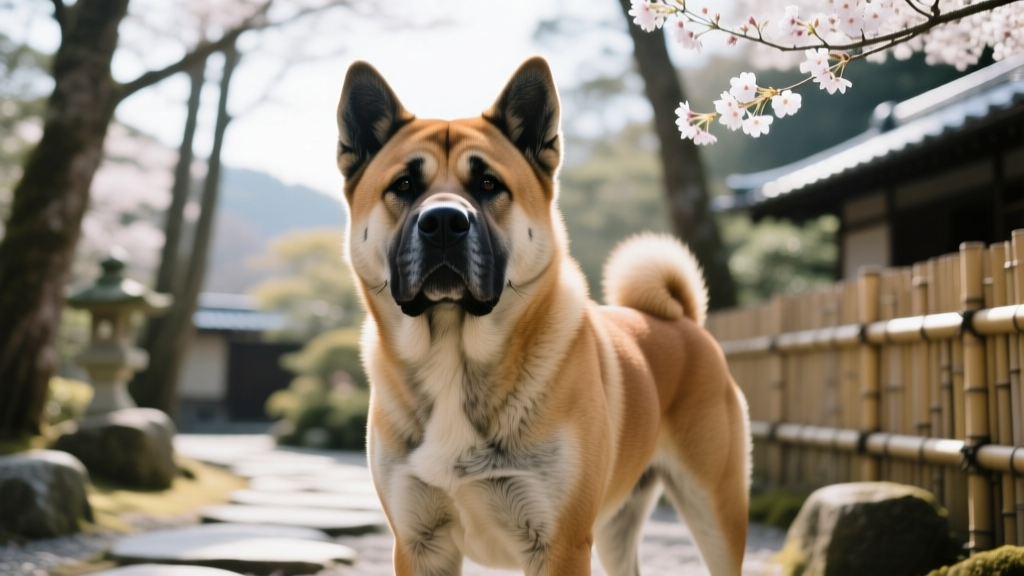
The Tosa Inu — often searched as japansk mastiff or Japanese Mastiff — is one of the most imposing and misunderstood giant breeds in the canine world. Originally developed in Japan's Kōchi Prefecture (then Tosa Province) during the mid-19th century, this breed was engineered for size, stoicism, and silent endurance. Today, the Tosa Inu remains exceptionally rare outside Japan, where it holds cultural significance as a living monument to Japanese dog-breeding heritage.
This profile gives prospective owners the unvarnished facts: real health data, exact exercise requirements, honest cost breakdowns, and the behavioral nuances that separate a well-adjusted Tosa from a liability. If you're researching this breed, you owe it to yourself — and any future dog — to understand exactly what you're signing up for.
Breed Overview: Origin, Size Class, and Lifespan
| Attribute | Details |
|---|---|
| Official Name | Tosa Inu (Tosa Ken / 土佐犬) |
| Common Aliases | Japanese Mastiff, Tosa Dog, japansk mastiff (Scandinavian) |
| Origin | Tosa Province (modern Kōchi Prefecture), Shikoku Island, Japan |
| Development Period | 1848–1900s (crossed with Shikoku-ken, Bulldog, Mastiff, Bull Terrier, Great Dane) |
| Size Class | Giant |
| Weight Range | 80–200 lb (36–90 kg); males typically 120–200 lb, females 80–120 lb |
| Height Range | 21.5–23.5 inches (55–60 cm) at the shoulder; some males exceed 25 inches |
| Lifespan | 10–12 years (typical for giant breeds) |
| Coat Type | Short, dense, smooth single coat |
| Recognized Registries | JCI (Japan Cynologic Institute), UKC, FCI (Group 2, Molossoid type) |
| AKC Status | Not currently recognized (Foundation Stock Service listed) |
The Tosa Inu was created by crossing the native Shikoku-ken — a medium-sized spitz-type hunting dog — with Western breeds imported during Japan's opening to foreign trade after 1854. Breeders specifically selected for a dog that fought silently (unlike most fighting breeds that vocalize), maintained composure under extreme stress, and displayed unwavering courage. The result was a molosser-type dog with the Shikoku's agility and the Mastiff's mass.
Following Japan's post-WWII ban on dog fighting (1908 partial ban, reinforced after 1945), the breed nearly went extinct. Dedicated preservationists in Kōchi maintained breeding lines, and the Tosa was eventually designated a Japanese Natural Monument candidate, though it has not received the same official protection as the Akita Inu or Shiba Inu. According to the Fédération Cynologique Internationale (FCI), the breed standard was finalized in 1982 and remains the international reference.
Temperament & Personality: What Living with a Tosa Inu Actually Looks Like
The Tosa Inu's temperament is frequently mischaracterized in Western media as uniformly aggressive. In reality, well-bred, properly socialized Tosas display a far more nuanced personality profile. Here are the five core traits experienced owners and breed specialists consistently report:
1. Extreme Stoicism and Pain Tolerance
Tosas were bred to endure without vocalizing. This translates to a dog that may not show obvious signs of injury or illness until a condition is advanced. A Tosa with a torn cruciate ligament might continue walking with only a subtle gait change. Owners must be proactively observant — watching for micro-signs like slight weight-shifting, reduced tail carriage, or changes in eating speed rather than waiting for obvious distress signals.
2. Quiet Confidence with Reserved Demeanor
Unlike breeds that bark at every stimulus, a mature Tosa typically observes before reacting. They rarely bark without cause. In a home setting, they tend to position themselves where they can monitor entry points — not out of anxiety, but from an ingrained territorial awareness. Visitors often describe them as "calm but intense."
3. Deep Loyalty to Immediate Family
Tosas form strong pair-bonds, often attaching most closely to one person. They are physically affectionate with trusted family members — leaning, pressing their head against legs, or lying in close contact. This loyalty extends to protective behavior: a Tosa will typically position itself between its owner and any perceived threat, though this is generally a blocking behavior rather than overt aggression when the dog is properly socialized.
4. Same-Sex Aggression (Particularly Male-Male)
This is the breed's most significant management challenge. Male Tosas frequently display intolerance toward other intact males, and many will not cohabitate peacefully with other male dogs regardless of neuter status. Female-female aggression is less common but documented. Multi-dog households with Tosas typically succeed only with opposite-sex pairings and careful introduction protocols. According to behavioral assessments referenced by the Merck Veterinary Manual's canine behavior section, early socialization (before 16 weeks) significantly modulates but does not eliminate this predisposition.
5. High Intelligence with Independent Problem-Solving
Tosas learn quickly but are not biddable in the way a Golden Retriever or Border Collie is. They assess commands before complying, and repetitive drilling causes disengagement. Training sessions must be short (5–8 minutes), varied, and reward-driven. They respond poorly to force or intimidation — harsh methods trigger shutdown or defensive reactions in this breed.
Physical Characteristics: Build, Coat, and Conformation Details
The Tosa Inu is a powerfully built molosser with a rectangular body frame, deep chest, and substantial bone structure. Key conformation points per the FCI standard:
- Head: Broad skull with defined stop, moderately long muzzle, strong jaws with scissor bite. Wrinkles present but not excessive (unlike the English Mastiff).
- Ears: Relatively small, thin, set high, hanging close to the cheeks — a distinguishing feature from the floppy, pendant ears of Western mastiffs.
- Neck: Muscular with a prominent dewlap (loose skin under the throat).
- Chest: Deep and broad; ribcage well-sprung. The chest depth should reach to the elbow.
- Tail: Thick at the root, tapering, reaching the hock when lowered. Carried in a gentle curve when alert, never curled tightly over the back.
- Coat: Short, hard, dense. Acceptable colors include red (most common and preferred), brindle, fawn, and black. Red coats may have darker shading on the muzzle and ears. Small white markings on the chest and feet are permissible but not desirable in show rings.
- Gait: Powerful and ground-covering with strong rear drive. Movement should be fluid despite the dog's mass.
Japanese-bred Tosas tend to be smaller and more athletic (100–140 lb / 45–64 kg) compared to Western-bred lines, which have been selectively enlarged and may reach 200 lb (90 kg). This size divergence is significant: larger specimens carry proportionally higher joint stress and shorter lifespans.
Exercise & Activity Requirements: Specific Daily Targets
Despite their size, Tosas are not couch potatoes — but they're also not endurance athletes. Their exercise needs are moderate relative to their mass, with important temperature and joint-health caveats.
| Life Stage | Daily Exercise | Activity Types | Important Notes |
|---|---|---|---|
| Puppy (2–12 months) | 15–30 minutes structured + free play | Short leash walks (5 min per month of age), controlled play on grass, swimming (after full vaccinations) | Avoid forced running, jumping, or stairs until growth plates close (~18–24 months) |
| Young Adult (1–3 years) | 45–60 minutes | Two 20–30 min leash walks, hill hiking, swimming, weight-pull (light loads, conditioned gradually) | Peak energy period; mental stimulation equally important to prevent boredom-based destruction |
| Mature Adult (3–7 years) | 30–45 minutes | Leash walks, gentle hiking, swimming, scent-work games | Monitor for early joint stiffness; adjust intensity based on body condition score |
| Senior (7+ years) | 20–30 minutes | Short slow walks, swimming, gentle terrain hiking | Arthritis management becomes priority; consider joint supplements and orthopedic bedding |
Critical temperature warning: Like all brachycephalic-adjacent and giant breeds, Tosas are heat-sensitive. Exercise should be scheduled before 8 AM or after 7 PM when temperatures exceed 75°F (24°C). Always carry water and watch for excessive panting, blue-tinged gums, or collapse — signs of heatstroke requiring immediate veterinary emergency care.
Mental stimulation targets: 15–20 minutes daily of puzzle feeders, scent discrimination games, or structured training. Tosas that receive only physical exercise without cognitive challenges are more likely to develop nuisance behaviors like fence-pacing, door-charging, or furniture destruction.
Common Health Issues: Breed-Specific Conditions and Prevalence
The Tosa Inu's giant-breed physiology and limited gene pool (especially in Western populations) create specific health vulnerabilities. Responsible breeders screen for these conditions; buyers should request documentation of all health clearances.
| Condition | Prevalence | Typical Onset | Screening Method | Estimated Treatment Cost (USD) |
|---|---|---|---|---|
| Hip Dysplasia | ~20–30% (based on OFA data for similar mastiff-type breeds) | 6–24 months (developmental); clinical signs often 2–5 years | OFA/PennHIP radiographs at 24+ months | $1,500–$7,000 (surgical: FHO or total hip replacement) |
| Elbow Dysplasia | ~10–15% | 4–10 months | OFA elbow radiographs | $1,500–$4,000 per elbow (arthroscopy or corrective osteotomy) |
| Gastric Dilatation-Volvulus (Bloat/GDV) | High risk (deep-chested giant breed) | Any age; peak 4–7 years | No screening; preventive gastropexy recommended at spay/neuter | $3,000–$7,000 emergency surgery; $200–$500 prophylactic gastropexy |
| Cardiomyopathy (Dilated) | ~8–12% (estimated from giant-breed cohort studies) | 4–8 years | Annual echocardiogram from age 4 | $200–$500/month lifelong medication management |
| Hypothyroidism | ~5–10% | 2–6 years | Full thyroid panel (T4, free T4, TSH, T3) | $30–$60/month lifelong levothyroxine |
Bloat prevention protocol: Feed two to three smaller meals rather than one large meal. Use a slow-feeder bowl. Avoid exercise for 60 minutes before and after eating. Discuss prophylactic gastropexy (stomach tacking) with your veterinarian at the time of spay/neuter — this procedure reduces GDV risk by approximately 80% according to studies cited in the Journal of the American Veterinary Medical Association.
When to consult your veterinarian immediately: Unproductive retching, distended abdomen, restlessness with inability to settle, pale or blue gums, or collapse. GDV is a life-threatening emergency — survival drops significantly after 2 hours without surgical intervention.
Grooming Requirements: Frequency and Tools
The Tosa's short, single-layer coat is one of the breed's easiest maintenance features. However, their size makes every grooming task more physically demanding.
- Brushing: Once weekly with a rubber curry brush (e.g., Kong ZoomGroom) or bristle brush. Increase to 2–3x weekly during seasonal shedding periods (spring and fall, lasting 2–3 weeks each). Tosas are moderate shedders — not hypoallergenic.
- Bathing: Every 6–8 weeks or as needed. Use a large-format tub or professional grooming facility. A raised bathing platform reduces back strain for the handler. Recommended shampoo: oatmeal-based or chlorhexidine-based if skin folds require attention.
- Nail trimming: Every 3–4 weeks. Tosas' dewclaws (if present) require particular attention as they don't wear down naturally. Use a heavy-duty guillotine or scissor-style clipper rated for giant breeds, or a Dremel 7300-PT rotary tool for gradual grinding.
- Ear cleaning: Weekly inspection; clean every 2–3 weeks with a veterinary-approved ear cleanser (e.g., Epi-Otic Advanced). Tosas' hanging ears trap moisture and debris, increasing otitis risk.
- Dental care: Daily tooth brushing with enzymatic dog toothpaste. Professional dental cleaning under anesthesia every 12–18 months. Giant breeds often develop periodontal disease earlier than smaller dogs.
- Skin fold care: Check and clean facial wrinkles and dewlap folds weekly with unscented pet wipes to prevent yeast dermatitis and bacterial intertrigo.
Training & Intelligence: Methods That Work (and Those That Don't)
Trainability rating: 6/10 — Intelligent but independent. Not recommended for competitive obedience but highly capable of reliable household manners and advanced commands when trained correctly.
The Tosa Inu requires a specific training philosophy built on three pillars:
- Positive reinforcement only. Food rewards (high-value: freeze-dried liver, boiled chicken), toy rewards, and praise. Force-free, LIMA (Least Intrusive, Minimally Aversive) methods are the only appropriate framework. Aversive tools — shock collars, prong collars, choke chains, alpha rolls — are contraindicated for this breed. A Tosa subjected to pain-based correction will either shut down completely or escalate to defensive aggression. Neither outcome is acceptable in a 150-lb dog.
- Early, intensive socialization (8–16 weeks critical window). Exposure to diverse people (ages, genders, ethnicities, clothing styles), environments (urban, rural, veterinary clinics, car travel), sounds, and surfaces. Puppy kindergarten classes that use positive methods are strongly recommended. Socialization must continue through adolescence (up to 18 months) with structured exposures at least 3x per week.
- Consistent leadership without confrontation. Tosas respond to calm, predictable handlers who set clear boundaries through management (gates, leashes, crates) rather than physical dominance. The "Nothing in Life is Free" protocol — where the dog performs a sit or down before receiving food, door access, or attention — builds reliable compliance without triggering resistance.
Key training milestones: Reliable recall by 6 months (long-line training in secure areas), loose-leash walking by 8 months, solid "leave it" and "drop it" by 10 months, and full public-access manners by 18 months. Professional trainer involvement is strongly recommended for first-time Tosa owners — budget $800–$2,000 for a comprehensive training program during the first year.
Family Suitability: Kids, Other Pets, and Living Environments
Strengths
- Gentle and patient with trusted family children when raised together
- Quiet household presence — minimal barking
- Clean, low-odor coat with minimal grooming demands
- Strong guarding instinct provides natural home security
- Deeply loyal and emotionally bonded to family
Challenges
- Same-sex dog aggression limits multi-pet household options
- Size creates risk around small children (knocking over, stepping on)
- Not suitable for apartments or homes without secure fenced yards
- High food and medical costs due to giant-breed sizing
- Breed-specific legislation (BSL) restricts ownership in many jurisdictions worldwide
Children: Tosas raised with children from puppyhood are typically gentle and tolerant. However, their sheer mass (a 150-lb dog can accidentally injure a toddler simply by leaning) means all interactions with children under 10 should be directly supervised. The breed is best suited to families with children aged 8+ who understand how to interact respectfully with large dogs. Never leave any dog unsupervised with young children.
Other pets: Opposite-sex dog pairings can work with proper introduction and management. Same-sex pairings carry high risk. Tosas generally coexist peacefully with household cats if raised together, but their prey drive may trigger chasing of unfamiliar small animals. Not recommended for homes with small mammals (rabbits, guinea pigs) unless separation can be guaranteed.
Living environment: A minimum 6-foot fenced yard (privacy fencing preferred — Tosas are not typically jumpers but are powerful enough to damage weak fencing) is essential. They adapt to suburban or rural settings. Apartment living is not recommended due to space requirements, exercise needs, and the breed's territorial nature toward corridor/common-area encounters with other dogs.
Breed-Specific Legislation (BSL) note: The Tosa Inu is banned or restricted in numerous countries including the UK (Dangerous Dogs Act 1991), Australia, Denmark, France, Germany, Ireland, and parts of the United States. Local laws vary significantly by jurisdiction. Prospective owners must verify their municipality's and housing authority's regulations before acquiring this breed.
Cost of Ownership: Puppy Price and Annual Care Budget
The Tosa Inu is among the most expensive breeds to acquire and maintain, driven by rarity, giant-breed medical needs, and the volume of food required.
| Expense Category | Estimated Cost (USD) | Frequency | Notes |
|---|---|---|---|
| Puppy Purchase (from responsible breeder) | $2,500–$5,000+ | One-time | Imported Japanese lines may cost $8,000–$15,000+ with quarantine/transport |
| Adoption/Rescue (if available) | $300–$800 | One-time | Extremely rare in rescue; check breed-specific networks |
| High-quality giant-breed food | $120–$200/month ($1,440–$2,400/year) | Ongoing | 6–10 cups/day of AAFCO-approved large-breed formula (e.g., Purina Pro Plan Large Breed, Royal Canin Giant) |
| Preventive medications (heartworm, flea/tick) | $25–$50/month ($300–$600/year) | Ongoing | Giant-breed dosing significantly increases cost; Heartgard Plus, NexGard, Simparica Trio |
| Routine veterinary care | $600–$1,200/year | Annual | Includes exams, vaccines (DHPP, rabies, bordetella), bloodwork, fecal/heartworm testing |
| Pet insurance | $80–$180/month ($960–$2,160/year) | Ongoing | Giant breeds carry high premiums; consider Trupanion, Healthy Paws, or Pumpkin |
| Training (professional) | $800–$2,500 | First year | Group classes + private sessions; ongoing reinforcement recommended |
| Grooming supplies & services | $200–$400/year | Annual | Mostly DIY; professional bath/deshedding 2–4x/year |
| Emergency fund (recommended) | $3,000–$5,000 reserve | Set aside | GDV surgery alone can cost $5,000–$7,000; joint surgery $4,000–$7,000 |
| Total First-Year Estimate | $7,500–$15,000+ | Includes puppy cost, initial veterinary setup, training, supplies, and ongoing care | |
| Annual Ongoing (Years 2+) | $4,000–$7,500/year | Food, preventives, insurance, routine vet care, supplies |
First-year budget reality check: Giant breeds cost roughly 2–3x what a medium breed costs to maintain. The single largest financial risk is an uninsured emergency — a Tosa with GDV or hip dysplasia requiring surgery can generate a $5,000–$10,000 veterinary bill in a single visit. Pet insurance or a dedicated emergency fund is not optional for this breed; it's essential.
Frequently Asked Questions
Is the Tosa Inu (Japanese Mastiff) right for first-time dog owners?
Generally, no. The Tosa Inu requires an experienced handler who understands giant-breed management, canine body language, and force-free training principles. The combination of same-sex aggression potential, massive physical strength, and independent temperament creates a high-consequence training environment where mistakes have serious outcomes. First-time owners interested in giant breeds should consider more forgiving options like the Great Dane or Newfoundland, which share the size but not the dog-aggression predisposition. If a first-time owner is committed to the Tosa, enrolling in a professional training program before bringing the puppy home is non-negotiable.
How much exercise does a Tosa Inu need daily?
Adult Tosas require 30–60 minutes of structured exercise daily, split into two sessions. This includes leash walks (20–30 minutes each), supplemented by mental stimulation activities (puzzle toys, scent work, short training sessions). They are not endurance runners — jogging is not recommended due to joint stress. Swimming is an excellent low-impact option if accessible. Puppies need carefully limited exercise (5 minutes of structured walking per month of age) to protect developing growth plates, which don't fully close until 18–24 months.
What health problems is the Tosa Inu prone to?
The breed's primary health concerns include hip dysplasia (~20–30% prevalence), elbow dysplasia (~10–15%), gastric dilatation-volvulus (bloat — high risk due to deep chest conformation), dilated cardiomyopathy (~8–12%), and hypothyroidism (~5–10%). Responsible breeders screen breeding stock with OFA hip/elbow radiographs, cardiac evaluations, and thyroid panels. Buyers should request all health clearance documentation and avoid breeders who cannot provide it. Regular veterinary check-ups (at minimum annually, semi-annually after age 6) are essential for early detection.
How big does a Tosa Inu get as an adult?
Adult males typically weigh 120–200 lb (54–90 kg) and stand 22–25 inches (56–64 cm) at the shoulder. Females are smaller at 80–120 lb (36–54 kg) and 21.5–23.5 inches (55–60 cm). Japanese-bred lines tend to be on the smaller, more athletic end of this range, while Western-bred specimens often exceed 160 lb. Growth continues until approximately 24–30 months, with chest broadening and muscling filling out through age 3.
Is the Tosa Inu good with children and other pets?
With trusted family children (especially those aged 8+), a well-socialized Tosa is typically gentle and tolerant. However, their size creates accidental injury risk for toddlers. With other dogs, same-sex aggression is a significant breed trait — opposite-sex pairings have the best success rate. They can coexist with household cats if raised together but may chase unfamiliar small animals. Supervision and management are always required in multi-pet homes.
How much does it cost to buy and maintain a Tosa Inu?
Puppy prices range from $2,500–$5,000 from domestic breeders, with imported Japanese lines reaching $8,000–$15,000+. First-year total costs typically fall between $7,500–$15,000 when including food, veterinary care, training, insurance, and supplies. Ongoing annual costs range from $4,000–$7,500. A dedicated emergency fund of $3,000–$5,000 is strongly recommended given the breed's susceptibility to expensive emergency conditions like bloat and joint disorders.
This article is for informational purposes only and does not replace professional veterinary advice. Always consult your veterinarian for health decisions specific to your dog. If you suspect your dog has ingested a toxic substance, contact the ASPCA Animal Poison Control Center at (888) 426-4435 (24/7, consultation fee applies) or the Pet Poison Helpline at (855) 764-7661.
Marcus Aldridge
All our authors care for dogs every day — read more of their work on the authors page.


