Tibetan Mastiff Breed Profile: Care, Cost & Temperament Guide
Complete Tibetan Mastiff breed profile covering size, temperament, health risks, grooming, exercise needs, training tips, and 2026 ownership costs.
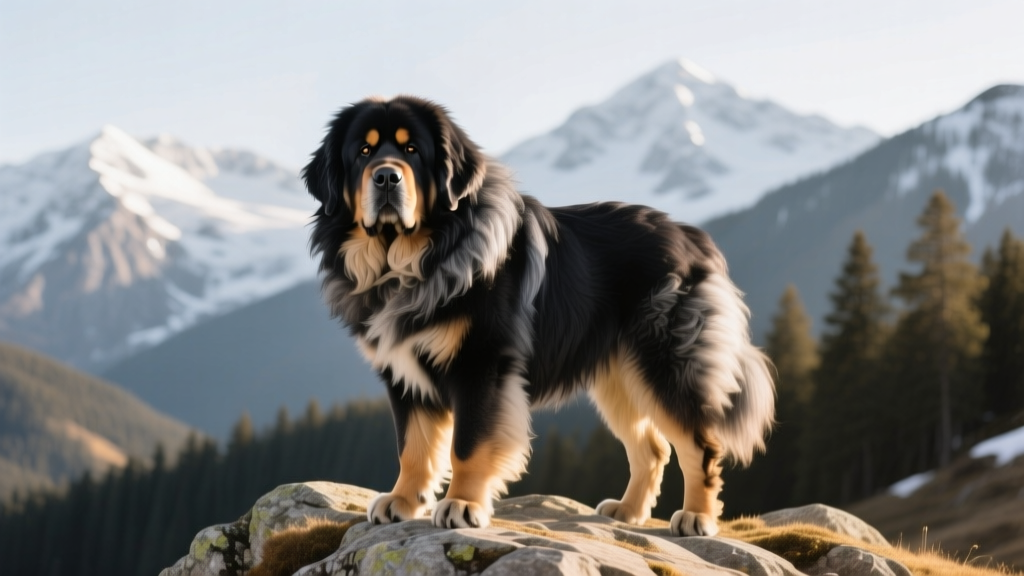
Tibetan Mastiff Overview: An Ancient Guardian of the Himalayas
The Tibetan Mastiff is a giant-class livestock guardian breed originating from the nomadic cultures of Tibet, Nepal, and the Himalayan regions of Central Asia, where they have protected flocks and monasteries for an estimated 5,000 years. DNA analysis published in the Proceedings of the National Academy of Sciences places the Tibetan Mastiff among the most basal (ancient) dog breeds, diverging from gray wolves earlier than most modern breeds. These dogs were traditionally tethered during the day and released at night to patrol — a practice that still influences their nocturnal tendencies today.
Recognized by the American Kennel Club in 2006 (Working Group), the Tibetan Mastiff remains a relatively rare breed in the United States, with only a few hundred AKC registrations annually. Their imposing size, independent nature, and significant care requirements make them a breed that demands thorough research before commitment.
| Attribute | Details |
|---|---|
| Size Class | Giant |
| Weight (Males) | 90–150 lb / 41–68 kg |
| Weight (Females) | 70–120 lb / 32–54 kg |
| Height (Males) | 26–30 in / 66–76 cm at the shoulder |
| Height (Females) | 24–28 in / 61–71 cm at the shoulder |
| Lifespan | 10–12 years (some reach 14) |
| Coat Type | Double coat; long, dense undercoat with coarse outer guard hairs |
| Energy Level | Low to moderate |
| Grooming Frequency | Weekly brushing; daily during seasonal shed |
| AKC Group | Working |
| Family Fit | Best with experienced owners; older children; single-pet or same-species households |
Physical Characteristics: Built for Extremes
The Tibetan Mastiff is built for endurance in high-altitude, sub-zero environments. Males stand 26–30 inches (66–76 cm) at the withers and typically weigh 90–150 lb (41–68 kg), though some European-bred lines have produced males exceeding 160 lb (73 kg). Females are noticeably smaller at 24–28 inches (61–71 cm) and 70–120 lb (32–54 kg).
Their most distinctive feature is the heavy double coat — a soft, woolly undercoat up to 3 inches thick overlaid with straight, coarse guard hairs that can reach 8–10 inches in length along the neck, forming a lion-like mane (especially pronounced in males). Accepted AKC colors include black, brown, blue/gray, and gold, all with or without tan markings above the eyes, on the muzzle, chest, and legs. A white chest star is common and acceptable; extensive white markings are considered a fault in the show ring.
Structurally, the Tibetan Mastiff is slightly longer than tall, with a broad head, deep-set almond-shaped eyes, and V-shaped pendant ears that fold forward close to the skull. The tail is heavily feathered and carried curled over the back. Their movement is deliberate and powerful rather than fast — they are built for sustained patrol, not sprinting.
Temperament & Personality: Five Core Traits
Understanding the Tibetan Mastiff requires understanding their working origin. These dogs were bred to make independent decisions while guarding flocks from wolves and snow leopards without human direction. That heritage produces a distinct personality profile:
1. Fiercely Territorial
A Tibetan Mastiff will establish a perimeter and patrol it relentlessly. In a suburban home, this translates to deep, booming alarm barking at delivery drivers, passing dogs, and anything that crosses their perceived boundary. They are not aggression-driven — they are vigilance-driven — but their size and bark make them formidable deterrents. Expect nighttime barking to be more intense, as this breed is historically nocturnal in their guarding patterns.
2. Independent Thinkers
Unlike retrievers or herding breeds that look to humans for direction, Tibetan Mastiffs assess situations and act on their own judgment. If you give a command they deem unnecessary, they may simply look at you and decline. This is not stupidity — it is selective compliance rooted in centuries of autonomous decision-making. They learn commands readily but execute them on their own terms.
3. Aloof with Strangers
Do not expect your Tibetan Mastiff to greet guests with wagging enthusiasm. They typically observe newcomers from a distance, positioning themselves between the stranger and their family. Early and ongoing socialization (exposure to diverse people, environments, and situations from 8–16 weeks of age and continuing through maturity at 3–4 years) is critical to prevent this wariness from hardening into fear-based reactivity.
4. Devoted to Family
With their own people, Tibetan Mastiffs are calm, affectionate, and surprisingly gentle. They tend to form deep bonds with one or two primary caregivers and prefer to be in the same room — though not necessarily on top of you. They are known for leaning against their owner's legs or sleeping across a doorway to monitor household traffic.
5. Low-Energy but High-Impact
Indoors, adult Tibetan Mastiffs are notably sedentary — they will claim a cool tile floor or a large orthopedic bed and remain stationary for hours. However, when they do move, their 100+ lb frame carries significant momentum. A Tibetan Mastiff who decides to pull toward something on a walk can easily drag an unprepared handler. This is a breed where leash manners are a safety issue, not just a courtesy.
Exercise & Activity Needs
Despite their giant size, Tibetan Mastiffs have surprisingly modest exercise requirements compared to other working breeds. Their historical role involved long periods of stillness punctuated by brief bursts of intense activity — and their modern exercise profile mirrors this.
| Life Stage | Daily Exercise | Activity Types | Notes |
|---|---|---|---|
| Puppy (2–12 months) | 20–30 minutes | Short leash walks (5 min per month of age), free play on soft surfaces | Avoid forced running or stair climbing; growth plates are open until 18–24 months |
| Young Adult (1–3 years) | 30–45 minutes | Moderate leash walks, supervised yard time, scent games | Mental stimulation matters more than physical distance |
| Adult (3–7 years) | 30–60 minutes | Two 20–30 min walks, secure yard patrol time, puzzle feeders | They self-regulate well; overheating is a real risk above 75°F (24°C) |
| Senior (8+ years) | 20–30 minutes | Short gentle walks, indoor enrichment, swimming if joint-friendly | Monitor for hip stiffness; adjust duration based on comfort |
Critical considerations for Tibetan Mastiff exercise:
- Heat sensitivity: Their dense double coat makes them dangerously prone to overheating in warm weather. Walks should be scheduled before 9 AM and after 7 PM when temperatures exceed 70°F (21°C). Always carry water and watch for excessive panting, dark red gums, or stumbling — these are heatstroke red flags requiring immediate veterinary attention.
- Secure fencing is non-negotiable: A minimum 6-foot fence (preferably with a dig-proof base or underground footer) is required. Tibetan Mastiffs have strong territorial instincts and will attempt to breach inadequate fencing to chase perceived threats.
- Leash walking is mandatory: Never walk a Tibetan Mastiff off-leash in unsecured areas. Their prey drive and territorial nature mean they will not reliably recall when they've identified a target. Use a front-clip harness rated for 150+ lb dogs (such as the Ruffwear Front Range in XL or the Kurgo Tru Fit Enhanced in XXL) for control.
- Joint protection: Avoid repetitive high-impact activities (fetch on hard surfaces, jogging on pavement, agility jumping) until growth plates close at 18–24 months. After maturity, low-impact activities like swimming and hiking on soft trails are ideal.
Common Health Issues
Tibetan Mastiffs are generally hardy dogs with fewer breed-specific health problems than many purebreds, owing to their ancient genetic lineage and historically natural selection in harsh environments. However, their giant size predisposes them to several conditions that prospective owners should understand and budget for. Always consult your veterinarian about breed-appropriate screening and preventive care.
| Condition | Prevalence | Typical Onset | Screening Method | Estimated Treatment Cost |
|---|---|---|---|---|
| Hip Dysplasia | ~13% (OFA data) | Symptoms often appear 6–18 months; may worsen with age | OFA/PennHIP radiographs at 24 months | $1,500–$7,000 per hip (surgical); $50–$150/month (conservative management) |
| Elbow Dysplasia | ~8% (OFA data) | 4–10 months | OFA elbow radiographs at 24 months | $1,500–$4,000 per elbow (surgical) |
| Hypothyroidism | Estimated 5–10% of breed | 2–6 years | Full thyroid panel (T4, free T4, TSH, T3) | $20–$40/month for lifelong levothyroxine |
| Canine Inherited Demyelinative Neuropathy (CIDN) | Rare but breed-specific | 2–4 months | DNA test available (Animal Health Trust/UC Davis) | No cure; supportive care only |
| Gastric Dilatation-Volvulus (Bloat) | Risk elevated in all giant breeds | Any age, most common 4–7 years | No screening; preventive gastropexy during spay/neuter | $3,000–$7,000 emergency surgery; $300–$800 preventive gastropexy |
Owner action items for health:
- Require breeders to provide OFA hip and elbow certifications for both parents (not just "vet-checked" — request actual OFA certificate numbers you can verify at ofa.org).
- Ask for CIDN DNA test results for both parents — this condition causes hind limb weakness and paralysis in puppies and is entirely preventable through informed breeding.
- Discuss prophylactic gastropexy (stomach tacking) with your veterinarian at the time of spay/neuter. This procedure significantly reduces GDV mortality risk and adds minimal cost when performed during an already-scheduled anesthesia event.
- Maintain lean body condition (BCS 4–5 on a 9-point scale). Every excess pound multiplies joint stress in giant breeds.
When to Call Your Veterinarian Immediately: A distended, hard abdomen with unproductive retching, restlessness, and pale gums may indicate bloat (GDV) — a surgical emergency with a mortality rate of 15–30% even with treatment. Do not wait. Transport to the nearest emergency veterinary hospital immediately.
Grooming Requirements
The Tibetan Mastiff's magnificent double coat is both their defining feature and their most time-consuming care requirement. Their coat evolved to withstand -40°F (-40°C) Himalayan winters, and managing it in a climate-controlled home requires a deliberate routine.
Weekly maintenance (non-shedding months): Plan for 20–30 minutes of thorough brushing once per week using a long-pin slicker brush (such as the Chris Christensen Big G in large) followed by an undercoat rake for the dense base layer. Pay special attention to the feathering behind the ears, the britches (rear leg feathering), and the tail — these areas mat first. A stainless steel greyhound comb should pass through all areas without catching after brushing.
Seasonal blow coat (typically once annually, lasting 3–4 weeks): Tibetan Mastiffs shed their entire undercoat in a dramatic event that produces grocery-bag quantities of fur. During this period, daily brushing sessions of 30–45 minutes are necessary. A high-velocity dryer (such as the K-9 III or Metro Max Dryer, $200–$350) is the single most effective tool for blowing out dead undercoat and reducing the blow period from weeks to days. Many owners schedule a professional de-shedding groom during peak blow season — budget $80–$150 for a giant-breed de-shedding session.
Bathing: Every 6–8 weeks or as needed. Their coat is naturally dirt-shedding and odor-resistant, so frequent bathing is unnecessary and can strip protective oils. Use a pH-balanced canine shampoo and a thorough rinse — residual shampoo in a dense double coat causes skin irritation and hotspots. Expect a full bath-and-dry session to take 2–3 hours with a high-velocity dryer.
Routine care:
- Nail trimming every 2–3 weeks (giant-breed nails grow fast and carry weight-bearing stress)
- Ear cleaning weekly with a veterinarian-recommended ear cleanser — their pendant ears trap moisture
- Dental brushing 3–4 times per week minimum; annual professional dental cleanings under anesthesia starting at age 3
Training & Intelligence
Tibetan Mastiffs are intelligent dogs — they learn quickly and retain commands well — but their trainability rating is moderate (approximately 3 out of 5) because intelligence and willingness to obey are different traits. They were bred to think independently, and they still do. A Tibetan Mastiff who understands "come" may choose to finish investigating an interesting scent before complying.
Recommended training approach:
- Positive reinforcement only. Force-free methods using high-value food rewards (freeze-dried liver, boiled chicken), toy rewards, and environmental rewards (access to the yard after a successful recall) work best. Harsh corrections, shock collars, prong collars, or alpha rolls will damage the trust relationship and can trigger defensive aggression in this breed. These methods are never appropriate for any dog.
- Short, engaging sessions. Five to ten minutes of focused training, two to three times daily, outperforms hour-long repetitive drills. Tibetan Mastiffs bore easily with repetition and will disengage.
- Prioritize these skills: Rock-solid recall (practice in progressively distracting environments from puppyhood), loose-leash walking (start with a front-clip harness and reward-based heeling before transitioning to a flat collar), "leave it" (critical for a breed that patrols and may encounter wildlife or hazards), and a solid settle/mat behavior (essential for managing a 130-lb dog in shared spaces).
- Socialization window is critical. The primary socialization period closes around 14–16 weeks. Enroll in a positive-reinforcement puppy class by 10 weeks of age (after initial DHPP vaccination). Continue structured exposure to novel people, surfaces, sounds, other dogs, and environments through at least 18 months. Tibetan Mastiffs mature slowly — full behavioral maturity is not reached until 3–4 years.
Many Tibetan Mastiff owners find success with AKC Canine Good Citizen training as a structured framework. However, competitive obedience or agility are not natural fits for this breed — their independent nature and giant build make these activities frustrating for both dog and handler.
Family Suitability: Kids, Pets & Living Spaces
With children: Tibetan Mastiffs are generally patient and protective with children in their own family, particularly when raised together. However, their massive size poses an accidental injury risk to toddlers — a 120-lb dog bumping into a 30-lb child can cause serious falls. They are best matched with families where children are 8 years or older and have been taught respectful dog interaction. Tibetan Mastiffs do not tolerate ear-pulling, tail-grabbing, or being climbed on, and their response is typically a warning growl followed by avoidance — but a cornered or startled dog of this size is a serious safety concern.
With other pets: Same-sex aggression is documented in the breed, particularly between intact males. Tibetan Mastiffs raised with a household cat from puppyhood typically coexist peacefully, but their prey drive means unfamiliar cats, small dogs, or backyard wildlife may be chased. Introducing an adult Tibetan Mastiff to a home with existing pets requires a slow, structured protocol — ideally with a certified professional dog trainer (CPDT-KA or IAABC-credentialed) guiding the process.
Apartment living: While their indoor energy level is low, Tibetan Mastiffs are poorly suited to apartment life for practical reasons: their deep, resonant bark carries through walls and will generate noise complaints; their size makes navigating hallways, elevators, and shared spaces difficult; and they require secure outdoor access for both elimination and territorial patrol. A home with a fully fenced yard (minimum 6-foot fence) is strongly recommended.
Pros of Tibetan Mastiff Ownership
- Exceptionally loyal and devoted to family
- Low indoor energy — calm house companions
- Natural guardian instinct — no protection training needed
- Clean, low-odor coat with natural dirt resistance
- Fewer breed-specific health problems than many purebreds
- Long lifespan for a giant breed (10–12+ years)
Cons of Tibetan Mastiff Ownership
- Heavy, frequent barking (especially at night)
- Not suitable for first-time dog owners
- Expensive to purchase, feed, and medically maintain
- Dramatic seasonal shedding produces massive fur volume
- Independent nature makes off-leash freedom unrealistic
- Heat-sensitive — requires climate management in warm regions
Cost of Ownership: Purchase Price & Annual Expenses
The Tibetan Mastiff is one of the more expensive breeds to acquire and maintain. Prospective owners should budget realistically before committing.
| Expense Category | Estimated Cost Range | Notes |
|---|---|---|
| Puppy from a responsible breeder | $2,500–$7,000 | Health-tested parents, OFA certifications, take-back clause; show-potential puppies command higher prices |
| Adoption/Rescue | $300–$800 | Tibetan Mastiff Rescue and giant breed rescues occasionally have adults available |
| Annual food (giant-breed formula) | $1,200–$2,400 | Expect 6–10 cups daily of a high-quality kibble (e.g., Purina Pro Plan Giant Breed, Royal Canin Giant Adult); raw diets cost significantly more |
| Annual veterinary care (routine) | $800–$1,500 | Includes exams, core vaccines, heartworm prevention, flea/tick control, annual bloodwork |
| Emergency/specialty veterinary fund | $500–$2,000/year (recommended reserve) | Giant breeds have higher emergency costs due to weight-based medication dosing and surgical complexity |
| Grooming (professional, seasonal) | $160–$600/year | 2–4 professional de-shedding sessions during blow season |
| Pet insurance | $600–$1,200/year | Giant breed premiums are higher; enroll by 6 months to avoid pre-existing condition exclusions |
| Supplies (first year) | $500–$1,200 | XL crate ($150–$300), heavy-duty leash/harness, orthopedic bed ($100–$250), elevated feeder, grooming tools |
| Estimated First-Year Total | $6,560–$16,700 | Including puppy purchase |
| Estimated Annual Ongoing Cost | $3,260–$7,700 | Excluding major emergencies |
Responsible breeders of Tibetan Mastiffs will provide OFA health clearances for both parents, a written contract with a health guarantee and mandatory take-back clause, and ongoing support. Be cautious of breeders offering puppies below $2,000 — this often signals missing health testing or high-volume breeding operations. Adoption through a breed-specific rescue (such as the Tibetan Mastiff Rescue network or regional giant breed rescues) is a viable and lower-cost alternative, though wait times for available dogs can be 6–18 months due to the breed's rarity.
Frequently Asked Questions
Is the Tibetan Mastiff right for first-time dog owners?
No. The Tibetan Mastiff is widely considered unsuitable for first-time owners. Their combination of giant size, independent temperament, strong territorial instincts, and slow maturity (3–4 years to full behavioral adulthood) requires an owner who understands canine body language, can implement consistent positive-reinforcement training, and has experience managing powerful breeds. First-time owners interested in a large guardian-type dog should consider more biddable breeds like the Bernese Mountain Dog or Leonberger, which retain guardian instincts but are significantly more handler-focused.
How much exercise does a Tibetan Mastiff need daily?
Adult Tibetan Mastiffs need 30–60 minutes of daily activity, typically split into two moderate-paced leash walks of 20–30 minutes each, supplemented by secure yard time for self-directed patrol. They are not endurance athletes — jogging, biking, or long-distance hiking partners should look to other breeds. The critical factor is consistency and mental stimulation; a bored Tibetan Mastiff with no outlet will create their own entertainment, usually involving fence-testing or excessive barking.
What health problems is the Tibetan Mastiff prone to?
The most significant breed-specific concerns are hip dysplasia (~13% prevalence per OFA data), elbow dysplasia (~8%), hypothyroidism (estimated 5–10%), Canine Inherited Demyelinative Neuropathy (CIDN, rare but breed-specific and DNA-testable), and gastric dilatation-volvulus (bloat), which is a risk in all giant breeds. Responsible breeders screen for hip, elbow, and thyroid conditions and DNA-test for CIDN. Request documentation of all health clearances before purchasing a puppy.
How big does an adult Tibetan Mastiff get?
Adult males typically weigh 90–150 lb (41–68 kg) and stand 26–30 inches (66–76 cm) at the shoulder. Females are smaller at 70–120 lb (32–54 kg) and 24–28 inches (61–71 cm). Some European and Chinese-bred lines produce larger individuals exceeding 160 lb (73 kg), though this often comes at the cost of joint health and longevity. Growth continues until 18–24 months, with full muscular maturity reached around 3 years.
Is the Tibetan Mastiff good with children and other pets?
Tibetan Mastiffs are typically gentle and protective with children in their own family, but their massive size creates accidental injury risk for small children. They are best matched with families where children are at least 8 years old. With other pets, early socialization and careful introductions are essential — same-sex dog aggression is documented in the breed, and their prey drive means small animals may be chased. They are not a breed you can simply introduce to a multi-pet household without a structured transition plan.
How much does a Tibetan Mastiff cost to buy and maintain?
Purchase price from a responsible breeder ranges from $2,500 to $7,000 for a pet-quality puppy with full health testing. Annual ongoing costs (food, veterinary care, grooming, insurance, supplies) range from $3,260 to $7,700, with first-year totals (including puppy purchase) reaching $6,560 to $16,700. Giant-breed veterinary costs are significantly higher than average due to weight-based medication dosing and surgical complexity — budgeting for an emergency fund or enrolling in pet insurance early is strongly advised.
Robin Maitland
All our authors care for dogs every day — read more of their work on the authors page.


