Tibetan Mastiff: The Ultimate Big Fluffy Dog Breed Guide
Discover everything about the Tibetan Mastiff, one of the most impressive big fluffy dog breeds. Care, health, costs, and temperament guide for owners.
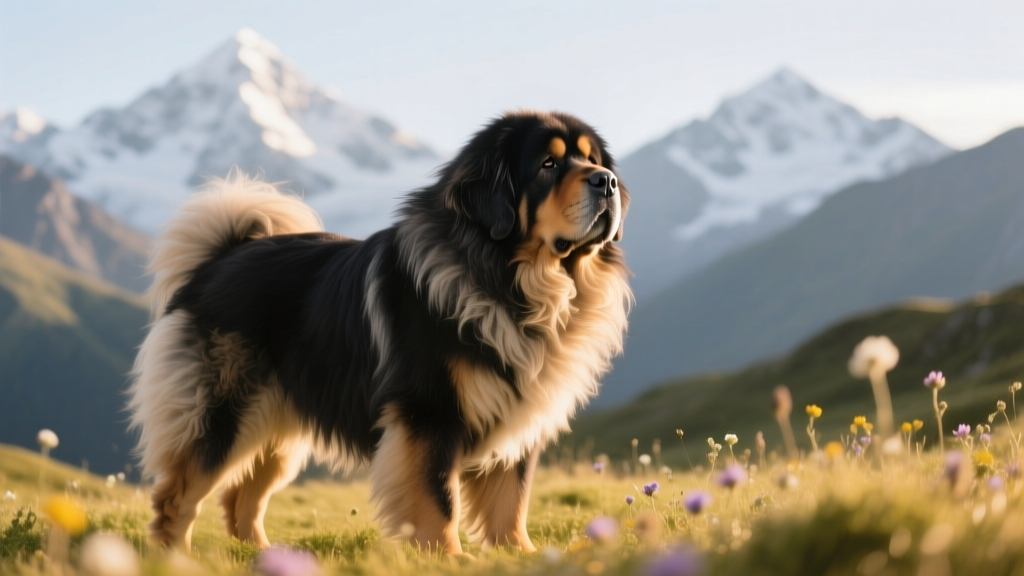
The Tibetan Mastiff: Ancient Guardian Among Big Fluffy Dog Breeds
If you've ever scrolled through photos of massive, lion-maned dogs and wondered what it would be like to live with one, the Tibetan Mastiff probably topped your list. Among big fluffy dog breeds, few command the same reverence — or require the same level of commitment — as this ancient Himalayan guardian. Standing up to 33 inches at the shoulder and draped in a luxurious double coat, the Tibetan Mastiff is a dog that demands space, respect, and an owner who understands independent canine thinking.
Originating in the high-altitude plateaus of Tibet, Nepal, and northern China, this breed has served as a livestock and monastery guardian for over 2,000 years. Nomadic herders relied on Tibetan Mastiffs to protect flocks from snow leopards and wolves, often chaining them during the day and releasing them at night to patrol. This nocturnal guarding instinct persists today — many Tibetan Mastiffs remain more alert and active after dark, a trait prospective owners should plan for.
The breed was largely unknown outside Central Asia until the mid-19th century, when British and European travelers brought specimens back to England. The American Kennel Club officially recognized the Tibetan Mastiff in 2006, placing it in the Working Group. Today, they remain relatively rare in the United States, with only a few hundred puppies registered annually.
| Attribute | Details |
|---|---|
| Size Class | Giant |
| Weight (Males) | 90–150 lb / 41–68 kg |
| Weight (Females) | 70–120 lb / 32–54 kg |
| Height (Males) | 26–33 in / 66–84 cm |
| Height (Females) | 24–28 in / 61–71 cm |
| Lifespan | 10–12 years |
| Coat Type | Dense double coat; long, harsh outer coat with soft woolly undercoat |
| Energy Level | Low to moderate |
| Grooming Frequency | 2–3 times per week; daily during shedding season |
| Family Fit | Best for experienced owners with secure yards; not apartment-suited |
Temperament & Personality: What Living With a Tibetan Mastiff Is Really Like
The Tibetan Mastiff's temperament is often misunderstood by people who see their fluffy appearance and assume a cuddly companion. This is a serious working guardian with a personality shaped by millennia of independent decision-making. Understanding these core traits will help you decide if this breed aligns with your household.
1. Fiercely Independent Thinkers
Unlike breeds that look to their owners for constant direction, Tibetan Mastiffs were bred to make their own judgments about threats. In practice, this means your dog may ignore a recall command if they've decided something in the yard needs investigating first. They're not unintelligent — they simply prioritize their own assessment of situations. One owner I worked with described her Tibetan Mastiff as "a dog who listens, considers your request, and then decides if it's worth his time."
2. Reserved With Strangers
Don't expect a Tibetan Mastiff to greet visitors with wagging enthusiasm. They typically observe newcomers with cool detachment and may position themselves between you and the guest. Early and ongoing socialization is critical — without it, this wariness can escalate into fear-based aggression. A well-socialized Tibetan Mastiff will tolerate strangers calmly but rarely seeks their affection.
3. Deeply Loyal to Their Family Unit
Within the home, Tibetan Mastiffs form strong bonds and tend to shadow their primary person from room to room. They're not typically lap dogs — they prefer to lie nearby, often in doorways or hallways where they can monitor household traffic. Many owners report their Mastiff becoming visibly distressed if a family member is absent for extended periods.
4. Nocturnal Vigilance
Expect barking at night. This breed's ancestral role was nighttime patrol, and that instinct runs deep. Tibetan Mastiffs are prone to barking at sounds humans can't hear — distant dogs, wildlife, wind. If you have close neighbors, this is a genuine consideration. Some owners manage this by bringing the dog indoors at night, though the barking may continue at windows.
5. Calm and Low-Key Indoors
Surprisingly for their size, Tibetan Mastiffs are relatively sedentary inside the home. They're not the type to bounce off furniture or race through hallways. Most spend their indoor time lying in a chosen spot, rising only to reposition or check on activity. This calmness can be misleading — they still need daily outdoor exercise to maintain joint health and prevent weight gain.
Physical Characteristics: Size, Coat, and Build
The Tibetan Mastiff is among the largest of the big fluffy dog breeds, though they are not the heaviest — that distinction belongs to breeds like the English Mastiff. What sets the Tibetan Mastiff apart is the combination of substantial bone, heavy coat, and the dramatic mane (called a "ruff") that frames the head and shoulders, particularly in males.
The coat comes in several colors recognized by the AKC: black, brown, blue/gray, gold, and red, often with tan markings above the eyes, on the muzzle, chest, and legs. White markings on the chest and feet are acceptable. The coat texture is critical — the outer coat should be long, straight, and somewhat harsh, never silky or wavy. The undercoat is dense and woolly, providing insulation against temperatures as low as -40°F (-40°C).
Males reach full physical maturity slowly, often not filling out completely until 4–5 years of age. Females mature slightly faster, typically reaching adult size by 3–4 years. This extended growth period means puppy joints are vulnerable to injury — avoid forced exercise on hard surfaces until growth plates close, which your veterinarian can confirm via X-ray around 18–24 months.
Exercise & Activity Needs
Despite their imposing size, Tibetan Mastiffs have relatively modest exercise requirements compared to other giant breeds. However, "modest" does not mean "none" — insufficient activity leads to obesity, joint deterioration, and destructive boredom behaviors.
| Life Stage | Daily Exercise | Recommended Activities |
|---|---|---|
| Puppy (2–6 months) | 15–20 minutes, 2x/day | Free play on grass, short leash walks, avoid stairs |
| Adolescent (6–18 months) | 30–40 minutes, 2x/day | Leash walks, gentle hiking on soft terrain, no running/jumping |
| Adult (18 months–7 years) | 45–60 minutes total | Two 20–30 min leash walks, yard patrol, mental enrichment |
| Senior (7+ years) | 20–30 minutes total | Short gentle walks, swimming if tolerated, avoid heat |
A critical note on exercise timing: Tibetan Mastiffs are extremely heat-sensitive due to their dense coat and brachycephalic-adjacent facial structure. In temperatures above 75°F (24°C), limit outdoor activity to early morning and evening. Always provide shade and fresh water. Heatstroke is a genuine risk and constitutes a veterinary emergency.
Mental stimulation matters as much as physical exercise for this breed. Scent work, puzzle feeders, and structured "patrol" walks where the dog is allowed to investigate and mark territory satisfy their guardian instincts more effectively than repetitive fetch games, which most Tibetan Mastiffs find uninteresting.
Common Health Issues in Tibetan Mastiffs
While generally hardy for a giant breed, Tibetan Mastiffs carry predispositions to several conditions that prospective owners should budget for. The Merck Veterinary Manual notes that responsible breeders screen for hip and elbow dysplasia, thyroid disorders, and eye conditions before breeding.
| Condition | Prevalence | Typical Onset | Estimated Treatment Cost |
|---|---|---|---|
| Hip Dysplasia | ~15–20% (OFA data) | 6 months–2 years (signs appear) | $1,500–$7,000 (surgical) |
| Elbow Dysplasia | ~10–12% | 4–10 months | $1,500–$4,000 (surgical) |
| Hypothyroidism | ~8–10% | 4–8 years | $20–$50/month (lifelong medication) |
| Canine Inherited Demyelinative Neuropathy (CIDN) | Rare but breed-specific | 2–4 months | Supportive care only; no cure |
| Entropion/Ectropion | ~5–8% | 6 months–3 years | $500–$2,000 (surgical correction) |
| Gastric Dilatation-Volvulus (Bloat) | Risk present (giant breed) | Any age, peak 4–7 years | $3,000–$7,000 (emergency surgery) |
Always consult your veterinarian about breed-appropriate health screening. The Orthopedic Foundation for Animals (OFA) recommends hip evaluations, elbow evaluations, thyroid panels, and ophthalmologist evaluations for Tibetan Mastiffs used in breeding programs. Ask any breeder for OFA certification numbers — legitimate breeders will provide these willingly.
Grooming Requirements: Managing That Magnificent Coat
The Tibetan Mastiff's coat is a major undertaking. Outside of shedding season, plan for 2–3 brushing sessions per week, each lasting 20–30 minutes. During the annual blow (typically late spring to early summer), daily brushing for 30–45 minutes becomes necessary. Males tend to carry more coat than females and may require more intensive grooming.
Essential grooming tools include:
- Undercoat rake: A long-tined undercoat rake (such as the Furminator for large breeds or a Chris Christensen Big G) is critical for removing dead undercoat before it mats
- Slicker brush: For finishing and smoothing the outer coat
- Steel comb: For checking behind ears, under the ruff, and in the britches (rear leg feathering) for tangles
- High-velocity dryer: Many owners invest in a dryer like the Metro Air Force Commander ($150–$250) to blow out loose undercoat efficiently — this can cut grooming time in half
Bathing is recommended every 6–8 weeks or as needed. Use a high-quality canine shampoo formulated for double-coated breeds. Thorough drying is essential — trapped moisture against the skin can cause hot spots and fungal infections, which are particularly problematic under dense coat where they're hard to detect early.
Additional maintenance includes nail trimming every 3–4 weeks, ear cleaning weekly (the heavy ear feathering restricts airflow and promotes wax buildup), and daily teeth brushing with enzymatic canine toothpaste.
Training & Intelligence: Working With an Independent Mind
The Tibetan Mastiff is intelligent but scores low on traditional obedience trainability rankings. This is not a deficiency — it reflects a breed that was selected for autonomous decision-making rather than handler cooperation. If you're looking for a dog that will eagerly perform tricks or compete in obedience trials, this is not the breed for you.
Effective training methods for Tibetan Mastiffs include:
- Positive reinforcement only: High-value food rewards (freeze-dried liver, chicken) and calm verbal praise work best. Harsh corrections or force-based methods will shut this breed down and damage trust permanently
- Short, varied sessions: 5–10 minutes maximum, 2–3 times daily. Repetitive drilling causes Tibetan Mastiffs to disengage entirely
- Early socialization (critical window: 8–16 weeks): Expose the puppy to diverse people, surfaces, sounds, and environments. Puppy kindergarten classes are valuable, but ensure the facility uses positive methods only
- Leash training priority: A 100-pound dog that pulls on leash is unmanageable. Start leash manners at 10–12 weeks using a front-clip harness (such as the Ruffwear Front Range, $40–$50)
Recall reliability is notoriously difficult to achieve with this breed. Most Tibetan Mastiff owners maintain a securely fenced yard (minimum 6-foot fence, with no gaps — some individuals can squeeze through surprisingly small openings) and accept that off-leash freedom in unfenced areas is not realistic.
Pros of Owning a Tibetan Mastiff
- Exceptionally loyal and protective of family
- Calm, quiet indoors — not hyperactive
- Naturally clean; minimal dog odor
- Low exercise needs for a giant breed
- Strikingly beautiful and imposing presence
- Generally healthy with proper breeding
Cons of Owning a Tibetan Mastiff
- Heavy barking, especially at night
- Extensive grooming demands year-round
- Not suited for first-time owners
- Reserved to aloof with strangers
- Very high purchase and maintenance costs
- Poor recall reliability; needs secure fencing
- Heat-sensitive; not ideal for hot climates
Family Suitability: Kids, Other Pets, and Living Arrangements
With children: Tibetan Mastiffs raised alongside children from puppyhood typically develop a tolerant, watchful attitude toward them. However, this is not a breed that actively seeks child interaction or tolerates rough handling. Their large size poses an accidental knockdown risk for toddlers. Best suited for families with children aged 8+ who understand how to interact respectfully with dogs. Always supervise all interactions between any dog and children.
With other pets: Same-household dogs are usually accepted, particularly if introduced as puppies. However, Tibetan Mastiffs can show same-sex aggression, and male-male pairings are often problematic. They generally coexist peacefully with household cats they're raised with but may view unfamiliar small animals as prey. Introducing an adult Tibetan Mastiff to a home with existing pets requires a slow, structured protocol — consult a certified professional dog trainer (CPDT-KA or IAABC-certified) for guidance.
Apartment living: The Tibetan Mastiff is poorly suited to apartment life. Their size, barking tendencies (especially nocturnal), and need for secure outdoor access make them a challenging neighbor in shared-wall housing. A home with a large, securely fenced yard is strongly recommended. Rural or suburban settings with space between neighbors are ideal.
Cost of Ownership: Budgeting for a Giant Breed
The Tibetan Mastiff is one of the more expensive big fluffy dog breeds to acquire and maintain. The initial purchase price is just the beginning — giant-breed food bills, veterinary care, and equipment add up quickly.
| Expense Category | Estimated Cost Range |
|---|---|
| Puppy from reputable breeder (health-tested parents, AKC registered) | $2,500–$5,000+ |
| Adoption/rescue (rare but available through breed-specific rescues) | $300–$800 |
| First-year veterinary care (vaccines, spay/neuter, OFA screenings) | $1,200–$2,500 |
| Annual veterinary care (adult, routine) | $800–$1,500 |
| Monthly food (premium large-breed kibble or balanced raw) | $120–$250 |
| Grooming supplies and professional grooming (if outsourced) | $500–$1,200/year |
| Heartworm/flea/tick prevention (year-round) | $200–$400/year |
| Equipment (XL crate, heavy-duty leash, 6-ft fence section if needed) | $400–$1,500 (initial) |
| Pet insurance (recommended for giant breeds) | $80–$150/month |
First-year total ownership costs typically range from $7,000 to $12,000, with ongoing annual costs of $3,500 to $6,000 after the first year. These figures assume no major health emergencies — a single surgical intervention for bloat or hip dysplasia can add $3,000–$7,000 in a given year. Pet insurance from providers like Trupanion or Healthy Paws is strongly recommended for this breed.
Frequently Asked Questions
Is the Tibetan Mastiff right for first-time dog owners?
No. The Tibetan Mastiff is widely considered unsuitable for first-time owners. Their combination of independent temperament, guarding instincts, large size, and training challenges requires an owner who has experience managing strong-willed breeds. First-time owners are better served by more biddable breeds and can revisit the Tibetan Mastiff after gaining handling experience.
How much exercise does a Tibetan Mastiff need daily?
Adult Tibetan Mastiffs need approximately 45–60 minutes of total daily activity, typically split into two leash walks of 20–30 minutes each. This is lower than most large breeds, but the exercise must be consistent. Avoid exercising in heat above 75°F (24°C).
What health problems is the Tibetan Mastiff prone to?
The most common breed-specific concerns include hip dysplasia (~15–20%), elbow dysplasia (~10–12%), hypothyroidism (~8–10%), and eye conditions like entropion. As a giant breed, they also carry risk for gastric dilatation-volvulus (bloat), which is a life-threatening emergency. CIDN (Canine Inherited Demyelinative Neuropathy) is a rare but breed-specific neurological condition. Work with a veterinarian who is familiar with giant-breed care.
How big does a Tibetan Mastiff get?
Adult males typically weigh 90–150 lb (41–68 kg) and stand 26–33 inches (66–84 cm) at the shoulder. Females are smaller at 70–120 lb (32–54 kg) and 24–28 inches (61–71 cm). Males may not reach full physical maturity until 4–5 years of age.
Is the Tibetan Mastiff good with children and other pets?
Tibetan Mastiffs raised with children are generally tolerant and protective, but they do not seek child interaction and their size poses accidental injury risk to toddlers. They're best matched with families with children aged 8+. They typically accept household dogs and cats they're raised with but may show same-sex aggression and are not reliable with unfamiliar small animals.
How much does a Tibetan Mastiff cost to buy and maintain?
Expect to pay $2,500–$5,000+ for a puppy from a reputable breeder. First-year ownership costs typically total $7,000–$12,000 including veterinary care, food, equipment, and supplies. Ongoing annual costs run $3,500–$6,000 for food, preventive care, grooming, and insurance. Giant-breed pet insurance ($80–$150/month) is strongly recommended.
Dr. Hannah Wickes
All our authors care for dogs every day — read more of their work on the authors page.


