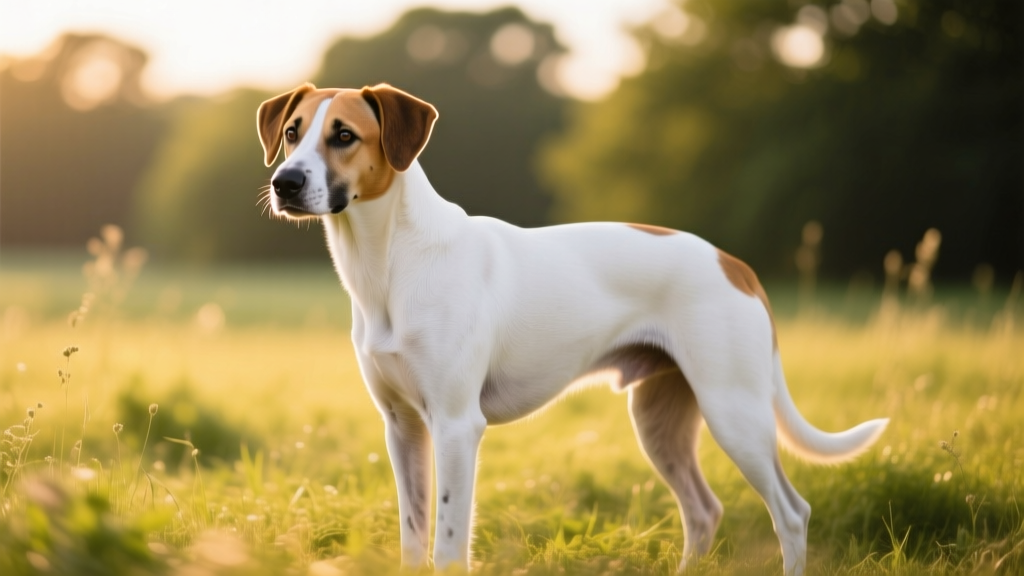
Staffordshire Bull Terrier Pups: Complete Breed Guide for New Owners
Everything you need to know about Staffordshire Bull Terrier pups — temperament, health risks, exercise needs, training tips, and 2026 ownership costs.

If you've been researching Staffordshire Bull Terrier pups, you've likely encountered a whirlwind of opinions — from devoted owners who call them the ultimate family dog to cautious warnings about their terrier heritage. The truth, as with most things in the canine world, is nuanced. The Staffy is a muscular, affectionate, and surprisingly sensitive breed that thrives with the right owner and proper socialization. This guide cuts through the noise with breed-specific data, veterinary-backed health information, and real-world ownership costs so you can make an informed decision.
Breed Overview: Origin, Size, and Lifespan
The Staffordshire Bull Terrier originated in the Staffordshire region of England during the early 19th century, developed by crossing Bulldogs with various terrier breeds — primarily the now-extinct English White Terrier and the Manchester Terrier. Initially bred for bull-baiting and later dog fighting, the breed was officially recognized by the American Kennel Club (AKC) in 1974, long after its fighting origins were outlawed. Modern Staffies have been selectively bred for over 150 years for companionship and temperament.
Staffordshire Bull Terriers are classified as a medium-sized breed. They are compact but powerfully built, with a stocky frame that belies their relatively modest height. Their typical lifespan ranges from 12 to 14 years, though some well-cared-for individuals live to 15 or 16.
| Attribute | Details |
|---|---|
| Size Class | Medium |
| Weight (Male) | 28–38 lb / 13–17 kg |
| Weight (Female) | 24–34 lb / 11–15 kg |
| Height | 14–16 inches / 36–41 cm at the shoulder |
| Lifespan | 12–14 years |
| Coat Type | Short, smooth, single coat |
| Energy Level | High |
| Grooming Needs | Low — weekly brushing |
| Family Fit | Excellent with children; cautious with unfamiliar dogs |
| AKC Group | Terrier Group |
Temperament and Personality: What Makes Staffies Tick
The Staffordshire Bull Terrier's nickname in England is "the Nanny Dog" — a testament to their renowned patience and protectiveness around children. But their personality extends far beyond that single trait. Here are the core behavioral characteristics you'll encounter with Staffordshire Bull Terrier pups as they mature:
- People-oriented and affectionate: Staffies form intense bonds with their families and are notorious for wanting physical contact. Expect your dog to lean against your legs, crawl into your lap (regardless of their 35-pound frame), and follow you room to room. They do poorly with long periods of isolation and are prone to separation anxiety if left alone for more than 4–6 hours regularly.
- Courageous and tenacious: This is the terrier in them. Staffies are bold and confident, rarely backing down from a challenge. This trait means they won't hesitate to put themselves between you and a perceived threat, but it also means they can be dog-reactive if not properly socialized during the critical 8–16 week puppy window.
- Playful and energetic well into adulthood: Unlike some breeds that mellow significantly after age two, Staffies often retain their puppy-like exuberance until age four or five. They love tug-of-war, flirt poles, and any game involving physical engagement.
- Sensitive and responsive to tone: Despite their tough appearance, Staffies are emotionally attuned to their owners. Harsh corrections or raised voices can cause them to shut down. They respond best to calm, encouraging communication and positive reinforcement training methods.
- Stubborn streak: They're intelligent but independent thinkers. A Staffy who doesn't see the point of a command may simply choose not to comply. This isn't defiance — it's terrier problem-solving. Patience and high-value treats (freeze-dried liver, boiled chicken) go a long way.
Physical Characteristics and Conformation
The Staffordshire Bull Terrier is unmistakable once you know what to look for. Their conformation standard, as described by the AKC breed standard, calls for a smooth-coated, stocky, muscular dog of great strength relative to their size.
Head: Short, deep, and broad with a pronounced stop and powerful jaw muscles. The " Staffy smile" — where they pull their lips back to reveal a wide grin — is a breed hallmark.
Body: Compact with a level topline, deep brisket, and well-sprung ribs. The chest is wide and the waist is noticeably tucked. Muscle definition is prominent even in well-conditioned pets.
Coat: Short, smooth, and close-lying. Acceptable colors include red, fawn, white, black, blue, brindle (any shade), and any of these with white markings. There is no undercoat, which means they shed minimally but are poorly insulated against cold weather.
Weight and Height:
- Males: 28–38 lb (13–17 kg), 14–16 inches (36–41 cm)
- Females: 24–34 lb (11–15 kg), 14–16 inches (36–41 cm)
Exercise and Activity Requirements
Staffordshire Bull Terrier pups and adults need structured daily exercise to maintain physical health and prevent boredom-driven destructive behavior. A Staffy who doesn't get enough activity will find their own entertainment — usually at the expense of your furniture, shoes, or drywall.
| Life Stage | Minutes/Day | Recommended Activities |
|---|---|---|
| Puppy (8–12 weeks) | 15–20 min | Short leash walks (5 min per month of age rule), indoor play, socialization outings |
| Puppy (3–6 months) | 30–40 min | Two short walks, supervised yard play, basic training sessions |
| Adolescent (6–18 months) | 45–60 min | Brisk walks, flirt pole sessions, puzzle feeders, structured fetch |
| Adult (18 months–7 years) | 60–90 min | Long walks or jogs, agility, weight pulling, swimming (with supervision), interactive games |
| Senior (7+ years) | 30–45 min | Gentle walks, low-impact play, swimming, sniffari outings |
Important considerations:
- Staffies are brachycephalic-adjacent — their broad heads and short muzzles mean they can overheat more easily than long-muzzled breeds. Avoid vigorous exercise when temperatures exceed 80°F (27°C). Watch for excessive panting, dark red gums, or stumbling.
- Many Staffies are poor swimmers due to their dense muscle mass and front-heavy build. Never leave them unsupervised near pools or open water. A canine life jacket (such as the Ruffwear Float Coat) is strongly recommended for any water activity.
- Mental exercise is equally important. Food puzzles (Kong Classic, Outward Hound Nina Ottosson puzzles), scent work, and 10-minute training sessions tire a Staffy's brain as effectively as a 30-minute walk.
Common Health Issues in Staffordshire Bull Terriers
While generally robust, the breed has several documented hereditary health conditions. Responsible breeders screen for these using OFA (Orthopedic Foundation for Animals) and genetic testing. If you're evaluating Staffordshire Bull Terrier pups from a breeder, ask for proof of health clearances on both parents.
| Condition | Description | Estimated Prevalence | Screening Method |
|---|---|---|---|
| L-2-Hydroxyglutaric Aciduria (L2HGA) | A metabolic disorder causing neurological symptoms including seizures, tremors, and behavioral changes. Onset typically between 6–12 months. | ~4–5% carriers in breed population | DNA test — available through Animal Health Trust / Embark |
| Hereditary Cataracts (HC) | Progressive lens opacity leading to blindness. Can appear as early as 2–3 years of age. | ~2–3% affected; ~10% carriers | DNA test (HIPS-HC) + annual CERF eye exam |
| Hip Dysplasia | Malformation of the hip joint causing pain, lameness, and arthritis. | ~15% based on OFA data (2020–2024) | OFA or PennHIP radiographic evaluation at 24+ months |
| Elbow Dysplasia | Developmental abnormality of the elbow joint leading to front-leg lameness. | ~8–10% based on OFA data | OFA elbow radiographs |
| Mast Cell Tumors | Skin tumors that can be benign or malignant. Staffies have a breed predisposition. | Higher than breed average; exact rate unclear | Regular skin checks; veterinary biopsy of any new lumps |
Other conditions to watch for:
- Allergic skin disease: Staffies are prone to atopic dermatitis, particularly environmental allergies (pollen, dust mites, mold). Symptoms include paw licking, face rubbing, and recurrent ear infections. Management may involve Apoquel, Cytopoint injections, or allergy immunotherapy — consult your veterinarian for a tailored plan.
- Demodectic mange: Localized demodicosis (caused by Demodex mites) is more common in Staffy puppies than in many breeds. Most localized cases resolve spontaneously, but generalized demodicosis requires veterinary treatment with isoxazoline-class medications.
- Cruciate ligament tears: Their athletic, high-impact play style puts them at elevated risk for cranial cruciate ligament (CCL) injuries, especially if overweight.
Grooming and Maintenance
The Staffy's short, single coat is one of the breed's biggest practical advantages. Grooming is straightforward and inexpensive:
| Task | Frequency | Tools / Products |
|---|---|---|
| Brushing | Weekly | Rubber curry brush (e.g., Kong ZoomGroom) or bristle brush |
| Bathing | Every 4–8 weeks or as needed | Oatmeal-based canine shampoo; avoid human products |
| Nail trimming | Every 2–4 weeks | Guillotine or scissor-style clippers; Dremel for sensitive dogs |
| Ear cleaning | Bi-weekly | Veterinary ear cleanser (e.g., Epi-Otic Advanced); cotton balls only |
| Teeth brushing | Daily or minimum 3x/week | Canine enzymatic toothpaste (Virbac C.E.T.) and finger brush |
| Skin fold check | Weekly | Visual inspection of face folds; wipe with damp cloth if needed |
Staffies shed year-round at a low-to-moderate level, with slightly heavier shedding in spring and fall. Their short hairs can embed in fabric, so a good lint roller and regular vacuuming are part of life with this breed.
Training and Intelligence
Staffordshire Bull Terriers are intelligent dogs that learn quickly, but their terrier independence means they are not the push-button obedient breed that a Border Collie or Golden Retriever might be. According to canine intelligence rankings, Staffies fall into the "average working intelligence" category — they'll learn a new command in 25–40 repetitions and obey a known command on the first try about 50% of the time or better.
Training approach recommendations:
- Use positive reinforcement exclusively. High-value food rewards, play rewards (tug is a Staffy's dream), and praise work far better than aversive methods. Shock collars, prong collars, and alpha rolls are not only ineffective with this sensitive breed — they can damage the trust bond and trigger fear-based reactivity.
- Start socialization early. The critical socialization window closes around 14–16 weeks. Expose your Staffy pup to diverse people, environments, sounds, and vaccinated, friendly dogs during this period. Puppy kindergarten classes (after initial DHPP vaccination) are strongly recommended.
- Focus on impulse control. "Leave it," "wait," and a rock-solid recall are essential life skills for a powerful, enthusiastic breed. Practice in low-distraction environments before progressing to real-world scenarios.
- Keep sessions short. Five to ten minutes, two to three times daily, outperforms a single 30-minute marathon session. Staffies lose focus quickly when bored.
- Address leash reactivity proactively. Some Staffies develop dog-directed reactivity on leash, especially during adolescence (8–18 months). Counter-conditioning and desensitization with a certified force-free trainer (look for CPDT-KA or IAABC credentials) can address this before it becomes entrenched.
Family Suitability: Kids, Pets, and Living Spaces
With children: The Staffordshire Bull Terrier is widely regarded as one of the best breeds for families with kids. Their patience, sturdiness, and playfulness make them natural companions for children aged 6 and up. They can handle the clumsy pats of younger children without snapping, but as with any breed, interactions between Staffies and toddlers should always be supervised. Their muscular build means an excited Staffy can accidentally knock over a small child.
With other dogs: This is where nuance matters. Staffies can coexist peacefully with other household dogs — especially if raised together from puppyhood — but they have a genetic predisposition toward same-sex dog aggression, a trait common in many terrier breeds. Dog park visits are often a poor fit; Staffies tend to play rough and may not read other dogs' calming signals well. Careful introductions and controlled playdates with known, compatible dogs are a safer alternative.
With cats and small animals: The Staffy's terrier prey drive means cats, rabbits, and small pets are at risk unless the dog has been raised with them from a young age. Even then, unsupervised access is not recommended.
Apartment living: Staffies can adapt to apartment life provided they receive their full daily exercise allocation (60–90 minutes for adults). They are moderate barkers — typically vocalizing during play rather than as nuisance alarm barkers. Their compact size works in their favor. However, they are not a breed that tolerates being left alone for 8+ hour workdays without a midday break; separation anxiety and resulting destruction are common in under-stimulated apartment Staffies.
Pros of Owning a Staffy
- Extremely affectionate and loyal to family
- Excellent with children
- Low grooming maintenance
- Compact size suits various living situations
- Generally healthy with 12–14 year lifespan
- Playful and fun well into adulthood
Cons to Consider
- Prone to separation anxiety
- Potential dog-directed reactivity
- Strong prey drive — risky with cats/small pets
- Can be stubborn during training
- BSL restrictions in some areas
- Poor cold-weather tolerance; overheating risk
Cost of Ownership: Buying and Maintaining a Staffy
Understanding the full financial commitment before bringing home Staffordshire Bull Terrier pups is essential. Here's a realistic breakdown based on current market data:
Puppy purchase price:
- From a responsible AKC-registered breeder with health-tested parents: $1,500–$3,500
- From a non-registered or backyard breeder: $800–$1,500 (not recommended — health screening is typically absent)
- Adoption from a breed-specific rescue (e.g., Staffordshire Bull Terrier Rescue, Inc.): $300–$600
| Expense Category | Estimated Annual Cost | Notes |
|---|---|---|
| High-quality food (AAFCO complete & balanced) | $480–$720 | Based on 25–35 lb dog; brands like Purina Pro Plan, Fromm, or Orijen |
| Routine veterinary care | $500–$800 | Annual exam, DHPP/rabies boosters, heartworm test, fecal exam |
| Preventive medications | $240–$400 | Monthly heartworm (Heartgard Plus), flea/tick (Bravecto, Simparica Trio) |
| Pet insurance | $480–$840 | $40–$70/month; varies by deductible and coverage level |
| Grooming supplies | $50–$100 | Brushes, shampoo, nail clippers, dental care |
| Training classes | $150–$400 | Puppy kindergarten + intermediate obedience; group or private |
| Toys and enrichment | $150–$300 | Staffies destroy toys quickly — budget for durable options (Kong Extreme, Goughnuts) |
| Miscellaneous (license, microchip, boarding) | $200–$500 | Varies by location and lifestyle |
| Total Estimated Annual Cost | $2,250–$4,060 | Excluding emergency veterinary care |
First-year total estimate: Including puppy purchase, initial veterinary visits (vaccination series, spay/neuter), supplies (crate, bed, leash, harness), and ongoing costs, expect to spend between $4,500 and $8,000 in the first year. Emergency veterinary care (e.g., CCL surgery, which runs $2,500–$5,000 per knee) is not included in this estimate, making pet insurance or a dedicated emergency fund a wise investment.
Frequently Asked Questions
Is the Staffordshire Bull Terrier right for first-time dog owners?
Staffies can work for committed first-time owners, but they are not the easiest breed for beginners. Their combination of strength, terrier stubbornness, and potential dog-reactivity requires an owner willing to invest seriously in training and socialization. If you're a first-timer set on a Staffy, enrolling in professional puppy classes and working with a certified positive-reinforcement trainer from day one will set you up for success. Breeds like the Cavalier King Charles Spaniel or Bichon Frise may be more forgiving of beginner mistakes.
How big does a Staffordshire Bull Terrier get?
Adult males typically weigh 28–38 lb (13–17 kg) and stand 14–16 inches (36–41 cm) at the shoulder. Females are slightly smaller at 24–34 lb (11–15 kg) and the same height range. They reach their full height by 12 months but continue filling out and gaining muscle mass until about 18–24 months.
What health problems are Staffordshire Bull Terriers prone to?
The most significant breed-specific concerns are L-2-Hydroxyglutaric Aciduria (L2HGA), hereditary cataracts, hip dysplasia (~15% prevalence per OFA), elbow dysplasia (~8–10%), and mast cell tumors. Allergic skin disease and demodectic mange are also more common in this breed than average. Always purchase from breeders who provide documented DNA test results and OFA clearances for both parents.
How much exercise does a Staffy need every day?
Adult Staffordshire Bull Terriers need 60–90 minutes of daily exercise, split across two or more sessions. This should include a mix of brisk walks, structured play (fetch, tug, flirt pole), and mental enrichment (training drills, food puzzles). Puppies need less — follow the 5-minutes-per-month-of-age guideline for walks to protect developing joints.
Are Staffordshire Bull Terriers good with children and other pets?
Staffies are outstanding with children and are known for their patience and gentleness. They can live harmoniously with other household dogs, especially when raised together, but same-sex aggression is a known breed tendency. Their terrier prey drive makes them risky around cats, rabbits, and small animals unless carefully raised alongside them from puppyhood. Always supervise interactions between any dog and young children.
How much does it cost to buy and maintain a Staffordshire Bull Terrier?
A well-bred Staffy puppy from a health-testing breeder costs $1,500–$3,500. Annual maintenance costs range from $2,250 to $4,060, covering food, veterinary care, preventives, insurance, training, and supplies. First-year costs (including the puppy, initial vet visits, and gear) typically total $4,500–$8,000. Breed-specific rescue adoption fees are lower at $300–$600.
This article is for informational purposes only and does not replace professional veterinary advice. Always consult your veterinarian for health decisions specific to your dog.
Aaron Whyte
All our authors care for dogs every day — read more of their work on the authors page.