The True Size of a Medium Dog: 12 Best Breeds by Weight & Height
What is the actual size of a medium dog? We break down exact weight and height ranges for 12 top medium breeds with a comparison guide.
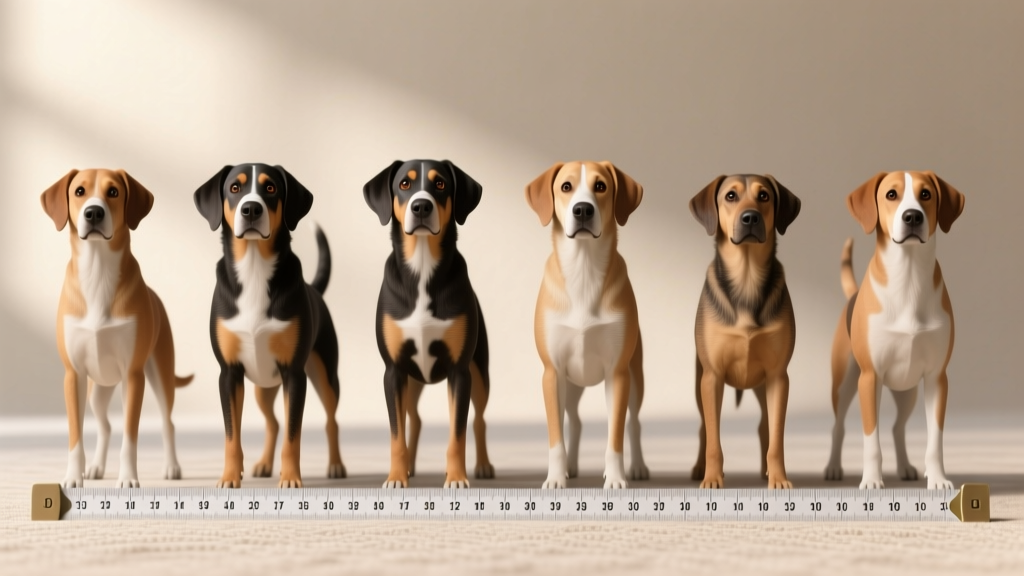
What Exactly Is the Size of a Medium Dog?
If you've ever stood in the pet food aisle staring at "medium breed" kibble bags, you've probably wondered: what is the actual size of a medium dog? The answer isn't as straightforward as you might think. Unlike human clothing sizes, there's no single governing body that defines canine size categories with hard cutoffs.
That said, most veterinary references and the American Kennel Club (AKC) generally classify medium dogs as those weighing between 30 and 65 pounds (14–29 kg) and standing roughly 16 to 22 inches (41–56 cm) tall at the shoulder. Some sources extend the upper bound to 70 lb / 32 kg to account for stockier breeds like Bulldogs.
Why does this matter? Because size drives everything from caloric needs and medication dosing to crate sizing, car safety harness selection, and even life expectancy. Medium dogs typically live 10–15 years, outlasting giant breeds but sometimes falling short of tiny toy breeds. Their nutritional requirements differ significantly from both small and large breeds — for example, medium-breed puppies need controlled calcium-to-phosphorus ratios to prevent developmental orthopedic disease, while adults need approximately 25–30 calories per pound of ideal body weight daily.
How We Selected These 12 Medium Dog Breeds
To earn a spot on this list, each breed had to meet all four criteria:
- Weight range: Adult weight falls between 30–65 lb (14–29 kg) per the AKC breed standard.
- Height range: Shoulder height between 16–22 inches (41–56 cm).
- Recognized breed: AKC, UKC, or FCI-recognized with a published standard — no designer mixes.
- Practical owner relevance: The breed is accessible to typical US-based owners (not restricted, extremely rare, or working-only lines).
We prioritized breeds that sit squarely in the medium range — not borderline large breeds that some owners mistakenly call "medium."
12 Medium Dog Breeds Ranked by Versatility
We've organized these breeds into three groups based on energy level and lifestyle fit: Active & Athletic, Balanced & Adaptable, and Compact & Calm. Within each group, breeds are ranked by overall versatility for the average owner.
Group 1: Active & Athletic Medium Breeds
1. Australian Shepherd
Size class: Medium (upper range)
Weight: 40–65 lb / 18–29 kg
Height: 18–23 in / 46–58 cm
Key trait: Elite endurance and trainability
The Aussie packs serious working drive into a medium frame. They excel at agility, herding trials, and advanced obedience, but they demand 60–90 minutes of vigorous daily exercise. Not ideal for apartment dwellers or first-time owners. Expect to spend $150–$300/year on puzzle toys and enrichment to prevent destructive boredom behaviors.
2. Border Collie
Size class: Medium
Weight: 30–55 lb / 14–25 kg
Height: 18–22 in / 46–56 cm
Key trait: Highest canine intelligence ranking
Ranked #1 in Stanley Coren's intelligence studies, Border Collies learn new commands in under 5 repetitions. They need jobs — without structured mental work, they develop obsessive behaviors like shadow-chasing or excessive barking. Best for active owners who can commit to dog sports or advanced training programs. Puppy prices from health-tested breeders run $1,200–$2,500.
3. Brittany
Size class: Medium
Weight: 30–40 lb / 14–18 kg
Height: 17.5–20.5 in / 44–52 cm
Key trait: Compact gun dog with off-switch capability
The Brittany is the sweet spot for hunting-dog lovers who don't have acreage. They're energetic in the field (45–60 min/day needed) but settle well indoors. Their smaller build within the medium range makes them manageable for owners who want athleticism without the bulk. Hip dysplasia prevalence is approximately 10–12% per OFA data.
4. Portuguese Water Dog
Size class: Medium (upper range)
Weight: 35–60 lb / 16–27 kg
Height: 17–23 in / 43–58 cm
Key trait: Hypoallergenic coat with water-drive
Made famous by the Obamas' dogs Bo and Sunny, the Portie offers a low-shed coat (good for mild allergy sufferers) paired with genuine athletic ability. They need 45–60 minutes of exercise and regular grooming every 6–8 weeks ($60–$90 per session). Puppies from AKC breeders typically cost $2,000–$3,500.
Group 2: Balanced & Adaptable Medium Breeds
5. Cocker Spaniel (American)
Size class: Medium (lower range)
Weight: 20–30 lb / 9–14 kg
Height: 13.5–15.5 in / 34–39 cm
Key trait: Gentle family companion with moderate energy
Note: The American Cocker sits at the lower boundary of medium — some classify them as small. We include them because their stocky build and caloric needs align with medium-breed formulas. They need 30–45 minutes of daily exercise and are prone to ear infections (their floppy ears trap moisture — clean weekly with a vet-approved ear wash). Grooming runs $50–$80 every 6 weeks.
6. English Springer Spaniel
Size class: Medium
Weight: 40–50 lb / 18–23 kg
Height: 19–20 in / 48–51 cm
Key trait: Eager-to-please temperament with field versatility
Springers hit the dead center of the medium range in both weight and height. They're biddable, friendly with children, and adapt to suburban life with 45–60 minutes of daily activity. Watch for phosphofructokinase (PFK) deficiency — responsible breeders DNA-test for this inherited metabolic disorder. Ask breeders for OFA or PennHIP clearances.
7. Keeshond
Size class: Medium
Weight: 35–45 lb / 16–20 kg
Height: 17–18 in / 43–46 cm
Key trait: Watchdog alertness without aggression
The Keeshond is a spitz-type dog that barks to alert but warms to strangers quickly. They're well-suited to colder climates (that double coat is insulation-rated for sub-zero temperatures) and need only 30–40 minutes of exercise. Prone to primary hyperparathyroidism — ask breeders about the family health history. Puppy prices: $1,500–$2,800.
8. Whippet
Size class: Medium
Weight: 25–40 lb / 11–18 kg
Height: 18–22 in / 46–56 cm
Key trait: Sprint-speed athlete that lounges like a cat
Whippets are the definition of "sprinter, not marathoner." They'll clock 35 mph in short bursts but spend 18+ hours a day sleeping. Their thin coat and low body fat mean they feel the cold — budget $30–$60 for a well-fitted winter coat. They're sensitive to anesthesia due to low body fat; always ensure your vet uses sighthound-specific protocols.
Group 3: Compact & Calm Medium Breeds
9. Basset Hound
Size class: Medium (heavy-set)
Weight: 40–65 lb / 18–29 kg
Height: 11–15 in / 28–38 cm
Key trait: Low-energy scent hound with stubborn charm
Bassets are medium by weight but short by stature. Their low-slung build puts them at risk for intervertebral disc disease (IVDD) — avoid stairs and use ramps for furniture access. They need only 20–30 minutes of leisurely walking but will follow a scent trail into traffic if off-leash. Always walk on a secure harness, never a collar-only setup.
10. Bulldog (English)
Size class: Medium (heavy-set)
Weight: 40–50 lb / 18–23 kg
Height: 14–15 in / 36–38 cm
Key trait: Low exercise needs with high companionship drive
Bulldogs are medium-weight dogs compressed into a compact frame. As a brachycephalic breed, they're prone to Brachycephalic Obstructive Airway Syndrome (BOAS) — avoid exercising them in heat above 75°F (24°C). They snore, drool, and require daily facial wrinkle cleaning. Annual vet costs tend higher than average: budget $800–$1,500/year for routine care due to skin, ear, and respiratory issues.
11. Bichon Frise
Size class: Small-to-medium (borderline)
Weight: 12–18 lb / 5–8 kg
Height: 9.5–11.5 in / 24–29 cm
Key trait: Hypoallergenic coat with cheerful temperament
While technically on the smaller end, many owners group Bichons with medium breeds due to their sturdy build and medium-breed nutritional needs. They're excellent for allergy sufferers and apartment living. Professional grooming is non-negotiable: every 4–6 weeks at $50–$75 per visit. Prone to patellar luxation — keep them at a lean body condition score (4–5/9).
12. Shiba Inu
Size class: Medium (compact)
Weight: 17–23 lb / 8–10 kg
Height: 13.5–16.5 in / 34–42 cm
Key trait: Cat-like independence with fastidious cleanliness
The Shiba is the smallest of Japan's native breeds but carries itself with medium-dog confidence. They're notoriously difficult to recall off-leash — their prey drive overrides training. Best for experienced owners who appreciate an aloof, low-cuddling companion. Puppy cost: $1,500–$3,500 from reputable breeders. Adopt through breed-specific rescues like Shiba Inu Rescue Association for $300–$500.
Medium Breed Comparison Table
| Breed | Weight (lb / kg) | Height (in / cm) | Daily Exercise | Grooming Frequency | Family-Friendly Rating |
|---|---|---|---|---|---|
| Australian Shepherd | 40–65 / 18–29 | 18–23 / 46–58 | 60–90 min | Weekly brushing | ★★★★☆ |
| Border Collie | 30–55 / 14–25 | 18–22 / 46–56 | 60–90 min | Weekly brushing | ★★★☆☆ |
| Brittany | 30–40 / 14–18 | 17.5–20.5 / 44–52 | 45–60 min | Weekly brushing | ★★★★★ |
| Portuguese Water Dog | 35–60 / 16–27 | 17–23 / 43–58 | 45–60 min | Professional every 6–8 wk | ★★★★★ |
| American Cocker Spaniel | 20–30 / 9–14 | 13.5–15.5 / 34–39 | 30–45 min | Professional every 6 wk | ★★★★★ |
| English Springer Spaniel | 40–50 / 18–23 | 19–20 / 48–51 | 45–60 min | Weekly + professional quarterly | ★★★★★ |
| Keeshond | 35–45 / 16–20 | 17–18 / 43–46 | 30–40 min | 2–3x/week brushing | ★★★★★ |
| Whippet | 25–40 / 11–18 | 18–22 / 46–56 | 30–45 min (sprint) | Minimal — wipe down | ★★★★☆ |
| Basset Hound | 40–65 / 18–29 | 11–15 / 28–38 | 20–30 min | Weekly + ear cleaning | ★★★★★ |
| Bulldog (English) | 40–50 / 18–23 | 14–15 / 36–38 | 20–30 min (cool weather) | Daily wrinkle cleaning | ★★★★☆ |
| Bichon Frise | 12–18 / 5–8 | 9.5–11.5 / 24–29 | 20–30 min | Professional every 4–6 wk | ★★★★★ |
| Shiba Inu | 17–23 / 8–10 | 13.5–16.5 / 34–42 | 30–45 min | Weekly + heavy shedding season | ★★★☆☆ |
How to Choose the Right Medium Breed for Your Situation
Twelve breeds is a lot to process. Here's a practical decision framework to narrow it down based on your lifestyle constraints:
- Do you have a securely fenced yard?
- No → Eliminate Brittany, Whippet, Shiba Inu (high flight/prey drive off-leash). Focus on: Keeshond, Bichon, Cocker Spaniel.
- Yes → Continue to step 2.
- Can you commit 60+ minutes of vigorous daily exercise?
- No → Eliminate Australian Shepherd, Border Collie. Focus on: Basset Hound, Bulldog, Keeshond, Bichon.
- Yes → Continue to step 3.
- Do you or a household member have dog allergies?
- Yes → Focus on: Portuguese Water Dog, Bichon Frise (low-shed coats). Note: no breed is truly hypoallergenic — spend time with the breed before committing.
- No → Continue to step 4.
- Do you have children under 8?
- Yes → Focus on: English Springer Spaniel, Brittany, Keeshond, Basset Hound (sturdy, tolerant temperaments). Avoid: Shiba Inu (low tolerance for grabbing), Whippet (fragile build).
- No → All breeds remain viable.
- Is your annual dog-care budget under $1,500?
- Yes → Avoid: Bulldog (high vet costs), Portuguese Water Dog and Bichon (high grooming costs). Focus on: Whippet, Brittany, Basset Hound.
- No → All breeds remain viable.
Honorable Mentions & Breeds to Rethink
Honorable Mentions
These breeds narrowly missed the list but deserve consideration:
- Nova Scotia Duck Tolling Retriever: 35–50 lb, athletic and trainable, but rare in the US (expect waitlists of 12–18 months).
- Finnish Spitz: 20–33 lb, unique "bark pointer" hunting style, but high vocalization makes them poor apartment dogs.
- Standard Schnauzer: 30–50 lb, wiry low-shed coat, excellent watchdog, but can be strong-willed with first-time owners.
Breeds Commonly Mislabeled as "Medium"
Several popular breeds are often called medium but actually fall outside the range:
- Labrador Retriever: 55–80 lb — this is a large breed. Males commonly exceed 70 lb.
- Golden Retriever: 55–75 lb — also large. Their gentle temperament makes them feel medium, but their mass and caloric needs are firmly large-breed.
- Siberian Husky: 35–60 lb — technically medium by weight, but their height (20–23.5 in) and exercise requirements (90+ min) push them into a demanding category that catches many owners off guard.
What Does Medium Size Mean for Daily Care Costs?
Understanding the size of a medium dog helps you budget realistically. Here's what medium-breed ownership typically costs in 2026:
| Expense Category | Annual Cost Range (USD) | Notes |
|---|---|---|
| Food (quality kibble) | $360–$600 | Based on 2–3 cups/day of AAFCO-approved food at $1.50–$2.50/lb |
| Routine veterinary care | $400–$800 | Annual exam, DHPP/rabies boosters, heartworm test, fecal panel |
| Heartworm & flea/tick prevention | $200–$400 | Medium-breed dosing (e.g., Simparica Trio for 21–40 lb or 41–90 lb) |
| Grooming (breed-dependent) | $0–$900 | $0 for short-coated breeds; up to $75/session × 12 for PWD or Bichon |
| Pet insurance (accident + illness) | $480–$840 | $40–$70/month for medium breeds; varies by deductible and reimbursement |
| Crate, bed, gear (first year) | $200–$450 | Medium crate (36"), orthopedic bed, harness, leash, bowls |
First-year total estimate: $1,640–$3,990 depending on breed grooming needs and whether you purchase from a breeder ($1,200–$3,500) or adopt ($200–$500).
Frequently Asked Questions
What is the average size of a medium dog?
The average medium dog weighs 30–65 lb (14–29 kg) and stands 16–22 inches (41–56 cm) at the shoulder. The English Springer Spaniel at 40–50 lb and 19–20 inches is the closest to a "textbook" medium dog in both dimensions.
Why are breeds like the Basset Hound considered medium if they're so short?
Size classification prioritizes weight over height because weight drives medication dosing, caloric needs, and joint stress. A 50 lb Basset Hound eats and metabolizes like other 50 lb dogs, even though their legs are short. Their low height is a conformation trait, not a size-category disqualifier.
Should I feed my medium dog large-breed or small-breed food?
Neither — look for formulas labeled "medium breed" or "all life stages" with an AAFCO statement of nutritional adequacy. Medium-breed puppy food has moderate calcium levels (1.0–1.5% on a dry matter basis) to support steady bone growth without the accelerated rates seen in large breeds. Consult your veterinarian if your dog has specific health conditions that require a prescription diet.
Is a 50 lb dog considered medium or large?
A 50 lb dog is squarely in the medium range. The cutoff to large is generally around 65–70 lb. Breeds like the English Springer Spaniel (40–50 lb) and Keeshond (35–45 lb) represent the core of the medium category.
Do medium dogs live longer than large dogs?
Yes, on average. According to studies published in the Merck Veterinary Manual, medium-breed dogs have a median lifespan of 11–13 years, while giant breeds (over 100 lb) average 7–10 years. The relationship between body size and longevity in dogs is well-documented — larger dogs age faster at the cellular level.
What crate size does a medium dog need?
Most medium dogs fit a 36-inch crate (36" L × 23" W × 25" H). The rule: your dog should be able to stand up without ducking, turn around completely, and lie down stretched out. For breeds at the upper end (55–65 lb Aussies), you may need a 42-inch crate. Always measure your individual dog rather than going by breed averages.
Which medium breed is best for first-time owners?
The English Springer Spaniel and Keeshond top the list for first-time owners. Springers are eager to please and food-motivated (making positive reinforcement training straightforward), while Keeshonden are alert but adaptable. Both have moderate exercise needs and bond closely with their families. Avoid Border Collies and Australian Shepherds as a first dog — their intensity and sensitivity can overwhelm inexperienced handlers.
For breed-specific health testing requirements, consult the Orthopedic Foundation for Animals (OFA) and the AKC breed-specific health testing recommendations. Always meet a breed in person before committing, and consider breed-specific rescues as an alternative to purchasing from a breeder.
Beth Carrasco
All our authors care for dogs every day — read more of their work on the authors page.


