Siberian Husky/Pyrenees Mix: Complete Breed Profile & Owner's Guide
Everything about the Siberian Husky/Pyrenees mix — size, temperament, coat, health risks, grooming, cost.
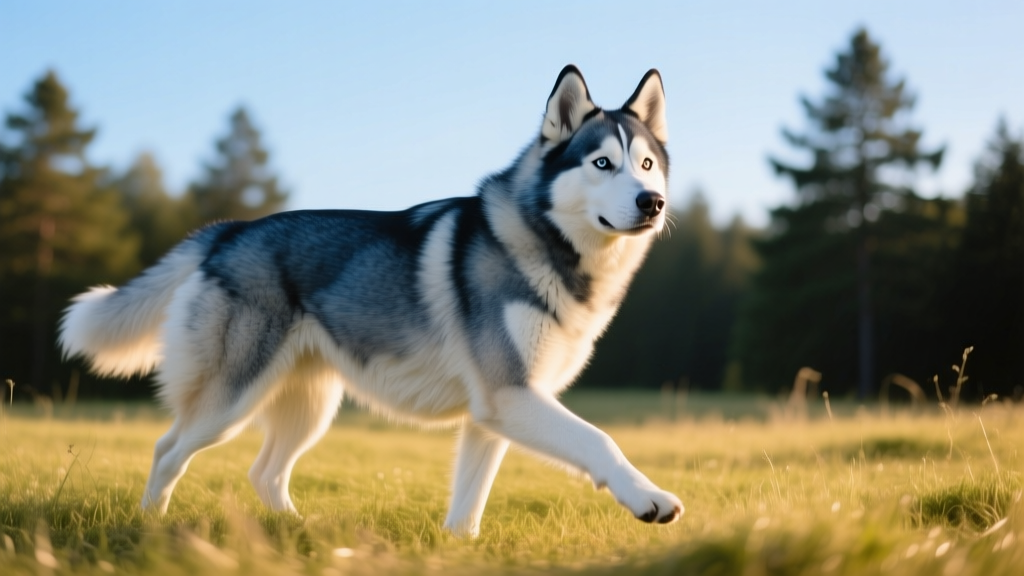
Meet the Siberian Husky/Pyrenees Mix: A Striking Cross Between Two Working Breeds
The Siberian Husky/Pyrenees mix — sometimes called a Husky Pyrenees or Pyrenees Husky — pairs the high-energy sled dog with the calm, watchful Great Pyrenees livestock guardian. The result is a large, thick-coated dog that can range from an athletic adventure companion to a mellow family guardian, depending on which parent's genes dominate. This unpredictability is the defining feature of any first-generation cross, and prospective owners should go in with eyes wide open.
Unlike established breeds with a written standard, mixed-breed dogs inherit traits in varied combinations. Two puppies from the same litter can look and behave quite differently. This guide breaks down what you can reasonably expect, what you can't predict, and how to decide if this mix is the right fit for your household.
Parent Breed Breakdown: Siberian Husky vs. Great Pyrenees
Understanding the parent breeds is the best way to anticipate what a Husky/Pyrenees mix might be like. These two dogs were developed for very different working roles, and those instincts still surface in their offspring.
| Trait | Siberian Husky | Great Pyrenees |
|---|---|---|
| AKC Group | Working | Working |
| Weight Range | 35–60 lb / 16–27 kg | 85–120+ lb / 39–54+ kg |
| Height | 20–23.5 in / 51–60 cm | 25–32 in / 64–81 cm |
| Original Purpose | Endurance sled pulling | Livestock guardian (flock protection) |
| Energy Level | Very high — needs 60–90+ min/day | Low to moderate — 30–45 min/day |
| Barking/Vocalization | High — howling, "talking" | High — deep, alert barking (especially at night) |
| Trainability | Moderate — intelligent but independent | Low to moderate — bred to think autonomously |
| Prey Drive | High | Moderate (guardian instinct, not chase instinct) |
| Shedding | Heavy — seasonal coat blows | Heavy — year-round with seasonal peaks |
| Lifespan | 12–14 years | 10–12 years |
Both breeds share some traits: thick double coats, independence, vocalization tendencies, and a strong desire to roam. Where they diverge — energy level, size, and social style — is where the most variation appears in the mix.
How Big Will a Siberian Husky/Pyrenees Mix Get?
The size spread between the two parent breeds is enormous: a 45-pound Husky versus a 100-pound Pyrenees. This means the offspring's adult size depends heavily on which parent contributes more genetic influence, the sex of the dog, and individual variation.
| Category | Low End | Typical Range | High End |
|---|---|---|---|
| Weight | 50 lb / 23 kg | 65–95 lb / 29–43 kg | 110+ lb / 50+ kg |
| Height (at shoulder) | 22 in / 56 cm | 24–28 in / 61–71 cm | 30+ in / 76+ cm |
Most first-generation (F1) Husky/Pyrenees mixes land somewhere in the middle — around 70–90 pounds and 25–27 inches at the shoulder. Males tend toward the upper end. Because the Great Pyrenees is significantly larger, even a Husky-leaning mix will usually be bigger than a purebred Husky.
Understanding Generations: F1, F1B, F2, and Multigen
Generation Explainer
- F1 (First Generation): One purebred Siberian Husky parent × one purebred Great Pyrenees parent. Maximum genetic diversity, but highest trait variability between littermates. This is the most common Husky/Pyrenees cross you'll encounter.
- F1B (First Generation Backcross): An F1 Husky/Pyrenees mix bred back to one of the purebred parent breeds. For example, an F1 mix × Great Pyrenees produces a litter that is 75% Pyrenees and 25% Husky. This skews traits toward the backcross parent.
- F2 (Second Generation): Two F1 Husky/Pyrenees mixes bred together. Trait predictability does not improve — in fact, F2 litters often show more variation as recessive genes from both breeds recombine in unexpected ways.
- Multigen (F3+): Multiple generations of Husky/Pyrenees crosses bred together. Extremely rare for this particular mix. Without a breed club or standard, multigen lines don't guarantee consistency the way they might in established designer breeds like Labradoodles.
For the Husky/Pyrenees cross, the vast majority of available puppies are F1. There is no recognized breed registry or established breeding program for this mix, so you're unlikely to find F1B or multigen puppies from intentional breeders. Most available dogs are the result of accidental breedings or small-scale hobby breeders.
Coat, Color, and Grooming: What to Expect
Both parent breeds carry thick double coats, so this is one trait you can predict with confidence: your Husky/Pyrenees mix will almost certainly have a dense, weather-resistant double coat. What varies is the coat's length, texture, and color.
Coat Type Possibilities
- Husky-leaning coat: Medium-length (1–2 inches), dense undercoat with a softer outer coat. Slightly shorter and more manageable.
- Pyrenees-leaning coat: Long (3–5 inches), coarser outer coat with a woolly undercoat. More prone to matting, especially behind the ears and in the "britches" (rear leg feathering).
- Blended coat: Medium-long (2–3 inches) with moderate feathering. The most common outcome in F1 litters.
Color Variations
Great Pyrenees are predominantly white, sometimes with badger, gray, or tan markings. Huskies come in a wide spectrum: black and white, gray and white, red and white, sable, agouti, and solid white. A Husky/Pyrenees mix can be:
- Predominantly white (Pyrenees-dominant)
- White with gray, black, or sable patches
- Bicolor or tricolor with Husky-style face masks
- Cream or light tan
Shedding Reality
This mix is not hypoallergenic or low-shedding. Both parent breeds are prolific shedders. Expect year-round shedding with intense seasonal "coat blows" (typically spring and fall) lasting 2–4 weeks, during which tufts of undercoat release in large quantities.
Grooming Schedule
| Task | Frequency | Tools Needed |
|---|---|---|
| Brushing (maintenance) | 3–4 times per week | Slicker brush, undercoat rake |
| Brushing (coat blow season) | Daily | Undercoat rake, de-shedding tool (e.g., Furminator) |
| Bathing | Every 6–8 weeks (or as needed) | Dog-specific shampoo, high-velocity dryer recommended |
| Nail trimming | Every 3–4 weeks | Guillotine or scissor clippers, styptic powder |
| Ear cleaning | Every 2–3 weeks | Veterinary ear cleaner, cotton balls |
Never shave a double-coated dog. Shaving disrupts the coat's natural temperature regulation and can cause permanent coat damage (post-clipping alopecia), where the undercoat grows back but the protective guard hairs do not. This is a common mistake owners make in summer — resist the urge.
Temperament Range: Best-Case and Challenging Scenarios
Temperament is where the Husky/Pyrenees mix shows the widest variation. Both parent breeds are intelligent, independent thinkers — but they express that independence differently.
Best-Case Temperament Profile
- Friendly and social with family members, including children raised alongside the dog
- Calm indoors with moderate outdoor exercise needs (45–60 minutes/day)
- Alert and watchful without excessive barking
- Responsive to positive reinforcement training, especially with food motivation
- Tolerant of other household pets when properly socialized from puppyhood
Challenging Temperament Scenarios
- Husky-dominant energy + Pyrenees-dominant stubbornness: A dog that wants to run for miles but refuses to come when called. Off-leash reliability is extremely difficult to achieve with either parent breed.
- High prey drive + guardian instinct: May chase cats, small dogs, or wildlife while also being territorial about the yard. This combination requires careful management around smaller animals.
- Nocturnal barking: Great Pyrenees were bred to guard flocks at night, and this instinct can manifest as nighttime barking at every sound — a serious issue in suburban neighborhoods with noise ordinances.
- Escape artistry: Huskies are notorious diggers and jumpers; Pyrenees are powerful enough to break through weak fencing. A 6-foot fence with dig-proof barriers at the base is the minimum recommendation.
- Resource guarding or wariness of strangers: More common in Pyrenees-leaning individuals. Early and ongoing socialization (exposure to diverse people, places, and situations before 16 weeks) is critical.
Health Considerations: Hybrid Vigor Myth vs. Reality
One of the most persistent claims about mixed-breed dogs is "hybrid vigor" — the idea that crossing two breeds automatically produces a healthier dog. The reality is more nuanced. Crossbreeding does increase genetic diversity, which can reduce the risk of recessive inherited disorders that are common within a single breed's closed gene pool. However, it does not eliminate the risk of health conditions that both parent breeds share, nor does it protect against structural issues related to size.
Conditions Inherited from Both Parent Breeds
These are health problems documented in both Siberian Huskies and Great Pyrenees, meaning the mix has a meaningful risk of inheriting them:
| Condition | Description | Screening Recommendation |
|---|---|---|
| Hip Dysplasia | Malformation of the hip joint leading to arthritis. Very common in large breeds; Pyrenees have an estimated 10–15% prevalence in OFA data. | OFA or PennHIP evaluation of parents; X-ray at 24 months for the mix |
| Elbow Dysplasia | Abnormal development of the elbow joint, causing lameness and pain. | OFA elbow evaluation of parents |
| Eye Disorders | Huskies are predisposed to hereditary cataracts and progressive retinal atrophy (PRA). Pyrenees can carry PRA genes as well. | CERF/OFA ophthalmologist exam of parents; annual eye exams for the dog |
| Bloat (Gastric Dilatation-Volvulus) | Life-threatening stomach torsion. Risk increases with deep-chested, large-breed conformation — exactly what this mix often has. | Discuss prophylactic gastropexy with your veterinarian at spay/neuter time |
Conditions More Common in One Parent Breed
- From the Husky side: Zinc-responsive dermatosis (skin condition requiring zinc supplementation), laryngeal paralysis, and certain autoimmune conditions.
- From the Pyrenees side: Osteosarcoma (bone cancer — large and giant breeds have elevated risk), cardiac conditions, and osteochondritis dissecans (OCD) in the shoulder joints.
What Responsible Health Screening Looks Like
If you're purchasing from a breeder, ask for documentation of the following health clearances on both parent dogs:
- Hip evaluation (OFA Excellent/Good/Fair or PennHIP DI ≤ 0.70)
- Elbow evaluation (OFA Normal)
- Annual CERF eye exam by a veterinary ophthalmologist
- Cardiac exam (OFA cardiologist clearance, especially for the Pyrenees parent)
Always consult your veterinarian about a preventive care plan tailored to your dog's size, age, and inherited risk factors. Annual wellness exams become especially important for large-breed dogs as they age.
Exercise, Training, and Daily Life
The exercise needs of this mix depend heavily on which parent's energy level the dog inherits. Plan for the higher-energy scenario and be pleasantly surprised if your dog is calmer.
Exercise Recommendations
- Minimum daily exercise: 45–60 minutes of structured activity (leash walks, hiking, supervised yard play)
- Ideal daily exercise: 60–90 minutes, including a mix of physical activity and mental enrichment
- Best activities: Long hikes, pulling sports (weight pull, canicross), scent work, puzzle feeders, and structured play
- Avoid: Forced running on hard surfaces before 18 months (growth plates are still closing in large breeds), exercising in heat above 75°F / 24°C (thick coats make both breeds heat-sensitive)
Training Approach
Both Huskies and Pyrenees are independent thinkers who were bred to make decisions without human direction. This means:
- Recall (come when called) is unreliable. Never trust this mix off-leash in an unsecured area. Even well-trained individuals will chase wildlife or wander.
- Use high-value rewards. Plain kibble won't cut it. Use freeze-dried liver, chicken, or cheese for training sessions.
- Keep sessions short. 5–10 minutes, 2–3 times per day. Long, repetitive drills cause these breeds to check out mentally.
- Socialize early and often. The critical socialization window closes around 14–16 weeks. Expose your puppy to diverse people, surfaces, sounds, and other animals during this period using positive, pressure-free introductions.
Cost Breakdown: Purchase Price and Ongoing Expenses
Because the Husky/Pyrenees mix is not an established designer breed with dedicated breeding programs, pricing varies widely depending on the source.
| Expense Category | Low Estimate | Typical Range | High Estimate |
|---|---|---|---|
| Puppy purchase (breeder) | $300 | $500–$1,200 | $1,500+ |
| Adoption (rescue/shelter) | $50 | $150–$400 | $500 |
| First-year veterinary care | $500 | $800–$1,500 | $2,500+ |
| Annual food cost (large breed) | $600 | $800–$1,200 | $1,500+ |
| Professional grooming (if needed) | $0 (home grooming) | $480–$720/yr ($40–60/session) | $1,200+/yr |
| Secure fencing (6 ft, dig-proof) | $1,500 (DIY) | $3,000–$6,000 | $10,000+ |
Breeder-sourced puppies at the lower end ($300–$500) typically come from accidental litters or small hobby breeders who may not perform health testing. Puppies priced above $1,000 should come with full OFA health clearances on both parents, early socialization protocols (such as Puppy Culture or Avidog), and a take-back clause guaranteeing the breeder will accept the dog back at any point in its life.
Rescue availability is moderate — Husky mixes and Pyrenees mixes are common in shelters, particularly in rural areas and southern states. Breed-specific rescues for both Siberian Huskies and Great Pyrenees occasionally take in mixed-breed dogs as well.
Who This Mix Suits Best (And Who Should Look Elsewhere)
✓ Good Fit If You...
- Have prior experience with independent, strong-willed breeds
- Own a home with a large, securely fenced yard (minimum 6-foot fence)
- Can commit to 30+ minutes of grooming per session, multiple times per week
- Live in a climate with mild-to-cold winters (both breeds overheat easily)
- Want an active hiking or outdoor companion, not an obedience sport competitor
- Have older children (8+) who understand how to interact with large dogs
- Don't have cats or small pets (unless raised together from puppyhood)
✗ Poor Fit If You...
- Are a first-time dog owner
- Live in an apartment or have no yard
- Work long hours away from home (separation distress and boredom barking are likely)
- Have strict noise restrictions (HOA, close neighbors, thin walls)
- Want a low-maintenance coat or a hypoallergenic dog
- Expect off-leash reliability at parks or trails
- Have very young toddlers (a 90-pound dog can accidentally knock over small children)
Frequently Asked Questions
What two breeds make up the Siberian Husky/Pyrenees mix?
The Siberian Husky and the Great Pyrenees. Both are AKC Working Group breeds, but they were developed for entirely different purposes — the Husky for endurance sled pulling in Arctic conditions, and the Great Pyrenees for guarding livestock against predators in the mountainous border region between France and Spain.
How big will a Husky/Pyrenees mix get?
Most adults weigh between 65 and 95 pounds (29–43 kg) and stand 24–28 inches (61–71 cm) at the shoulder. However, individuals can range from as small as 50 pounds to over 110 pounds depending on which parent's size genes dominate. Males are typically larger.
What will the temperament be like?
Expect a friendly but independent dog that is loyal to its family and reserved or watchful with strangers. Energy level varies widely — some individuals are athletic and driven (Husky-influenced), while others are calm and laid-back (Pyrenees-influenced). Neither parent breed is highly biddable, so don't expect quick obedience. Early socialization and consistent positive reinforcement training are essential.
Is the Husky/Pyrenees mix hypoallergenic or low-shedding?
No. Both parent breeds have heavy-shedding double coats. This mix will shed year-round and experience intense seasonal coat blows. If you or a household member has dog allergies, this is not a suitable breed mix. No dog is truly hypoallergenic, but breeds with hair-like coats (Poodles, Bichon Frises) produce less dander — neither the Husky nor the Pyrenees falls in that category.
What health issues might this mix inherit?
The most significant shared risks are hip dysplasia, elbow dysplasia, hereditary eye diseases (cataracts, PRA), and bloat (GDV). Pyrenees-leaning individuals may also be at elevated risk for osteosarcoma and cardiac conditions. Request OFA health clearances on both parents if purchasing from a breeder, and discuss a preventive screening plan with your veterinarian.
How much does a Siberian Husky/Pyrenees mix cost?
Breeder puppies typically cost $500–$1,200, though accidental litters may be listed for $300 or less. Adoption from a rescue or shelter usually costs $150–$400. Budget an additional $1,500–$2,500 for first-year expenses including veterinary care, food, gear, fencing, and grooming supplies.
Can this mix live in a warm climate?
It's possible but requires careful management. Both breeds are built for cold weather and overheat easily. In warm climates, provide air conditioning, limit outdoor exercise to early morning and evening, ensure constant access to shade and fresh water, and watch for signs of heat exhaustion (excessive panting, drooling, weakness, vomiting). Never shave the coat — it actually provides insulation against heat as well as cold.
Are Husky/Pyrenees mixes good with children?
They can be excellent family dogs with children they're raised alongside, particularly older children who understand how to respect a dog's boundaries. Due to the large adult size (70–100+ pounds), supervision is essential around toddlers and small children to prevent accidental knocks or falls. Neither parent breed has a reputation for aggression toward family members, but both can be mouthy as puppies.
Jonas Cole
All our authors care for dogs every day — read more of their work on the authors page.


