Siberian Husky Poodle Mix: Complete Huskydoodle Breed Guide
Everything about the Siberian Husky Poodle mix: size, coat types, temperament variability, health risks, grooming, cost.
What Is a Siberian Husky Poodle Mix?
The Siberian Husky Poodle mix — commonly called the Huskydoodle or Siberpoo — is a designer crossbreed that pairs the cold-weather endurance and striking looks of the Siberian Husky with the intelligence and low-shedding coat potential of the Poodle. This is not an AKC-recognized breed. It is a deliberate first-generation or multi-generation cross, and individual puppies can vary dramatically in appearance, size, and temperament — even within the same litter.
If you're researching the Siberian Husky Poodle mix because you're drawn to the idea of a husky-looking dog that sheds less, this guide will give you the realistic picture. Some Huskydoodles inherit the Poodle's curly, low-shedding coat. Others get the Husky's dense double coat that blows out twice a year. There is no guarantee, and any breeder who promises one is not being honest with you.
Parent Breed Breakdown: Husky Meets Poodle
Understanding the parent breeds is essential because every Huskydoodle inherits a combination of traits from both. Here's a side-by-side comparison of what each parent brings to the table:
| Trait | Siberian Husky | Poodle (Standard) |
|---|---|---|
| AKC Group | Working | Non-Sporting / Toy |
| Weight | 35–60 lb / 16–27 kg | 40–70 lb / 18–32 kg (Standard) |
| Height | 20–23.5 in / 51–60 cm | 15+ in / 38+ cm (Standard) |
| Coat | Double coat, heavy shedder | Single curly coat, minimal shedding |
| Energy Level | Very high (90–120 min/day) | High (60–90 min/day) |
| Trainability | Independent, moderate | Highly trainable, eager |
| Vocalization | Howls, talks, vocal | Barks, moderate |
| Lifespan | 12–14 years | 10–18 years |
The Siberian Husky was originally bred by the Chukchi people of northeastern Siberia as an endurance sled dog, capable of pulling light loads over vast frozen distances at moderate speeds. According to the AKC Siberian Husky breed standard, they are friendly, outgoing, and notoriously independent thinkers. The Poodle, despite its refined appearance, originated as a water retriever in Germany and France, and ranks among the most intelligent dog breeds in canine cognition studies.
Understanding Generations: F1, F1B, F2, and Multigen Huskydoodles
- F1 (First Generation): 50% Siberian Husky × 50% Poodle. Most unpredictable in coat and appearance. Maximum genetic diversity.
- F1B (First Generation Backcross): F1 Huskydoodle × Poodle (75% Poodle, 25% Husky). Higher likelihood of low-shedding curly coat. Slightly smaller size range.
- F2 (Second Generation): F1 Huskydoodle × F1 Huskydoodle. Wide trait variability — puppies in the same litter may look completely different from each other.
- Multigen (F3+): Multiple generations of Huskydoodle × Huskydoodle breeding. Somewhat more predictable but still not standardized. Very rare for this particular mix.
Most Siberian Husky Poodle mixes available from breeders are F1 or F1B crosses. F1B backcrosses to Poodle are popular because they increase the probability of inheriting the Poodle's low-shedding coat — but this is a probability, not a guarantee. An F1B puppy can still inherit a Husky-type double coat. If low shedding is a non-negotiable for your household (for example, due to allergies), an F1B or multigen cross gives you better odds, but you should still spend time with the specific puppy before committing.
Size, Weight, and Physical Appearance
Because the Siberian Husky and Standard Poodle overlap in size, the Huskydoodle typically falls into the medium-to-large range. However, if a Miniature or Toy Poodle was used (which some breeders do to create "mini" versions), the size drops significantly. Always ask the breeder which Poodle variety was used.
| Size Category | Weight Range | Height Range | Poodle Parent Used |
|---|---|---|---|
| Standard Huskydoodle | 40–65 lb / 18–29 kg | 18–24 in / 46–61 cm | Standard Poodle |
| Medium Huskydoodle | 25–45 lb / 11–20 kg | 15–20 in / 38–51 cm | Moyen/Medium Poodle |
| Mini Huskydoodle | 15–30 lb / 7–14 kg | 12–17 in / 30–43 cm | Miniature Poodle |
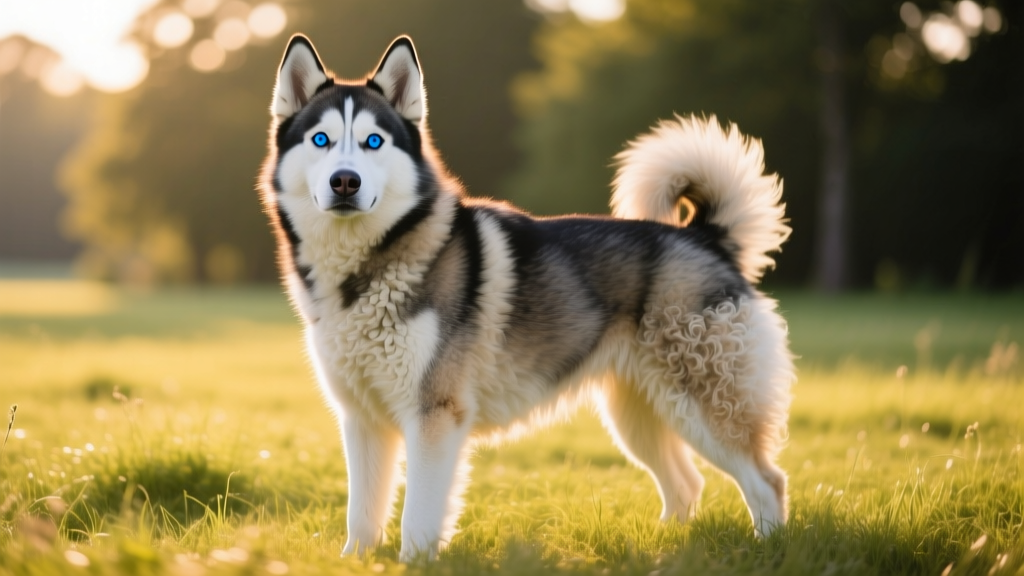
Coat colors vary widely. Expect possibilities including black, white, gray, silver, cream, apricot, red, sable, or parti-color (patches of two or more colors). Many Huskydoodles inherit the Husky's facial mask markings or even heterochromia (two different-colored eyes), though this is purely luck of the genetic draw. Eye colors can range from brown, blue, amber, or one of each.
Temperament: What to Expect (and What Might Surprise You)
The Huskydoodle temperament is where individual variability becomes most apparent. Both parent breeds are intelligent, but they express that intelligence very differently — and your dog may lean toward either end of the spectrum.
Best-Case Temperament Scenario
A well-socialized Huskydoodle that inherits the Poodle's biddable nature and the Husky's friendliness can be an outstanding companion: alert, playful, affectionate with family, good with children, and quick to learn new cues. These dogs thrive on mental stimulation and enjoy activities like agility, nose work, and advanced trick training using positive reinforcement methods — treat rewards, clicker markers, and play-based motivation.
Challenging Temperament Scenario
A Huskydoodle that inherits the Husky's independence and high prey drive alongside the Poodle's sensitivity can be a difficult combination for inexperienced owners. You may encounter:
- Leash reactivity — lunging or barking at other dogs, squirrels, or moving stimuli
- Escape artistry — Huskies are notorious diggers and fence-testers; a Huskydoodle may inherit this drive to roam
- Vocalization — a combination of Husky howling/talking and Poodle alert barking can mean a noisy household
- Stubbornness during training — the Husky's "what's in it for me?" attitude can frustrate owners expecting Poodle-level compliance
- Prey drive — both breeds have hunting heritage; small pets (cats, rabbits, small dogs) may trigger chase instincts
Socialization Is Non-Negotiable
Regardless of which traits your Huskydoodle inherits, early and ongoing socialization during the critical window (3–14 weeks of age, with continued exposure through adulthood) is essential. Enroll in a well-run puppy kindergarten class, expose your puppy to varied surfaces, sounds, people, and other vaccinated dogs, and build positive associations with handling for grooming and vet visits.
Coat Types, Shedding, and the Hypoallergenic Question
This is the trait most prospective owners ask about — and the one with the least predictability. A Siberian Husky Poodle mix can inherit any of the following coat types:
| Coat Type | Inherited From | Shedding Level | Grooming Frequency |
|---|---|---|---|
| Curly/Wavy | Poodle-dominant | Low to moderate | Brush 3–5×/week; professional clip every 6–8 weeks |
| Wavy/Shaggy | Mixed inheritance | Moderate | Brush 3–4×/week; professional clip every 8–10 weeks |
| Straight/Double Coat | Husky-dominant | Heavy (seasonal blowout) | Brush daily during blowout; 2–3×/week otherwise |
Is the Siberian Husky Poodle Mix Hypoallergenic?
No dog is truly hypoallergenic. The term is misleading. Poodles produce less dander and shed less hair, which reduces (but does not eliminate) the allergens that trigger reactions in sensitive people. A Huskydoodle with a Poodle-type coat will likely be more tolerable for allergy sufferers, but a Huskydoodle with a Husky-type double coat will be no better than a purebred Husky for allergies. If allergies are a concern, spend at least 2–3 hours with the specific puppy before bringing them home, and consult an allergist.
Health Considerations: Hybrid Vigor vs. Reality
One of the most persistent myths about designer dogs is that crossbreeding automatically eliminates health problems through "hybrid vigor" (heterosis). The reality is more nuanced. While crossing two genetically diverse breeds can reduce the risk of recessive conditions that require two copies of a faulty gene, a Huskydoodle can still inherit any condition that affects either parent breed — especially conditions with polygenic or dominant inheritance patterns.
Conditions Inherited from the Siberian Husky Parent
- Hip dysplasia — malformation of the hip joint; prevalence estimated at 5–8% in Huskies based on Orthopedic Foundation for Animals (OFA) data
- Eye conditions — hereditary cataracts, progressive retinal atrophy (PRA), and corneal dystrophy are documented in the breed
- Zinc-responsive dermatosis — a skin condition where the Husky's body cannot properly absorb zinc, leading to crusting and scaling around the eyes, muzzle, and pressure points
Conditions Inherited from the Poodle Parent
- Hip dysplasia — also prevalent in Standard Poodles (approximately 10–12% OFA dysplasia rate)
- Addison's disease (hypoadrenocorticism) — an autoimmune destruction of the adrenal glands; Standard Poodles are a predisposed breed
- Sebaceous adenitis — an inflammatory skin disease that destroys sebaceous glands, causing hair loss and scaling
- Gastric dilatation-volvulus (GDV / bloat) — a life-threatening stomach torsion that affects deep-chested breeds including Standard Poodles
- Epilepsy — idiopathic (cause unknown) seizures are documented in Poodle lines
Conditions That Affect Both Breeds
Because both parent breeds carry risk for hip dysplasia and certain eye diseases, these are the conditions to watch most carefully in a Huskydoodle. A responsible breeder will provide OFA or PennHIP hip certification and CERF/OFA eye certification for both parent dogs. Ask to see these documents — not just a verbal assurance.
- OFA/PennHIP hip scores for both parents
- OFA eye certification (annual) for both parents
- DNA test for PRA (progressive retinal atrophy) — available for both Husky and Poodle variants
- Addison's disease DNA test for Poodle parent (if available through UC Davis Veterinary Genetics Lab)
- Thyroid panel for both parents
Expected lifespan for a Siberian Husky Poodle mix is 10–15 years, with the wide range reflecting the size variability (smaller dogs from Miniature Poodle crosses tend to live longer) and individual health factors. Always consult your veterinarian for breed-appropriate preventive care schedules, including vaccination protocols, parasite prevention, and annual wellness bloodwork starting around age 7.
Exercise, Mental Stimulation, and Daily Care
Both parent breeds are high-energy working dogs, and the Huskydoodle is no couch potato. Plan for 60–120 minutes of structured exercise daily, broken into at least two sessions. This should include:
- Leash walks or jogging — 30–60 minutes; Huskydoodles can make excellent running partners once growth plates close (around 12–18 months)
- Off-leash play in secure areas — fetch, flirt pole, or free running
- Mental enrichment — puzzle feeders (Kong Classic, Outward Hound Nina Ottosson puzzles), scent work, training sessions
- Structured sports — agility, rally obedience, barn hunt, or cani-cross (dog-assisted running) are excellent outlets
A Huskydoodle that doesn't receive adequate exercise and mental stimulation will find its own entertainment — and you won't like the results. Destructive chewing, excessive howling, digging under fences, and escape attempts are all common outcomes of under-exercised Husky-type dogs.
Grooming Maintenance by Coat Type
Regardless of which coat your Huskydoodle inherits, regular grooming is essential. Budget for professional grooming every 6–10 weeks (at $60–$120 per session depending on your region and the dog's size) plus at-home brushing. Key grooming tools to invest in:
- Slicker brush — for curly/wavy coats (Chris Christensen Big G or similar quality)
- Undercoat rake — for Husky-type double coats during shedding season
- Steel comb — for checking for mats behind ears, under legs, and around the collar line
- Nail clippers or grinder — trim every 2–4 weeks; the Dremel 7300-PT pet nail groomer is a popular choice
Cost Breakdown: What You'll Actually Spend
The Siberian Husky Poodle mix is not as widely bred as Labradoodles or Goldendoodles, which means fewer breeders and potentially higher prices from the few who specialize. Here's a realistic cost picture for 2026:
| Expense Category | Low Estimate | High Estimate |
|---|---|---|
| Puppy purchase (from breeder) | $800 | $2,500 |
| Adoption/rescue fee | $150 | $500 |
| First-year veterinary care (vaccines, spay/neuter, wellness) | $600 | $1,200 |
| Annual grooming (professional, 5–7 sessions) | $300 | $840 |
| Annual food (quality kibble or balanced diet) | $480 | $900 |
| Pet insurance (annual premium) | $480 | $960 |
| First-year total (puppy from breeder + care) | $2,660 | $6,400 |
Finding a Huskydoodle: Breeder vs. Rescue
Because the Siberian Husky Poodle mix is less common than other doodle crosses, you may need to join a waitlist or expand your search regionally. When evaluating a breeder, look for:
- Health testing documentation (not just "vet checked" — ask for OFA/PennHIP certificates)
- A take-back clause in the contract requiring you to return the dog to them if you can no longer care for it
- Willingness to let you meet at least the dam (mother) and see the living conditions
- No pressure to buy; good breeders interview you as much as you interview them
For rescue options, check Husky-specific rescues (many take in Husky mixes), Poodle rescues, and general breed-mix rescues. Sites like Petfinder and Adopt-a-Pet allow you to search by breed mix. Huskydoodles do appear in rescue, though not frequently — patience pays off, and you'll save a life while spending significantly less.
Who Should (and Shouldn't) Get a Siberian Husky Poodle Mix
This Mix Is a Good Fit For:
- Active individuals or families who can commit to 60–120 minutes of daily exercise
- Experienced dog owners who understand independent, high-energy breeds and have trained dogs before
- Homes with secure fencing — at minimum a 6-foot fence with dig-proofing at the base (buried chicken wire or concrete footer)
- People who enjoy outdoor activities — hiking, running, skijoring, or agility
- Families with older children (8+) who understand how to interact respectfully with dogs
This Mix Is Not Ideal For:
- First-time dog owners — the combination of Husky independence and potential stubbornness is challenging without prior training experience
- Apartment dwellers — unless you can commit to multiple daily outings and have tolerance for vocalization (neighbors may not)
- Households with small pets — the prey drive from both parent breeds makes cohabitation with cats, rabbits, or small dogs risky without careful management
- People who work long hours away from home — Huskydoodles are social dogs that do not tolerate prolonged isolation well and may develop separation anxiety or destructive behaviors
- Anyone expecting a guaranteed hypoallergenic dog — if you have severe allergies, consider a purebred Poodle or a breed with more predictable coat genetics
Frequently Asked Questions
What two breeds make up the Siberian Husky Poodle mix?
The Siberian Husky Poodle mix is a cross between a purebred Siberian Husky and a purebred Poodle (most commonly a Standard Poodle, but sometimes Miniature or Moyen). The specific Poodle size used affects the adult size of the offspring.
How big will a Siberian Husky Poodle mix get?
A standard Huskydoodle (from a Standard Poodle parent) typically weighs 40–65 lb (18–29 kg) and stands 18–24 inches (46–61 cm) at the shoulder. Mini versions from Miniature Poodle crosses are smaller at 15–30 lb (7–14 kg). Individual variation is significant — ask the breeder for the parents' measurements.
What will the temperament be like?
Expect an intelligent, energetic, and social dog — but the balance between Husky independence and Poodle biddability varies per individual. Early socialization and consistent positive reinforcement training are essential regardless of which traits emerge.
Is the Siberian Husky Poodle mix hypoallergenic or low-shedding?
No dog is truly hypoallergenic. A Huskydoodle with a Poodle-type curly coat will shed less and may be more tolerable for allergy sufferers, but a Huskydoodle with a Husky-type double coat will shed heavily, especially during seasonal coat blows. Coat type cannot be guaranteed in F1 crosses.
What health issues might this mix inherit?
Key conditions to watch for include hip dysplasia (from both parents), hereditary eye diseases (cataracts, PRA), Addison's disease (Poodle side), sebaceous adenitis (Poodle side), zinc-responsive dermatosis (Husky side), and GDV/bloat (Standard Poodle side). Reputable breeders health-test both parents to reduce risk.
How much does a Siberian Husky Poodle mix cost?
Expect to pay $800–$2,500 for a Huskydoodle puppy from a breeder, depending on generation, location, and breeder reputation. Adoption fees through rescues are typically $150–$500. First-year total costs (puppy plus veterinary care, food, grooming, and supplies) range from approximately $2,660 to $6,400.
Priya Sutaria
All our authors care for dogs every day — read more of their work on the authors page.


